


Real Estate in Abu Dhabi

International Real Estate Consultant
Leave a request and our manager will contact you.
International Real Estate Consultant
 Lilia Karimova, International Real Estate Market Analyst
Updated:
Lilia Karimova, International Real Estate Market Analyst
Updated:
Real Estate in Abu Dhabi
International Real Estate Consultant
Leave a request and our manager will contact you.
International Real Estate Consultant
Selection real estate in Abu Dhabi in 15 minutes
Leave a request and we will select the 3 best options for your budget
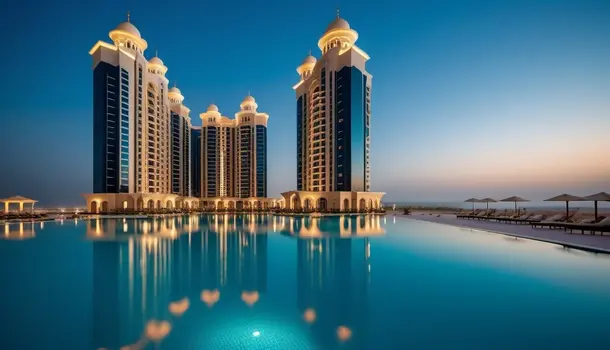
Weather in Abu Dhabi
 !
!
For sale Flat, Spain 204 294 $
📌 A few apartments for sale in Cala de Finestrat - a cozy place between Benidorm and Vieijahoyosa with a...
 !
!
Buy flat, Turkey 161 639 $
ID AN 24382 Main Features: Location:Antalya District:Altintaş Type of property: Housing under construction Number of rooms: 1+1, 2+1
For Sale Real Estate in Abu Dhabi
Lands in Abu Dhabi
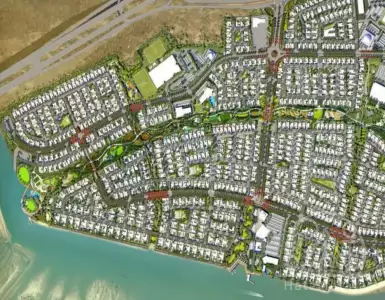
 4
4
 982
982
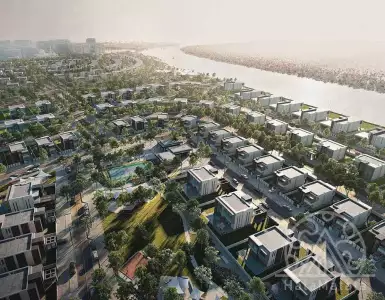 4
750
4
750
 4
820
4
820
Townhouses in Abu Dhabi
 2
204
2
204
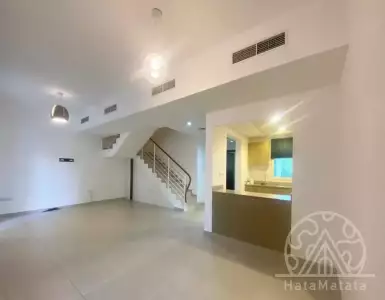 3
191
3
191
 3
641
3
641
Do you want to buy real estate in Abu Dhabi? We'll tell you where to start
Leave a request and we will select the 3 best options for your budget
International Real Estate Consultant
Villas in Abu Dhabi
 5
542
5
542
 4
4
 3
325
3
325
 6
656
6
656
Flats in Yas
 1
61
1
61
 1
44
1
44
 1
1
73
1
1
73
Houses in Abu Dhabi
 3
4
171
3
4
171
 3
3
168
3
3
168
 5
273
5
273
Flats in Abu Dhabi
 1
31
1
31
 2
255
2
255
 3
185
3
185
Selection real estate in Abu Dhabi in 15 minutes
Leave a request and we will select the 3 best options for your budget
 Legal review:
Deni Gerikhanov, International Real Estate Lawyer
Legal review:
Deni Gerikhanov, International Real Estate Lawyer
 Financial review:
Evgeniya Skripko, Financial Expert in International Real Estate
Reviewed:
Financial review:
Evgeniya Skripko, Financial Expert in International Real Estate
Reviewed:
🇦🇪 Abu Dhabi, UAE property purchases: prices, freehold zones and ownership rules
Abu Dhabi combines stable governance, oil-backed wealth and deliberate diversification into finance, tourism and knowledge industries, making property in Abu Dhabi attractive for private buyers and international investors alike. The city offers high-quality infrastructure, globally recognized healthcare and education, and distinct freehold zones where foreigners can buy and rent out with clarity. This guide walks through geography, economy, pricing, neighborhoods, developers, financing, purchase steps and legal realities so you can decide whether to buy property in Abu Dhabi with confidence.
🗺️ Geography, climate and transport in Abu Dhabi
Abu Dhabi city sits on an island connected to the mainland by the Sheikh Zayed Bridge and multiple highways, with the emirate extending across coastal and inland zones such as Khalifa City, Al Ain and the Western Region. Abu Dhabi International Airport is a major hub roughly 30–40 minutes from the city centre and links the emirate to Europe, Asia and Africa. The road network includes Sheikh Zayed Road (E10) and the new Abu Dhabi-Dubai route that cuts travel time to Dubai, plus extensive ferry and marine links for islands such as Saadiyat and Yas.
Abu Dhabi has a hot desert climate with long, hot summers and mild winters; daytime highs commonly reach 40–45°C in peak summer and 18–25°C in winter, while annual rainfall remains under 100 mm, concentrated in winter months. Urban planning anticipates shading, landscaping and cooling infrastructure to maintain livability in residential districts.
Abu Dhabi’s public infrastructure is mature and growing: the Abu Dhabi Metro is planned in phases, while the emirate already features a major public bus network, extensive cycle paths on the Corniche and rapid expansion of EV charging and smart-city projects in Masdar City and Al Maryah Island.
🏥 Infrastructure and lifestyle for property buyers in Abu Dhabi
Abu Dhabi offers international schools such as Cranleigh Abu Dhabi, Raha International School and GEMS campuses, plus tertiary institutions like NYU Abu Dhabi, Khalifa University and Abu Dhabi University, enabling family relocation or long-term education planning. Healthcare includes world-class facilities such as Cleveland Clinic Abu Dhabi and Sheikh Shakhbout Medical City, supported by widespread clinics across Al Reem, Khalifa City and Al Raha.
Abu Dhabi’s business infrastructure centers on Al Maryah Island and Abu Dhabi Global Market (ADGM), where financial firms, international banks and corporate headquarters cluster, offering employment for finance, energy and tech sectors. Cultural and leisure infrastructure includes Louvre Abu Dhabi, the Saadiyat Cultural District, Yas Marina Circuit, Yas Mall and multiple championship golf courses, which together drive year-round tourism and short-stay demand.
Abu Dhabi’s utilities and municipal services are centralized and digitalized through Abu Dhabi Government platforms, with high-speed internet across urban zones and continuity of power and water in residential and commercial developments.
💶 Property prices in Abu Dhabi by category and market dynamics
Apartment and villa pricing reflects location, developer and build quality; buyers find options across new build property in Abu Dhabi and secondary market property in Abu Dhabi. Market momentum is characterized by measured growth driven by government projects, tourism expansion and foreign capital flows. Typical price ranges and yields are:
- Apartments (standard central locations): studios AED 550,000–900,000, 1BR AED 800,000–1.6M, 2BR AED 1.2M–2.5M.
- Apartments (premium waterfront): Al Maryah Island, Saadiyat and Al Raha Beach AED 1.5M–4M.
- Villas and townhouses: Khalifa City and Yas Island family homes AED 2.5M–8M, Saadiyat beachfront villas and gated communities AED 6M–60M.
- Price per sqft ranges: broadly AED 1,000–2,500 per sqft depending on district and product spec.
Rental yields and demand patterns: apartments often deliver 4–6% gross yields, while villas typically return 3–4%; short-term holiday rentals perform strongly on Yas and Saadiyat where tourism and events drive occupancy. Secondary-market properties can trade at discounts to off-plan before handover, while new build property in Abu Dhabi frequently offers payment plans and modern finishes that appeal to international buyers.
🎯 Best areas in Abu Dhabi to buy property and what they suit
Abu Dhabi’s districts are distinct in character; choosing the right area depends on purpose — living, rental income, or capital growth. Key districts include:
- Al Reem Island (Shams, Marina Square): high-density towers near the city centre, strong tenant demand from professionals and return yields for investors.
- Al Maryah Island (ADGM, The Galleria): prime finance district, luxury apartments and consistent corporate tenancy.
- Saadiyat Island (Cultural District, Saadiyat Beach Residences): ultra-prime, cultural and beachfront assets geared to premium buyers and long-term capital appreciation.
- Yas Island (Yas Bay, Yas Marina, Yas Acres): tourism-driven market with strong short-stay potential and family communities.
- Khalifa City and Mohammed Bin Zayed City: spacious villas, family-oriented amenities and more affordable prices for long-term residents.
- Al Raha Beach and Al Zeina: waterfront mid- to high-end apartments that attract expatriate families and professionals.
Each district has distinct transport links, schools and amenities; investors targeting rental income will favour Al Reem, Al Maryah and Yas, while buyers seeking capital appreciation and premium living often choose Saadiyat and Al Raha Beach.
🏗️ Major developers and projects in Abu Dhabi shaping the market
Abu Dhabi’s real estate is dominated by a set of large, verifiable developers and government-backed entities delivering masterplans and mixed-use projects. Notable names and projects include:
- Aldar Properties — major projects include Al Raha Beach, Shams Abu Dhabi on Al Reem and residential communities across Yas and Saadiyat.
- Mubadala Development Company and Mubadala Real Estate — lead developments on Al Maryah Island and parts of Masdar City, with strategic government-backed investment.
- Miral — developer of major tourism and leisure assets on Yas Island including the ongoing waterfront and attractions that underpin short-stay demand.
- TDIC / Department of Culture and Tourism — driving the Saadiyat Cultural District with projects such as Louvre Abu Dhabi and planned museums that sustain premium beachfront demand.
Developers commonly combine off-plan launches, post-handover management and service provision; large-scale schemes are backed by institutional capital and local regulation designed to protect buyers and stabilize supply.
🏦 Mortgages and installment plans for foreigners buying in Abu Dhabi
Banks and developers provide multiple financing routes for buyers, including mortgages for expatriates and interest-free developer plans for new builds. Typical practical parameters are:
- Down payments: foreigners commonly prepare 25–30% down on new developments; secondary market purchases often require 30–40% depending on the lender and buyer profile.
- Mortgage rates and tenors: competitive mortgages are available from local banks such as First Abu Dhabi Bank (FAB), Abu Dhabi Commercial Bank (ADCB) and Abu Dhabi Islamic Bank (ADIB) with floating or fixed margins; effective rates historically fall in the mid-3% to mid-6% range depending on credit, and tenors up to 25 years for eligible applicants.
- Developer installment plans: many off-plan projects offer interest-free payment plans across 2–5 years; some premium launches provide extended plans up to handover and beyond.
Banks will assess salary documentation, residency status, age and existing liabilities; non-resident mortgage facilities are available but typically at lower LTV and with stricter proof of income. Buyers should request mortgage pre-approval before committing to a Sales and Purchase Agreement.
📝 Step-by-step purchase process for property in Abu Dhabi
Abu Dhabi purchases follow a structured sequence from reservation through title registration to possession. Typical steps are:
- Selection and reservation: buyer inspects or virtually tours the unit, negotiates price and signs a reservation agreement with a deposit (commonly 5–10%).
- Sales and Purchase Agreement (SPA): parties sign the SPA covering payment schedule, handover dates and warranties; buyers often pay a further 10–20% depending on developer terms.
- Financing and documentation: mortgage pre-approval, submission of passport, Emirates ID (if resident), proof of funds and employer letters; for non-residents additional documentation may be required.
- Title registration and fees: final transfer and registration occur at the relevant Abu Dhabi land authority or municipality department; registration fees vary but budget for transfer and admin costs and service charges.
- Handover and management: upon completion the developer issues title deeds and the buyer settles remaining payments, service charges and utility connections.
Payments are usually made by bank transfer into escrow or developer accounts; power of attorney is commonplace for absentee buyers but must be notarized and accepted by Abu Dhabi authorities.
⚖️ Legal aspects, residence permits and citizenship related to property in Abu Dhabi
Abu Dhabi real estate acquisitions are governed by federal and emirate-level regulations that define freehold zones, title protection and escrow arrangements for off-plan sales. Foreigners can buy in designated freehold areas such as Reem, Saadiyat, Yas, Al Maryah and parts of Al Raha Beach with clear title rights.
There is an established pathway for residency through real estate investment: buyers who meet the UAE’s property-value thresholds may qualify for long-term residency visas, including the 10-year Golden Visa for property investors holding ownership of real estate worth AED 2 million or more and meeting the specific criteria. Residency rules and thresholds can change and are administered by immigration authorities, so buyers should consult official channels or a qualified immigration adviser to confirm current eligibility.
Citizenship by real estate investment in Abu Dhabi is not available; the UAE does not offer automatic citizenship in exchange for property purchases. Residency and investor visa schemes are the primary immigration benefits available through property acquisition.
📈 Investment advantages and typical buyer scenarios in Abu Dhabi
Abu Dhabi suits a wide range of buyer profiles because of its stability, institutional backing and diversified economy. Scenario-based fits include:
- Long-term capital growth: buyers focused on multi-year appreciation target Saadiyat Island, Al Maryah Island and Al Raha Beach where cultural assets and commercial hubs create structural demand.
- Rental income and short-term lets: investors aiming for yield often buy apartments on Al Reem Island, Al Maryah Island and Yas Island, leveraging steady corporate tenancy and tourist seasons for occupancy uplift.
- Holiday homes and seasonal living: Saadiyat beachfront villas and Yas Island apartments serve as vacation residences linked to cultural events and motorsport seasons.
- Family relocation and schooling: Khalifa City, Al Mushrif and Al Bateen provide villa communities close to international schools and healthcare, suited to families seeking space and suburban lifestyle.
- Premium and ultra-prime buyers: ultra-high-net-worth individuals gravitate to Saadiyat beachfront and bespoke mansions in Al Bateen, combining private beaches and concierge-level services.
Buyers can model returns on rent-to-price ratios (expect gross yields of 4–6% across apartments in key zones) and consider value drivers such as ADGM expansion, new museum openings and Yas Island tourism projects that support occupancy and capital appreciation.
Abu Dhabi’s real estate market is a blend of stable government-backed projects and private-sector innovation, suited to buyers seeking a secure base in the Gulf, predictable rental demand or premium lifestyle assets. If you are evaluating options, assess the district, developer reputation, financing terms and visa implications together; a local property lawyer, licensed broker and bank adviser will help translate the numbers into a purchase plan that matches your objectives.
Frequently Asked Questions
How much does property cost in Abu Dhabi?
Apartment prices typically range from about USD 150,000–700,000 (AED ~550k–2.6M). Prime waterfront apartments and luxury units can exceed USD 1M–3M. Detached villas usually start around USD 500,000 and can reach USD 3M+. Prices vary by island, city center and new developments; expect higher premiums for waterfront and central locations.
Can foreigners buy property in Abu Dhabi?
Yes—foreigners can buy freehold in designated Abu Dhabi zones and hold long leaseholds elsewhere. Purchase requires ID (passport), proof of funds, and property registration with Abu Dhabi authorities. Some areas have specific rules or developer conditions; mortgages for non-residents are available but with higher down‑payments and lender checks.
What rental yields and demand exist in Abu Dhabi?
Gross rental yields commonly range 4–7% for apartments and 3–6% for villas, higher in central/island locations. Rental demand is steady from professionals, diplomats and families in core neighborhoods; liquidity and tenant demand are strongest in central business districts and waterfront developments. Prime units generally lease faster than off‑plan or remote locations.
Is Abu Dhabi good for families relocating there?
Yes—Abu Dhabi offers international schools, modern hospitals, family neighborhoods, parks and reliable public services. Major roads, an international airport and bus/taxi networks ease mobility. Expect 2–8 weeks to secure housing and school places; school application seasons and visa processing can extend timelines. Climate is hot in summer—plan accordingly.
Can digital nomads live and work in Abu Dhabi?
Abu Dhabi has widespread fiber and mobile networks with typical speeds 100–500 Mbps; coworking spaces and cafes are available. The UAE offers remote‑work and virtual working permits for 6–12 months depending on the program, and longer stays are possible via residency visas. Cost of living and accommodation can be higher than regional peers—budget accordingly.
Can buying property in Abu Dhabi grant residency or a Golden Visa?
Property investment can support residency routes. Investor residence thresholds often start around AED 2,000,000 (≈USD 545,000) for specific investor visas, but exact criteria vary by program. Other residency options include employment or family sponsorship. UAE citizenship is extremely limited and not a standard outcome of property ownership.
What taxes, fees and closing costs apply in Abu Dhabi?
There is no annual property tax, capital gains tax or rental income tax for individuals. Typical one‑time costs: registration/transfer fees around 2% of price, agent commission 2–3%, mortgage/valuation fees 0.25–1%. Total closing costs commonly run 3–6% of purchase price. Annual service/maintenance charges vary widely—often USD 500–4,000+ depending on property size and community.
Can foreigners get a mortgage for Abu Dhabi property?
Yes—many lenders offer mortgages to expatriates. Loan‑to‑value typically ranges from 60–80% depending on residency status and lender; non‑resident loans often require larger down payments (25–40%). Loan terms commonly up to 20–25 years. Interest rates vary by lender and profile; expect variable rates in the mid single digits to higher depending on market conditions. Approval 2–6 weeks.
Are short‑term rentals allowed in Abu Dhabi?
Short‑term rentals are permitted but require registration and licensing with Abu Dhabi authorities and must comply with local tourism rules. Not all communities allow short lets—some developments restrict them. Unlicensed short‑term leasing can incur fines. Check local licensing, tourist fee requirements and community rules before listing a property.
What checks should I do before buying in Abu Dhabi?
Do a title search with Abu Dhabi land registry, confirm developer completion/permits, review service‑charge history, check outstanding mortgages or liens, request a professional valuation, and obtain any required NOCs for resale. Verify utility connections and community masterplan. Allow 1–4 weeks for thorough due diligence and legal review before finalizing.
Property by cities
- Real estate in Abu Dhabi (828)
Real estate types in Abu Dhabi
Real estate types by cities of Abu Dhabi
- Flats in Abu Dhabi (539)
- Villas in Abu Dhabi (153)
- Lands in Abu Dhabi (43)
- Houses in Abu Dhabi (11)
- Flats in Yas (5)
- Flats in Al-Rim (3)
Properties by Region
Properties by Country
- Real estate in Bulgaria (11416)
- Real estate in Montenegro (5347)
- Real estate in Spain (5198)
- Real estate in Indonesia (2424)
- Real estate in Turkey (2318)
- Real estate in Portugal (2037)
- Real estate in Croatia (1682)
- Real estate in Cyprus (1622)
- Real estate in Italy (1577)
- Real estate in Thailand (1565)
- Real estate in Greece (1120)
- Real estate in France (1070)
- Real estate in USA (732)
- Real estate in Georgia (507)
- Real estate in Serbia (247)
- Real estate in Slovenia (125)
- Real estate in Egypt (20)
UAE Developers
Free real estate consultation in Abu Dhabi
Don't know which area to choose in Abu Dhabi? We will tell you in which areas it is better to live or invest, and show you the appropriate options.

Maria Guven
Head of Direct Sales Department
+90-507-705-8082