


Flat in Abu Dhabi
Do you want to buy flat in Abu Dhabi? We'll tell you where to start

Liliya
International Real Estate Consultant
Need help choosing a property?
Leave a request and our manager will contact you.
International Real Estate Consultant
Flat in Abu Dhabi
Do you want to buy flat in Abu Dhabi? We'll tell you where to start
Liliya
International Real Estate Consultant
Need help choosing a property?
Leave a request and our manager will contact you.
International Real Estate Consultant
Selection flats in Abu Dhabi in 15 minutes
Leave a request and we will select the 3 best options for your budget

Weather in Abu Dhabi
 !
!
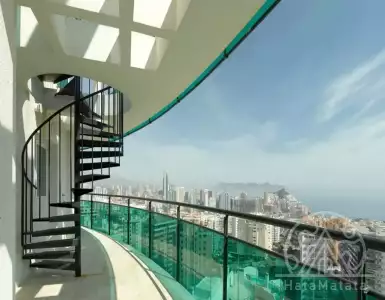
For sale Flat , Spain 210 378 $
📌 A few apartments for sale in Cala de Finestrat - a cozy place between Benidorm and Vieijahoyosa with a...
 !
!
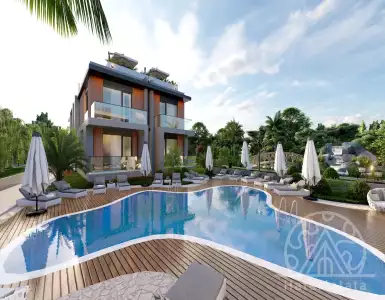
Flat for sale , Cyprus 126 672 $
The new residential complex is located in the foothills of Alsanjak. The complex consists of two two-storey buildings. Block A - 12...
For Sale flat in Abu Dhabi
Flats in Abu Dhabi

 1
1
 31
31
 2
255
2
255
 3
185
3
185
Didnt find the right facility?
Leave a request - we will handle the selection and send the best offers in a short period of time



Irina Nikolaeva
Sales Director, HataMatata
Selection flats in Abu Dhabi in 15 minutes
Leave a request and we will select the 3 best options for your budget
🇦🇪 Abu Dhabi flat purchase essentials: prices, neighborhoods and ownership rules
Buying a flat in Abu Dhabi is a practical decision for owner-occupiers and investors because the emirate combines stable government-driven development, large-scale tourism and business hubs, and clearly defined freehold zones for international buyers. The housing market is driven by demand for modern apartments in walkable waterfront districts, family-friendly suburbs with schools and parks, and high-yield rental stock near business and leisure nodes. The picture for anyone looking to buy flat in Abu Dhabi includes predictable regulatory frameworks, visible flagship projects on Saadiyat and Yas Islands, and a pipeline of residential supply led by major local developers.
💶 How much Flat costs in Abu Dhabi
Buying a flat in Abu Dhabi spans a wide price spectrum depending on location, finish, and whether a unit is new or resale. Typical apartment sizes range from studios 40–55 sqm, one-bedroom 60–90 sqm, and two- to three-bedroom 100–180 sqm, which shapes pricing and rental prospects. Market pricing is generally lower than Dubai for comparable quality in central locations but premium on islands and central business districts.
- Al Reem Island: 1BR AED 900,000–1,600,000, 2BR AED 1.4M–2.6M; popular for mid- to high-rise apartments near marina and shops.
- Saadiyat Island: 1BR AED 1.2M–2.5M, 2BR AED 2M–4M; premium beachfront and cultural attractions drive prices.
- Al Maryah Island / Corniche: 1BR AED 1.0M–2.0M, premium tower living close to ADGM and The Galleria.
- Yas Island: 1BR AED 700,000–1.4M, 2BR AED 1.1M–2.2M; strong tourist and short-term rental demand near Yas Mall and Yas Marina.
- Khalifa City / Al Raha Beach: 1BR AED 600,000–1.1M, more space, family orientation, accessible schools and highways.
Market dynamics show that new developments of flat in Abu Dhabi often carry a premium during early sales but offer developer payment plans; resale flat in Abu Dhabi may be 5–15% cheaper per square metre depending on supply. Buyers seeking average price of flat in Abu Dhabi can expect mid-market one-bed units in urban islands around AED 1.0M–1.5M.
🎯 Which district of Abu Dhabi to choose for buying Flat
Choosing the right district depends on lifestyle and investment goals: short-term yield, stable long-term rental, or owner occupancy. Each micro-market has clear strengths in infrastructure, transport links, and tenant profiles. Popular districts are clustered around business islands, leisure hubs, and suburban family neighborhoods.
- Al Reem Island: strong tenant demand from professionals; proximity to Abu Dhabi National Exhibitions Company and healthcare facilities.
- Saadiyat Island: cultural tourism anchor with Louvre Abu Dhabi and high-end beachfront living; attracts premium long-term tenants and short-term corporate stays.
- Al Maryah Island: highest rental rates for corporate and executive tenants near ADGM and Cleveland Clinic Abu Dhabi.
- Yas Island: tourist-driven rentals, high occupancy during events at Yas Marina Circuit and Yas Mall.
- Khalifa City and Al Raha Beach: growing family neighborhoods with larger layouts, accessible international schools, and highway access to Dubai.
Location choices directly affect rental yield and appreciation: Yas Island and Al Reem Island often produce higher turnover and accessible yields, while Saadiyat and Al Maryah deliver stability and premium rates for executive tenants.
🏢 Economy and investment climate in Abu Dhabi affecting Flat market
Abu Dhabi’s economy is a diversified mix of energy wealth, sovereign investment, tourism, and services, which underpins demand for residential flats. The emirate’s sovereign investment vehicles and government-led masterplans create long-term infrastructure certainty that supports liquidity in the housing market. Business districts such as Al Maryah Island and the financial zone ADGM attract multinational firms, raising demand for high-quality flats for expatriate executives.
- Tourist flows driven by cultural attractions—Louvre Abu Dhabi, Yas Marina Circuit, Ferrari World—and luxury resorts keep short-stay demand high in island locations.
- Tax environment remains investor-friendly with no personal income tax and no routine capital gains tax for individuals, enhancing net rental yields.
- Economic drivers include state-backed investment funds and diversified non-oil growth which stabilise the property market and support longer-term capital appreciation.
Investor liquidity is aided by clear developer track records and active secondary markets; investment in flat in Abu Dhabi benefits from predictable occupancy from healthcare, education, and tourism clusters.
🛠️ Leading developers and new developments of Flat in Abu Dhabi
Major developers dominate supply and offer brand security, off-plan payment plans, and established community facilities. Knowing developer reputation matters for build quality, handover reliability, and secondary market resale.
- Aldar Properties: leading residential pipeline on Al Raha Beach, Al Reem, and Saadiyat with mixed-use complexes; known for masterplans and community amenities.
- Miral: main developer and operator on Yas Island, organising attractions and waterfront residential districts such as Yas Bay Waterfront.
- Mubadala / TDIC: institutional players on Saadiyat Island focusing on cultural and luxury residential stock with curated beachfront living.
- Eagle Hills and private UAE developers: active in niche and off-plan mid-market projects across Emirate suburbs.
Developers commonly offer developer installment plan for flat in Abu Dhabi with construction-phase payment schedules, post-handover grace periods, and flexible down payments. Project features typically include concierge, gyms, pools, children’s play areas, and retail connectivity.
💳 Mortgage and developer installment plans for Flat in Abu Dhabi
Financing options for buyers are available through local banks and developer schemes; conditions differ for residents and foreigners. Many banks require documentation and credit assessment but provide competitive mortgage packages for qualifying applicants.
- Mortgage for flat in UAE for foreigners: non-resident buyers can access mortgages generally up to 50–60% loan-to-value, while residents may secure 60–80% depending on bank and borrower profile.
- Interest considerations: mortgages are typically variable and linked to local benchmark rates plus a margin; tenor can extend up to 20–25 years subject to age and income limits.
- Developer installment plan for flat in Abu Dhabi: common off-plan structures include smaller initial down payments (10–20%), staged payments during construction, and final payment at handover; some projects offer post-handover payment periods up to several years.
Typical mortgage providers include major Abu Dhabi banks such as First Abu Dhabi Bank (FAB), ADCB, and Abu Dhabi Commercial Bank, which also offer pre-approval services to speed the purchasing process.
📝 Legal process of buying Flat in Abu Dhabi step by step
Purchasing a flat in Abu Dhabi follows clear stages: selection, reservation, contract exchange, payment/mortgage, and title registration. Each stage requires specific checks and local procedures to ensure a clean transfer and compliance.
- Selection and reservation: buyer inspects property or attends developer sales office, signs reservation agreement, pays reservation deposit.
- Due diligence and contract: review Sales Purchase Agreement (SPA), obtain NOC for resales, verify service charge history, confirm title deeds and freehold status; international buyers often instruct local solicitors for contract review.
- Payment and registration: complete payments according to SPA or mortgage schedule, obtain transfer approvals, register title with the Abu Dhabi real estate registration authority, and pay applicable transfer and registration fees.
Mandatory documentation typically includes a valid passport, proof of funds, bank pre-approval if using mortgage for flat in UAE, and any residency documentation for residents. Typical timelines vary by project and transfer type, with resale transfers often completing in a matter of weeks when paperwork is in order.
⚖️ Legal aspects and property taxes on Flat in Abu Dhabi
Understanding ownership rights, rental regulations, and levies is essential before buying a flat in Abu Dhabi. The emirate designates freehold and long-term leasehold areas where foreign ownership is permitted and protects buyer rights through formal registration systems.
- Ownership types: freehold ownership exists in designated districts such as Al Reem Island, Saadiyat Island, Al Maryah Island, and Yas Island, enabling full title deeds for foreigners; other areas may be leasehold or require local sponsorship.
- Taxes and fees: there is no personal income tax or routine capital gains tax for most individual owners, but buyers should budget for transfer and registration fees (typically a small percentage of price), agency fees, and annual service charges for communal upkeep.
- Residence permit and citizenship: purchasing a flat in Abu Dhabi can support visa eligibility in certain government programs when minimum investment thresholds are met; however citizenship through investment in Abu Dhabi is not a standard route and remains highly restricted and exceptional.
Rental rules require registration for certain short-term leasing platforms and compliance with municipality regulations; landlords must account for service charges and any community regulations in rental pricing.
🏡 Which purposes is buying Flat in Abu Dhabi suitable for
Flats in Abu Dhabi serve multiple buyer profiles: families seeking a primary residence, expatriates relocating for work, investors targeting rental yield, and buyers looking for a second home close to leisure amenities. Each purpose aligns with specific districts and property types.
- Living and relocation to Abu Dhabi: families prefer Khalifa City and Al Raha Beach for larger units, schools, and parks; professionals favor Al Maryah and Al Reem for proximity to business districts.
- Seasonal or second home flat in Abu Dhabi: buyers targeting leisure seasons choose Saadiyat Island or Yas Island for beach and entertainment access, strong short-stay demand, and luxury hospitality nearby.
- Investment and rental: investors look at Yas Island and Al Reem Island for higher gross rental yields (typically around 5–7%) and strong occupancy, while Saadiyat and Al Maryah offer lower yields but premium rent and tenant quality.
Property formats range from compact studios and one-bedroom apartments for high-turnover rentals to larger two- and three-bedroom flats aimed at families and longer-term tenants.
Abu Dhabi’s flat market is positioned for steady demand driven by government infrastructure investment, expanding tourism and cultural offerings, and a steady flow of corporate activity on business islands; buyers who match location, property type, and financing strategy to their goal — whether rental yield, relocation, or a second home — will find clear pathways to ownership and attractive prospects across the UAE property landscape.
Frequently Asked Questions
Yes. Foreigners can buy flats in designated freehold zones in Abu Dhabi or secure long-term leases in other areas. Process requires ID, proof of funds, sales contract and registration with the Abu Dhabi land authority. Ownership rules vary by project, so verify tenure type and registration steps before signing.
Market-wide averages in Abu Dhabi show typical apartment prices around AED 1.1–1.4 million, with price per sq ft roughly AED 1,000–1,300. Studios often trade from AED 400k–800k, 1BR AED 700k–1.6M and 2BR AED 1.1–2.5M. Expect transaction and area variations across the emirate.
Real estate investment can help secure long-term UAE residency under federal programs if you meet eligibility. Typical minimum investment thresholds are commonly around AED 2 million and require proof of retained ownership and income. Direct citizenship by property purchase is not available.
Abu Dhabi is considered relatively stable: rental yields typically 5–7% and historical price growth tends to be moderate. Investors often hold 3–7 years to balance income and appreciation. Diversification and location choice (city vs outskirts) affect preservation and upside.
Expect a property registration/transfer fee around 2% of the purchase price, plus brokerage fees commonly around 2% and notional admin/legal costs. No sales VAT on residential resale. Fees are paid at contract completion or registration; confirm exact charges with the land registry.
Renting is straightforward in Abu Dhabi due to steady expatriate demand; typical marketing time is 2–8 weeks in good areas. Gross rental yields commonly run 5–7% depending on location and unit type. Professional property managers charge 5–10% of rent for full management.
Yes. Banks offer mortgages to residents and non-residents with varying LTVs: residents may secure 70–80% LTV on first homes; non-residents often 50–65%. Interest margins and approval depend on income, credit and deposit; typical mortgage terms are 15–25 years after credit checks.
Primary risks: construction delays, market price shifts and developer solvency. Off-plan projects typically have completion timelines of 1–4 years. Mitigate risk by checking escrow protection, track record, contract clauses for delays and guaranteed completion provisions.
Core city center locations and premium island districts tend to offer stronger capital growth but lower yields; peripheral suburbs usually give higher yields and lower entry prices. Balancing growth vs income, expect growth-focused areas to suit 5+ year holds while outer neighborhoods fit 3–7 year yield strategies.
For ready properties: 4–12 weeks from offer to title transfer depending on financing. Off-plan purchases follow developer timelines, commonly 1–4 years to completion. Mortgage approval adds 2–6 weeks; registration and final title issuance at the land authority are completed shortly after payment clearance.
Properties by Region
Properties by Country
- Real estate in Bulgaria (11408)
- Real estate in Montenegro (5348)
- Real estate in Indonesia (2423)
- Real estate in Spain (2289)
- Real estate in Portugal (1975)
- Real estate in Italy (1897)
- Real estate in Turkey (1699)
- Real estate in Cyprus (1589)
- Real estate in Thailand (1565)
- Real estate in Croatia (1431)
- Real estate in Greece (1082)
- Real estate in USA (1013)
- Real estate in France (1006)
- Real estate in Georgia (519)
- Real estate in Serbia (328)
- Real estate in Slovenia (123)
- Real estate in Egypt (23)
UAE Developers
Free real estate consultation in Abu Dhabi
Don't know which area to choose in Abu Dhabi? We will tell you in which areas it is better to live or invest, and show you the appropriate options.

Maria Guven
Head of Direct Sales Department
+90-507-705-8082