


House in Dubai
Do you want to buy house in Dubai? We'll tell you where to start

Liliya
International Real Estate Consultant
Need help choosing a property?
Leave a request and our manager will contact you.
International Real Estate Consultant
House in Dubai
Do you want to buy house in Dubai? We'll tell you where to start
Liliya
International Real Estate Consultant
Need help choosing a property?
Leave a request and our manager will contact you.
International Real Estate Consultant
Selection houses in Dubai in 15 minutes
Leave a request and we will select the 3 best options for your budget
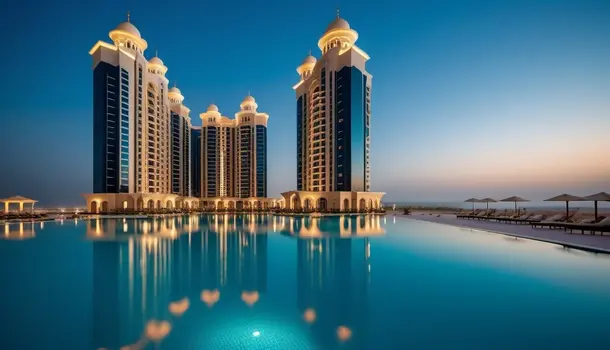
Weather in Dubai
 !
!
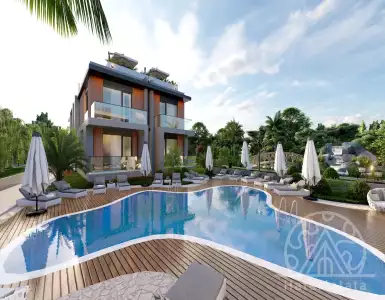
For sale Flat , Spain 209 543 $
📌 A few apartments for sale in Cala de Finestrat - a cozy place between Benidorm and Vieijahoyosa with a...
 !
!
Flat for sale , Cyprus 126 834 $
The new residential complex is located in the foothills of Alsanjak. The complex consists of two two-storey buildings. Block A - 12...
For Sale house in Dubai
Houses in Dubai

 4
4
 6
6
 230
230
 3
6
218
3
6
218
 4
3
252
4
3
252
Didnt find the right facility?
Leave a request - we will handle the selection and send the best offers in a short period of time



Irina Nikolaeva
Sales Director, HataMatata
Selection houses in Dubai in 15 minutes
Leave a request and we will select the 3 best options for your budget
🇦🇪 Buying a house in Dubai, UAE: legal steps, financing and neighborhood considerations
Dubai’s housing market is a global magnet for buyers who want a mix of lifestyle, liquidity and clear legal frameworks. The emirate combines international business hubs, world-class tourism infrastructure and freehold ownership zones that attract families, second-home buyers and institutional investors. Traffic arteries like Sheikh Zayed Road and transport nodes such as Dubai International Airport and the Dubai Metro shape where demand concentrates, while waterfront addresses, golf-course communities and gated suburban estates define the spectrum of houses available to buy.
💼 What shapes demand for House in Dubai
Dubai’s geography and climate create two dominant housing trends: waterfront and suburban. Waterfront locations along Palm Jumeirah, Dubai Creek and Dubai Marina command premium prices because they combine private beaches, yacht access and views, while suburban gated communities such as Arabian Ranches and Dubai Hills Estate attract families seeking gardens, schools and lower density. The hot, arid climate also boosts demand for properties with private pools, shaded outdoor living and effective cooling systems, which are standard in villa specifications.
The transport and infrastructure network directly influences house demand. Proximity to Dubai International Airport, Al Maktoum International Airport, the metro and major highways determines resale value and rental appeal. Areas connected to Dubai Metro lines and the upcoming extensions tend to retain stronger liquidity for resale house in Dubai. Access to retail hubs — Mall of the Emirates, Dubai Mall, Dubai Marina Mall — and medical centers such as Mediclinic and Saudi German Hospital is a practical advantage that buyers pay for.
Business and tourist centers create rental and capital-growth pockets. Downtown Dubai and Business Bay command corporate short-term rentals and executive families, while Expo-area and Dubai Silicon Oasis support workforce-housing demand. Seasonal tourist flows to Jumeirah Beach and Palm Jumeirah sustain holiday rental income, so buyers looking to buy house in Dubai for yield target locations where tourism and corporate demand overlap.
💹 Economy and investment climate in Dubai for House buyers
Dubai’s diversified economy — finance, logistics, tourism, real estate and retail — underpins housing demand and liquidity for houses. The emirate’s GDP composition and sustained tourist arrivals create steady short- and mid-term rental markets. Business-friendly free zones and major corporate relocations continue to attract expatriate employees, which supports long-term rental demand for family-sized houses and townhouses.
Tax policy is notable for investors: there is no personal income tax and no annual property tax as in many other markets; instead buyers face municipal housing fees and service charges. The absence of personal income tax improves rental yield after personal tax, strengthening the ROI on house in Dubai for many foreign investors. The regulatory environment includes escrow protection for off-plan projects and RERA oversight, which increases investor confidence in new developments of house in Dubai.
Tourism and events also translate into liquidity. Large events and year-round tourism volumes create a steady pool of short-term guests and corporate tenants. That means investment in house in Dubai can serve both stable long-term leases and higher-rate short-term lets in prime districts, enhancing the overall marketability of a property.
💶 How much House costs in Dubai
House prices vary dramatically by location, size and finish. Typical price bands for villas and townhouses are:
- Townhouses (3–4 bedrooms): AED 1.2m–4.5m depending on community and finish.
- Mid-range villas (4–5 bedrooms): AED 3.5m–12m in suburbs like Dubai Hills, Arabian Ranches and DAMAC Hills.
- Premium villas (waterfront or golf-front): AED 15m–60m in Palm Jumeirah, Emirates Hills, Jumeirah Islands.
- Ultra-prime mansions: AED 60m+ in Emirates Hills and certain private waterfront plots.
Average price signals:
- Average price of house in Dubai Hills Estate commonly sits in the AED 4m–9m range for family villas.
- Arabian Ranches family villas typically trade in the AED 3.5m–8m band depending on plot size.
- Palm Jumeirah villas average well above AED 20m, with private beachfront mansions significantly higher. Market dynamics show that off-plan new developments of house in Dubai can introduce softer entry points through staged payments, while resale house in Dubai often commands a premium for immediate occupancy and established community infrastructure.
🎯 Which district of Dubai to choose for buying House in Dubai
Each district has a distinct buyer profile and rental profile:
- Dubai Hills Estate
- Strong family appeal, schools (GEMS World Academy nearby), Dubai Hills Mall and easy highway access.
- Average villa price: AED 4m–9m.
- High occupancy rates for long-term leases.
- Arabian Ranches (I & II)
- Mature community, established schools (Jumeirah English Speaking School nearby), parks and golf clubs.
- Average villa price: AED 3.5m–8m.
- Favoured by families seeking private gardens and play areas.
- Palm Jumeirah
- Waterfront luxury, private beaches, marinas and premium hotel amenities.
- Price per villa: AED 20m+; high-profile resale liquidity for ultra-high-net-worth buyers.
- Emirates Hills and Jumeirah Islands
- Ultra-prime gated communities with golf course access and private security.
- Prime villas: AED 30m–100m for iconic mansions.
- The Meadows, The Springs, The Lakes
- Emaar’s established villa communities with good schools and retail within minutes.
- Mid-range villas: AED 2.5m–6m providing steady rental demand.
- Jumeirah Golf Estates, Dubai Creek Harbour (villas component) and Sobha Hartland
- Each offers niche appeal: golf lifestyle, creekside plots and modern gated urban villas respectively.
Advantages to highlight include proximity to schools, hospitals, shopping and links to Sheikh Zayed Road or Dubai Metro; international buyer demand is highest in communities offering family lifestyle and reliable rental yields.
🏗️ Leading developers and projects offering House in Dubai
Major developers with proven delivery records include:
- Emaar Properties — Arabian Ranches, Dubai Hills Estate, The Meadows, The Lakes; product mix: townhouses and family villas, established infrastructure, flexible post-handover plans in some launches.
- Nakheel — Palm Jumeirah, Jumeirah Islands and The Palm villages; product mix: beachfront villas and gated island communities, limited resale stock and strong brand premium.
- Sobha Realty — Sobha Hartland and district villas in Mohammed Bin Rashid City; high-quality finishes and bespoke landscaping.
- Dubai Properties — Mudon and The Villa; mid-market townhouses and family-oriented clusters with good community amenities.
- DAMAC — DAMAC Hills and luxury townhouse clusters; developer installment plans frequently available with staged payments.
Project features and payment examples:
- Off-plan villas often offer 5–7-year developer payment plans with a small reservation deposit (usually AED 25k–100k).
- Completed projects typically require 5–10% deposit on sale, then standard mortgage/completion payments.
- Most developers provide on-site schools, retail, fitness centers and parks to enhance rental and resale prospects.
🧾 Mortgage and installment options for buying House in Dubai
Foreigners can access mortgages in Dubai but conditions differ by bank. Typical terms:
- Down payments: for non-resident foreigners 30%–50% of purchase price on resale; for residents down payments often 25%–40%.
- Loan-to-value (LTV): commonly 50%–70% for expatriates depending on residency status and bank policy.
- Interest rates: banks offer fixed or variable rates; historically competitive ranges start from around 4%–6% plus margins; final rates depend on borrower profile and loan tenor.
- Loan tenor: up to 25–30 years, constrained by borrower’s age and retirement rules. Developer installment plans:
- Developers frequently offer 0% interest staged plans for off-plan house in Dubai with payment schedules tied to construction milestones.
- Typical schemes: 20% on reservation, progressive payments during construction, balance on handover or extended post-handover plans up to 3–5 years. Banks require proof of income, credit history, passport, residency visa (if applicable) and property valuation. Mortgages for house in UAE (United Arab Emirates) for foreigners often include additional fees such as valuation, arrangement fees and life/health insurance.
📝 Legal process of buying House in Dubai
The practical steps to buy house in Dubai are clear and standardized:
- Selection and reservation: buyers choose a property, pay a refundable or non-refundable reservation deposit (commonly AED 25k–100k) and sign a reservation form.
- Due diligence and SPA: for resale purchases a Sale and Purchase Agreement (SPA) is signed; for off-plan the developer SPA and escrow protection apply. Buyers should verify title, status of service charges and any mortgages on the property.
- Payment and transfer: buyers pay according to SPA or mortgage schedule; the Dubai Land Department (DLD) handles title transfer and issues the Title Deed upon payment of the transfer fee. Key mandatory costs and actors:
- DLD registration fee of 4% of purchase price (usually shared or borne by buyer depending on negotiation).
- Real estate agent commission (commonly 2%), NOC from developer (AED 500–5,000), property valuation and mortgage arrangement fees. Timelines:
- Resale transactions typically complete within 2–6 weeks after contracts and financial clearance.
- Off-plan transactions follow construction milestones; practical completion and final handover depend on developer schedules and escrow rules.
⚖️ Legal ownership, taxes and residency linked to House in Dubai
Ownership regimes:
- Freehold ownership is available to foreigners in designated areas such as Palm Jumeirah, Dubai Marina, Jumeirah Lake Towers, Emirates Hills, Dubai Hills Estate and many masterplanned communities. Leasehold and usufruct arrangements exist in other zones. Taxes and charges:
- There is no federal property tax or personal income tax, but buyers must budget for municipal housing fees, service charges and DLD registration fee of 4%. Annual community service charges vary widely — from AED 5 to AED 35 per sq ft depending on the community and amenities. Residency and citizenship:
- Buying property can make a foreigner eligible for various residency programs where authorities set minimum investment thresholds; typical investor visa thresholds start from AED 750,000 and higher tiers around AED 2,000,000 for longer-term visas. Purchase of house in Dubai does not automatically confer citizenship; citizenship programs are separate and subject to strict government rules.
🏠 Which purposes suit buying House in Dubai
Living and relocation:
- Families relocating to Dubai favor Arabian Ranches, Dubai Hills Estate, Meadows and Jumeirah for schools (GEMS, Dubai British, Kings’ Schools) and green space; these areas offer 3–6 bedroom villas with private gardens and easy access to highways and shopping. Seasonal residence and second homes:
- Buyers seeking a second home often pick Palm Jumeirah and Dubai Marina for beachfront living and proximity to hospitality services, with properties suitable for part-time occupancy and short-term rental platforms. Rental and investment:
- Investors target steady yields in suburban villas and premium short-term yields on beachfront houses. Typical rental yield of house in Dubai ranges 3%–6% depending on locality; ROI on house in Dubai improves with careful selection of school catchment areas and proximity to transport hubs. Premium and family estates:
- Ultra-prime buyers choose Emirates Hills, Jumeirah Islands and Jumeirah Bay for privacy, large plots and bespoke architecture; these locations are also favored for long-term capital preservation rather than high immediate yields.
Dubai’s house market continues to attract a spectrum of buyers because of clear ownership rules in freehold zones, diverse product types from townhouses to ultra-prime mansions, and developer flexibility on payment. Demand drivers — tourism, corporate relocations, world-class infrastructure and tax advantages — support steady liquidity and make investment in house in Dubai an option for both lifestyle buyers and yield-seeking investors in the UAE.
Frequently Asked Questions
Yes. Non‑UAE nationals can buy freehold property in designated areas in Dubai with full ownership rights. The process requires passport, proof of funds, and a sales contract; title transfer through the land department usually completes in 2–8 weeks. Restrictions apply only in non‑freehold zones; legal due diligence is recommended.
Prices vary by type and area: average apartment values roughly AED 1,100–1,400 per sq ft, a typical 2‑bed apartment often sells between AED 900k–1.8M, while villas commonly range from AED 3M to AED 8M+. Gross rental yields across Dubai average about 5–7%. Transaction activity remains solid across neighborhoods.
Yes. Property investors may qualify for long‑term residency if they meet minimum investment thresholds (commonly AED 2M for a 10‑year visa) and other criteria. Approvals are case‑by‑case; processing can take several weeks to a few months after application and document submission.
Major costs: land department transfer fee (~4% of sale price), agency commission often ~2% of sale, plus small registration/admin fees. There is no personal income tax or capital gains tax on property in Dubai. Ongoing costs include service charges and municipality housing fees on rent.
Foreign buyers can access mortgages with typical loan‑to‑value of 60–75% depending on residency status and property type (lower LTV for villas). Loan terms commonly extend up to 25 years; interest rates are variable or short fixed periods tied to market benchmarks. Approval depends on income, credit, and documentation.
Gross rental yields usually range 5–8% for apartments and 4–6% for villas, varying by area. Net returns depend on service charges, maintenance and financing. Investors often plan a 3–7 year horizon to capture capital appreciation and rental income through market cycles.
Off‑plan can offer lower entry prices and staged payments. Escrow protections and regulated progress payments improve safety, but risks include construction delays and market shifts. Typical completion timelines are 2–5 years; thorough contract review and escrow verification are essential.
Dubai offers a diversified economy, major transport and logistics hubs, tourism demand, and favorable tax policies. Population growth and continuous infrastructure projects support long‑term demand. Investors often target multi‑year horizons to benefit from occupancy and capital appreciation.
Liquidity depends on area and price point: prime zones sell faster. Typical time‑on‑market ranges from 4–12 weeks, and legal transfer after offer acceptance usually takes 2–8 weeks. Competitive pricing and marketing improve speed; niche or high‑end properties may take longer.
Arrange visa, health insurance, schooling and utilities (DEWA registration and tenancy contract/EJARI). Connecting services and residency processes often take days to a few weeks. Factor in community rules, mobility, and recurring costs (service charges, utilities) when planning your move to Dubai.
Properties by Region
Properties by Country
- Real estate in Bulgaria (11408)
- Real estate in Montenegro (5382)
- Real estate in Indonesia (2423)
- Real estate in Spain (2289)
- Real estate in Portugal (1975)
- Real estate in Italy (1906)
- Real estate in Turkey (1699)
- Real estate in Cyprus (1594)
- Real estate in Thailand (1565)
- Real estate in Croatia (1431)
- Real estate in Greece (1082)
- Real estate in USA (1013)
- Real estate in France (1006)
- Real estate in Georgia (519)
- Real estate in Serbia (328)
- Real estate in Slovenia (123)
- Real estate in Egypt (23)
UAE Developers
Free real estate consultation in Dubai
Don't know which area to choose in Dubai? We will tell you in which areas it is better to live or invest, and show you the appropriate options.

Maria Guven
Head of Direct Sales Department
+90-507-705-8082