


Real Estate in California

International Real Estate Consultant
Leave a request and our manager will contact you.
International Real Estate Consultant
Real Estate in California
International Real Estate Consultant
Leave a request and our manager will contact you.
International Real Estate Consultant
Selection real estate in California in 15 minutes
Leave a request and we will select the 3 best options for your budget




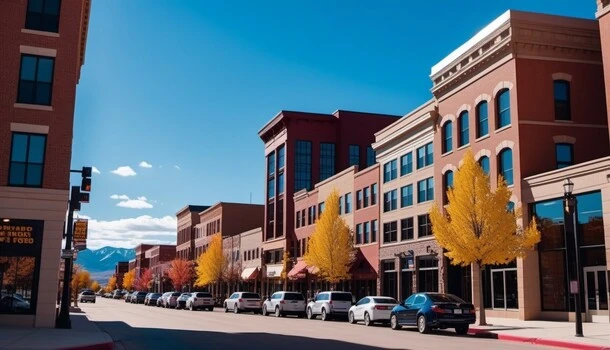
Weather in California
 !
!
For sale Flat, Spain 211 374 $
📌 A few apartments for sale in Cala de Finestrat - a cozy place between Benidorm and Vieijahoyosa with a...
 !
!
Buy flat, Turkey 167 241 $
ID AN 24382 Main Features: Location:Antalya District:Altintaş Type of property: Housing under construction Number of rooms: 1+1, 2+1
For Sale Real Estate in California
Flats in Beverly Hills

 4
4
 3
3
 308
308
 2
3
247
2
3
247
 2
3
264
2
3
264
Houses in Malibu


Do you want to buy real estate in California? We'll tell you where to start
Leave a request and we will select the 3 best options for your budget
International Real Estate Consultant
Houses in San Francisco
 2
3
225
2
3
225
 4
6
400
4
6
400
 4
6
447
4
6
447
Flats in San Francisco
 2
3
149
2
3
149
 3
3
188
3
3
188
 2
3
151
2
3
151
Houses in LA



Selection real estate in California in 15 minutes
Leave a request and we will select the 3 best options for your budget
🇺🇸 California homes for sale: city price comparisons, neighborhoods and closing costs
California’s coastline, cities and valleys have made it one of the world’s most liquid and diverse real estate markets. Buyers from private individuals looking for a second home to international investors seeking portfolio diversification come here for tech-driven job markets, iconic tourism, and a steady flow of long-term population growth. The practical benefits are clear: major airports such as LAX, SFO, SAN and SJC, interstates I‑5, US‑101 and I‑80, and extensive commuter rail networks support mobility; world-class universities and hospitals support human capital; and a mix of urban cores and master‑planned suburbs provides options across price tiers. If you want to buy property in California, you’ll find everything from beachfront condos in Santa Monica to single‑family homes in Sacramento and multi‑unit assets in the Inland Empire.
🌤️ Geography, climate and transport in California
California stretches from the temperate Pacific coast to the Sierra Nevada mountains and the Central Valley plains, offering microclimates that influence housing demand. Coastal cities like Los Angeles, San Diego and San Francisco enjoy a Mediterranean climate with mild winters and warm summers, while interior regions such as the Central Valley and the Mojave Desert have hotter summers and colder winters in elevated areas. Ski resorts in Lake Tahoe and Mammoth attract seasonal buyers; Napa and Sonoma appeal to wine country purchasers seeking rural estates.
Major transport nodes make properties accessible and investible across the state. Air connectivity is anchored by Los Angeles International (LAX) and San Francisco International (SFO), each handling tens of millions of passengers annually, while regional hubs such as San Diego International (SAN) and Sacramento International (SMF) support business and leisure travel. Rail and transit include BART in the Bay Area, Caltrain on the Peninsula, LA Metro in Los Angeles and commuter services serving Orange County and the Inland Empire.
Infrastructure extends beyond transport into education and health institutions that shape demand. Top universities — Stanford, UC Berkeley, UCLA, USC, Caltech, UC San Diego — anchor rental and owner markets for students and faculty. Medical centers such as UCSF, Cedars‑Sinai, UCLA Medical Center and Scripps drive demand for nearby residential neighborhoods. Business districts like Silicon Valley (Palo Alto, Mountain View), San Francisco Financial District, Downtown Los Angeles and Century City generate consistent housing needs from employed professionals.
📈 Economy and investment potential in California
California is the largest subnational economy in the United States, with a nominal GDP in the range of trillions of dollars, driven by technology, entertainment, trade and agriculture. The Bay Area’s concentration of tech giants and venture capital creates high‑income jobs and strong purchaser and renter demand, while Los Angeles hosts the entertainment industry, international trade through the ports of LA and Long Beach, and a growing tech sector. Inland regions rely on logistics, manufacturing and agriculture, supporting demand for workforce housing.
Tourism and migration are significant demand drivers. Coastal destinations and national parks draw domestic and international visitors measured in the hundreds of millions annually to the state overall, supporting short‑stay accommodation and hospitality investments. Net domestic migration trends fluctuate, but long‑term population remains about 39 million, sustaining housing demand across metropolitan areas and suburbs. Employment diversity — from high‑paying STEM roles in Silicon Valley to essential services in healthcare and logistics — buffers the market against single‑sector shocks.
Investors benefit from a deep capital market, established property management firms and REIT activity. Vacancy and rent dynamics vary by city: tech corridors show low vacancy and stable rents, while high entry price points mean gross rental yields can be modest. Long‑term capital appreciation has favored well‑located assets in coastal and Bay Area markets, while fast‑growing Sunbelt‑adjacent suburbs such as parts of the Inland Empire and Sacramento offer higher yields for lower upfront cost.
💶 Property prices in California by type and area
Prices vary widely across California depending on location, property type and market segment. Coastal and Bay Area assets command the highest per‑square‑foot prices, while inland suburbs and Central Valley towns offer lower entry points and higher yield potential.
- San Francisco / Peninsula: single‑family median often $1.2M–$2.0M+, condos $800k–$1.5M, price per sqft frequently $1,000+ in core neighborhoods.
- Los Angeles (city): single‑family median $900k–$1.5M, Westside and Beverly Hills well above this; condos and townhomes $600k–$1.2M.
- San Diego: median home prices commonly $700k–$1.1M, coastal pockets like La Jolla and Del Mar are premium.
- Orange County (Irvine, Newport Beach): single‑family $900k–$2M, master planned communities by The Irvine Company dominate supply.
- Sacramento: lower barrier with medians $400k–$600k, attractive for buyers seeking affordability.
- Inland Empire (Riverside, San Bernardino): single‑family $350k–$650k, popular with first‑time buyers and investors.
Price by property type (typical ranges):
- Studio/1‑bed condo in Bay Area: $500k–$900k.
- 3‑bed single family in LA suburbs: $800k–$1.8M.
- Luxury beachfront villa (Malibu, Newport): $3M–$50M.
- Multi‑unit apartment building in growth corridor: $5M+ depending on cap rate and location.
Market dynamics include constrained new supply in coastal cities, regulatory and entitlement timelines that extend project delivery, and localized demand spikes driven by corporate relocation or university enrollment. Developers and investors track employment growth, rental vacancy and new build starts to assess timing and yield.
🎯 Best districts and locations to buy property in California
Neighborhood selection determines both lifestyle and return profile. Silicon Valley towns — Palo Alto, Mountain View, Sunnyvale — prioritize proximity to tech campuses and produce strong long‑term appreciation but low yields. San Francisco neighborhoods like Mission District, SoMa, Pacific Heights offer centrality and rental demand but higher entry cost and regulations regarding short‑term rentals.
In Southern California, mixed opportunities exist:
- Downtown Los Angeles, Koreatown, West Hollywood for condos and rentals near jobs and amenities.
- Santa Monica, Venice, Malibu for beachfront, high‑net‑worth buyers and premium rental rates.
- Irvine, Newport Beach, Laguna Beach for family‑oriented master plans and top schools.
Emerging or value‑oriented districts:
- Sacramento Midtown and East Sacramento for affordability plus steady state government employment.
- Inland Empire submarkets (Ontario, Riverside) for logistics‑driven rental demand and new build affordability.
- Central Valley towns (Fresno, Bakersfield) for high yields on lower entry prices and agriculture‑driven local economies.
When searching for property for sale in California, consider transit access, school districts (e.g., LAUSD, San Diego Unified, Irvine Unified), and proximity to employers such as Google, Apple, Facebook, Disney, Qualcomm to match tenant pools and appreciation drivers.
🏗️ Major developers and projects in California
The California new‑build market includes national and local developers that shape inventory and offer installment opportunities for buyers. Major builders active across the state include Lennar, KB Home, Toll Brothers, The Irvine Company, Related California, Brookfield Residential, Shea Homes, Taylor Morrison, Greystar and Essex Property Trust. These firms handle single‑family communities, condos and large multi‑family projects.
Notable projects and urban redevelopments:
- Mission Rock (San Francisco) — waterfront mixed‑use development by Tishman Speyer and the San Francisco Giants.
- Hollywood Park / SoFi Stadium area (Inglewood) — large mixed‑use project that has transformed local demand.
- Irvine master‑planned communities by The Irvine Company — known for schools, parks and long‑term value retention.
- Large multifamily pipelines across Los Angeles and Orange County by AvalonBay, Related and Greystar focusing on institutional rental product.
Developers often provide warranties, model homes and sales offices, and in many master‑planned communities coordinate HOA governance and long‑term community assets. For new build property in California, buyers can expect staged releases, pre‑sale pricing, and sometimes promotional financing or interest‑free deposit schedules tied to construction milestones.
🏦 Mortgages and installment plans for property in California
Financing availability is broad but terms differ for foreigners and residents. US banks, mortgage brokers and private lenders offer conventional loans, FHA (for eligible residents), jumbo loans and portfolio products. Foreign buyers commonly secure financing with US‑based lenders or pay cash; typical loan‑to‑value for non‑resident investors is lower than for citizens.
- Typical down payment for foreigners buying property in California is 30%–50% for investment purchases; owner‑occupied cases may see 20% as a minimum if the lender accepts non‑resident applicants.
- Interest rates vary by credit, loan size and term; borrowers should shop between national banks and local credit unions for competitive terms.
- Developers frequently offer installment plans on new builds: deposit stages, construction draws and sometimes short interest‑free periods to the buyer.
For mortgages in USA for foreigners, documentation usually includes passport, visa or immigration status, proof of income, foreign tax returns or bank statements, and additional reserves. Institutional lenders may require US bank accounts and tax ID numbers. If you search for property in California with mortgage or property in California with installment plan, expect a mix of bank financing and developer financing on new developments; each option affects cash flow and closing timelines.
📝 Property purchase process in California — step by step
The standard purchase flow is transparent and governed by escrow and title industries. Begin with property selection, due diligence and pre‑approval when financing is involved. Offers are made in writing through an agent with contingencies for inspection, financing and appraisal as needed.
After an offer is accepted a typical sequence follows:
- Earnest money deposit (often 1%–3% of purchase price) is placed into escrow.
- Inspections (general, pest, roof, HVAC) and any negotiated repairs or credits are handled during the inspection contingency period.
- Lenders order an appraisal for financed deals; title company conducts a title search and prepares title insurance.
Closing involves finalizing funds, signing documents at escrow, recording the deed at the county recorder’s office, and transferring keys. Payment methods typically include wire transfers for escrow funds, cashier’s checks for closing balances and lender wires for loan funding. Ownership forms include fee simple (most common for detached housing), condominium ownership with HOA covenants, and rare cooperative or TIC arrangements in certain cities.
⚖️ Legal aspects and residence permits related to property in California
Buying property in California does not automatically grant residency, a visa or citizenship. The United States does not issue a residence permit simply for property purchase. Investors seeking immigration options related to capital investment generally look to federal programs such as the EB‑5 Immigrant Investor Program, which requires substantial investment in a job‑creating enterprise (minimum investment thresholds in the hundreds of thousands to over a million dollars depending on targeted area) rather than a simple home purchase.
Legal considerations for buyers include property taxes (Prop 13 limits assessment increases with owner occupancy rules), local transfer taxes, HOA fees for condos, and disclosure requirements such as seller property condition disclosures. Foreign investors should also be aware of FIRPTA obligations on sales and the need for Individual Taxpayer Identification Numbers (ITIN) for tax filings when receiving rental income or managing property.
If you are researching residence permit through property purchase in California or residence permit by real estate investment in California, note that direct pathways are not available; instead, structured business investments or EB‑5‑style projects are the recognized immigration channels. Citizenship by real estate investment in California is not a viable route — US citizenship follows immigration and naturalization processes, not property ownership.
🔍 Buyer scenarios and investment strategies for real estate in California
Different buyer profiles call for different locations and asset types. Families prioritizing schools and safety often choose Irvine, Palo Alto suburbs, parts of San Diego and Westside Los Angeles neighborhoods, accepting higher prices for school district quality and amenities. Remote workers and relocators may prioritize connectivity and lifestyle with towns like Santa Barbara, Carmel, or coastal Orange County.
Investors targeting rental income have several strategies:
- Long‑term residential rentals in Silicon Valley, San Francisco and Downtown LA for reliable occupancy but lower cap rates.
- Value play in Sacramento and Inland Empire for higher gross yields and lower acquisition costs.
- Short‑term rentals in vacation markets like Laguna Beach, Newport Beach, Palm Springs and Lake Tahoe, bearing in mind local STR regulations that can impact seasonality and revenue.
Scenarios by goal:
- Living and relocation: single‑family home near employment hubs or good schools.
- Rental income: multi‑unit or single‑family in strong renter markets; expect gross yields around 3%–6% depending on market.
- Long‑term appreciation: central Bay Area and prime coastal segments.
- Short‑term income and vacation use: coastal towns and resort areas where local ordinances permit STRs.
- Premium/personal luxury: Malibu, Beverly Hills, Napa Valley estates for lifestyle and ultra‑high‑net‑worth preservation.
Choosing between new build property in California and secondary market property in California requires balancing developer incentives, warranty protection and sometimes lower per‑unit costs on resale. Institutional buyers often prefer stabilized secondary market assets, while owner‑occupiers or those seeking modern amenities may prefer new construction with developer plans and staged payments.
California’s market rewards location, proper due diligence and alignment between financing structure and investment horizon. The state combines high‑quality universities, medical centers, global business hubs and a robust tourism base that keep demand diversified. If you are looking to buy property in California — whether as a private buyer, seasonal resident or international investor — your strategy should factor in tax implications, financing options and local regulations in each city or district, and lean on experienced local brokers, title companies and legal advisors to execute.
For direct assistance finding property for sale in California, comparing mortgage options, or assessing an installment plan and developer offers, working with a licensed California real estate professional will speed the purchase process and reduce risk. The market is deep, differentiated and complex; with the right location and structure you can match lifestyle, yield and long‑term growth objectives when you buy property in California.
Frequently Asked Questions
What are typical property prices in California?
Prices vary widely: statewide medians cluster around $700,000–$900,000. Bay Area metro often $1,000,000+, Los Angeles county ~$700,000–$1,000,000, coastal luxury homes commonly several million USD, and Central Valley/Inland Empire markets often $300,000–$500,000. Neighborhood, commute and school district drive large spreads.
Can foreigners buy property in California?
Yes. Non‑US citizens can purchase and hold real estate in California. Federal rules like FIRPTA require withholding on sales by foreign owners (commonly 15% of sale proceeds unless reduced). Foreign buyers face U.S. income tax on rental income and potential estate tax exposure—consult a U.S. tax advisor and attorney for structuring.
Is California good for real estate investors?
Strong rental demand in major metros and tech hubs; liquidity high in desirable areas. Typical gross rental yields: ~3%–6% statewide; cap rates often 2%–4% on coastal properties and 4%–8% inland. Vacancy rates in big cities commonly 3%–7%. Evaluate local rents, regulations, and operating costs before buying.
How long does a California purchase take to close?
Typical escrow/closing timeline is 30–45 days from accepted offer. Cash deals can close faster (7–21 days). Expect buyer closing costs of roughly 2%–5% of purchase price; sellers often pay 6%–10% (commissions plus fees). Title, inspections and loan underwriting affect timing.
How do California property taxes work?
Prop 13 limits annual assessed value growth to 2% until a change of ownership triggers reassessment to market value. Effective property tax rates typically total ~0.7%–1.25% of assessed value plus local assessments. Transfers may cause supplemental assessments; budget for annual taxes and local bonds/special districts.
What about earthquake and wildfire risks in California?
Risk is significant in many areas. Wildfire exposure and earthquake fault proximity affect insurance and resale. Earthquake coverage is separate, often with 10%–20% deductibles and premiums commonly $500–$3,000+/yr depending on location. Wildfire risk can raise premiums or limit coverage—inspect hazard maps and factor retrofit and mitigation costs ($5k–$50k+) into your budget.
Can non‑residents get a mortgage in California?
Yes, but terms differ. Foreign/non‑resident buyers commonly need 25%–40% down, higher documentation of assets, and lenders may charge higher rates or stricter qualifying rules. Expect longer underwriting timelines; prequalification can take 1–4 weeks. Shop multiple lenders and verify documentation requirements early.
Is California suitable for digital nomads or remote work?
Many cities offer fast broadband (100+ Mbps in urban areas, fiber in many neighborhoods), coworking and lifestyle amenities. Cost of living is high in coastal metros; long stays require proper visas or work authorization (tourist stays are limited). Suburban and smaller-city locations offer cheaper housing but variable transit and services.
Can I get residency or a visa by investing in California?
The U.S. does not offer a 'golden visa' specific to California. The EB‑5 immigrant investor program provides a pathway to a green card with qualifying investments typically in the ~$800,000–$1,050,000 range depending on target area and job‑creation rules; processing can take 1–5+ years. Other paths include employment or family‑sponsored visas.
What common pitfalls should buyers avoid in California?
Don't skip inspections or hazard checks (wildfire, flood, earthquake, septic). Underestimate insurance and mitigation costs, skip HOA document review, or ignore title and disclosure forms. Budget for maintenance (rule of thumb 1%–3% of property value annually), unexpected repairs, and potential supplemental property tax bills.
Property by cities
Real estate types in California
- Houses in California (46)
- Flats in California (28)
Real estate types by cities of California
Properties by Region
Properties by Country
- Real estate in Bulgaria (11437)
- Real estate in Montenegro (5337)
- Real estate in Spain (5198)
- Real estate in Indonesia (2424)
- Real estate in Portugal (2037)
- Real estate in Turkey (1917)
- Real estate in Croatia (1682)
- Real estate in Cyprus (1640)
- Real estate in Italy (1578)
- Real estate in Thailand (1565)
- Real estate in Greece (1119)
- Real estate in France (1070)
- Real estate in USA (732)
- Real estate in Georgia (507)
- Real estate in Serbia (246)
- Real estate in Slovenia (125)
- Real estate in Egypt (20)
Free real estate consultation in California
Don't know which area to choose in California? We will tell you in which areas it is better to live or invest, and show you the appropriate options.

Maria Guven
Head of Direct Sales Department
+90-507-705-8082