


Villa in Colorado
Do you want to buy villa in Colorado? We'll tell you where to start

Liliya
International Real Estate Consultant
Need help choosing a property?
Leave a request and our manager will contact you.
International Real Estate Consultant
Villa in Colorado
Do you want to buy villa in Colorado? We'll tell you where to start
Liliya
International Real Estate Consultant
Need help choosing a property?
Leave a request and our manager will contact you.
International Real Estate Consultant
Selection villas in Colorado in 15 minutes
Leave a request and we will select the 3 best options for your budget




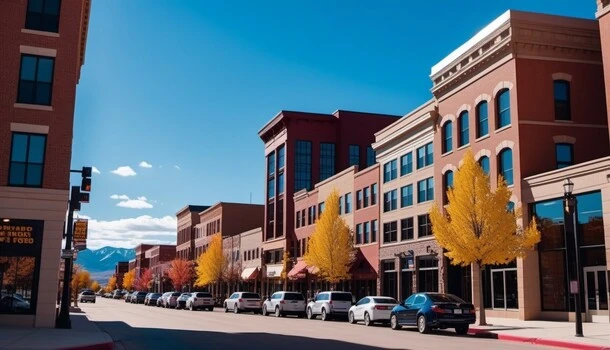
Weather in Colorado
 !
!
For sale Flat , Spain 210 447 $
📌 A few apartments for sale in Cala de Finestrat - a cozy place between Benidorm and Vieijahoyosa with a...
 !
!
Flat for sale , Cyprus 126 672 $
The new residential complex is located in the foothills of Alsanjak. The complex consists of two two-storey buildings. Block A - 12...
For Sale villa in Colorado
Didnt find the right facility?
Leave a request - we will handle the selection and send the best offers in a short period of time



Irina Nikolaeva
Sales Director, HataMatata
Selection villas in Colorado in 15 minutes
Leave a request and we will select the 3 best options for your budget
🇺🇸 Buying a villa in Colorado, USA — local market, costs and neighborhood considerations
Buying a villa in Colorado is not just about acquiring a property; it’s about investing in a lifestyle, rich with opportunities and a unique blend of natural beauty and vibrant communities. Colorado, known for its stunning landscapes, outdoor activities, and welcoming towns, offers buyers—whether private individuals or large investors—a diverse array of options in the villa market.
🏞️ Discovering the Allure of Colorado for Villa Purchases
Colorado's diverse geography ranges from the soaring Rocky Mountains to the picturesque plains, creating a varied climate that appeals to many. Cities like Denver, Boulder, and Colorado Springs are renowned not only for their breathtaking views but also for their robust infrastructures, including hospitals, schools, and shopping centers. The state is well-connected, with several major highways and an international airport in Denver, facilitating ease of access for residents and visitors alike.
The popularity of Colorado as a travel destination translates into a robust real estate market. The state experiences nearly 82 million visitors annually, showcasing its draw for both leisure and lifestyle. The villa market benefits from this, particularly in areas conducive to skiing, hiking, and other outdoor sports. Places like Aspen and Vail are major hotspots, attracting tourists who often consider purchasing second homes or investment properties.
Furthermore, the lifestyle in Colorado is heavily influenced by the outdoor culture. Residents enjoy hiking, skiing, and mountain biking, culminating in a sense of community that is often appealing to buyers looking for permanent or seasonal residences. The demand for villas reflects this lifestyle preference, with buyers actively seeking properties that offer both luxury and proximity to nature.
💰 Understanding the Economic Landscape of Colorado
The economy of Colorado is a thriving mix of technology, tourism, and agriculture, contributing to a GDP growth rate that consistently outpaces national averages. As of recent reports, the state has a strong job market with an unemployment rate significantly lower than the national average, prompting an influx of residents looking to relocate or invest in property.
The investment climate is appealing, with favorable tax conditions and a business-friendly environment. Colorado imposes moderate property taxes averaging around 0.55%, which is relatively low compared to other states. This, combined with a dynamic labor market, enhances the appeal of investing in a villa in Colorado, as property values are projected to appreciate alongside economic growth.
Tourist flows contribute to a stable rental market. The rental yield of villas varies, but on average investors can expect around 6% in popular areas. Investors are keen to capitalize on the increasing number of visitors, creating a favorable environment for short-term and long-term rentals alike.
💸 Breaking Down Prices for Villas in Colorado
When considering a villa in Colorado, it's vital to understand the diverse pricing landscape influenced by location, property features, and market dynamics. The average price of villas can significantly vary, with established locations typically commanding higher prices.
- Denver: Prices for villas range from $600,000 to over $2 million, depending on the neighborhood and proximity to downtown.
- Boulder: Known for its idyllic scenery and high demand, villas here can cost anywhere from $800,000 to $3 million.
- Aspen and Vail: Exclusive areas with luxury properties. Prices often range from $1 million to $10 million, catering to a high-end market.
🌆 Choosing the Right District for Your Villa Purchase in Colorado
Selecting the ideal district is crucial when buying a villa in Colorado. Here are some prominent locations that appeal to buyers:
-
Denver: Offers a diverse urban lifestyle with access to parks, cultural centers, and a strong job market. The Highlands neighborhood is particularly popular due to its scenic views and community vibe.
-
Boulder: Celebrated for its outdoor lifestyle and vibrant downtown, with a focus on sustainability. The Flatirons district offers spacious villas with breathtaking views, suiting those looking for both luxury and accessibility.
-
Colorado Springs: Home to the iconic Pikes Peak, this area boasts a lower cost of living than Denver while maintaining high-quality amenities. Areas like Cheyenne Mountain offer families spacious villas near excellent schools.
🏗️ Top Developers and Prominent Villa Projects in Colorado
In Colorado, several reputable developers specialize in villa construction, ensuring quality and innovative designs. Some notable companies include:
-
McStain Neighborhoods: Known for eco-friendly designs in the Boulder area, specializing in sustainable communities.
-
Toll Brothers: A national developer offering luxury villas throughout the Denver metro area, known for customization and premium finishes.
-
Thomas Sattler Homes: Focused on Colorado Springs, they are renowned for crafting villas with high-end amenities and stunning mountain views.
Each of these developers offers various formats, from single-family homes to townhome-style villas, catering to diverse buyer needs. Many developments also feature modern amenities and easy access to local attractions.
🏦 Mortgage and Financing Options for Foreign Buyers in Colorado
Buying a villa in Colorado can be a straightforward process, even for foreign buyers. Most banks in Colorado offer mortgages to foreign investors, although it often requires a larger down payment, usually around 30% of the property value.
- Mortgage rates typically range from 3% to 5%, depending on the financial institution and the buyer's creditworthiness.
- Alternatively, developers may offer installment plans, facilitating payments based on milestones in the construction process. This is especially common in new developments, allowing buyers to secure their investments while managing financial commitments over time.
📝 Step-by-Step Guide to Purchasing a Villa in Colorado
Navigating the purchase of a villa involves several key steps:
- Selection: Based on your needs, identify suitable neighborhoods and property types.
- Reservation: Once a property is chosen, a reservation form might be needed alongside a small fee to hold the property.
- Due Diligence: Perform inspections and assessments to ensure the villa meets expectations.
- Contract Signing: A legal agreement will be drafted, outlining all terms of the sale.
- Payment: The buyer will fulfill the payment agreements as laid out in the contract.
- Registration: The property title must be registered, which usually involves a notary and paying state fees.
Buyers should also budget for additional costs, including property taxes, maintenance fees, and the real estate agent's commission.
⚖️ Legal Considerations for Villa Ownership in Colorado
Owning a villa in Colorado entails understanding local regulations, especially regarding rental properties. Owners must secure permits for short-term rentals, which are regulated differently across municipalities such as Denver and Aspen.
- Property taxes on villas are generally low, but owners should be mindful of the annual rates.
- Purchasing a villa does not automatically grant a residence permit or citizenship; however, it may provide options for long-term residency depending on individual circumstances.
✅ Optimal Uses of Villa Purchases in Colorado
Buying a villa in Colorado can serve multiple purposes:
- Primary Residence: Ideal for families relocating or professionals seeking a vibrant community.
- Second Home: Many buyers opt for seasonal residences in areas like Vail, offering vacations while also benefiting from rental income when not in use.
- Real Estate Investment: With rising property values and strong rental yields, many investors see Colorado villas as lucrative opportunities.
Some regions are particularly favorable for seasonal homes, while others are better suited for lucrative rentals. For instance, Denver's vibrant city life can attract year-round residents, while mountain towns like Breckenridge shine in winter for seasonal visitors.
This multifaceted approach to choosing a villa in Colorado not only enhances your lifestyle but also secures a sound investment in a flourishing market, characterized by its unique blend of natural beauty and economic growth prospects. The villa market in Colorado continues to show promise, evolving alongside the dynamic environment that attracts residents and investors alike.
Frequently Asked Questions
Villa prices in Colorado vary widely by market: non‑resort suburbs often start around $300,000–$700,000; typical suburban 3–4 bed villas $400,000–$900,000; mountain ski towns commonly $1,000,000–$5,000,000; luxury ski or estate properties can exceed $5,000,000 (many go well higher). Benchmarks depend on town, elevation and amenities. Prices quoted in USD.
U.S. long‑stay options include visitor visas/ESTA, work visas (e.g., H‑1B), family‑based green cards, and investor routes (EB‑5 or treaty investor E‑2 where eligible). Owning a villa in Colorado is generally a separate, passive asset and does not itself grant residency; investor visas require a qualifying business or large capital with job creation. Consult an immigration attorney for individual rules.
Colorado offers strong outdoor lifestyle, good healthcare in Denver/Boulder and many regional hospitals, and varied public schools by district. Public transit is best in Denver metro; rural areas need a car. Broadband is widely available in towns but can be limited in remote mountain locations. Many remote workers thrive in Denver, Boulder or resort towns with coworking; consider winter access and altitude.
Short‑term rental rules vary by city and county; mountain resort towns often require permits, limit nights or cap licenses. Demand is seasonal (ski and summer). Nightly rates commonly range from $100 to $2,000+ depending on location and size. Expect permitting and compliance steps that can take weeks to months; check local ordinances and tax requirements before listing.
Effective property tax rates in Colorado commonly run about 0.5%–0.9% of assessed value annually (varies by county and levies). HOA fees vary widely: small communities may be $200–$500/month; resort condo or full‑service communities often $500–$2,000+/month. Always check county assessor values and HOA budgets when budgeting in USD.
Wildfire exposure raises premiums, deductibles and mitigation requirements. Annual homeowners insurance premiums for Colorado villas typically range from $1,000 to $5,000+ depending on location and risk factors; in high‑risk areas costs can be higher or coverage limited. Insurers may require defensible‑space measures and retrofits to maintain coverage.
Yes—U.S. lenders can finance non‑residents, but expect larger down payments (commonly 25%–40%), stricter income documentation, and possibly higher rates. Loan terms such as 30‑year fixed are available, though terms vary by lender. Many foreign buyers also use cash purchases; verify underwriting and tax reporting requirements early in the process.
Essential inspections: structural/foundation (frost heave), roof/snow load, HVAC, plumbing, electrical, chimney, radon, septic and well systems, pest/wood‑destroying organisms, and tree/fuel‑buffer assessment. Schedule inspections during your due‑diligence period (commonly 7–14 days); typical closing timelines run 30–60 days after contract acceptance.
Yes. Water rights in Colorado are separate from surface land and may require adjudication; new wells need county/state permits. Rural lots often need septic permits, access road and setback approvals, and may carry mineral rights or conservation easements. Zoning, building permits and wildfire mitigation requirements vary by county—verify with local planning offices before buying.
Rental demand is highly seasonal: ski season (typically November–April) is peak for winter resorts, summer (June–August) draws hikers/visitors, and shoulder months (May, September–October) are quieter. Peak nightly rates and occupancy can be 2x–4x higher than off‑season; expect occupancy swings and plan for months with much lower revenue.
Properties by Region
Properties by Country
- Real estate in Bulgaria (11408)
- Real estate in Montenegro (5360)
- Real estate in Indonesia (2423)
- Real estate in Spain (2289)
- Real estate in Portugal (1975)
- Real estate in Italy (1897)
- Real estate in Turkey (1699)
- Real estate in Cyprus (1590)
- Real estate in Thailand (1565)
- Real estate in Croatia (1431)
- Real estate in Greece (1082)
- Real estate in USA (1013)
- Real estate in France (1006)
- Real estate in Georgia (519)
- Real estate in Serbia (328)
- Real estate in Slovenia (123)
- Real estate in Egypt (23)
Free real estate consultation in Colorado
Don't know which area to choose in Colorado? We will tell you in which areas it is better to live or invest, and show you the appropriate options.

Maria Guven
Head of Direct Sales Department
+90-507-705-8082