


House in USA


Choosing a property in USA for your request
- 🔸 Reliable new buildings and ready-made apartments
- 🔸 Without commissions and intermediaries
- 🔸 Online display and remote transaction

International Real Estate Consultant
Need help choosing a property?
Leave a request and our manager will contact you.
International Real Estate Consultant






Weather in USA
For Sale house in USA
Houses in New York



Houses in California



Choosing a property in USA for your request
- 🔸 Reliable new buildings and ready-made apartments
- 🔸 Without commissions and intermediaries
- 🔸 Online display and remote transaction
International Real Estate Consultant
Houses in Other regions of the United States

 4
4
 3
3
 178
178
 3
2
148
3
2
148
 3
4
137
3
4
137
Houses in Florida
 3
2
243
3
2
243
 3
2
239
3
2
239
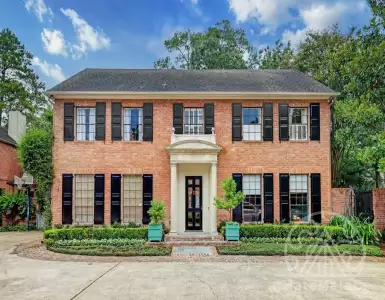
House in USA
Choosing a property in USA for your request
- 🔸 Reliable new buildings and ready-made apartments
- 🔸 Without commissions and intermediaries
- 🔸 Online display and remote transaction
International Real Estate Consultant
Need help choosing a property?
Leave a request and our manager will contact you.
International Real Estate Consultant
Individual selection houses in USA
Save time — for free we will select objects for your budget and goals
🇺🇸 USA homeownership: mortgage rates, closing costs and regional price trends
Buying a house in the USA is a strategic decision shaped by geography, infrastructure, local markets and personal goals. From buying coastal estates in Florida and California to single‑family suburban homes in Texas and the Southeast, buyers and investors face diverse product types, regulatory regimes and financing options. This overview is for private buyers, families, seasonal homeowners and institutional or individual investors considering a House in USA, and explains where demand is strongest, how prices behave, financing rules for non‑residents, legal steps and realistic expectations for returns and costs.
📍 Factors shaping demand for House in USA
Location, climate, transport hubs and economic activity determine appeal and liquidity for a House in USA. Coastal metro areas that combine global airports, ports and strong job markets—New York, Los Angeles, Miami, San Francisco Bay Area—show consistent demand for high‑value houses, while inland Sunbelt metros like Dallas, Houston, Phoenix, Orlando deliver volume, lower entry prices and rapidly rising demand due to migration and job growth. Climate considerations such as hurricane zones in Florida or wildfire risk in California influence insurance costs and buyer decisions.
Infrastructure and connectivity shape daily life and rental economics: proximity to major airports (JFK, LAX, MIA, Hartsfield‑Jackson Atlanta), interstates (I‑95, I‑10, I‑40), rail corridors and newly expanded ports support both residential demand and short‑term rental markets. The presence of leading universities (Harvard, Stanford, University of Texas), tech campuses (Silicon Valley, Seattle, Austin) and medical complexes (Houston‑Texas Medical Center, Boston) creates sustained housing demand for employees and students, improving liquidity and rental prospects.
Local planning and supply constraints—zoning, coastal building limits, environmental regulations—drive scarcity in gateway cities and create opportunity in under‑supplied suburbs and master‑planned communities. Buyers should weigh commute times, school districts, HOA rules and flood zones against expected Rental yield for house in USA and long‑term appreciation when selecting a market.
🌐 Economy and investment climate in USA affecting House purchases
The broad US economy supports a deep and liquid residential market, with a national GDP exceeding $20 trillion and diversified sectors from technology and finance to energy and tourism. Economic resilience in major metros underpins demand for a House for sale in USA, while business relocations to Sunbelt cities have redirected population flows and housing demand, enhancing ROI prospects in those regions.
Taxation and regulatory policy vary by state and influence net returns: some states (Florida, Texas) have no state income tax, improving after‑tax yields for owners and renters, while states with higher property tax burdens change cashflow calculations. Average effective property tax nationally is around 1.1% of assessed value, but ranges widely and must be accounted in projections for Investment house in USA and ROI on house in USA calculations.
Tourism and business travel create robust short‑term rental markets in places like Orlando, Miami Beach, Las Vegas, and parts of California, supporting higher gross yields but subject to local short‑term rental restrictions. Liquidity and exit options are driven by local employment growth, so investors track metrics such as job growth, migration inflows and hotel occupancy rates to model future appreciation and rental demand.
💶 Price ranges and market dynamics for House in USA
Price dispersion in the US market is wide; buyers can find modest starter homes and multi‑million dollar estates in the same metropolitan area. Below are representative price ranges and formats observed across primary markets, with typical parcel sizes and demand profiles.
- New York (Manhattan/outer boroughs): townhouses and single‑family homes $700,000–$50,000,000, condos in Manhattan often start $1,500,000 for smaller units; suburban Long Island and Westchester single‑family homes $600,000–$3,000,000.
- Los Angeles / Beverly Hills: single‑family houses $900,000–$25,000,000 depending on neighborhood; Malibu and Bel Air premium estates exceed $50,000,000.
- San Francisco Bay Area: typical single‑family homes $1,200,000–$5,000,000, tech‑corridor demand drives price per square foot upward.
- Miami / South Florida: waterfront houses and villas $600,000–$20,000,000+; suburban single‑family homes $400,000–$1,500,000.
- Sunbelt cities (Dallas, Houston, Phoenix, Orlando, Tampa, Charlotte, Atlanta): single‑family homes commonly $250,000–$900,000, new‑build subdivisions often $300,000–$600,000.
Market dynamics and formats:
- New developments by national builders: Lennar, D.R. Horton, PulteGroup, KB Home — entry prices $300,000–$700,000 in growth markets.
- Luxury and waterfront projects by developers such as Related Companies, Extell, Howard Hughes Corporation — premium pricing and constrained supply.
- Resale single‑family homes in suburbs show strong demand from families seeking space and good schools, supporting faster sales and competitive bidding.
Typical transaction costs and ongoing expenses:
- Closing costs and fees 2–5% of purchase price depending on mortgage and state.
- Property taxes as noted above and HOA fees variable by community.
- Insurance and flood insurance premiums can add materially in coastal or high‑risk zones.
🚆 Which regions and cities in USA to choose when you buy house in USA
Different buyer goals point to distinct cities and regions: long‑term capital appreciation, rental cashflow, seasonal use or premium lifestyle ownership. Consider infrastructure, rental demand, foreign buyer appeal and price entry points.
- New York City area: unmatched global finance and cultural infrastructure; highest liquidity for luxury and strong long‑term capital preservation; rental demand robust but yields lower; attractive to international buyers from Europe and Asia.
- Miami / South Florida: strong international buyer base (Latin America, Europe); tourism and seasonal demand create excellent short‑term rental potential; international airports (MIA, FLL) and cruise ports support occupancy.
- Los Angeles / Orange County: entertainment and tech employment drive luxury home demand; West Coast infrastructure and ports attract high net worth buyers.
- Sunbelt (Dallas‑Fort Worth, Houston, Phoenix, Orlando, Tampa, Charlotte, Atlanta): job growth, affordable land, new master‑planned communities and favorable tax regimes; higher gross Rental yield for house in USA and lower entry price for investors.
Transport and infrastructure advantages:
- Major airport hubs: JFK, LAX, MIA, ATL, SFO enhance global connectivity.
- Port expansions and logistics corridors increase demand in gateway metro areas for housing tied to trade and services.
- Reliable public transit and highways (e.g., Bay Area BART extensions, Texas tollways) influence suburban premiums and commuting patterns.
🏗️ Leading developers and projects offering House in USA
Market participants range from national production builders to global developers and specialized luxury houses. Recognizing reputable names helps assess quality, warranties and resale potential.
- National homebuilders: Lennar, D.R. Horton, PulteGroup, KB Home, Toll Brothers — deliver suburban single‑family and townhome communities with standardized specifications and financing options.
- Institutional and luxury developers: Related Companies (Hudson Yards), Extell Development Company (One57, Central Park Tower), Howard Hughes Corporation (Summerlin master plan), Hines and Brookfield — known for large mixed‑use and premium residential projects.
- Florida and regional specialists: The Related Group (Miami condos and waterfront projects), Terra Group (Miami developments), Howard Hughes (master‑planned communities in Nevada and Texas).
Representative projects and product types:
- Hudson Yards (NYC) — mixed‑use luxury housing with retail and transit links.
- Summerlin (Las Vegas) — master‑planned community with schools, parks and retail.
- Brickell City Centre (Miami) — high‑density urban living near transit and retail.
- Builder communities by Lennar or D.R. Horton offering new‑build single‑family homes with standard lot sizes 1,800–3,000 sq ft.
🏦 Mortgage USA for foreigners and house in USA with mortgage or installment plan
Foreign buyers commonly finance purchases but face stricter underwriting. Major US banks and international lenders provide options, and some developers offer installment plans for new builds.
Typical mortgage and down payment conditions:
- Down payments for non‑residents usually 20–30% for primary mortgages; for larger loans or investment purchases down payments can be 30–50%.
- Lenders require proof of income, foreign credit references or US credit history, passport, visa status or ITIN, bank statements and tax returns.
- Interest rates for foreigners are generally higher by 0.5–2.0 percentage points over comparable domestic rates; terms available include 15‑year or 30‑year fixed and adjustable‑rate options.
Banks and developer finance:
- Major lenders such as Bank of America, Wells Fargo, JPMorgan Chase, Citibank, HSBC consider non‑resident mortgage applications with stricter documentation.
- Builder financing and staged deposits common for new homes; developers like Lennar or Toll Brothers also offer construction‑to‑permanent financing and in‑house incentives for qualified buyers, enabling a house in USA with installment plan in some cases.
Other financing considerations:
- Cash purchases are common among foreign buyers to avoid mortgage rate premiums and speed closing.
- Mortgage approval timelines and appraisal requirements add 2–6 weeks to the purchase process; foreign buyers should plan for translation and notarization of documents.
📝 Legal process to buy house in USA including registration and closing
Understanding the transactional steps minimizes surprises and ensures compliance. The Legal process to buy house in USA varies by state but follows a typical sequence with checks and safeguards.
Step‑by‑step overview:
- Pre‑approval and budget planning including house purchase costs in USA (down payment, closing costs, inspections).
- Offer and contract: purchase agreement with contingencies (inspection, financing) followed by escrow deposit; in some states offers are negotiated through MLS and buyer agents.
- Due diligence: property inspection, pest inspection, appraisal (if financing), and a title search to confirm ownership and reveal liens; title insurance is standard to protect buyer and lender.
Closing and registration:
- Escrow/closing agent manages funds; closing documents executed and deed recorded with county recorder; typical closing timeline is 30–60 days from accepted offer.
- Notary role: most closing documents are notarized; some states use attorney closings, others use escrow agents.
- Taxes and fees are settled at closing: transfer taxes, recording fees and prorated property taxes; ongoing obligations then commence.
⚖️ Property taxes in USA for foreigners and legal ownership rules
Foreign ownership is straightforward but carries taxation and regulatory responsibilities; buyers should model net income after local and federal obligations.
Taxation and reporting:
- Property taxes in USA for foreigners are levied by counties and municipalities and typically paid annually; effective rates vary by state and can materially impact yield.
- Rental income is taxable in the US; non‑resident owners must file US tax returns and can elect to treat rental activity as effectively connected with a US trade or business or under a withholding regime. Capital gains on sale are subject to US taxation and the FIRPTA withholding rules may apply to foreign sellers.
- Short‑term rental operations may trigger local licensing, transient occupancy taxes and safety compliance; cities like New York, Miami Beach, San Diego and Los Angeles have explicit constraints on short‑term rentals.
Residency and visas:
- Buying real estate does not automatically confer a residence permit or citizenship; Residence permit through house investment in USA and Golden visa through house investment in USA are not available as property‑based pathways in US immigration law.
- US immigration routes that involve investment, such as the EB‑5 program, require capital invested in job‑creating business enterprises rather than passive residential purchases. Buyers planning immigration should consult US immigration counsel.
🏡 Which purposes is buying House in USA suitable for and recommended locations
Different buyer objectives map to different locations and property types; matching purpose to market lowers risk and improves outcomes.
- Living and relocation: tech and corporate hires often target San Francisco Bay Area, Seattle, Austin, Boston for career proximity; suburban single‑family homes with good school districts in Irvine (Orange County), Reston (VA) or Plano (Dallas‑area) suit families.
- Seasonal residence and vacation homes: Florida coasts (Naples, Palm Beach, Miami), Arizona’s Scottsdale, and mountain resorts like Aspen or Vail for premium second homes.
- Rental and short‑term investment: Orlando, Tampa, Las Vegas, Miami offer strong tourist flows and potential higher gross yields, though regulatory constraints must be checked.
- Long‑term investment and capital appreciation: gateway cities (NYC, San Francisco, Los Angeles) for capital preservation and premium liquidity; Sunbelt metros (Charlotte, Atlanta, Phoenix, Dallas, Houston) for lower entry prices and higher ROI on house in USA potential.
Property types by purpose:
- Single‑family detached homes for families and long‑term rentals.
- Townhomes and condominiums near transit for urban professionals.
- Luxury waterfront estates for lifestyle buyers and high‑net‑worth investors.
Market prospects and outlook US housing prospects remain shaped by ongoing population migration, infrastructure investment and divergent supply dynamics between constrained coastal markets and fast‑growing Sunbelt metros. Demand from domestic buyers combined with selective international interest continues to support price resilience in gateway cities while offering higher yield and growth upside in expanding regions such as Austin, Charlotte, Orlando and Phoenix. For buyers and investors evaluating a House in USA, careful selection of location, realistic underwriting of house purchase costs in USA and taxes, and alignment of financing strategy—whether house in USA with mortgage or a cash purchase—are critical to achieving target Rental yield for house in USA and acceptable ROI on house in USA.
Frequently Asked Questions
Typical national price bands: $150,000–$400,000 in many affordable markets; $400,000–$800,000 in larger metro areas; $800,000+ in high-cost coastal cities. A common benchmark is a mid‑hundreds of thousands USD; local neighborhood, size and condition cause wide variation across the USA.
USA paths include immigrant family or employment visas, and investor routes (EB‑5, treaty E‑2) or work visas (H‑1B, L‑1). Buying a personal house alone normally won’t qualify; EB‑5/E‑2 require business investments and job creation, often costing hundreds of thousands to over $500k–$1M USD. Visa approval depends on immigration rules, not property ownership.
USA offers varied quality of life: low‑cost areas with $1,500–$3,000 monthly living costs and high‑cost metros $3,000–$7,000+. Healthcare is costly without insurance; schools vary by district; public transport is limited outside cities; broadband is widely available. Many locations suit digital nomads/remote workers, but visa and health insurance remain key factors.
Yes — many US lenders finance nonresidents but require larger down payments (typically 25%–50%), stronger documentation (passport, income proof, ITIN in some cases) and may charge higher rates. Loan terms often 15–30 years; loan‑to‑value for foreign buyers commonly 50%–75%. Terms vary by lender and state across the USA.
Buyers face closing costs (commonly 2%–5% of price), state/local transfer taxes (0%–4% of price depending on location) and ongoing property tax (roughly 0.3%–2.5% of assessed value annually). Nonresident sellers may face FIRPTA withholding (often 10%–15% of sale). Tax rules vary by state and municipality in the USA.
Rental income in the USA is taxable federally (individual brackets up to ~37%) plus possible state tax (0%–~13%). Owners may deduct expenses, mortgage interest, depreciation and operating costs. Nonresident owners face withholding rules and must file US tax returns; specifics and effective rates depend on elections and state rules.
Expect buyer closing costs of about 2%–5% of the purchase price in the USA. Typical items: loan origination, appraisal, title search and insurance, recording fees, and prepaid property taxes/insurance. For a $300,000 house, budget roughly $6,000–$15,000, though exact fees vary by state and lender.
Yes. A professional home inspection in the USA typically costs $300–$800 and can reveal structural, roofing, electrical or plumbing issues. Specialized tests (radon, mold, pest) add $50–$300. Inspections support negotiation, repair requests or contingency removal and reduce unexpected repair costs after purchase.
Title searches and title insurance protect buyers and lenders in the USA against ownership defects, liens or fraud. Owner’s policy costs are typically a one‑time premium around 0.5%–1% of purchase price; lenders require a lender’s policy. Title insurance reduces risk of costly legal disputes over title after closing.
From accepted offer to closing commonly takes 30–60 days in the USA. Cash purchases can close in 7–21 days; mortgage approvals, appraisals and inspections add time. Contingencies, title issues or remote buyer logistics can extend the timeline beyond 60 days.
Properties by Region
Properties by Country
- Real estate in Bulgaria (11408)
- Real estate in Montenegro (5367)
- Real estate in Indonesia (2423)
- Real estate in Spain (2289)
- Real estate in Portugal (1975)
- Real estate in Italy (1893)
- Real estate in Turkey (1699)
- Real estate in Cyprus (1588)
- Real estate in Thailand (1565)
- Real estate in Croatia (1431)
- Real estate in Greece (1080)
- Real estate in USA (1013)
- Real estate in France (1006)
- Real estate in Georgia (519)
- Real estate in Serbia (328)
- Real estate in Slovenia (123)
- Real estate in Egypt (23)
Don't know where to start buying a property in USA?
Leave a request and receive free advice on prices, taxes, residence permits and the real estate market. in USA.

Maria Guven
Head of Direct Sales Department
+90-507-705-8082