


Real Estate in Illinois
Do you want to buy real estate in Illinois? We'll tell you where to start

Liliya
International Real Estate Consultant
Need help choosing a property?
Leave a request and our manager will contact you.
International Real Estate Consultant
Real Estate in Illinois
Do you want to buy real estate in Illinois? We'll tell you where to start
Liliya
International Real Estate Consultant
Need help choosing a property?
Leave a request and our manager will contact you.
International Real Estate Consultant
Selection real estate in Illinois in 15 minutes
Leave a request and we will select the 3 best options for your budget




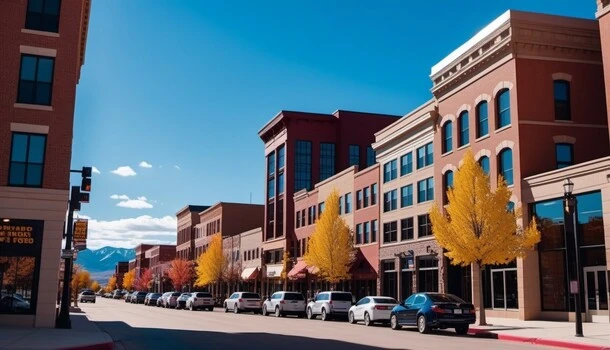
Weather in Illinois
 !
!
For sale Flat , Spain 210 524 $
📌 A few apartments for sale in Cala de Finestrat - a cozy place between Benidorm and Vieijahoyosa with a...
 !
!
Flat for sale , Cyprus 127 033 $
The new residential complex is located in the foothills of Alsanjak. The complex consists of two two-storey buildings. Block A - 12...
For Sale Real Estate in Illinois
Didnt find the right facility?
Leave a request - we will handle the selection and send the best offers in a short period of time



Irina Nikolaeva
Sales Director, HataMatata
Selection real estate in Illinois in 15 minutes
Leave a request and we will select the 3 best options for your budget
🇺🇸 Illinois real estate buying: market trends, median home prices, property taxes
Buying property in Illinois opens doors to one of the most diverse real estate markets in the United States — from Chicago’s high-rise condo towers to Naperville family homes, university rental markets in Champaign-Urbana, and boutique vacation houses in Galena. Illinois combines major transport hubs, deep labor markets, top-tier universities, and clear legal processes that international buyers and investors value. Whether you are looking to buy property in Illinois for residence, rental income, or portfolio diversification, this guide walks you through geography, economics, pricing, neighborhoods, developers, financing, purchase steps, legal realities, and realistic investor scenarios.
🌦️ Geography, climate and transport accessibility in Illinois
Chicago sits on Lake Michigan and forms the core of a metro region of more than 9.5 million people with easy access to inland Illinois, upstate suburbs and cross-state corridors. The state’s geography ranges from lakefront urban density to prairie and river valleys in central and southern Illinois, offering varied property types from waterfront condos to large suburban lots.
Illinois has a continental climate with cold winters and warm, humid summers; lake-effect moderates temperatures in Chicago while downstate areas see more extreme seasonal swings. Major transport arteries include O’Hare International Airport (over 80 million passengers annually), Interstates 90, 94, 55, and 80, and the nation’s freight rail crossroads.
Public transport in the Chicago region includes CTA rapid transit, 11 Metra commuter lines, and Amtrak intercity service; suburbs such as Oak Park, Evanston and Naperville have commuter rail stations that reduce commuting times to downtown. Healthcare infrastructure includes Northwestern Memorial, UChicago Medicine, Rush University Medical Center, and a dense network of regional hospitals across Cook, DuPage and Lake counties.
💶 Property prices in Illinois
Chicago metro values vary widely by neighborhood and property type, with strong premium pockets and large affordable suburbs. Median single-family home prices in the Chicago metro typically range from $250,000 to $600,000, with downtown condo medians higher in premium submarkets.
Suburban and regional price examples:
- Naperville: median single-family home $450,000–$700,000.
- Evanston: condos and small homes $300,000–$850,000 depending on proximity to lake and Northwestern.
- Champaign-Urbana: student rental-friendly properties $150,000–$300,000.
- Springfield and Peoria: affordability markets $120,000–$220,000.
Market dynamics show steady demand for multi-family and single-family rental units, constrained new build supply in central Chicago, and rising interest in outer suburbs for family buyers seeking school districts and lot sizes.
🎯 Best areas in Illinois to buy property by buyer goal
Chicago Downtown and Near North (Gold Coast, River North, West Loop) suit premium buyers seeking urban lifestyle, employment hubs and corporate tenants.
Suburbs like Naperville, Hinsdale and Oak Brook are top for family buyers and offer high-rated school districts, low crime rates and single-family inventories.
University and student-driven markets — Champaign-Urbana (University of Illinois), Evanston (Northwestern), Urbana — produce stable rental demand and typical gross yields of 5–8% on well-managed units.
🏙️ Key districts and locations across Illinois with specifics
Chicago neighborhoods to watch:
- West Loop/Fulton Market — tech and food industry hub with new office conversions by Sterling Bay and robust condo demand.
- River North/Gold Coast — luxury condos, walkable retail, and proximity to Lake Michigan.
- South Loop — conversion projects and growing residential towers near parks.
Suburban and regional hotspots: - Naperville (DuPage County) — high-quality public schools and strong resale values.
- Evanston (Cook County) — lakeshore, Northwestern University, strong rental market.
- Champaign-Urbana (Champaign County) — student housing demand driven by University of Illinois.
Each district comes with measurable infrastructure: Metra stops, proximity to I-90, and access to major hospitals and university campuses.
🏗️ Major developers and notable projects in Illinois
Related Midwest is a dominant developer in Chicago, responsible for large mixed-use initiatives such as The 78 along the river.
Sterling Bay transformed Fulton Market and has mixed-use campus projects supporting tech tenants; Magellan Development Group and John Buck Company have led riverfront towers including Wolf Point developments.
Other active national and international developers include Hines, Lendlease, McCaffery Interests, and boutique local builders focused on townhouse and infill luxury condos. Developers often pair pre-sales with structured deposit schedules and phased closings.
💳 Mortgages and installment plans for foreigners
Foreign buyers can obtain a mortgage in the USA, but terms differ from those for residents. Typical conditions for non-resident buyers include:
- Down payments commonly 25–50% of purchase price depending on lender and property use.
- Interest rate ranges for foreign borrowers often sit 0.5–1.5 percentage points above resident rates, producing typical mortgage rates in the 4–7% band depending on term and credit.
- FHA loans are generally not available to non-permanent residents; portfolio and jumbo lenders fill the gap for international clients.
Developers in Illinois frequently offer interest-free installment plans on new build property in Illinois during pre-construction phases or staged closings; these can reduce initial cash outlays and are common for condo presales.
📋 Property purchase process in Illinois — step-by-step
Engage a licensed real estate agent and a real estate attorney to vet offers, title, and local ordinances.
Secure financing with pre-approval from a US or international lender; for foreign buyers this includes passport, tax returns, proof of funds and sometimes local US bank accounts.
Make an offer; when accepted, the buyer typically places an earnest money deposit, completes inspections and appraisal, and works with a title company to clear title. Closing involves signing documents, paying closing costs (typically 2–5% of purchase price), and recording the deed at the county recorder’s office.
⚖️ Legal aspects, residence permits and citizenship through property
Homeownership in Illinois does not automatically grant immigration status; there is no residence permit through property purchase in Illinois or citizenship by real estate investment in Illinois.
Pathways for residency related to investment include EB-5 immigrant investor program (investment thresholds typically $800,000 in targeted employment areas or $1,050,000 otherwise) and non-immigrant investor routes such as E-2, available only to citizens of treaty countries.
Buyers considering “how to get a residence permit in USA through property” should plan combined immigration and investment strategies with US immigration counsel; typical real estate purchases for personal or rental use do not satisfy EB-5 or investor visa requirements on their own.
🔍 Market dynamics, demand trends and economic backdrop
Illinois has a broad economy with state GDP near $1.0 trillion and a population around 12.7 million, anchored by finance, manufacturing, healthcare, education and logistics.
Chicago’s corporate presence (banks, exchanges, tech offices) and universities drive consistent housing demand; tourism to Chicago attracts tens of millions of visitors annually, sustaining short-stay and hospitality-related investment in select locations.
Current market trends show growing demand for suburban single-family rentals, a steady appetite for downtown condos by domestic and international buyers, and constrained new supply in prime urban neighborhoods increasing long-term value potential.
📈 Investment advantages and buyer scenarios for Illinois real estate
Illinois suits buyers seeking diversified returns: urban condo investors can access corporate tenants and long-term appreciation near business districts; suburban single-family owners benefit from family-oriented demand and school-driven price resilience.
Investor scenarios and suggested property types:
- Living and relocation: Evanston, Naperville, Oak Brook for schools and transport.
- Rental income: Champaign-Urbana and near-campus neighborhoods for student housing; Logan Square or South Loop condos for young professionals.
- Long-term capital growth: West Loop, River North, Fulton Market where office-to-residential conversions and corporate relocations stimulate demand.
- Short-term or seasonal use: Galena and other resort towns in northwest Illinois provide boutique vacation rental opportunities with local permitting considerations.
Expected gross rental yields vary by asset and location, typically 3–7%, with student and family rentals skewing higher and central luxury condos lower but offering better appreciation potential.
Buying property in Illinois requires local knowledge, tax and title diligence, and realistic expectations about financing for non-resident buyers, but the market offers diversity: high-end urban condominiums in Chicago, family suburbs with strong schools, student rental corridors, and affordable regional markets for yield-focused investors. If your goal is to buy property in Illinois for residence, rental income, or portfolio diversification, engage a local broker, secure lender pre-approval, and speak with immigration counsel if residency is a concern — these steps will make a complex market navigable and productive for international buyers and private purchasers alike.
Frequently Asked Questions
Median single-family prices vary: statewide medians run around $220,000–$280,000; Chicago metro medians typically sit higher, roughly $300,000–$380,000. Luxury downtown and lakefront units can command much higher prices. Prices vary by neighborhood, school district and commute to Chicago; expect wider gaps between urban, suburban and rural markets.
Yes. Non-U.S. citizens can purchase real estate with no special ownership restrictions. Expect higher down payments (commonly 20–30%), stricter lender checks, and possible FIRPTA withholding on future sales. Obtain an ITIN or SSN for tax reporting and mortgage; work with a local attorney and tax advisor for closing and filing requirements.
Gross yields range by market: prime Chicago neighborhoods often 3–6% gross, secondary cities (Rockford, Peoria) 6–10%, smaller towns 8–12%. Vacancy and operating costs affect net yields; expect lower liquidity in small towns and faster turnover in Chicago. Stronger cashflow often found outside major metros.
Yes—options vary. Chicago area offers extensive public transit, highways, major airports, top hospitals and high-rated suburban schools. Smaller cities provide lower costs and shorter commutes. Average commutes commonly 25–35 minutes. Healthcare and school quality vary by county; research districts and local services before buying.
Cities and suburbs have reliable broadband (100–1,000+ Mbps in urban areas); rural zones may rely on fixed wireless or DSL. Cost of living is moderate; many cities offer cafés, coworking and long-stay rentals. Winters are cold and can affect mobility—factor seasonality into long-stay plans and visa/immigration limits for extended stays.
No. Real estate ownership in Illinois does not grant U.S. residency or citizenship. Immigration routes include visas (E-2 for treaty investors, nonimmigrant visa types) or immigrant-investor programs (EB-5), which typically require substantial capital—roughly $800,000–$1.05M depending on program details. Consult an immigration lawyer for eligibility.
Expect closing costs of ~2–5% of sale price (title, recording, inspections). Illinois state transfer tax is about $0.50 per $500 (0.1%); local/municipal taxes may add more. Property taxes commonly range ~1.5–3.5% of assessed value; state income tax is a flat ~4.95%. Typical closing timeline: 30–60 days. Foreign sellers may face FIRPTA withholding.
Rules are local. Chicago and many suburbs require registration/permits and limit whole‑unit short‑term rentals; some areas ban them. Regulations affect occupancy, transient taxes and safety requirements; noncompliance can lead to fines and removal. Check city and county ordinances before buying for STR use.
Key risks: severe winter storms, freeze damage, occasional tornadoes and localized flooding near rivers. Homeowners insurance premiums vary—roughly $700–$1,800/year depending on location and coverage; flood insurance is separate and can be costly in flood zones. Verify FEMA flood maps and obtain appropriate coverages and inspections.
Non‑resident mortgages are available but stricter: expect 20–30% down, documentation of income/assets, and slightly higher interest rates (often +0.25–1.0%). Loan approvals take similar time (30–45 days) if paperwork is complete. Alternatively, all‑cash purchases avoid financing hurdles but assess tax and repatriation implications with advisors.
Properties by Region
Properties by Country
- Real estate in Bulgaria (11408)
- Real estate in Montenegro (5346)
- Real estate in Indonesia (2423)
- Real estate in Spain (2289)
- Real estate in Portugal (1975)
- Real estate in Italy (1909)
- Real estate in Turkey (1699)
- Real estate in Cyprus (1594)
- Real estate in Thailand (1565)
- Real estate in Croatia (1431)
- Real estate in Greece (1082)
- Real estate in USA (1013)
- Real estate in France (1006)
- Real estate in Georgia (519)
- Real estate in Serbia (328)
- Real estate in Slovenia (123)
- Real estate in Egypt (23)
Free real estate consultation in Illinois
Don't know which area to choose in Illinois? We will tell you in which areas it is better to live or invest, and show you the appropriate options.

Maria Guven
Head of Direct Sales Department
+90-507-705-8082