


Real Estate in Maryland
Do you want to buy real estate in Maryland? We'll tell you where to start

Liliya
International Real Estate Consultant
Need help choosing a property?
Leave a request and our manager will contact you.
International Real Estate Consultant
Real Estate in Maryland
Do you want to buy real estate in Maryland? We'll tell you where to start
Liliya
International Real Estate Consultant
Need help choosing a property?
Leave a request and our manager will contact you.
International Real Estate Consultant
Selection real estate in Maryland in 15 minutes
Leave a request and we will select the 3 best options for your budget
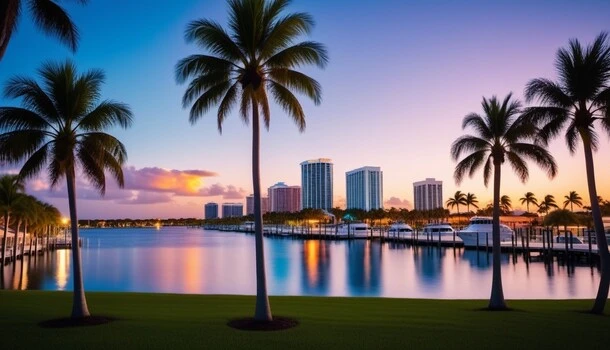


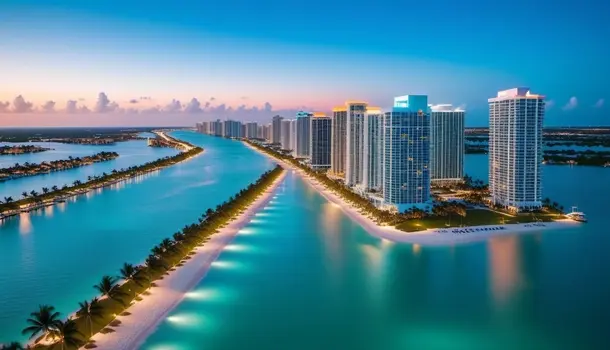
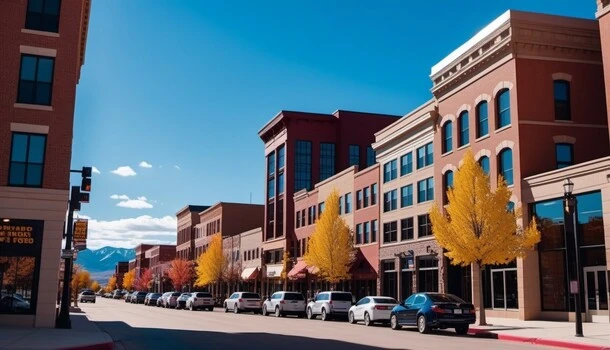
Weather in Maryland
 !
!
For sale Flat , Spain 211 143 $
📌 A few apartments for sale in Cala de Finestrat - a cozy place between Benidorm and Vieijahoyosa with a...
 !
!
Flat for sale , Cyprus 127 157 $
The new residential complex is located in the foothills of Alsanjak. The complex consists of two two-storey buildings. Block A - 12...
For Sale Real Estate in Maryland
Didnt find the right facility?
Leave a request - we will handle the selection and send the best offers in a short period of time



Irina Nikolaeva
Sales Director, HataMatata
Selection real estate in Maryland in 15 minutes
Leave a request and we will select the 3 best options for your budget
🇺🇸 Maryland real estate market: home prices, neighborhoods, and closing costs
Maryland blends coastal charm, strong institutions and dense transport links into a practical, investible real estate market for private buyers and international investors alike. Whether you are evaluating a townhouse in Baltimore, a waterfront condo in Annapolis, a suburban single-family home near Bethesda, or a new build property designed for rental yield near Fort Meade, Maryland’s mix of stable demand drivers and varied micro-markets makes it worth a dedicated look. Below you will find actionable facts, price guidance, market dynamics and the legal and financing realities you need to decide with confidence.
🗺️ Geography, climate and transport accessibility in Maryland
Maryland sits on the mid-Atlantic seaboard with about 6.2 million residents and an area of around 12,407 square miles, giving it dense urban corridors and rapidly accessible suburbs. The state’s eastern shore and coastal areas are humid subtropical, while western highlands show humid continental patterns, which affects seasonal tourism cycles in places like Ocean City and Chesapeake Bay shoreline communities.
Major transport nodes shape property demand: Baltimore/Washington International Thurgood Marshall Airport (BWI), Amtrak’s Northeast Corridor (Baltimore Penn Station), MARC commuter rail lines and interstates I‑95, I‑83, I‑70 and I‑97 link Maryland to Washington, D.C. and Philadelphia markets, supporting strong commuter and investment flows.
Infrastructure is robust with health and education anchors that sustain local housing markets: Johns Hopkins Hospital and Johns Hopkins University (Baltimore), University of Maryland, College Park, UMBC (Catonsville) and Towson University, plus major medical centers such as University of Maryland Medical Center and Children’s National affiliates. Primary school districts like Montgomery County and Howard County consistently rank highly and lift family buyer demand.
📈 Economy and investment potential for real estate in Maryland
Maryland’s economy benefits from a diversified base of federal employment, life sciences, finance and cybersecurity that underpin steady housing demand. The state GDP is over $400 billion, with high median household income around $94,000, among the highest nationally, which supports mortgage capacity and premium valuations in suburban markets.
Federal and defense employment around Fort Meade (NSA, U.S. Cyber Command) drives rental demand and creates a pipeline of contractors and employees needing both temporary and long-term housing. The life sciences corridor anchored by University System of Maryland and biotech firms around Baltimore and Rockville attracts development and corporate leasing.
Migration trends show consistent inflows to the Baltimore–Washington corridor from domestic relocations and international hires, while tourism and seasonal stays boost coastal markets like Ocean City and Annapolis, adding a short-term rental layer to investment strategies.
💶 Property prices and market dynamics in Maryland
Maryland offers a wide price spectrum from more affordable urban stock to high-end suburban homes and waterfront estates; supply dynamics vary by county with new builds concentrated in growth corridors. Current median home values statewide sit around $370,000, but local ranges differ sharply.
Market snapshot by typical property type and area:
- Baltimore City (secondary market): median prices $150,000–$350,000 for rowhomes and condos; pockets of redevelopment like Federal Hill and Harbor East command higher prices.
- Montgomery County (Bethesda, Rockville): single-family homes commonly $700,000–$1,500,000; condos and townhouses $350,000–$700,000.
- Howard County and Columbia: family homes $450,000–$800,000 depending on school district and proximity to Columbia Town Center.
- Anne Arundel County (Annapolis, Severna Park): waterfront and historic homes $500,000–$1,800,000; in-town condos $300,000–$600,000.
- Ocean City and resort areas: seasonal condos and houses $200,000–$1,200,000 depending on proximity to beach and rental potential.
- Suburban commuter towns near Fort Meade and BWI: single-family homes $350,000–$650,000, often attractive for rental yields.
Market dynamics show increased demand for well-located, renovated units and new build multifamily near transit; meanwhile, legacy rowhomes and entry-level houses in Baltimore present value-add opportunities for investors seeking rental yield.
🎯 Best districts and locations to buy real estate in Maryland
Choosing the right district depends on intent—residence, rental yield, short-term revenue or capital appreciation—and Maryland has clearly differentiated micro-markets.
Key districts and submarkets to consider:
- Inner Harbor / Harbor East (Baltimore): luxury condos and mixed-use, strong tourism and corporate activity.
- Federal Hill / Fells Point: historic neighborhoods popular with young professionals and short-term visitors.
- Bethesda / Chevy Chase / Potomac: premium suburban residential, excellent schools, corporate and medical executives.
- Columbia / Howard County: planned community with balanced housing stock, high demand from families.
- Annapolis / Severna Park: maritime lifestyle, owner-occupied waterfront homes and vacation rental demand.
- Fort Meade corridor (Odenton, Laurel): strong rental demand tied to federal contractors and military families.
Each district shows distinct rental patterns, property tax levels, and local zoning rules that directly affect ROI.
🏗️ Major developers and new build projects in Maryland
Maryland’s development landscape combines national homebuilders and regional urban redevelopers working on high-profile projects that reshape demand. Developers active in Maryland include Toll Brothers, Lennar, Pulte Homes, Ryan Homes (NVR) for suburban communities; Bozzuto Group, Greystar, Hines and NRP Group for multifamily and mixed-use urban projects; and Sagamore Development for large-scale urban renewal.
Notable projects and developments:
- Port Covington (Sagamore Development): one of the largest urban regenerations on the East Coast with mixed-use towers, logistics and new residential product intended to lift South Baltimore values.
- National Harbor (The Peterson Companies): waterfront resort, retail and residential complex that supports hospitality rentals and premium condos near D.C.
- Columbia Town Center (originally The Rouse Company): long-term planned community with retail, office and residential nodes that sustain consistent family demand.
Developers frequently provide early-buyer incentives, and institutional capital is active in multifamily acquisitions, keeping the new build pipeline and professionally managed rentals robust.
🧾 Mortgages and installment plans for buying property in Maryland
Foreign buyers have practical financing options but terms differ from residents; conventional US lenders and international banks offer mortgage products with documented income or significant assets. Typical parameters for non-resident mortgages are:
- Down payment: commonly 20–30% for foreign nationals; some lenders require 25–30% depending on documentation.
- Loan-to-value: many lenders cap at 70–80% LTV for qualified foreign buyers, often lower for investment properties.
- Interest: rates vary with credit profile, LTV and product; foreign borrowers generally face slightly higher spreads than US residents.
- Installment plans: developers and builders in Maryland, particularly for new build property in Maryland, sometimes offer interest-free construction installment plans or phased payments during the build, which can reduce initial cash outlay.
Mortgage in USA for foreigners is feasible but requires preapproval, proof of funds, and often U.S. bank accounts; international investors should consult cross-border lenders and expect bank wiring and escrow controls for down payments.
🧭 Property purchase process in Maryland step-by-step
The purchase process for real estate in Maryland follows a clear sequence that accommodates both cash buyers and financed purchases; knowing each step reduces delays and cost surprises. Typical steps include:
- Selection and offer: identify property, submit an offer or purchase agreement typically accompanied by an earnest money deposit into escrow.
- Contract and due diligence: execute Purchase and Sale Agreement; conduct inspections (home, pest, radon where relevant), review HOA documents for condos and verify zoning for intended use.
- Financing and appraisal: arrange mortgage commitment, lender orders appraisal; buyer satisfies mortgage conditions within the contingency period.
- Title search and insurance: title company conducts search, clears liens and issues title insurance; Maryland uses county Recorder/Clerk offices to record deeds.
- Closing: funds wired or cashier’s checks are delivered to escrow; deed is signed and recorded; keys and possession follow per contract terms.
Payment methods accepted include certified funds, wire transfers to title/escrow, and sometimes draw-downs for new build development contracts. Fee simple ownership dominates, with condos and planned unit developments (PUDs) being common formats for multi-family and mixed-use properties.
⚖️ Legal aspects, visas and residence permit realities for property in Maryland
Buying property in Maryland does not, on its own, grant a residence permit, permanent residency or citizenship; the United States does not offer a “golden visa” tied to passive real estate purchases. Foreign buyers should be aware of these legal facts:
- No automatic residency: ownership of property for sale in Maryland or elsewhere in the U.S. gives no immigration status.
- EB‑5 investor program: federal EB‑5 visas require capital investment in job‑creating enterprises and historically demand investments in the high six to seven figures; direct real estate purchases for passive holding generally do not qualify.
- Tax and reporting: foreign owners face federal tax obligations on rental income and potential capital gains withholding under FIRPTA; state and county property taxes apply based on assessed value, typically between about 0.7% and 1.2% depending on county.
- Vehicle for residency: investors looking for residence permit by real estate investment in Maryland must structure investments as job‑creating commercial projects or pursue other visa categories; legal counsel and immigration specialists are essential to align property, business and residency strategies.
💡 Investment advantages and buyer scenarios for real estate investment in Maryland
Maryland fits many buyer profiles because of its economic anchors, education institutions and coastal attractions. Below are realistic scenarios and recommended property approaches:
- Primary residence and family relocation: choose Bethesda, Potomac, Howard County or Columbia for top schools and resale stability; expect commute times to D.C. influencing pricing.
- Rental income and yield: target Baltimore City rowhomes, Fort Meade corridor suburbs (Odenton, Laurel) or student-driven submarkets near College Park and Towson for steady rental demand and gross yields commonly in the 5–8% range depending on capex and management.
- Short-term and seasonal rentals: Ocean City, Annapolis and certain Harbor areas yield high summer rates; local licensing and HOA rules can limit STRs, so confirm regulations before purchase.
- Long-term capital appreciation: invest in transit‑oriented developments near BWI, Baltimore Penn, and Port Covington for value uplift tied to infrastructure projects.
- Premium and luxury segment: waterfront estates in Annapolis, Severna Park, Chevy Chase and Potomac serve owner-occupiers and high-net-worth investors seeking stability and lifestyle value.
- New build purchase with installment plan: developers often present presale opportunities in mixed-use urban projects where staged payments reduce initial capital needs; target properties near Johns Hopkins and downtown Baltimore for redevelopment upside.
Buying property in Maryland presents a pragmatic blend of strong institutional demand, accessible financing options for foreigners with appropriate down payments, and a variety of product types from affordable value-add rowhomes to high-end waterfront estates. If you are weighing options between new build property in Maryland and secondary market property in Maryland, consider your hold horizon, tax implications and the neighborhoods’ regulatory climate for rentals; pairing local legal and tax counsel with an experienced agent will make the purchase efficient and defensible.
Frequently Asked Questions
Maryland prices vary by county. Statewide median single‑family price typically falls between $360,000–$450,000. Urban pockets: Baltimore City medians often near $150,000–$250,000; suburban DC and Montgomery/Howard counties commonly $550,000–$700,000+. Coastal/Annapolis areas trend $450,000–$700,000+. Expect wide local variation by neighborhood and home type. Figures in USD.
Yes. Non‑U.S. citizens can buy and hold Maryland real estate with no state restriction. Expect extra documentation: ITIN or SSN for mortgages, possible cash closings, and FIRPTA withholding on sales (15% of gross unless exempt). Financing is available but often with higher down payments and stricter underwriting for non‑residents.
Rental demand is strong near Baltimore, DC commuter areas, and college towns. Gross rental yields typically range 4%–10%: lower (~3%–5%) in high‑price suburbs, higher (~7%–10%) in older urban neighborhoods. Vacancy rates commonly 4%–8%. Resale liquidity is good in metros; expect slower sales in rural counties.
Typical timeline: 1–3 weeks to negotiate/accept an offer, 30–60 days for mortgage underwriting and closing after contract. Cash deals can close in 10–30 days. Inspections, appraisals and title work often add 7–21 days. County recording and transfer processing complete at closing, though final tax assessments may follow.
Buyer closing costs usually 2%–5% of price (title, recording, lender fees). Sellers often pay 5%–7% commission. Property tax effective rates average ~0.6%–1.2% of assessed value depending on county. Capital gains face federal rates (0–20% depending on income) plus Maryland income tax up to 5.75% and possible local tax. Transfer taxes and recording fees vary by county.
Watch for flood zones (Bay/riverfront), aging housing with lead paint or outdated systems, restrictive HOAs, title or easement issues, and local short‑term rental bans. Mortgage appraisal gaps and property tax reassessments can surprise buyers. Always get inspections, flood and environmental searches, and clear title insurance.
Yes. Maryland offers strong healthcare systems, top suburban public schools in several counties, and commuter access to Baltimore and Washington, D.C. Infrastructure includes major highways, commuter rail, and regional airports. Commute times vary 20–60+ minutes depending on location; suburban areas offer parks and family services.
No. Purchasing property does not grant U.S. residency or citizenship. Immigration is federal: pathways include employment, family sponsorship, or investor visas (EB‑5 requires substantial investment—typically $800,000 in TEAs or $1,050,000 otherwise). State residency for taxes depends on domicile and time spent in Maryland.
Yes in many areas. Urban/suburban Maryland has widespread high‑speed broadband and fiber in cities and suburbs; rural coverage is more limited. Cost of living varies; many towns offer coworking, cafes, and easy access to cultural amenities. Foreigners must maintain lawful U.S. visa status for long stays; tourist visas restrict work.
Regulations vary by county/municipality. Many jurisdictions require registration, occupancy limits, safety inspections, and collect transient taxes; some areas restrict or ban short‑term rentals. Landlord‑tenant laws set security deposit rules, eviction procedures, and habitability standards. Check local ordinances and licensing before operating rentals.
Properties by Region
Properties by Country
- Real estate in Bulgaria (11408)
- Real estate in Montenegro (5186)
- Real estate in Indonesia (2423)
- Real estate in Spain (2289)
- Real estate in Portugal (1975)
- Real estate in Italy (1910)
- Real estate in Turkey (1699)
- Real estate in Cyprus (1594)
- Real estate in Thailand (1565)
- Real estate in Croatia (1431)
- Real estate in Greece (1082)
- Real estate in USA (1013)
- Real estate in France (1006)
- Real estate in Georgia (519)
- Real estate in Serbia (328)
- Real estate in Slovenia (123)
- Real estate in Egypt (23)
Free real estate consultation in Maryland
Don't know which area to choose in Maryland? We will tell you in which areas it is better to live or invest, and show you the appropriate options.

Maria Guven
Head of Direct Sales Department
+90-507-705-8082