


Real Estate in Missouri
Do you want to buy real estate in Missouri? We'll tell you where to start

Liliya
International Real Estate Consultant
Need help choosing a property?
Leave a request and our manager will contact you.
International Real Estate Consultant
Real Estate in Missouri
Do you want to buy real estate in Missouri? We'll tell you where to start
Liliya
International Real Estate Consultant
Need help choosing a property?
Leave a request and our manager will contact you.
International Real Estate Consultant
Selection real estate in Missouri in 15 minutes
Leave a request and we will select the 3 best options for your budget




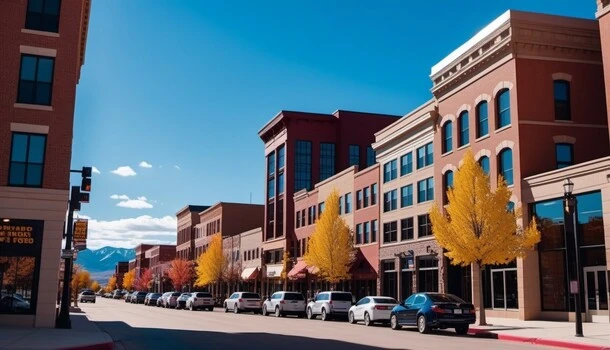
Weather in Missouri
 !
!
For sale Flat , Spain 210 942 $
📌 A few apartments for sale in Cala de Finestrat - a cozy place between Benidorm and Vieijahoyosa with a...
 !
!
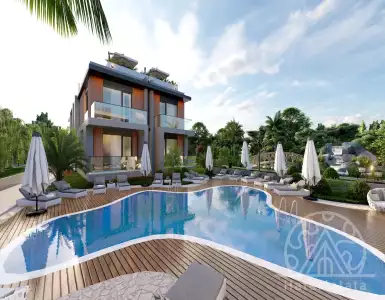
Flat for sale , Cyprus 125 285 $
The new residential complex is located in the foothills of Alsanjak. The complex consists of two two-storey buildings. Block A - 12...
For Sale Real Estate in Missouri
Didnt find the right facility?
Leave a request - we will handle the selection and send the best offers in a short period of time



Irina Nikolaeva
Sales Director, HataMatata
Selection real estate in Missouri in 15 minutes
Leave a request and we will select the 3 best options for your budget
🇺🇸 Missouri Real Estate for Sale: Homes, Land, Market Prices by County
Buying property in Missouri starts with understanding what the state really offers: affordable prices, solid rental demand in university and metro areas, major highways and airports that keep cities connected, and a development landscape where national builders and strong local groups both operate. Whether you are a private buyer looking for a family home, an international investor seeking rental yield, or a buyer chasing new build property in Missouri, the combination of lower entry prices and steady regional growth makes the market worth a close look.
🌦️ Geography, transport and infrastructure in Missouri
Missouri sits at the heart of the continental United States with major transport corridors that matter for real estate value and rental demand. Interstate arteries such as I‑70, I‑35, I‑44, and I‑49 converge across the state and link both Kansas City International (MCI) and St. Louis Lambert (STL) airports to regional and international routes. Freight and logistics are supported by the Missouri River and key intermodal hubs, making industrial land along I‑70 and I‑70 corridors attractive for investors.
Major metro areas deliver the infrastructure buyers expect: Kansas City and St. Louis combine downtown business districts with suburbs served by hospitals, universities and transit. Educational anchors include Washington University in St. Louis, Saint Louis University, University of Missouri (Columbia – “Mizzou”), and University of Missouri–Kansas City (UMKC), which sustain student rental markets. Healthcare hubs such as Barnes‑Jewish Hospital in St. Louis and Saint Luke’s Health System in Kansas City provide employment stability and drive demand for nearby residential property.
Quality of life infrastructure is widely available across the state: public and private K‑12 schools, community colleges and regional medical centers in counties like Jackson, St. Louis, Greene, and Boone. Leisure and tourism infrastructure — from live shows in Branson to boating on Lake of the Ozarks — supports a vacation‑rental submarket, while redevelopment corridors like Kansas City’s Power & Light District and St. Louis’s CORTEX innovation district increase long‑term appeal for professionals and developers.
💼 Economy and real estate investment in Missouri
Missouri’s economy is diversified and supports property demand across several sectors. The state’s GDP is around $350 billion, driven by manufacturing, logistics, healthcare, education and technology clusters. Major employers include Ford and GE Aviation in regional operations, health systems like BJC HealthCare, and the growing tech/biotech ecosystem around CORTEX in St. Louis.
Population and labor trends matter to investors: Missouri has roughly 6.1 million residents, with the St. Louis metro at about 2.8 million and the Kansas City metro near 2.2 million. Unemployment rates typically run below national peaks and hover near 3–4 percent in healthy cycles, supporting steady rental demand and absorption of new housing. Migration patterns show modest inbound flows to suburbs and smaller metros like Springfield and Columbia, where cost of living and university employment attract families and students.
Tourism and short‑stay demand create pockets of higher yield: Branson and Lake of the Ozarks generate substantial visitor numbers seasonally, supporting vacation rentals and secondary homes. Industrial and logistics investment—especially around Kansas City and St. Louis—continues to draw institutional capital, increasing demand for worker housing in adjacent neighborhoods and suburbs.
💶 Property prices in Missouri
Market pricing in Missouri is affordable compared with many coastal states, with clear differentiation by city and property type. Statewide median prices sit around $240,000, but metropolitan and neighborhood variation is significant.
- Residential price ranges by property type:
- Single‑family homes — $180,000 to $450,000 depending on city and suburb.
- Condominiums and townhouses — $120,000 to $300,000 in urban cores.
- Luxury/premium homes — $1,000,000 to $5,000,000+ in Ladue, Clayton, and select Lake communities.
- New build single‑family in suburbs — typical starting prices $300,000 to $650,000.
- Price by key city:
- Kansas City median home price roughly $280,000, central neighborhoods higher.
- St. Louis metro median around $220,000, with premium pockets in Clayton and Ladue.
- Springfield and Columbia medians often $170,000–$260,000, attractive for rentals and student housing.
- Market dynamics and demand trends:
- New home construction by national builders is active in suburbs, pushing lot and starter‑home prices up 10–25% in higher‑growth ZIP codes.
- Secondary market property in Missouri remains liquid in family neighborhoods and near universities, with rental yields often 4–8% gross, higher in student zones.
🎯 Best areas in Missouri to buy property
Kansas City and St. Louis anchor the market, but opportunity zones spread across many districts. In Kansas City, look at Downtown/KC Power & Light, Crossroads Arts District, Brookside, Walnut Grove, and suburban nodes like Lee’s Summit and Overland Park (metro area). These zones blend job access with transit and retail.
St. Louis neighborhoods worth noting include Central West End, Clayton (CBD and corporate HQs), Ladue (high‑net‑worth residential), Maplewood, and Chesterfield/Creve Coeur suburbs. Student and short‑term rental opportunities concentrate in Columbia (near Mizzou), while Springfield’s Downtown and Galloway corridors show revitalization and affordability for buy‑to‑let investors.
Smaller markets and recreational areas offer different use cases: Branson and Lake of the Ozarks for vacation rentals and second homes; Jefferson City for government‑sector stability; Cape Girardeau and Joplin for regional affordability. Investors should match product to demand—student flats in Columbia, single‑family rentals in Lee’s Summit, and luxury estates in Ladue require different underwriting and management.
🏗️ Developers and new build property in Missouri
National homebuilders are active across Missouri, bringing standardization and financing options to new communities. Major builders include D.R. Horton, Lennar, Pulte Homes, KB Home, and Meritage Homes; these companies deliver large suburban subdivisions and often provide in‑house financing incentives. Local and regional developers such as McEagle Properties in St. Louis and VanTrust Real Estate in Kansas City shape mixed‑use and commercial projects.
Signature projects and redevelopment initiatives anchor urban demand and create cross‑sector opportunity. Notable examples are Kansas City’s Power & Light District and Crossroads redevelopment, and St. Louis’s CORTEX innovation district and City Foundry STL, which catalyze residential conversions nearby. Industrial developers such as NorthPoint Development have built major logistics parks in the state, indirectly increasing housing needs near job centers.
Developers commonly sell both completed homes and lots, and large mixed‑use projects include retail, office and multifamily components that boost walkability and rent premiums. For investors targeting new build property in Missouri, these builders offer predictable product, warranty coverage, and sometimes incentive packages that reduce initial holding costs.
💳 Mortgages and property in Missouri with installment plan
Financing options in Missouri mirror the broader US market but have nuances for international buyers and new builds. For US citizens and residents, conventional mortgages with 15‑ and 30‑year terms are standard, often with down payments from 3% (first‑time buyer programs) up to 20% for conventional loans. For foreign nationals, banks typically require 30–50% down payment, and interest rates may run 0.5–2 percentage points higher than domestic rates.
Developers and builders frequently provide attractive payment structures on new build property in Missouri, including:
- Interest‑free or low‑interest builder installment plans during construction.
- Temporary rate buydowns and closing cost contributions.
- Construction‑to‑permanent loans that convert after completion.
Mortgage availability for foreigners varies by lender; some US banks and mortgage brokers offer non‑resident loans, while government‑backed products such as FHA loans are typically limited to citizens and permanent residents. Buyers should budget closing costs of about 2–5% of purchase price and confirm tax withholding requirements if financing via international accounts.
📝 How to buy property in Missouri — purchase process
Start with a licensed real estate agent and pre‑approval from a lender or confirmation of funds for cash purchases. The practical steps are: property selection, written offer, earnest money deposit (typically 1–3%), inspection and negotiation of repairs, appraisal for financed purchases, title search, and closing. Title insurance and a clear deed recorded at the county recorder’s office (for example, Jackson County, St. Louis County, Greene County, Boone County) finalize ownership.
Payment methods at closing usually include wired funds to escrow, certified cashier’s checks, or lender proceeds for financed deals. Inspections commonly identify issues; buyers often budget 1–2% of purchase price for immediate repairs or upgrades, particularly in older neighborhoods. For developers, purchase terms may include stage payments tied to construction milestones and warranty provisions on new builds.
Legal ownership forms include sole ownership, joint tenancy, tenancy in common, and ownership via an LLC or corporation for investors. Many international buyers prefer LLC ownership for liability and tax planning reasons; however, structuring should be done with an attorney and tax advisor familiar with US and Missouri regulations to manage property tax, income tax on rentals, and estate implications.
⚖️ Legal aspects and residence permit by real estate investment in Missouri
Foreigners may buy real estate in Missouri without restriction and can hold title in their own name or via corporate entities. Property ownership in Missouri does not automatically provide a residence permit or citizenship. For immigration pathways tied to investment, the main federal option is the EB‑5 immigrant investor program, which requires a capital investment that typically starts at $800,000 in a targeted employment area (TEA) or $1,050,000 otherwise, and must create or preserve jobs; direct real estate purchases alone do not qualify without the job‑creation business structure.
Other visa routes that can involve business investment include the E‑2 treaty investor visa, which is available only to nationals of treaty countries and requires showing a substantial investment in a bona fide enterprise—not merely a passive property purchase. Buyers should be cautious about promises of “residence permit through property purchase in Missouri” or “citizenship by real estate investment in Missouri,” as those claims are misleading; actual immigration benefits require specific federal programs and job/enterprise criteria.
Property taxes in Missouri vary by county, with effective rates often around 1% of assessed value, though local levies and assessments affect final bills. Capital gains and rental income are subject to federal and state taxation; consult a cross‑border tax specialist before acquiring property to understand withholding, FIRPTA considerations for non‑resident sellers, and trust/estate implications.
📈 Real estate investment in Missouri — who it suits
Missouri fits several investor profiles because of its market diversity and affordability. Buyers seeking long‑term capital growth and rental income do well in Kansas City suburbs (Lee’s Summit, Overland Park metro) and St. Louis neighborhoods undergoing redevelopment (Central West End, Clayton). Student housing near University of Missouri (Columbia) and Missouri State University (Springfield) delivers above‑average yields, often 6–10% gross for well‑managed multi‑unit properties.
Vacation and short‑term rental investors find opportunities around Branson and Lake of the Ozarks, where seasonal tourism drives occupancy spikes; expect higher management needs but premium nightly rates. Premium buyers seeking lifestyle and stability will look to Ladue, Clayton, and waterfront estates on Table Rock Lake for privacy and long‑term value preservation. Remote workers and families relocating often prioritize school districts and commute corridors; suburbs with new schools and lower traffic scores offer the best mix for second‑home or relocation purchases.
Different strategies align with different product types:
- Buy‑to‑let: single‑family homes in suburbs and multifamily units near metros.
- Short‑term: vacation homes in Branson, Lake of the Ozarks.
- Value‑add: older properties in St. Louis neighborhoods with redevelopment plans.
- New build: standard product from D.R. Horton, Lennar, Pulte, with builder warranties and predictable delivery schedules.
Property in Missouri can serve buyers aiming to live, rent, relocate, or diversify an international portfolio, provided underwriting is tailored to local rents, taxes and vacancy assumptions.
Buying property in Missouri combines mid‑market prices, metro‑level infrastructure, and a developer ecosystem that supports both new build projects and secondary market transactions. If you want a practical review of neighborhoods, a comparison of financing options for foreigners, or an analysis of expected rental income in a specific ZIP code, that can be prepared to match your investment profile and timelines.
Frequently Asked Questions
Missouri home prices are below the national average. Statewide median single‑family prices commonly fall in the $180,000–$260,000 range. Metro ranges: Kansas City $220,000–$280,000, St. Louis $200,000–$260,000, Springfield $150,000–$200,000. Luxury or new-builds exceed these bands. Expect local variation by neighborhood and school district.
Yes—foreign nationals can buy real estate in Missouri with no blanket ownership ban. Mortgages are available but often require larger down payments (20–40%) and an ITIN or SSN helps. Foreign sellers face FIRPTA withholding on sales; buyers should check tax reporting, title insurance, and consult a U.S. tax attorney or CPA for cross‑border rules.
Single‑family rental gross yields in Missouri typically run 6–10%; small multifamily cap rates often 5–8% depending on market. Vacancy rates in healthy metros are roughly 4–8%. Stronger rental demand in Kansas City, St. Louis, and college towns improves yield and turnover. Liquidity for well‑priced properties: 3–9 months to sell in active areas.
Missouri offers affordable housing, lower cost of living, and family‑friendly suburbs. Major metros provide hospitals, specialists, and public schools; commute times average ~20–30 minutes. Public transit is limited outside cities; suburban car dependence is common. Expect to settle practical matters (schools, utilities) in 2–8 weeks after arrival.
Yes in cities: Kansas City, St. Louis, Columbia have fiber and 100+ Mbps options, coworking, coffee shops and affordable rents. Rural areas may rely on DSL or cellular (4G/5G). Cost of living is low, making long stays affordable. Non‑US citizens should note tourist visas typically limit stays; remote work legality depends on your home country's rules and U.S. visa status.
No direct 'golden visa' exists for buying Missouri real estate. U.S. residency requires standard immigration routes (work, family) or the EB‑5 investor program, which requires a significant investment and job creation—commonly high six‑ to seven‑figure sums (often in the ~$800,000–$1.8M range depending on project) and multi‑year processing. Consult an immigration attorney.
Property tax rates in Missouri typically range about 0.7–1.2% of assessed value annually. Closing costs usually run 2–5% of purchase price (title, recording, lender fees). Missouri state income tax applies (top rates near 5%). Capital gains are taxed federally and may apply at sale. Typical closing timeline: 30–60 days from contract to closing.
Conventional loans commonly require 5–20% down; FHA offers ~3.5% down; USDA loans can offer 0% down in eligible rural zones. Non‑resident buyers often need 25–40% down and additional documentation. Preapproval speeds offers; expect underwriting and closing in 30–45 days if documents are in order.
Missouri faces tornado, hail and flood risks. Flood insurance is mandatory in FEMA floodplains and can cost from a few hundred to several thousand USD/year depending on risk. Wind/hail claims are common; premiums and deductibles rise in high‑risk zones. Mitigate with inspections, elevation, storm shelters and appropriate endorsements.
Essential checks: structural/foundation, roof, HVAC, plumbing/electrical, termite/pest, and radon testing (radon elevated in many MO areas). If rural: septic and well inspections. Check flood maps and local zoning, HOA rules, and school district ratings. Typical inspection contingency period: 7–14 days to negotiate repairs or walk away.
Properties by Region
Properties by Country
- Real estate in Bulgaria (11408)
- Real estate in Montenegro (5370)
- Real estate in Indonesia (2423)
- Real estate in Spain (2289)
- Real estate in Portugal (1975)
- Real estate in Italy (1900)
- Real estate in Turkey (1699)
- Real estate in Cyprus (1592)
- Real estate in Thailand (1565)
- Real estate in Croatia (1431)
- Real estate in Greece (1082)
- Real estate in USA (1013)
- Real estate in France (1006)
- Real estate in Georgia (519)
- Real estate in Serbia (328)
- Real estate in Slovenia (123)
- Real estate in Egypt (23)
Free real estate consultation in Missouri
Don't know which area to choose in Missouri? We will tell you in which areas it is better to live or invest, and show you the appropriate options.

Maria Guven
Head of Direct Sales Department
+90-507-705-8082