


Villa in New York
Do you want to buy villa in New York? We'll tell you where to start

Liliya
International Real Estate Consultant
Need help choosing a property?
Leave a request and our manager will contact you.
International Real Estate Consultant
Villa in New York
Do you want to buy villa in New York? We'll tell you where to start
Liliya
International Real Estate Consultant
Need help choosing a property?
Leave a request and our manager will contact you.
International Real Estate Consultant
Selection villas in New York in 15 minutes
Leave a request and we will select the 3 best options for your budget

Weather in New York
 !
!
For sale Flat , Spain 210 942 $
📌 A few apartments for sale in Cala de Finestrat - a cozy place between Benidorm and Vieijahoyosa with a...
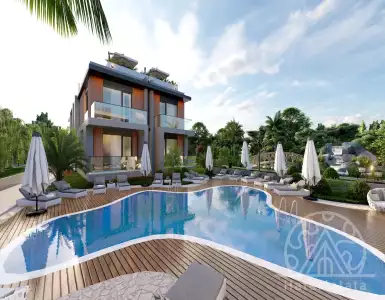 !
!
Flat for sale , Cyprus 125 285 $
The new residential complex is located in the foothills of Alsanjak. The complex consists of two two-storey buildings. Block A - 12...
For Sale villa in New York
Didnt find the right facility?
Leave a request - we will handle the selection and send the best offers in a short period of time



Irina Nikolaeva
Sales Director, HataMatata
Selection villas in New York in 15 minutes
Leave a request and we will select the 3 best options for your budget
🇺🇸 Villa purchase in New York State — market areas, pricing, zoning and closing factors
New York is not just a city; it's an experience, a lifestyle, and a symbol of opportunity. For individuals and investors seeking a villa in New York, the region offers a diverse tapestry of options rich in culture, vibrant neighborhoods, and a robust economy. This dynamic landscape makes it an attractive location for private buyers and investors alike, aiming to secure a piece of real estate that not only serves as a residence but also offers potential for investment.
🏡 Characteristics of New York: A Villa Buyer's Paradise
New York boasts a unique geography characterized by its bustling urban centers, serene suburbs, and picturesque neighborhoods. The region experiences a humid subtropical climate, providing four distinct seasons, including warm summers and cold winters. These factors greatly influence the demand for villas, as families often prefer homes that can accommodate seasonal living and outdoor activities.
Infrastructure plays a critical role in shaping the desirability of housing in New York. The public transport system, including the iconic subway, provides seamless connectivity to different parts of the city. Many neighborhoods are also supported by an extensive network of buses and commuter trains. Key business and tourist centers located in areas such as Manhattan, Brooklyn, and Westchester County attract a constant flow of residents and visitors, boosting the real estate market.
Properties in areas like Long Island, upstate New York, and the Hudson Valley have become appealing for their balance of urban convenience and suburban tranquility. The proximity of these areas to shopping centers, schools, healthcare facilities, and recreational spaces enhances their attractiveness for villa buyers.
💰 Understanding the Economy of New York: A Boon for Villa Investors
The economy of New York is one of the largest in the world, with a GDP that consistently ranks among the highest in the United States. The region is a financial powerhouse, home to Wall Street and numerous multinational corporations. This economic strength fosters a positive investment climate, where demand for housing, particularly luxury properties like villas, remains strong. The increasing influx of tech startups and creative industries contributes to a growing job market, enhancing the appeal of the villa market.
Tourism adds another layer of complexity to the economy. New York attracts over 60 million visitors annually, many of whom express interest in buying property for second homes or investment purposes. This influx bolsters demand for villa properties, leading to a more competitive market with potentially high rental returns.
The tax environment in New York can be complex, with property taxes averaging around 1.68% of a property's assessed value. However, tax benefits can be realized through investment incentives and favorable financing options, making the prospect of investing in villa properties even more appealing.
💵 Prices for Villas in New York: What to Expect
The market for villas in New York varies significantly by location. Average prices in sought-after neighborhoods can reach upwards of $2 million, while more affordable options are available in suburban areas and less popular districts.
Here’s a breakdown of several key areas:
- Manhattan: Average prices for villas here can exceed $3.5 million, with properties like The Superior Ink featuring stunning waterfront views.
- Brooklyn: A burgeoning market where villas average about $1.8 million, especially in areas like Williamsburg and Park Slope.
- Westchester County: With prices ranging from $1 million to $2.5 million, this area offers spacious villas, ideal for families.
- Long Island: Popular for vacation homes, average prices hover around $1 million, particularly in Nassau and Suffolk counties.
🚏 Best Locations for Buying Villas in New York
Choosing the right district to buy a villa in New York is pivotal for maximizing investment potential. Here are the top cities and districts:
- Manhattan: Known for its luxury market, attracting high-net-worth individuals and international buyers. The demand here offers significant rental yields.
- Brooklyn: With its artistic vibe and community-centric neighborhoods, properties in Brooklyn have shown a remarkable appreciation in value.
- Scarsdale: Located in Westchester County, Scarsdale is popular with families seeking excellent schools and suburban living.
- Greenwich, CT: Although technically not in New York, its proximity makes it a favored choice for NY investors, particularly for its lavish villas.
Each of these locations provides robust infrastructure, commercial opportunities, and a vibrant lifestyle that appeals to both domestic and international buyers.
🔑 Leading Developers and Villa Projects in New York
The quality and reliability of developers play a significant role in the buying process. Some notable names in the New York villa market include:
- Toll Brothers: Known for luxury homes, they offer villas in areas like Westchester with extensive amenities, including swimming pools and clubhouses.
- Related Companies: The developers behind the Hudson Yards project, offering cutting-edge designs and eco-friendly features.
- Extell Development: Renowned for high-end residential buildings in Manhattan with premier locations.
These developers not only ensure premium construction but also competitive payment terms, often providing flexible options for installment and financing.
🏦 Mortgages and Installment Plans for Foreign Buyers
Obtaining a mortgage for a villa in New York as a foreigner is certainly feasible. Banks typically require:
- Down payments ranging from 20% to 30% of the property's value.
- Interest rates that can fluctuate, generally between 3% and 5%.
- Valid proof of income, typically requiring additional documentation for non-residents.
Many developers also offer exclusive installment plans that allow buyers to pay in stages based on construction milestones. This option can stretch payments over several years, easing initial financial burdens.
📜 Step-by-Step Guide to Buying a Villa in New York
- Selection: Begin your villa search online or engage a local real estate agent familiar with the New York market.
- Reservation: Once you've identified a property, a reservation agreement secures your interest.
- Due Diligence: Conduct property inspections and background checks on the developer.
- Contract Signing: A formal purchase agreement is drawn up, outlining terms and conditions.
- Payment: Fulfill the payment schedule as per the agreement.
- Registration: The property title is registered with the local authorities, ensuring legal recognition of ownership.
Understanding legal and technical specifics is crucial. Fees for registration, transfer taxes (typically around 1% of the purchase price), and notary fees can add to the overall cost.
⚖️ Legal Ownership Aspects of New York Villas
Owning a villa in New York comes with responsibilities. Key legal aspects include:
- Rental Rules: New York has strict regulations governing rental properties, particularly short-term rentals.
- Property Taxes: As previously mentioned, property taxes are approximately 1.68%, impacting your annual expenses.
- Contract Registration: All sales must be registered with the appropriate governmental bodies.
- Residence Permits: While purchasing property does not automatically grant residency, options for residency through significant investments exist.
🌍 Purpose of Buying a Villa in New York
The reasons for investing in a villa in New York are varied and compelling:
- Living and Relocation: Many choose New York for its cultural offerings and strong job market.
- Seasonal Residence: The picturesque settings of Long Island or the Hudson Valley are perfect for seasonal retreats.
- Investment: With the potential for high rental yields, purchasing a villa offers excellent ROI, making it attractive for investors.
- Family Purchase: A villa can serve as a family residence or inheritance for future generations.
Prospective buyers should feel optimistic about the villa market in New York. Its resilience against economic fluctuations and the continuous growth of its cultural and economic infrastructure ensure it remains a sound investment choice. The allure of New York continues to attract diverse buyers, and the strong demand for villas reflects ongoing confidence in this iconic region. The future looks bright for both living in and investing in villas in New York.
Frequently Asked Questions
Prices vary widely: rural upstate villas can start near $250,000; suburban/commuter areas and popular getaway towns commonly range $500,000–$5,000,000; coastal luxury markets (Hamptons, North Fork) and Manhattan townhouses can exceed $10,000,000–$50,000,000+. Per‑sq‑ft benchmarks span roughly $200–$2,000+/sq ft depending on location and finish.
Options include work visas, family‑based visas, E‑2 treaty investor (nonimmigrant, requires active business and eligible nationality), and EB‑5 immigrant investor (large capital investment tied to job creation—TEA and standard thresholds apply). Owning a villa alone does not automatically qualify for these programs; investment-based visas require commercial/business activity and meeting program criteria.
Yes for many: New York offers top hospitals, diverse schools (quality varies by district), extensive public transit in metro areas, and strong cultural amenities. Suburbs (Westchester, Long Island, Hudson Valley) offer family neighborhoods and commuting options. Winters are cold and rural broadband varies, so consider school ratings, commute time (30–90+ minutes) and local services for children.
Profitability is location‑dependent: coastal vacation spots like the Hamptons peak in summer; NYC has year‑round demand but strict local rules. Typical gross yields: 3–6% for long‑term, short‑term peaks can reach 6–12% in hotspots before expenses and taxes. Check local short‑term rental regulations, occupancy taxes and seasonal vacancy risk.
Non‑residents often use US mortgages with foreign‑national programs or larger foreign bank financing. Expect higher down payments (typically 25–40%, sometimes 50%), full income/asset documentation, and slightly higher interest rates. Some pay cash. Lenders’ requirements vary by bank and loan type.
Expect state and local transfer taxes, possible city transfer taxes for NYC properties, mortgage recording tax, title and attorney fees. Closing costs often total about 2–5% of purchase price. Annual property tax rates vary by county—commonly range from ~0.5% to 2.5% of assessed value, with wide local variation.
Yes. Coastal Long Island and some Hudson River properties face flood and storm surge risk; upstate sees heavy snow and freezing. Flood insurance may be required by mortgage lenders in flood zones and premiums can be substantially higher. Home insurance premiums commonly run ~0.2%–1% of value annually, higher in high‑risk zones.
Absolutely. Many upstate areas require septic permits, well inspections, minimum lot sizes (commonly 1–5 acres), and local zoning/building permits. Historic district or conservation rules can restrict alterations. Check county health department and municipal zoning before purchase to confirm buildable area and upgrade limits.
Hire a local property manager for maintenance, rentals, and emergency response; expect management fees ~5–15% of rental income. Budget annual maintenance at ~1–3% of property value, winterize coastal/suburban homes, and arrange local contractors for HVAC, roofing and landscaping. Use inventory and digital reporting for oversight.
Popular commuter villa areas include Westchester County, Long Island (LIRR corridors), parts of the Hudson Valley and northern New Jersey border areas with rail/ferry service. Typical train commutes range 30–90+ minutes to Manhattan; choose locations with express rail, park‑and‑ride, or ferry access to balance space and commute time.
Properties by Region
Properties by Country
- Real estate in Bulgaria (11408)
- Real estate in Montenegro (5370)
- Real estate in Indonesia (2423)
- Real estate in Spain (2289)
- Real estate in Portugal (1975)
- Real estate in Italy (1900)
- Real estate in Turkey (1699)
- Real estate in Cyprus (1592)
- Real estate in Thailand (1565)
- Real estate in Croatia (1431)
- Real estate in Greece (1082)
- Real estate in USA (1013)
- Real estate in France (1006)
- Real estate in Georgia (519)
- Real estate in Serbia (328)
- Real estate in Slovenia (123)
- Real estate in Egypt (23)
Free real estate consultation in New York
Don't know which area to choose in New York? We will tell you in which areas it is better to live or invest, and show you the appropriate options.

Maria Guven
Head of Direct Sales Department
+90-507-705-8082