


Real Estate in North Carolina
Do you want to buy real estate in North Carolina? We'll tell you where to start

Liliya
International Real Estate Consultant
Need help choosing a property?
Leave a request and our manager will contact you.
International Real Estate Consultant
Real Estate in North Carolina
Do you want to buy real estate in North Carolina? We'll tell you where to start
Liliya
International Real Estate Consultant
Need help choosing a property?
Leave a request and our manager will contact you.
International Real Estate Consultant
Selection real estate in North Carolina in 15 minutes
Leave a request and we will select the 3 best options for your budget




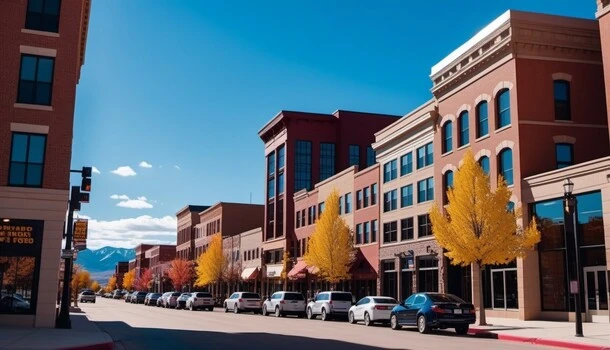
Weather in North Carolina
 !
!
For sale Flat , Spain 210 091 $
📌 A few apartments for sale in Cala de Finestrat - a cozy place between Benidorm and Vieijahoyosa with a...
 !
!
Flat for sale , Cyprus 126 673 $
The new residential complex is located in the foothills of Alsanjak. The complex consists of two two-storey buildings. Block A - 12...
For Sale Real Estate in North Carolina
Didnt find the right facility?
Leave a request - we will handle the selection and send the best offers in a short period of time



Irina Nikolaeva
Sales Director, HataMatata
Selection real estate in North Carolina in 15 minutes
Leave a request and we will select the 3 best options for your budget
🇺🇸 Buying North Carolina real estate: median home prices, neighborhoods, closing costs
Frequently Asked Questions
Statewide prices vary: median single-family homes commonly fall in the $250,000–$400,000 range (USD). Metro hubs like Raleigh and Charlotte often run $300,000–$500,000; resort/coastal and popular small-city areas can reach $350,000–$600,000. Rural counties frequently offer homes under $200,000. Local neighborhood, property type, and school district drive big differences.
Yes. Non‑US citizens can own real estate in North Carolina with generally no ownership restrictions. Foreign buyers should get an ITIN for tax filings, expect stricter mortgage terms or cash transactions, and be aware of FIRPTA withholding on sales (a portion of proceeds may be withheld). Consult a US tax advisor for reporting and estate implications.
Gross rental yields vary: typical long‑term single‑family yields run about 4–8% gross; some college towns, military areas, and affordable metros can reach 6–10%. Short‑term/vacation rentals on the coast or mountains can show higher gross yields but greater seasonality and operating costs. Liquidity is higher in Raleigh/Charlotte; smaller towns sell slower.
Yes. North Carolina offers mixed urban/suburban lifestyles, lower cost of living than many coastal states, good regional hospitals and childcare options in metros, and school quality that varies by district. Expect commuter culture in suburbs, car dependence outside major cities, and access to parks, beaches and mountains within a few hours.
Many metros (Raleigh, Charlotte, Asheville, Wilmington) have reliable broadband including gigabit areas, co‑working spaces and affordable rents (typical monthly rent $1,000–$2,500). Rural areas may have limited service. The lifestyle is favorable for longer stays—mild climate, lower costs—but check local broadband speeds and long‑term rental rules before relocating.
No. Real estate ownership in North Carolina does not grant US residency or citizenship. Immigration routes include employment visas, family sponsorship, E‑2 (treaty investor) for qualifying nationals, or EB‑5 immigrant investor programs that require substantial capital and job creation. Property purchase alone is not a legalization pathway.
Expect property tax rates roughly 0.5–1.5% of assessed value annually (varies by county). Closing costs typically run 2–5% of purchase price (escrow, title, recording). State income tax on rental income is around 5% (USD). Typical transaction timeline: 30–60 days from contract to closing, longer if financing or inspections reveal issues.
For US residents, 30‑year fixed mortgages are common; down payments can be 3–20% depending on program. Non‑resident borrowers usually need larger down payments (20–35%), documented income, and may face higher rates and stricter underwriting. Expect pre‑approval in days; full approval and closing often take 30–60 days.
Coastal North Carolina has elevated flood and wind risk. Flood insurance through the National Flood Insurance Program or private insurers is often required for mortgaged coastal properties; premiums vary widely. Wind/hurricane policies and higher deductibles are common in high‑risk zones. Factor in potentially large insurance premiums and elevation/mitigation costs.
Short‑term rentals are regulated locally—counties and cities set rules, permits, occupancy taxes and limits. Some towns require business licenses, safety inspections, and collect transient occupancy taxes (often 5–7% locally). Check municipal ordinances and HOA rules before buying; compliance costs and seasonal demand affect profitability.
Properties by Region
Properties by Country
- Real estate in Bulgaria (11408)
- Real estate in Montenegro (5368)
- Real estate in Indonesia (2423)
- Real estate in Spain (2289)
- Real estate in Portugal (1975)
- Real estate in Italy (1900)
- Real estate in Turkey (1699)
- Real estate in Cyprus (1592)
- Real estate in Thailand (1565)
- Real estate in Croatia (1431)
- Real estate in Greece (1082)
- Real estate in USA (1013)
- Real estate in France (1006)
- Real estate in Georgia (519)
- Real estate in Serbia (328)
- Real estate in Slovenia (123)
- Real estate in Egypt (23)
Free real estate consultation in North Carolina
Don't know which area to choose in North Carolina? We will tell you in which areas it is better to live or invest, and show you the appropriate options.

Maria Guven
Head of Direct Sales Department
+90-507-705-8082