


Real Estate in Other regions of the United States
Do you want to buy real estate in Other regions of the United States? We'll tell you where to start

Liliya
International Real Estate Consultant
Need help choosing a property?
Leave a request and our manager will contact you.
International Real Estate Consultant
Real Estate in Other regions of the United States
Do you want to buy real estate in Other regions of the United States? We'll tell you where to start
Liliya
International Real Estate Consultant
Need help choosing a property?
Leave a request and our manager will contact you.
International Real Estate Consultant
Selection real estate in Other regions of the United States in 15 minutes
Leave a request and we will select the 3 best options for your budget
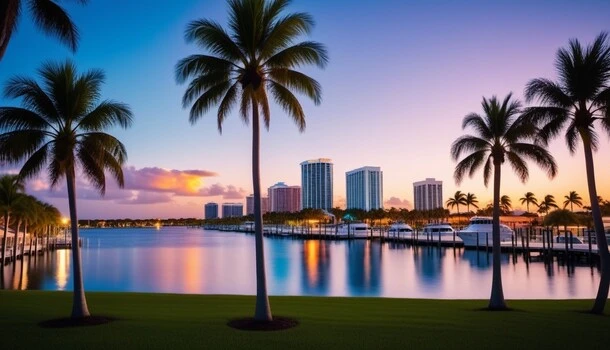


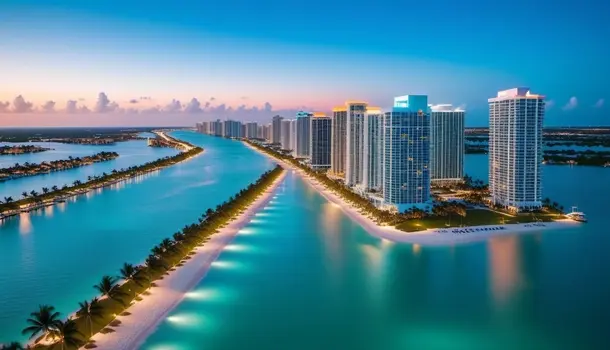
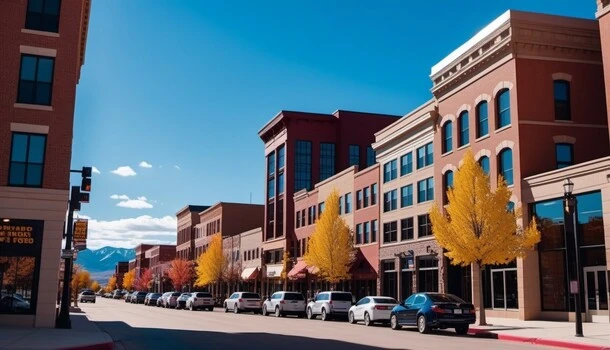
Weather in Other regions of the United States
 !
!
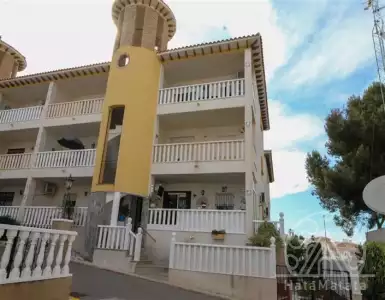
For sale Flat , Spain 212 819 $
📌 A few apartments for sale in Cala de Finestrat - a cozy place between Benidorm and Vieijahoyosa with a...
 !
!
Flat for sale , Cyprus 125 846 $
The new residential complex is located in the foothills of Alsanjak. The complex consists of two two-storey buildings. Block A - 12...
For Sale Real Estate in Other regions of the United States
Other Properties in Washington
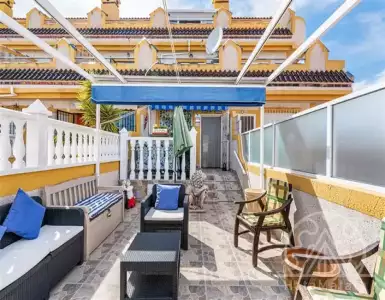
 3
3
 2
2
 110
110
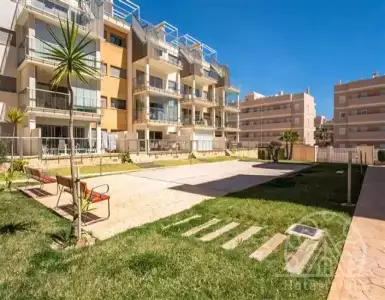 2
2
69
2
2
69
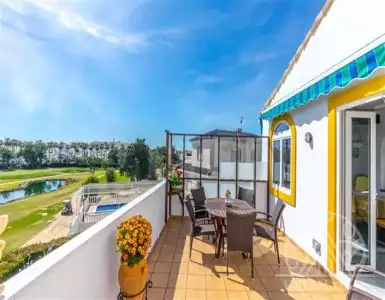 3
3
114
3
3
114
Houses in Washington
 4
3
178
4
3
178
 3
2
148
3
2
148
 3
4
137
3
4
137
Do you want to buy real estate in Other regions of the United States? We'll tell you where to start
Leave a request and we will select the 3 best options for your budget
International Real Estate Consultant
Flats in Washington
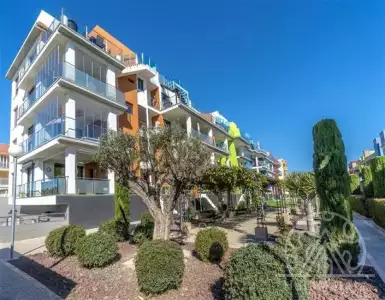

Selection real estate in Other regions of the United States in 15 minutes
Leave a request and we will select the 3 best options for your budget
🇺🇸 Buying real estate: property listings and market data for other U.S. regions
Buying property in Other regions of the United States combines practical opportunity with clear legal steps and market variety — from fast-growing Sun Belt metros to quieter mountain and Midwest towns. Whether you are a private buyer seeking a second home, an international investor chasing rental yield, or a family relocating for better schools and healthcare, these markets offer concrete choices: affordable single-family homes in Jacksonville, high-growth condos in Austin’s tech corridor, vacation rentals on the Gulf Coast near Tampa. The paragraphs below map geography, economy, prices, developers, financing, and the purchase process so you can act with confidence.
🌎 Geography and climate in Other regions of the United States
Many markets classified as Other regions of the United States lie in the Sun Belt, Mountain West and parts of the Midwest with distinct transport links and climates. Cities such as Austin (Texas), Phoenix (Arizona), Tampa and Orlando (Florida), Charlotte and Raleigh (North Carolina), Denver (Colorado) and Boise (Idaho) combine warm-to-temperate climates with clear seasonal patterns and good year-round accessibility by air and road. Major airports serving these areas include Austin-Bergstrom (AUS), Phoenix Sky Harbor (PHX), Orlando International (MCO), Tampa International (TPA), Charlotte Douglas (CLT) and Denver International (DEN).
Infrastructure in these regions supports family life and business growth through established hospitals, universities and logistics hubs. Universities include University of Texas at Austin, Arizona State University (Tempe), University of Central Florida (Orlando), Duke/UNC in the Research Triangle (Raleigh-Durham). Medical centers such as Mayo Clinic-affiliated facilities, Tampa General Hospital, Banner Health (Phoenix) and Duke University Health provide tertiary care. Road networks include interstates I-10, I-40, I-75 and I-95 as well as freight-accessible ports (Port of Charleston, Port of Jacksonville) that support trade and jobs.
Lifestyle infrastructure is strong: planned communities, regional parks, golf resorts and entertainment districts. Many regions feature mixed-use developments near light rail or commuter lines (e.g., Charlotte’s Lynx Blue Line, Denver RTD) and growing coworking clusters that support relocation and remote work. These connectivity advantages make property in Other regions of the United States attractive for both living and investment.
📈 Economy and investment potential in Other regions of the United States
The US economy provides the backdrop: national GDP is about $26 trillion, with many of these secondary metros contributing substantial regional output and job creation. Austin and Phoenix show fast employment growth in tech and healthcare, while Charlotte ranks as a banking center with major employers like Bank of America and Wells Fargo operations. Orlando and Tampa rely on tourism and logistics, combining seasonal peak demand with year-round rental markets. Raleigh’s Research Triangle supports high-tech, biotech and defense contractors, giving steady white-collar hiring.
Migration and demographic trends favor the Sun Belt and Mountain West: many metros have posted population growth rates in the range of 5–20% over the past decade, driving housing demand and rent growth. Unemployment in these areas typically tracks below or near national averages, and major employers expanding sites or headquarters can shift local housing demand sharply. Tourism numbers in Florida and Arizona produce strong short-term rental demand, with visitor counts often in the tens of millions annually for places like Orlando and Phoenix suburbs.
For investors, this economic mix translates into diversified income streams: long-term rentals supported by workforce housing demand, short-term vacation rentals near tourist nodes, and new-build communities that sell to owner-occupiers. Real estate investment in Other regions of the United States tends to show stable yields and periods of above-average appreciation when population and job growth align.
💶 Property prices in Other regions of the United States
Pricing varies significantly by metro, neighborhood and property type, with clear distinctions between new build property in Other regions of the United States and secondary market property in Other regions of the United States. Typical price ranges (approximate, market-dependent) include:
- Single-family homes: $300,000–$800,000 in many Sun Belt metros; higher in Denver and Austin where median prices can exceed $500,000.
- Condominiums and townhomes: $180,000–$450,000 in city centers; luxury condos in tech-centric downtowns can reach $700,000+.
- Vacation and short-term rental properties (coastal Florida, Arizona): $250,000–$1,200,000 depending on proximity to beach or resort amenities.
Market dynamics: new-build communities by national builders often price competitively for buyers seeking warranties and modern infrastructure, while secondary market property offers immediate cashflow potential in established neighborhoods. Expect typical unit sizes: condos 600–1,400 sq ft, single-family homes 1,400–3,000+ sq ft. Key pricing drivers include school districts, transit access, and proximity to employment centers.
Demand trends show continued appetite for affordable suburbs and smaller metros with high quality of life. Rental yields vary by market and product:
- Long-term rental gross yields: 3–8%.
- Short-term vacation yields (seasonal markets): 6–12% at peak occupancy.
- Expected annual appreciation in many secondary metros: 3–7% under stable economic conditions.
🎯 Best areas and key districts in Other regions of the United States
Specific districts and neighborhoods matter more than city names. Examples of high-demand pockets include:
- Austin: Downtown, South Congress (SoCo), Mueller, East Austin.
- Phoenix metro: Biltmore, Scottsdale (adjacent), Tempe.
- Tampa/Orlando: South Tampa, Westchase, Lake Nona (Orlando).
- Charlotte/Raleigh: South End (Charlotte), Dilworth, North Hills (Raleigh), Cary.
- Denver: LoDo, Central Park (formerly Stapleton), Highlands.
- Boise: North End, Harris Ranch.
- Jacksonville: Riverside/Avondale, San Marco.
These districts combine access to public transit or major highways, reputable school zones, and mixed-use amenities such as grocery, restaurants and healthcare hubs. Investors often target neighborhoods within a 10–20 minute commute of central business districts or major employment parks like Research Triangle Park (Raleigh) or Lake Nona Medical City (Orlando) for stable tenant demand.
🏗️ Major developers and new projects in Other regions of the United States
National homebuilders and local developers both shape supply. Recognizable builders and firms active across these regions include:
- Lennar, D.R. Horton, PulteGroup, KB Home, Toll Brothers (single-family and master-planned communities).
- Brookfield Residential, Hines and Related handle larger mixed-use and multifamily projects in chosen metros.
- Tavistock Group developed Lake Nona in Orlando, a signature project combining medical research, education and housing.
Notable projects and community names you can track:
- Lake Nona Medical City (Orlando) — mixed-use with University of Central Florida research collaboration.
- The Villages (central Florida) — large master-planned retirement community with scale and ongoing resale market.
- Central Park (Denver) — redevelopment of former Stapleton airport lands with parks, schools and transit access.
Developers frequently offer turnkey solutions, model homes and community amenities that attract owner-occupiers and renter demographics, which is critical when matching property to buyer scenarios.
💳 Mortgages and installment plans for property in Other regions of the United States
Financing availability differs for residents and foreign buyers. Typical arrangements:
- Foreign buyers commonly face down payments of 20–30% or more, with loan-to-value ratios ranging 50–80% depending on lender and borrower profile.
- US citizens and permanent residents routinely access 15- or 30-year fixed mortgages with loan-to-value up to 95% for certain programs, though conventional offers are most common for investor purchases.
- Interest rates for mortgages in these regions generally fall in a broad range — approximately 4.5% to 8.5% — depending on credit, loan term and market cycles.
Developers often provide promotional options for new builds:
- Interest-free installment plans for construction periods (often 6–24 months) are common in master-planned communities.
- Builder financing and third-party lenders may offer tailored programs, but FHA loans are typically not available to foreign nationals, and documentation requirements include proof of income, credit history, passport/visa, and often an ITIN.
Foreign buyers should expect stricter underwriting, potential higher rates, and the necessity of wiring funds through escrow accounts with clear anti-money-laundering compliance.
🧾 Property purchase process in Other regions of the United States
The purchase process follows a standard sequence with local variations:
- Selection and offer: Buyer identifies property, submits a written offer and deposit (earnest money usually 1–3% of purchase price).
- Inspection and appraisal: Due diligence includes home inspection and lender appraisal. Appraisal is mandatory for financed purchases.
- Title search and insurance: Title companies clear liens; buyers purchase title insurance to protect ownership.
Closing and registration:
- Closing typically occurs through escrow with documents signed, funds wired or cashier’s check delivered, and deed recorded at county recorder’s office.
- Payment methods accepted are bank wires and cashier’s checks; cash transactions require additional compliance.
- Expect closing costs in the range of 2–5% of the purchase price, covering transfer taxes, title insurance, recording fees and lender fees.
Foreign buyers should work with a real estate attorney experienced in US transactions, obtain an ITIN if needed for tax filings, and confirm transfer procedures with their bank to avoid wiring delays.
⚖️ Legal aspects, residence permits and citizenship related to property in Other regions of the United States
Ownership of US property alone does not provide automatic residence or citizenship. The common investor pathways are:
- EB-5 Immigrant Investor Program: requires a qualifying investment of $800,000 to $1,050,000 depending on targeted employment area and creation of 10 full-time jobs; real estate development can be part of eligible projects but passive residential purchases alone do not qualify.
- E-2 Treaty Investor visa: available to nationals of treaty countries who invest in and run a qualifying business, not for passive property ownership.
Tax and regulatory considerations for foreign buyers include:
- FIRPTA withholding on sale proceeds for foreign sellers, US income tax on rental income, and potential estate tax exposure — tax ID and filings are essential.
- Legal forms of ownership include individuals, LLCs and corporations; many foreigners use an LLC for liability protection and ease of transfer.
If residence permit through property purchase, or citizenship by real estate investment, are primary goals, consult an immigration attorney — property alone will not grant a green card or citizenship in the usual non-EB-5 scenarios.
🔍 Investment advantages and buyer scenarios in Other regions of the United States
Different buyer goals fit different markets and products. Typical scenarios and matches:
- Long-term rental income: suburbs near employment centers (Charlotte suburbs, Raleigh/Cary) — target 3–6% gross yields with stable tenancy.
- Short-term vacation rentals: coastal Florida, Orlando and Phoenix resort areas — target 6–12% seasonal yields, higher occupancy in peak months.
- Appreciation/long-term investment: tech-driven metros (Austin, Denver, Raleigh) — historically stronger price growth and demand for new build property in Other regions of the United States.
- Family purchase/relocation: neighborhoods with reputable public schools (Cary NC, South Tampa FL, East Nashville TN) and proximity to hospitals and universities.
Buyer checklist by scenario:
- Living/relocation: prioritize school districts, commute times and healthcare access.
- Rental income: choose markets with tenant demand, vacancy rates under 8–10%, and landlord-friendly local regulations.
- Vacation/short-term: verify local STR regulations and seasonal demand metrics before purchase.
These scenarios help determine the right product: single-family home for families, condos and townhomes for investors and second-home buyers, and new builds for hands-off buyers wanting warranties and installment options.
Purchasing property in Other regions of the United States requires matching specific neighborhoods to clear financial and lifestyle objectives, working with established developers or experienced real estate agents, and aligning financing with local rules. If you prefer, next steps can include a tailored market shortlist (cities, neighborhoods, price bands), introductions to lenders who work with international buyers and a checklist for inspections and tax planning so your purchase proceeds smoothly.
Frequently Asked Questions
Prices vary by subregion: Midwest median homes often $150,000–$300,000; South $200,000–$400,000; Mountain/Intermountain $300,000–$600,000; Pacific/Coastal other than major metros $400,000–$800,000. Urban centers push higher, small towns lower. Expect variation by county, property type and condition. Use local comps for exact pricing.
Yes—foreign individuals can hold fee simple title. Lenders often require larger down payments (20%–40%) and proof of income/credit. Nonresidents may need an ITIN. When a seller is foreign, withholding rules may apply on sale proceeds under FIRPTA. Taxes and financing terms differ by state and lender.
Gross rental yields typically range 4%–8% in larger markets; smaller cities and some Sunbelt/secondary cities can reach 8%–12%. Net yields after expenses often fall 2%–6%. Liquidity: resale often 3–12 months depending on location and price point. Evaluate local rents, vacancy rates and operating costs.
Many areas offer affordable housing and family services. Expect variation: suburban/urban areas provide schools, hospitals, public transit; rural zones may have limited services. Look for school ratings, nearest hospitals, commute times and childcare. Plan 1–3 months to secure housing, enroll kids, and set utilities.
Urban and suburban areas typically offer 100+ Mbps broadband and coworking options; rural areas may be <25 Mbps. Short-term rentals and month-to-month leases are common in tourist towns. For long stays, check short‑term rental rules and local internet reliability. Note visa rules—working remotely from the US requires appropriate authorization.
No—property purchase alone does not grant US residency. Investor immigration routes exist: EB-5 requires a large qualifying investment (commonly in the ~$800,000–$1,050,000 USD range) and job creation; E-2 investor visas are available only to nationals of treaty countries and require an active business. Consult immigration counsel for options.
Buyer closing costs often run 2%–5% of purchase price (USD). Property tax rates vary widely—roughly 0.5%–2% of assessed value annually. Expect transfer taxes in some jurisdictions. Capital gains taxed federally up to ~20% for long-term gains (plus possible 3.8% NIIT) and state taxes vary. Budget for insurance, HOA fees and maintenance.
Timelines: cash deals can close in 7–21 days; financed purchases usually 30–60 days. Allow 7–14 days for inspections, 7–21 days for appraisal and loan processing, and extra time for title clearance or permits. Local recording offices affect final recording times.
Watch flood or wildfire zones, unclear titles, unpermitted work, HOA restrictions, and local rent-control or short-term rental bans. Overpaying due to poor comps, inadequate inspections, and unexpected property taxes or insurance increases are common. Always review local zoning and environmental disclosures.
Rules vary by county/city—some allow short‑term rentals with licensing and occupancy taxes; others ban them or restrict HOA-approved properties. Permit timelines can be 2–8 weeks or longer. Check local ordinances, nightly tax rules, and insurance requirements; noncompliance can lead to fines or forced closure.
Property by cities
Properties by Region
Properties by Country
- Real estate in Bulgaria (11408)
- Real estate in Montenegro (5361)
- Real estate in Indonesia (2423)
- Real estate in Spain (2289)
- Real estate in Portugal (1975)
- Real estate in Italy (1895)
- Real estate in Turkey (1699)
- Real estate in Cyprus (1587)
- Real estate in Thailand (1565)
- Real estate in Croatia (1431)
- Real estate in Greece (1080)
- Real estate in USA (1013)
- Real estate in France (1006)
- Real estate in Georgia (519)
- Real estate in Serbia (328)
- Real estate in Slovenia (123)
- Real estate in Egypt (23)
Free real estate consultation in Other regions of the United States
Don't know which area to choose in Other regions of the United States? We will tell you in which areas it is better to live or invest, and show you the appropriate options.

Maria Guven
Head of Direct Sales Department
+90-507-705-8082