


Real Estate in Boston
- ✓ Verified properties directly from developers
- ✓ No overpayments or commissions
- ✓ Guarantee of transaction purity and post-purchase support

International Real Estate Consultant
Leave a request and our manager will contact you.
International Real Estate Consultant
Hot Deals

For Sale Real Estate in Boston
10 listings

 4
4
 5
5
 286
286
Maison Commonwealth is a boutique complex of five apartments, consisting of two combined brownstones and a brand new building facing...
Submit Request
 3
4
220
3
4
220
Maison Commonwealth is a boutique complex of 5 apartments, consisting of two combined brownstones and a brand new building overlooking...
Submit Request




 3
3
296
3
3
296
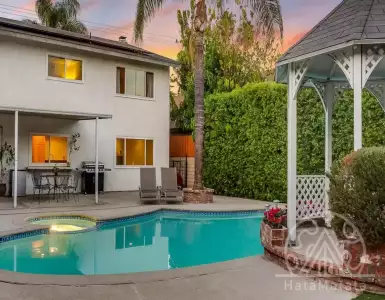
This meticulously renovated and beautifully appointed 3 bedroom, 2.5 bath, 2 car garage home features 12 foot ceilings and a...
Submit Request
Real estate in Boston for living, investment and residence permit
- ✓ Verified properties directly from developers
- ✓ No overpayments or commissions
- ✓ Guarantee of transaction purity and post-purchase support
International Real Estate Consultant
 6
5
427
6
5
427
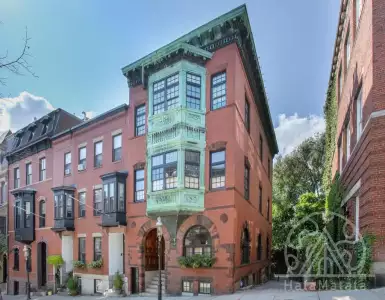
Located at the top of Monument Avenue, this architecturally significant 6+BR-4.5BA single family home embodies timeless classic style with modern...
Submit Request
 1
2
95
1
2
95
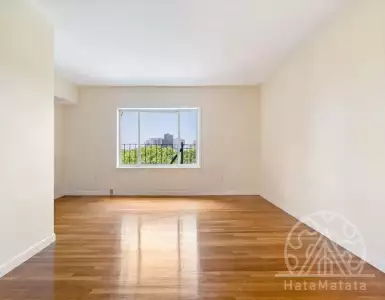
Presenting an opportunity to develop this Beacon Street home. Ideally located between Dartmouth and Exeter Street, this two-story building consists...
Submit Request
 4
5
274
4
5
274
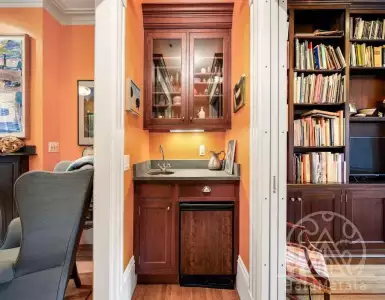
Indulge in the luxury of urban living in this beautifully renovated single-family home in Boston's South End neighborhood. This meticulously...
Submit Request

Recommended to see
 2
3
178
2
3
178
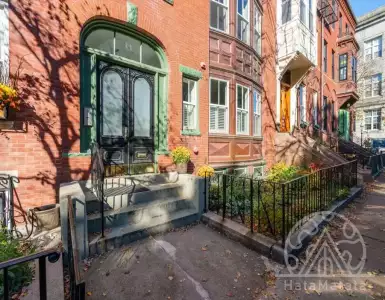
Located on Monument Square in a beautiful brick townhouse, this elegant three-story condominium offers two bedrooms and three bathrooms, as...
Submit Request
 3
2
158
3
2
158
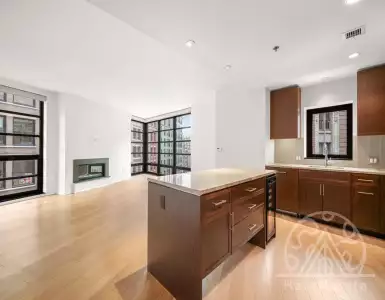
Rare 3-bedroom home at Millennium Place in the heart of Boston offers additional amenities such as on-site valet parking. This...
Submit Request
 3
2
170
3
2
170
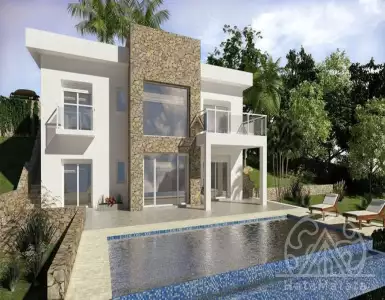
Project for sale on a 1200 m2 plot, designed for the year 2024, new construction of 170 m2 housing, beautiful...
Submit Request
 4
4
368
4
4
368
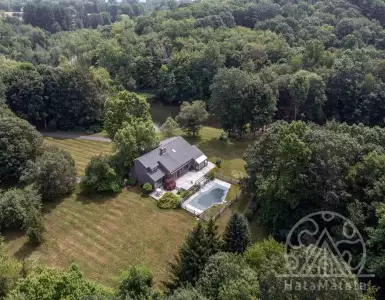
25+ gorgeous Washington acres with a contemporary home with southwest views, heated pool and aeration pond in a magical location...
Submit Request
 3
2
143
3
2
143
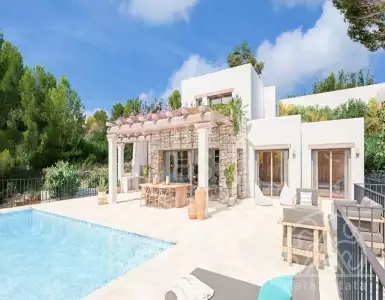
Welcome to a world where architectural beauty meets the tranquility of nature. This Ibiza-style villa project, located in the prestigious...
Submit Request
 5
8
911
5
8
911
Stone Bridge. Classic country estate with modern amenities. Impeccable stone and tile home situated on 24.9+ private bucolic acres in...
Submit Request
 2
2
79
2
2
79
If you want to get rid of having to pay rent and start building equity every month, the perfect alternative...
Submit Request
 4
3
178
4
3
178
New promotion for standalone villas in Vistabella Golf, a residential resort built around the golf course of the same name,...
Submit Request
 3
2
148
3
2
148
New promotion for detached villas in Vistabella Golf - a residential resort built around the golf course of the same...
Submit Request
 1
1
47
1
1
47
Apartment La Regia on the second floor, 48 m2 with one large bedroom, bathroom, separate kitchen, large living room, terrace...
Submit Request
 2
2
69
2
2
69
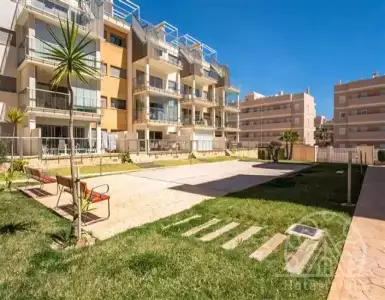
Welcome to this well-maintained apartment with modern and beautiful furniture in the popular area of Villamartin and in a well-kept...
Submit Request
 3
3
83
3
3
83
Phase 2 just released (Phase 1 all 6 sold this model) L-Shape Deluxe NEW Detached Villas on 540m2 plots with...
Submit Request
Real Estate in Boston
- ✓ Verified properties directly from developers
- ✓ No overpayments or commissions
- ✓ Guarantee of transaction purity and post-purchase support
International Real Estate Consultant
Leave a request and our manager will contact you.
International Real Estate Consultant
Need help choosing real estate in Boston?
Leave a request and we will select the 3 best options for your budget
!
House for sale in Boston, USA 7 578 776 $
Maison Commonwealth is a boutique complex of 5 apartments, consisting of two combined brownstones and a brand new building overlooking...
!
Flat for sale in Boston, USA 1 683 117 $
Located on Monument Square in a beautiful brick townhouse, this elegant three-story condominium offers two bedrooms and three bathrooms, as...
🇺🇸 Boston and US real estate: brownstones, waterfront condos, transit hubs
Boston sits at the intersection of history and innovation — a compact, highly walkable American metropolis where centuries-old brick townhouses and historic brownstones stand alongside glass towers housing biotech labs and luxury condos. Buyers looking for property in Boston will find a diverse urban fabric: waterfront living on the Seaport, historic charm in Beacon Hill, and fast-growing mixed-use neighborhoods in Fenway and Somerville. The local climate is temperate with four defined seasons, cold winters with coastal snow patterns, and warm, humid summers; nearby beaches such as Revere Beach and the Boston Harbor Islands are within easy reach for weekend leisure. For private buyers, families, and investors, Boston combines strong rental demand, top-tier universities, and an economy driven by healthcare and technology that supports long-term real estate fundamentals.
💼 Boston city overview and lifestyle for property buyers
Boston’s core is compact and highly amenitized, stretching from the Financial District through Back Bay to the waterfront Seaport District, with rapid growth spilling over into Cambridge and Somerville across the Charles River. Neighborhoods are connected by a high-density urban grid; residents trade long commutes for proximity to work, parks, restaurants, and cultural institutions. Boston’s population density and concentration of universities create a reliable housing demand base from students, young professionals, and high-earning biotech employees.
Boston combines historic architecture with modern planning: colonial-era districts like Beacon Hill and the North End coexist with master-planned developments such as Seaport Square and Assembly Row in Somerville. The city places a premium on walkability, transit access, and neighborhood services, which sustains strong resale values for well-located properties. Buyers of property in Boston benefit from a stable civic infrastructure, world-class hospitals, and an ecosystem that supports innovation-driven employment growth.
Lifestyle options span quiet, tree-lined brownstone streets to high-rise luxury with rooftop amenities and concierge services. Waterfront living offers views of Boston Harbor and access to the HarborWalk, while inland neighborhoods provide family-friendly schools and larger townhouse footprints. The variety makes Boston suitable for buyers seeking primary residences, second homes, or investment property in Boston with different risk and return profiles.
🏘️ Which district of Boston to choose when buying property in Boston
Back Bay and Beacon Hill are the city’s premium historic cores, appealing to buyers who value classic architecture, high-end retail on Newbury Street, and proximity to the Public Garden. Buyers here often prioritize lifestyle and long-term capital appreciation.
South End and Fenway combine brownstones with new mixed-use buildings; they attract creative professionals and families seeking eclectic dining, galleries, and parks. Amenities include strong transit connections and community-oriented services.
Seaport District targets luxury buyers and corporate tenants with waterfront developments, high-rise condos, and direct proximity to the convention center and tech offices. The profile includes executives, corporate relocation clients, and investors targeting premium short- and long-term rentals.
-
Prices by district (typical ranges per sq ft):
- Back Bay / Beacon Hill: $900–1,500/sq ft
- Seaport / Downtown: $900–1,600/sq ft
- Fenway / South End: $600–1,000/sq ft
- Cambridge / Kendall Square: $800–1,400/sq ft
- Allston / Brighton: $400–600/sq ft
- Dorchester / Roxbury: $250–500/sq ft
-
Target buyer profiles by neighborhood:
- Back Bay / Beacon Hill — premium owner-occupiers and luxury investors
- Seaport — corporate executives, high-net-worth buyers, premium rentals
- Fenway / Allston — students, young professionals, rental investors
- Cambridge / Kendall — researchers, biotech employees, owner-investors
💶 Property prices in Boston and market overview
Boston’s market shows clear segmentation between luxury waterfront and historic cores versus more affordable inland neighborhoods. Average condo prices in central Boston commonly fall within a broad range reflecting micro-location, with citywide averages often between $700–1,100 per square foot depending on building age and amenities. Single-family homes in desirable suburbs and Boston-adjacent neighborhoods typically command higher per-property prices and larger footprints ranging from 1,500 to 3,500+ sq ft.
Price ranges by property type:
- Apartments/condos: $400–1,600 per sq ft depending on district and newness
- Townhouses/brownstones: $1,000,000–6,000,000+ depending on block and historic value
- Single-family homes (nearby suburbs): $700,000–3,000,000+
- Commercial units and retail space: location-driven with premium rents in Seaport and Back Bay
Recent market dynamics show steady demand driven by employment in healthcare, education, and technology; rental yields for central condos typically range from around 3–5% gross, while student- or multi-bed rental conversions in Allston or near Northeastern can yield 5–8% gross. Off-plan property in Boston and new developments in Boston are concentrated in Seaport, Fenway, and Somerville, where pre-sales often include developer incentives and limited installment plan options.
🚆 Transport and connectivity in Boston for residents and investors
Boston’s MBTA system — commonly called the “T” — provides the backbone for urban mobility. Red Line connects downtown to Cambridge and the north shore of the metro; Green Line serves Back Bay, Fenway, and Brookline; Orange Line links to the western neighborhoods; Blue Line connects to Logan Airport and East Boston. The Silver Line offers rapid bus service to the Seaport and direct airport link. Commuter Rail extends regional connectivity to suburbs and neighboring states.
- Typical travel times and routes:
- Downtown to Kendall Square (Cambridge): 10–20 minutes by car or T
- Seaport to Back Bay: 10–15 minutes by car, 15–25 minutes by transit
- Logan Airport to Seaport: 10–20 minutes by car or Silver Line
Ferry services operate from Long Wharf to Charlestown, Hingham, and Hull, providing alternative commuting options and tourist transport. Road access includes I‑93 and the Massachusetts Turnpike (I‑90), with peak congestion common during rush hours; parking is at a premium in core neighborhoods, influencing buyer preferences for transit-adjacent properties.
🏥 Boston infrastructure, schools, hospitals and amenities
Boston offers world-class medical and educational institutions that anchor neighborhood demand. The Longwood Medical Area includes Brigham and Women’s Hospital, Boston Children’s Hospital, and Dana‑Farber Cancer Institute, while Massachusetts General Hospital and Tufts Medical Center are centrally located. Higher education anchors include Harvard University, MIT (across the river in Cambridge), Boston University, and Northeastern University, which create sustained rental pools and owner-occupier demand.
Retail and leisure facilities include Prudential Center, Copley Place, the shopping and dining corridors of Newbury Street, and Seaport’s growing retail and hospitality offerings. Green spaces such as Boston Common, the Public Garden, the Esplanade, and the Arnold Arboretum are major lifestyle draws for families and executives.
- Key facilities and neighborhood assets:
- Educational: Harvard, MIT, Boston University, Northeastern, Berklee College of Music
- Medical: Mass General, Brigham and Women’s, Boston Children’s, Dana‑Farber
- Shopping and leisure: Prudential Center, Seaport World Trade Center, Newbury Street
💼 Economic environment and development in Boston
Boston’s economy is anchored by healthcare, higher education, finance, and a globally recognized life sciences cluster centered in Kendall Square and the Longwood Medical Area. Major employers include research institutions and companies such as Vertex Pharmaceuticals, Biogen, State Street, and Fidelity Investments, which provide a diversified employment base and high-skilled job growth. Tourism supports hospitality and short-term rental demand through historic sites like the Freedom Trail, while conventions and corporate events drive Seaport foot traffic.
City planning emphasizes transit-oriented development, with major projects focused on mixed-use density in the Seaport, revitalization around Fenway, and expansion in Somerville/Assembly Row. Real estate investment in Boston benefits from sustained corporate leasing activity and an ecosystem that tends to protect rental demand during economic cycles.
🏗️ Property formats and housing types in Boston
Boston’s housing stock ranges from historic brownstones and low-rise walk-ups to modern high-rise condos and purpose-built rental towers. New developments in Boston emphasize amenities: rooftop terraces, fitness centers, co-working lounges, and integrated retail. Resale property in Boston often features period details and larger floorplates in neighborhoods like Back Bay and Beacon Hill; these properties tend to attract long-term owner-occupiers.
- Common property formats:
- Historic brownstones and townhouses (Beacon Hill, Back Bay, South End)
- Mid-rise and high-rise condominiums (Seaport, Downtown, Fenway)
- Multi-family rental properties (Allston, Brighton, Dorchester)
- New build property in Boston and off-plan property in Boston (Seaport, Assembly Row)
New-build projects often provide pre-sale pricing with staged payments and limited off-plan offers; resale property in Boston frequently comes with established rental histories and immediate cashflow potential for investors.
🏢 Developers and key residential projects in Boston
Boston’s development landscape includes both local and national developers. Notable names active in the market include Samuels & Associates (known for projects such as Ink Block and One Seaport Square), Millennium Partners (Millennium Tower Boston), National Development (Assembly Row in Somerville), Boston Properties (large commercial and mixed‑use holdings), Hines, Lendlease, and Related Beal on various mixed-use and residential schemes.
- Representative projects and developer traits:
- One Seaport Square (Samuels & Associates) — large-scale mixed-use with retail, rental, and condo components
- Ink Block (Samuels) — adaptive-reuse and new residential with strong neighborhood amenities
- Assembly Row (National Development) — master-planned mixed-use with strong transit and retail
Developers in Boston generally prioritize resiliency, high-quality finishes, and community amenities. Buyers evaluating new developments should review warranty coverage, condo association documents, and completion timelines, and consider developer track record for on-time delivery and post‑closing support.
💳 Mortgage, financing and installment options for property in Boston
Financing is widely available from major U.S. banks such as Bank of America, Chase, Wells Fargo, and regional lenders; mortgage products include conventional 15- and 30-year fixed-rate loans, adjustable-rate mortgages, and portfolio loans for non‑traditional borrowers. Foreign buyers can typically obtain financing but should expect larger down payments — often 30–50% — and lender requirements for documentation such as tax returns, international credit references, and proof of income.
- Typical financing landscape:
- Down payment: 20%+ for residents, 30–50% common for foreign buyers
- Loan terms: 15–30 years fixed, with adjustable options available
- Closing costs and fees: 2–5% of purchase price plus title and recording fees
Developer installment plans and off-plan payment schedules are sometimes offered on new build property in Boston, particularly in Seaport and Somerville, allowing staged deposits during construction. Buyers seeking a property in Boston with mortgage or property in Boston with installment plan should pre-qualify with a lender and, for foreign buyers, consult mortgage brokers experienced with international documentation.
📝 Property purchase process in Boston for foreign buyers
The standard purchase workflow begins with buyer pre-approval, property search with a licensed real estate agent, and submission of a Purchase and Sale Agreement. Offers can be contingent on financing and inspection; once accepted, a deposit is typically placed in escrow and the buyer has a due diligence period. Massachusetts customarily allows buyers to use attorneys to review contracts and handle title work.
- Step-by-step essentials:
- Obtain mortgage pre-approval or confirm financing capacity
- Engage a local real estate agent and attorney to draft and review offers
- Perform inspections, secure title insurance, and satisfy lender conditions
- Close via wire transfer to escrow or certified funds; record deed and pay closing costs
Foreign buyers should be prepared for wire transfer protocols, anti-money-laundering checks, and the need for an Individual Taxpayer Identification Number (ITIN) for tax reporting. Escrow, title insurance, and a local attorney are standard elements of closing.
⚖️ Legal aspects, taxes and residence options when buying property in Boston
Foreign nationals can own property in Boston fee simple without restrictions. Property taxes are assessed locally and typically amount to around 1–1.2% of assessed value annually, varying by assessment and exemptions. Rental income is subject to federal and Massachusetts state taxation; non-resident owners must file U.S. tax returns and can deduct allowable expenses such as mortgage interest and depreciation. FIRPTA rules may affect foreign sellers on disposition, and buyers should consult a tax advisor for withholding obligations.
- Key legal and tax considerations:
- Ownership: unrestricted fee simple ownership for foreign buyers
- Taxation: rental income taxed at federal and state levels; capital gains rules apply
- Residency: owning property does not confer a residence permit; U.S. visas or EB-5 investor routes are separate and require specific investment thresholds and legal processes
Title searches, title insurance, and the use of experienced real estate counsel are essential to manage title defects, zoning issues, and condominium documents.
📈 Property use cases and investment strategies for Boston real estate
Boston supports multiple investment strategies depending on neighborhood and property type. For permanent residence, buyers often choose Back Bay, Beacon Hill, or the South End for lifestyle and schools. For long-term rental and capital appreciation, Kendall Square and Seaport attract high-income tenants from biotech and tech sectors. For student housing or cashflow-driven investments, Allston, Fenway, and areas near Northeastern and Boston University are prime.
- Use cases with district recommendations:
- Permanent residence: Back Bay, Beacon Hill, South End — townhouses and luxury condos
- Long-term rental investment: Kendall Square, Seaport, Cambridge — new builds and high-end condos targeting professionals
- Short-term rental / holiday use: Seaport and Downtown — regulatory environment is restrictive and requires careful compliance
- Student housing and high-yield rental: Allston, Fenway, near Northeastern — multi‑bed units and shared housing
Investment property in Boston benefits from strong employment anchors, but investors must account for local regulation on short-term rentals, maintenance costs, and condominium rules that can affect rental operations and ROI.
Boston’s market rewards informed buyers: selecting the right district, understanding financing nuances, and partnering with local agents, attorneys, and lenders creates options for luxury buyers, owner-occupiers, and yield-driven investors alike. Whether you pursue new developments in Boston, a resale property in Boston’s historic core, or an off-plan property in Boston with an installment plan, aligning strategy to neighborhood fundamentals and legal requirements will be the deciding factor in long-term success.
Frequently Asked Questions
What do properties cost in Boston?
Prices vary by type and neighborhood. Typical condo units in Boston city proper commonly range roughly $400,000–$1,500,000 (≈$600–$1,200+ per sq ft). Single‑family homes inside the city often run $700,000–$2,500,000. More affordable pockets (outer Dorchester, East Boston) trend lower; luxury areas (Back Bay, Beacon Hill, Seaport) command premiums above these ranges. Expect wide variation by size, condition, and proximity to transit.
Can foreigners buy real estate in Boston?
Yes. Non‑US citizens can buy and hold property in Boston with no special ownership restrictions. Financing is available but typically requires larger down payments (often 25–40%), proof of income, and an ITIN or US tax ID can help. Foreign sellers face U.S. tax rules (FIRPTA may apply on sale) and must file U.S. tax returns for rental income; consult a U.S. tax attorney or CPA to plan withholding, reporting and estate implications.
Is Boston a good city to invest in real estate?
Investment fundamentals are strong: high rental demand from universities, hospitals and tech employers gives steady occupancy. Typical gross rental yields citywide run about 3–6% (lower in core luxury areas, higher in outer neighborhoods). Liquidity is good in central neighborhoods; expect peak leasing season in late summer (student/academic cycle). Appreciation and cashflow depend on location, capex and financing costs.
How long does buying property in Boston take?
Timelines vary: cash closings can complete in about 2–6 weeks; mortgage purchases typically take 6–10 weeks from offer to closing. Allow 5–10 business days for inspection contingency, 2–6 weeks for mortgage underwriting and appraisal, and extra time for condo association review or municipal certificate issues. Off‑plan purchases follow developer schedules and can take months to years to complete.
What taxes and fees apply when buying in Boston?
Buyers should budget closing costs roughly 2–5% of purchase price (title, recording fees, attorney, municipal fees; some costs may be negotiable). Property tax is billed annually by the city and often represents well under 1% of market value in many Boston neighborhoods. Rental income is taxed federally and at the Massachusetts state rate (~5%); capital gains also face federal and state tax. Expect realtor fees, inspections and potential HOA/condo assessments.
Which Boston neighborhoods rent best for investors?
High‑demand rental neighborhoods include Allston/Brighton and Fenway/Mission Hill (student and young‑professional demand), Seaport and Back Bay (jobs/amenities, lower yields but strong appreciation), and parts of Dorchester and East Boston (higher yields, lower entry prices). Gross yields can range ~4–6% in university/commuter areas and 3–4% in premium downtown sectors; tenant turnover, parking and transit access affect net returns.
Can I do short‑term rentals in Boston?
Short‑term rentals are regulated: the city requires registration and compliance with local rules and occupancy taxes; non‑owner‑occupied listings face tighter limits in many areas. Short‑term can increase gross income (commonly 10–40% above long‑term rates in high‑tourism or event neighborhoods) but carries higher operating costs, vacancy risk and regulatory compliance — always check current city registration, local zoning and condo rules before listing.
Are off‑plan (pre‑construction) buys safe in Boston?
Off‑plan purchases carry common risks: construction delays, scope changes, financing gaps and developer performance. Typical buyer protections to seek: staged deposits held in escrow, clear completion dates and remedies, performance bonds or guarantees, detailed condo/CC&R documents, and warranties at closing. Use a local real estate attorney for contract review and insist on triggers for remedies if milestones are missed.
Should I buy in Boston to live or to rent out?
Decide by cashflow and lifestyle: lenders often require 3–5% down for primary homes (lower rates), but investor loans typically need 20–30% down and higher interest rates. Owner‑occupied properties qualify for different tax treatments and mortgage programs; investment properties face higher insurance, different eviction rules and potential HOA rental caps. Run pro forma comparing expected rent, expenses, financing and your holding horizon.
Is Boston suitable for digital nomads or remote workers?
Yes—Boston has strong internet infrastructure (many areas 100–1,000+ Mbps available), plentiful coworking and café options, excellent healthcare and transit. Short stays are easy via longer short‑term leases or furnished rentals; note visa rules: eligible nationals may use the Visa Waiver Program (ESTA) for up to 90 days, others require a B‑2 tourist visa (up to 6 months) — you cannot work for a U.S. employer while on tourist status.
Property by cities
Properties by Region
Services in Boston
Properties by Country
- Real estate in Bulgaria (11472)
- Real estate in Montenegro (5333)
- Real estate in Spain (5197)
- Real estate in Indonesia (2424)
- Real estate in Turkey (2171)
- Real estate in Portugal (2037)
- Real estate in Croatia (1682)
- Real estate in Cyprus (1603)
- Real estate in Thailand (1565)
- Real estate in Italy (1551)
- Real estate in Greece (1129)
- Real estate in France (1071)
- Real estate in USA (732)
- Real estate in Georgia (508)
- Real estate in Serbia (274)
- Real estate in Slovenia (125)
- Real estate in Egypt (27)
Get the advice of a real estate expert in Boston — within 1 hour
Looking for a property in Boston? Leave a request — we will help you take into account all the nuances, and we will offer objects according to your personal request.

Maria Guven
Head of Direct Sales Department
+90-507-705-8082