


House in Other regions of the United States
Do you want to buy house in Other regions of the United States? We'll tell you where to start

Liliya
International Real Estate Consultant
Need help choosing a property?
Leave a request and our manager will contact you.
International Real Estate Consultant
House in Other regions of the United States
Do you want to buy house in Other regions of the United States? We'll tell you where to start
Liliya
International Real Estate Consultant
Need help choosing a property?
Leave a request and our manager will contact you.
International Real Estate Consultant
Selection houses in Other regions of the United States in 15 minutes
Leave a request and we will select the 3 best options for your budget
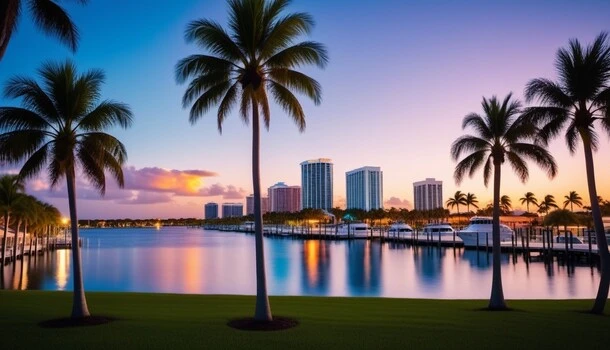



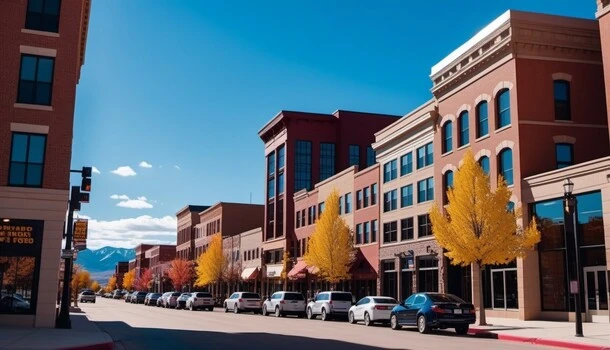
Weather in Other regions of the United States
 !
!
For sale Flat , Spain 210 942 $
📌 A few apartments for sale in Cala de Finestrat - a cozy place between Benidorm and Vieijahoyosa with a...
 !
!
Flat for sale , Cyprus 125 285 $
The new residential complex is located in the foothills of Alsanjak. The complex consists of two two-storey buildings. Block A - 12...
For Sale house in Other regions of the United States
Houses in Washington

 4
4
 3
3
 178
178
 3
2
148
3
2
148
 3
4
137
3
4
137
Didnt find the right facility?
Leave a request - we will handle the selection and send the best offers in a short period of time



Irina Nikolaeva
Sales Director, HataMatata
Selection houses in Other regions of the United States in 15 minutes
Leave a request and we will select the 3 best options for your budget
🇺🇸 Buying a house in Other U.S. regions — market factors, costs, neighborhood insights
The United States is a diverse nation encompassing a range of regions with unique characteristics and investment opportunities. When it comes to buying a house in the Other regions of the United States, you are entering a landscape rich in choices, from urban centers to more rural and serene environments. This guide aims to provide prospective buyers — whether you are a private individual or an investor — with critical insights into the dynamics of the housing market, the benefits of specific regions, and the steps crucial for a successful purchase.
🌎 Understanding the Characteristics of Other Regions of the United States
The Other regions of the United States include areas outside of major metropolitan hubs like New York, Los Angeles, and Chicago. This includes, among others, the South, Midwest, and parts of the Northeast, each presenting a variety of climates, geographies, and lifestyles.
-
Geographical Variability: Many regions feature sprawling landscapes, from the rolling hills of the Midwest to the coastal charm of the Southeast. This geographical diversity affects not just the aesthetics but also the types of properties available. For example, beachfront properties in Florida or picturesque farmhouses in Ohio.
-
Climate and Lifestyle: The climate can dramatically influence a buyer's decision. Warmer regions, like Florida, often attract seasonal residents or retirees, while colder states like Minnesota can be appealing to those who enjoy winter sports and seasonal changes. This variance results in fluctuating demand for homes based on lifestyle preferences.
-
Infrastructure and Transport: Solid infrastructure and transport options are vital when considering where to buy a house. Regions with robust public transport, such as parts of New Jersey near New York, tend to attract young professionals. Conversely, areas in rural states may rely more on highway accessibility, catering to families looking for space and tranquility.
The interplay of these factors notably shapes demand across different locales, drawing buyers towards specific districts. Major cities like Nashville, Atlanta, and Salt Lake City are popular not just for their vibrant cultures but also for economic opportunities, thus intensifying housing demand.
📈 Economic Factors Influencing the House Market in Other Regions of the United States
Understanding the economic landscape of the Other regions of the United States can provide valuable insights for potential buyers and investors alike.
-
GDP and Economic Growth: Many regions, especially in the South and Midwest, have seen robust economic growth. For example, states like Tennessee and Texas have consistently outpaced national GDP growth averages due to job diversification and favorable business regulations. This economic resiliency increases demand for real estate, driving up property values.
-
Tourist Flows and Rental Income: Areas that attract significant tourist traffic can present lucrative opportunities for rental investments. Orlando, Florida, is a prime example, boasting a steady influx of tourists thanks to its theme parks. As a result, short-term rental properties are often in high demand, offering substantial returns on investment.
-
Business Environment and Employment Rates: Regions that maintain low unemployment rates typically experience stronger housing markets. States like North Carolina are seeing an influx of tech firms, encouraging incoming talent who seek housing solutions. This demand correlates with rising prices and increased liquidity in the housing market.
Tax considerations also play a critical role. Many states offer tax incentives that can entice buyers, such as lower property taxes compared to the national average, thus enhancing the overall appeal of investment in these regions.
💰 Current Price Structures for Houses in Other Regions of the United States
Price affordability can greatly influence decisions. The average price of houses in the Other regions of the United States varies significantly based on location, property conditions, and market factors.
-
Price Ranges: In popular areas like Austin, Texas, the average price for a new house is around $400,000, whereas smaller cities can present significantly lower prices. For example, a single-family home in Cincinnati, Ohio, can be acquired for as low as $250,000.
-
Property Formats:
- Single-family homes: Typically range from $200,000 to $600,000, depending on the region.
- Condos and townhomes: Average around $150,000 to $350,000.
- Luxury properties: Can exceed $1 million in areas like Lake Tahoe and parts of upstate New York.
-
Market Dynamics: The current trends suggest a robust upward trajectory in many regions, with demand exceeding supply, particularly in suburban areas as families seek space post-pandemic. Average price increases of around 7-10% annually are not uncommon in thriving districts.
🏘️ Key Cities and Districts to Buy a House in Other Regions of the United States
Specific cities and districts are emerging as hotspots for homebuyers, each bringing its own unique benefits.
-
Nashville, Tennessee: Known for its live music scene, Nashville boasts a vibrant job market, excellent schools, and cultural amenities. The average price of a house here is around $400,000, with a significant demand for both new constructions and resale houses.
-
Raleigh, North Carolina: This city consistently ranks among the best places to live. The cost of living is reasonable, with average home prices around $350,000, making it attractive for families and professionals alike.
-
Salt Lake City, Utah: Boasting breathtaking views and a booming tech industry, houses in Salt Lake City average $500,000. The area's emphasis on outdoor activities also appeals to numerous buyers seeking a balanced lifestyle.
These cities benefit from well-developed infrastructure, a solid transportation network, and proximity to business centers, fostering high rental demand and resulting in a compelling housing investment climate.
🏡 Leading Developers and Projects in Other Regions of the United States
Identifying the right developer is crucial for ensuring a quality purchase. Notable developers and their projects tend to set benchmarks for excellence in the Other regions of the United States.
-
PulteGroup: A major player in the housing market, with new developments across states like Arizona and North Carolina, focusing on sustainable homes and quality construction practices. Their new builds often feature modern layouts and community amenities.
-
KB Home: Active in states like Texas and Florida, KB Home offers customizable home designs, with prices for new constructions starting from approximately $250,000. Their projects emphasize green building technologies and energy efficiency.
-
Lennar: Revered for producing community-centric developments, their projects, including those in Palm Beach County, offer luxury living spaces starting at around $700,000, with extensive recreational facilities that appeal to families.
These developers are recognized for their reliability, established track records, and knowledgeable staff, thus ensuring that buyers are making a sound investment.
🏦 Mortgage and Installment Options for Foreign Buyers in Other Regions of the United States
When it comes to financing your home, understanding the mortgage landscape is paramount, especially for foreign buyers.
-
Mortgage for House in USA for Foreigners: Many banks offer mortgages to foreign buyers, typically requiring a down payment of 20-30%. Interest rates can range from 3-5%, depending on creditworthiness and the lender.
-
Developer Installment Plans: Some developers provide flexible installment plans. Standard plans might involve a 20% down payment with remaining balance paid over two to three years while the house is under construction.
-
Bank Requirements: Foreign buyers often must demonstrate proof of income and financial standing, alongside adhering to specific capital requirements. Engaging with specialized mortgage brokers is advisable, given their understanding of the specific needs of foreign buyers.
Understanding these financial avenues can facilitate a smoother purchasing process, allowing buyers to secure their property more effectively.
🔍 Step-by-Step Process for Buying a House in Other Regions of the United States
Navigating the buying process can be straightforward when you understand the necessary steps.
-
Selection: Determine your budget, style of house, and intended use, whether it’s for personal residence or investment.
-
Reservation: Once a suitable property is identified, a reservation may be made, usually requiring a small deposit.
-
Due Diligence: Investigating the property history, neighborhood, and any legal matters related to the home is crucial.
-
Contract: Upon satisfactory due diligence, a purchase agreement is signed. Engaging a real estate lawyer can provide invaluable support here.
-
Payment: Payment terms can vary, whether readjusting a mortgage or arranging developer financing.
-
Registration: Finally, the property needs to be legally registered under your name in local government offices, usually facilitated by the notary.
The entire process can take anywhere from a few weeks to several months, depending on the property's specific legal and financial conditions.
⚖️ Legal Aspects of Owning a House in Other Regions of the United States
Understanding the legal framework surrounding homeownership is vital for a seamless experience.
-
Property Taxes: Depending on the state, property taxes can range significantly. For instance, states like New Jersey have high property taxes compared to others like Florida, where the tax burden is relatively lower.
-
Mandatory Procedures: Residency permits might be attainable through property purchases in certain states, which can be an attractive incentive for foreign buyers looking for longer-term stays.
-
Rental Rules and Regulations: If considering renting out the property, be aware that local laws may impose restrictions on short-term rentals, as seen in cities like San Francisco. Ensuring compliance will save time and potential legal issues in the future.
Purchasing a house can also open doors to further investment opportunities, including the potential for citizenship through investment in certain states.
🏡 Purposeful Buying in Other Regions of the United States
Thoughtfully considering the purpose of your purchase can lead to smarter investment or living decisions.
-
Relocation and Living: Friendly, welcoming environments like those found in Tennessee and Colorado offer favorable conditions for families and professionals seeking a complete lifestyle change.
-
Seasonal Residences: Coastal regions, particularly in Florida, are ideal for those looking to invest in second homes for seasonal enjoyment or vacation rentals, which can also yield significant returns during peak tourist seasons.
-
Investment Potential: The allure of the housing market extends to savvy investors seeking rental income. Cities with booming economies, such as Phoenix, Arizona, offer strong rental yields, making them attractive locations for investment houses.
Being mindful of your end goals while purchasing a house in Other regions of the United States can help you align with the qualities that best suit your lifestyle and investment aspirations.
Navigating the housing market in the United States is filled with opportunities. With diligent research, informed decisions, and understanding your needs, you can find a home that not only fulfills your immediate requirements but also serves as a promising investment for the future. As market trends continue to evolve, the potential for substantial returns and lifestyle improvements remains ever-present.
Frequently Asked Questions
Prices vary widely: entry-level homes often $100,000–$250,000, typical family houses $200,000–$450,000, and higher‑demand suburbs or coastal pockets can exceed $700,000. Price per sq ft commonly ranges $100–$300. Expect wide local variation by state, town, and proximity to amenities.
Long-term stays use visas or green cards (work visas, family sponsorship, student visas, or investor programs). Owning a house in Other regions of the United States does not automatically grant residency; investor visas require specific business investments or job creation. Timelines range from months for work visas to years for permanent residency.
Many Other regions of the United States offer lower housing costs, good schools, local hospitals, and shorter commutes. Public transport and specialist healthcare vary by town. For remote workers, broadband in suburban centers often hits 50–300 Mbps, but rural areas can be slower—verify local internet before moving.
Common loans: 30‑year and 15‑year fixed, adjustable-rate mortgages (ARMs), and government programs (FHA with ~3.5% down, VA zero down for eligible veterans). Typical down payments range 3%–20%. Loan approval depends on credit, income and debt-to-income ratios; shopping lenders can affect rates and terms.
Gross rental yields typically range 4%–10% depending on local rents and purchase prices; cap rates commonly fall between 5%–8% in many secondary markets. Yields are higher where prices are low and rents stable; factor vacancy, management fees and taxes into net returns.
Property tax rates in Other regions of the United States usually run about 0.5%–2.5% of assessed value annually. Closing costs commonly add 2%–5% of purchase price (buyer portion), including title, recording fees, and inspections. Local transfer taxes and exemptions can change totals.
Common items: general home inspection, pest inspection, septic/well tests, radon, and flood risk. Include financing and appraisal contingencies, clear title, and a 7–14 day inspection period in contracts. Tailor contingencies to the property and local risks in Other regions of the United States.
Homes in flood, hurricane, or wildfire zones in Other regions of the United States face higher premiums and sometimes mandatory policies (e.g., flood insurance). Premiums can range from a few hundred to several thousand USD annually depending on risk. Risk can reduce resale demand and increase mitigation costs.
Condos usually cost less upfront but have HOA fees ($100–$700+/month) and restrictions; single‑family homes offer more space, private land, and fewer shared rules but higher maintenance. Choose based on budget, desired maintenance level, rental plans, and local resale trends.
Be pre‑approved, use recent comparable sales, offer earnest money (1%–3% of price), and set realistic inspection and closing timelines (30–60 days). Ask for credits or repairs after inspection rather than price cuts when appropriate; tailor strategy to local market competitiveness.
Properties by Region
Properties by Country
- Real estate in Bulgaria (11408)
- Real estate in Montenegro (5370)
- Real estate in Indonesia (2423)
- Real estate in Spain (2289)
- Real estate in Portugal (1975)
- Real estate in Italy (1900)
- Real estate in Turkey (1699)
- Real estate in Cyprus (1592)
- Real estate in Thailand (1565)
- Real estate in Croatia (1431)
- Real estate in Greece (1082)
- Real estate in USA (1013)
- Real estate in France (1006)
- Real estate in Georgia (519)
- Real estate in Serbia (328)
- Real estate in Slovenia (123)
- Real estate in Egypt (23)
Free real estate consultation in Other regions of the United States
Don't know which area to choose in Other regions of the United States? We will tell you in which areas it is better to live or invest, and show you the appropriate options.

Maria Guven
Head of Direct Sales Department
+90-507-705-8082