


Real Estate in Washington
Real estate in Washington for living, investment and residence permit
- ✓ Verified properties directly from developers
- ✓ No overpayments or commissions
- ✓ Guarantee of transaction purity and post-purchase support

International Real Estate Consultant
Need help choosing a property?
Leave a request and our manager will contact you.
International Real Estate Consultant
Hot Deals

For Sale Real Estate in Washington
47 listings
 3
3
 2
2
 116
116
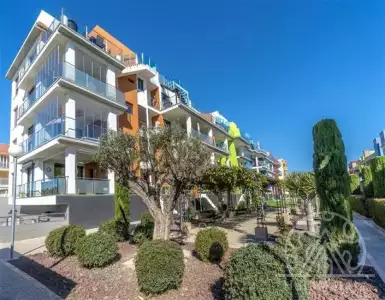
Beautiful apartment in a modern style on the second floor in impeccable condition, with 3 bedrooms, 2 bathrooms (one of...
Submit Request
 4
3
178
4
3
178
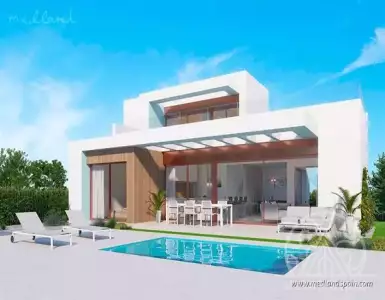
New promotion for standalone villas in Vistabella Golf, a residential resort built around the golf course of the same name,...
Submit Request
Hot Deals



 3
2
148
3
2
148
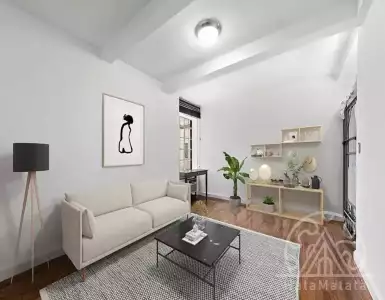
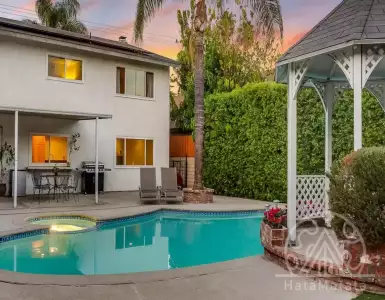
New promotion for detached villas in Vistabella Golf - a residential resort built around the golf course of the same...
Submit Request
Real estate in Washington for living, investment and residence permit
- ✓ Verified properties directly from developers
- ✓ No overpayments or commissions
- ✓ Guarantee of transaction purity and post-purchase support
International Real Estate Consultant
 3
4
137
3
4
137
Modern one-level villa in the Las Colinas golf and country club. This exclusive resort is considered a mini paradise, surrounded...
Submit Request
 3
4
117
3
4
117
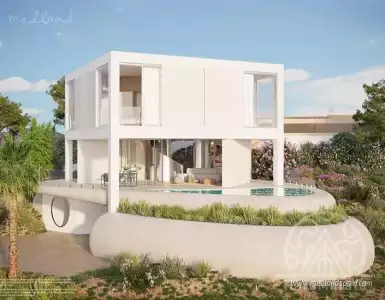
Exclusive, luxurious villa in the prestigious Las Colinas Golf and Country Resort complex. It is considered a mini-paradise among orange...
Submit Request
 2
1
76
2
1
76
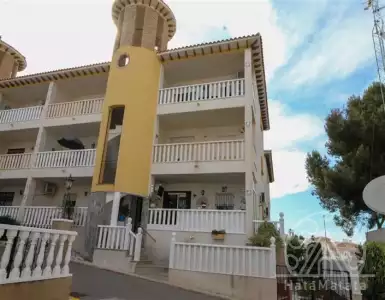
Well presented penthouse apartment in the popular residential complex Pinada Golf II, near Villamartin. It consists of a living/dining room...
Submit Request

Real Estate in Washington
Real estate in Washington for living, investment and residence permit
- ✓ Verified properties directly from developers
- ✓ No overpayments or commissions
- ✓ Guarantee of transaction purity and post-purchase support
International Real Estate Consultant
Need help choosing a property?
Leave a request and our manager will contact you.
International Real Estate Consultant
Need help choosing real estate in Washington?
Leave a request and we will select the 3 best options for your budget
 !
!
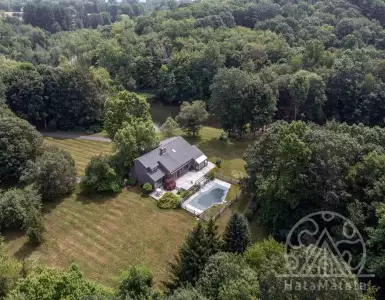
House for sale in Washington, USA 2 224 502 $
25+ gorgeous Washington acres with a contemporary home with southwest views, heated pool and aeration pond in a magical location...
 !
!
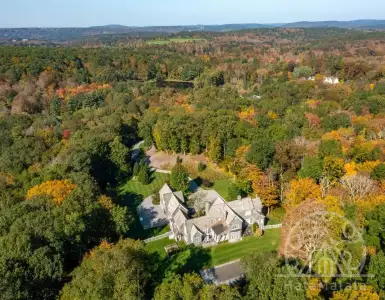
Sell house in Washington, USA 6 134 552 $
Stone Bridge. Classic country estate with modern amenities. Impeccable stone and tile home situated on 24.9+ private bucolic acres in...
🇺🇸 Washington, D.C. real estate: neighborhood prices, condo and single-family trends
Washington is a compact, politically central metropolis where global policy, education and culture shape a resilient real estate market. Located on the Potomac River between Maryland and Virginia, the city combines federal institutions and vibrant neighborhoods, producing steady demand from professionals, diplomats, students and investors. With a resident population of about 700,000 and a metropolitan population exceeding 6 million, Washington’s real estate profile balances limited land supply, historic preservation and targeted new development — fundamentals that support long-term capital growth and reliable rental markets.
🌆 City lifestyle and profile of Washington and real estate in Washington
Washington offers a mix of tree-lined residential streets, dense urban corridors and waterfront regeneration that affects property values across the city. The climate is temperate with four distinct seasons, making outdoor assets — Rock Creek Park, the National Mall and the Potomac waterfront — major lifestyle draws for buyers and renters. Cultural infrastructure, museums and high-quality healthcare and universities create a stable base of long-term residents and an active tourist season that supports short-stay rental demand.
Washington’s character is shaped by neighborhoods rather than a single downtown core, and its residency is professional and service-oriented: federal employees, international mission staff, legal and lobbying firms, healthcare workers and an expanding tech and startup cohort. That diversity translates into consistent rental demand from single professionals, families and corporate-relocation tenants. The city’s limited new land and strict zoning in many areas help preserve property values and encourage infill new developments where permitted.
Washington’s waterfront revitalizations and transit-oriented projects have improved quality of life and spurred premium pricing in adjacent neighborhoods. Proximity to metro stations and walkable commercial corridors remains a primary value driver for most buyers evaluating property in Washington, whether they seek a family townhouse in Capitol Hill or a one-bedroom condominium near Metro Center.
🎯 Which district of Washington to choose for buying property in Washington
Washington’s districts differ sharply in price, density and buyer profile; choosing the right neighborhood depends on commute, lifestyle and investment horizon. Northwest neighborhoods like Georgetown, Kalorama and Dupont Circle combine historic architecture, high-end retail and diplomatic residences and tend to attract high-net-worth buyers seeking stability and prestige. Northeast and Southeast neighborhoods such as Brookland, Capitol Hill and Navy Yard have offered more aggressive appreciation in recent cycles due to redevelopment and new transit-linked amenities.
Neighborhood proximity and character at a glance:
- Northwest (Georgetown, Kalorama, Dupont Circle, Logan Circle): luxury townhouses, diplomatic residences, walkable shopping; target buyers: affluent executives, diplomats, families; density: low to mid; price tier: high.
- Southwest / Capitol Riverfront (The Wharf, Navy Yard, The Yards): new build condos, waterfront living, restaurants and entertainment; target buyers: young professionals, investors in short-term rental; density: mid-high; price tier: premium for new developments.
- Northeast / Southeast (Brookland, Eckington, Anacostia): resale rowhouses, improving infrastructure, opportunity for value-add investors; target buyers: long-term rentals, first-time buyers; density: medium; price tier: affordable to mid-range.
Washington neighborhoods also differ in safety perceptions and public services; neighborhoods closest to federal precincts (Dupont, Foggy Bottom) have heavy surveillance and consistent daytime activity, while some peripheral wards are in active redevelopment phases with improving safety and infrastructure.
💶 Property prices in Washington and market overview
Washington real estate shows clear segmentation by district, property type and age of construction. Typical pricing ranges and averages provide a practical framework for buyers and investors evaluating property in Washington.
Representative price ranges and average prices:
- Georgetown / Kalorama: townhouses and single-family homes $2M–$10M, average $800–$1,500+/sq ft.
- Dupont Circle / Logan Circle: condos and historic rowhomes $600k–$2M, average $600–$900/sq ft.
- Navy Yard / Capitol Riverfront / The Wharf: new condos $400k–$3M, average $650–$1,000/sq ft for luxury units.
- Capitol Hill: rowhouses $800k–$3M, family-oriented with strong resale demand.
- Columbia Heights / Brookland / Petworth: entry to mid-level condos and townhomes $300k–$800k, average $350–$600/sq ft.
Price segmentation by property type:
- Apartments / Condos: $300k–$3M, typical sizes 400–2,000 sq ft.
- Townhouses / Rowhouses: $800k–$5M, typical sizes 1,200–4,000 sq ft.
- Single-family homes (limited in core): $1M–$10M+, often historic and premium.
- Commercial units / Retail and office: strong central demand with rents concentrated around K Street and downtown.
Recent price dynamics reflect steady appreciation supported by constrained supply, with historical average annual growth typically around 3–4% citywide and stronger gains in redeveloped corridors like Navy Yard and Southwest Waterfront. Rental markets deliver gross yields generally in the 3–6% range depending on neighborhood and property type.
🚆 Transport and connectivity for buyers of property in Washington
Washington’s transport network is a major value determinant for property in Washington, with the WMATA Metro lines and extensive bus network creating true transit-oriented options. Metro lines (Red, Blue, Orange, Silver, Yellow, Green) connect major employment hubs and neighborhoods; properties within a 10–15 minute walk of a Metro station command a premium.
Key travel times and access points:
- Ronald Reagan National Airport (DCA): typically 10–20 minutes from central neighborhoods like Foggy Bottom and Navy Yard.
- Dulles International (IAD): approximately 35–55 minutes by car depending on traffic; growing airport transit options increase its accessibility.
- Baltimore-Washington (BWI): about 45–70 minutes by car or rail.
Road and transit infrastructure:
- Highways: I-395, I-295 and the I-495 Capital Beltway link Washington to Virginia and Maryland suburbs.
- Local transit: Metrobus and DC Circulator provide frequent connections along major corridors; commuter rail (VRE, MARC) serves suburban commutes.
- Average commute: citywide commute times typically range 20–40 minutes door-to-door depending on mode and origin.
🏥 Infrastructure and amenities near property in Washington
Washington offers top-tier educational and healthcare infrastructure that supports both families and investors targeting long-term tenants. Universities anchor neighborhoods with predictable rental pools, while hospitals generate consistent demand for housing near strong medical clusters.
Notable institutions and amenities:
- Universities: Georgetown University, George Washington University, American University, Howard University — strong student and professional tenant pools.
- Hospitals: MedStar Washington Hospital Center, Children’s National, GWU Hospital — important employment anchors.
- Parks and culture: National Mall, Rock Creek Park, Smithsonian museums, Kennedy Center — continuous tourism and weekend foot traffic.
- Retail and shopping: CityCenterDC, Union Station retail, Waterfront developments and neighborhood markets like Eastern Market enhance walkability and rental appeal.
Amenities often determine micro-pricing: properties within walking distance of high schools, grocery anchors (Whole Foods, Trader Joe’s), or a waterfront promenade typically achieve faster leasing and higher rents.
💼 Economic drivers and development shaping real estate investment in Washington
Washington’s economy is dominated by federal government employment but increasingly diversified by tech, professional services and international business, which strengthens demand for both rental and ownership markets. The presence of major employers and business districts such as K Street, Rosslyn and the National Landing tech cluster underpins steady job creation and corporate relocations.
Key economic facts:
- Primary employer: federal government remains the largest employer, providing a stable base regardless of cyclical downturns.
- Private sector growth: professional services, law, lobbying, education, healthcare and a growing tech sector support mid- to high-wage job creation.
- Tourism: museums and national monuments attract millions of visitors annually, supporting short-term rental markets and hospitality investment.
Development vectors that impact property values include waterfront projects (The Wharf, The Yards), transit-oriented mixed-use schemes, and conversion of older office stock into residential or life-science spaces in response to market demand.
🏠 Property formats and housing types in Washington
Washington’s housing stock ranges from grand historic townhouses to compact urban condominiums and new build luxury towers. Understanding the distinctions helps match product type to buyer goals and tenant profiles.
Typical formats and sizes:
- Historic rowhouses / townhomes: often 1,200–4,000 sq ft, brick facades, higher maintenance but strong capital appreciation.
- Condominiums / apartments: studio to three-bedroom units 400–2,000 sq ft, common in downtown and waterfront locations.
- New developments / luxury towers: include amenities like concierge, fitness centers and parking, units 600–2,500 sq ft in premium segments.
New developments in Washington are generally delivered as high-spec mixed-use buildings with retail podiums and managed condo regimes, while resale properties frequently require renovation or modernization — a key consideration for investors seeking value-add opportunities.
🏗️ Developers and projects for real estate in Washington
Washington’s development landscape includes national and regional players with track records across major projects. Recognizing reputable names and flagship developments helps assess construction quality and resale potential.
Prominent developers and projects:
- PN Hoffman / Madison Marquette: The Wharf — large-scale waterfront mixed-use development with luxury condos and hospitality.
- JBG SMITH: Active across National Landing and The Yards; known for mixed-use redevelopment and high-quality office-residential assets.
- Hines: High-end office and residential developments in central locations.
- Bozzuto, Toll Brothers, Donohoe: residential builders and managers delivering condominium projects and townhome communities.
Project-specific attributes to consider:
- Construction quality: look for long-term builder warranties and local management teams.
- Amenities: concierge, secure parking, bike storage and rentable common spaces increase leaseability.
- Presales and finishes: off-plan property in Washington often includes staged finishes and flexible reservation terms depending on developer.
💳 Mortgage and financing for buying property in Washington
Financing options for property in Washington vary by buyer residency and credit profile; both domestic and foreign buyers can access mortgage solutions, though typical terms differ. Foreign national mortgages are available through major lenders with specific documentation requirements and usually higher down payment thresholds.
Typical financing landscape:
- Down payments: foreign buyers commonly require 25%–30% down payment for conventional mortgages; US citizens may access lower down payment programs.
- Lenders: major banks such as Bank of America, Wells Fargo, JPMorgan Chase and regional credit unions offer mortgage products; foreign nationals may require additional verification and an ITIN.
- Loan terms: standard US options include 30-year fixed, 15-year fixed and adjustable-rate mortgages; interest rates and qualification criteria depend on credit, income documentation and loan-to-value.
Installment and developer financing:
- Reservation deposits for off-plan property: often 1%–5% at contract, followed by staged payments during construction.
- Developer installment plans: available on select new developments — terms vary and should be confirmed with the developer or sales office.
📝 How to buy property in Washington as a foreign buyer and the purchase process
Buying property in Washington follows a standardized US real estate transaction process that uses escrow, title insurance and a contract of sale. Foreign buyers should prepare for due diligence, financing or cash proof, and coordinated closing logistics.
Step-by-step practical outline:
- Search and offer: identify target neighborhoods, arrange viewings and submit an offer through a licensed agent.
- Contract and due diligence: execute a purchase and sale agreement, complete inspections, condo docs review and secure financing or deposit funds into escrow.
- Closing: finalize mortgage underwriting, sign closing documents, pay closing costs (typically 2%–5% of purchase price) and record title with the local Recorder of Deeds.
Common payment methods and documentation:
- Escrow accounts hold deposits and closing funds; wire transfers are standard.
- Title insurance protects against title defects; a lender’s policy is required if financing.
- Foreign buyers typically obtain an ITIN for tax reporting and may need certified funds or bank statements to demonstrate proof of funds.
⚖️ Legal and tax aspects of property in Washington for international buyers
Foreign ownership of property in the United States is permitted without general restrictions, but buyers must understand tax implications, transfer costs and filing obligations. Local taxes and federal rules shape net returns.
Key legal and tax points:
- Ownership: nonresidents can hold freehold title or title via LLC structures; each has different tax and reporting consequences.
- Property taxes: DC’s residential property tax rate is relatively low by comparison to some US cities — around 0.8%–0.9% of assessed value depending on exemptions.
- Income and capital gains tax: rental income is taxable federally and locally; capital gains are subject to federal taxation and local rules; FIRPTA applies to foreign sellers and may require withholding on sale proceeds.
Practical legal steps:
- Obtain an ITIN for tax reporting and rental income filings.
- Engage a local attorney for title review, disclosure review and escrow instructions.
- Factor closing costs and transfer taxes (which can include recordation and transfer tax) into overall acquisition budgeting.
📈 Investment property in Washington and use-case strategies
Property in Washington suits a variety of investor profiles from buy-to-hold landlords to short-term rental operators and premium lifestyle buyers. Choice of neighborhood and product type should align with the intended use-case and expected ROI.
Use-case pairings and practical recommendations:
- Permanent residence / Relocation: Dupont Circle, Georgetown, Foggy Bottom — ideal for embassy staff, executives and families. Preferred property types: townhouses, larger condos.
- Long-term rental investment: Brookland, Petworth, Columbia Heights — stable rents and value-add potential. Preferred property types: rowhouses, resale condos.
- Short-term and premium rental: The Wharf, Navy Yard, Penn Quarter — proximity to attractions and business centers supports higher nightly rates; new build condos and luxury units perform well.
- Capital-growth investment: Navy Yard, Capitol Riverfront, National Landing — neighborhoods with large-scale redevelopment and transport provision often appreciate faster.
- Second home / luxury lifestyle: Kalorama, Georgetown — historic homes and high-end services match buyer expectations.
Investment metrics to monitor:
- Rental yield: gross yields generally between 3%–6% depending on location.
- Occupancy and turnover: near universities and hospitals expect steady leasing; tourist-heavy neighborhoods support seasonal occupancy.
- ROI drivers: transit access, quality of local schools, development pipelines and local employment growth.
For buyers and investors assessing property in Washington, combining neighborhood-level insight, developer reputation and realistic financing plans creates the most reliable foundation for a successful purchase and long-term ownership strategy.
Frequently Asked Questions
Prices vary by housing type: condos commonly range $350,000–$600,000, rowhouses/townhomes $600,000–$1.5M, and detached single-family homes $700,000–$2.5M+. Rental 1‑BRs typically $2,200–$3,200/month. Expect price spreads by neighborhood and building quality; condos and rentals concentrate in central wards and near metro lines. Use these ranges to set budgets and compare listings.
Yes — the U.S. allows foreign ownership in Washington. Purchase does not grant residency or visas. Foreign buyers face financing limits (often 20–30% down), may need an ITIN for mortgages, and are subject to U.S. taxes on income. On sale, FIRPTA rules can require withholding of proceeds. Work with a local tax attorney/accountant for withholding and filing obligations.
Washington shows stable rental demand from government, contractors, students and professionals. Typical gross rental yields run low-to-moderate: ~3–6% for central condos, higher (4–7%) for value buys in outer neighborhoods. Vacancy is generally low (roughly 5–8%). Liquidity is good in popular areas but expect slower sales for niche properties or high-price single-family homes.
Typical timeline: 30–60 days from ratified contract to closing for financed deals; cash can close faster (2–4 weeks). Allow 7–14 days for inspections and negotiating repairs, and 3–6 weeks for mortgage underwriting. Off‑plan or new-build purchases often take months to years for delivery. Build contingency and moving buffers into your schedule.
Expect total transaction costs of roughly 2–5% of purchase price (title, lender fees, recording). District transfer and recordation taxes add more for higher-value sales; property tax effective rate is relatively low compared with many U.S. cities (under 1% of assessed value). Investors should budget for income tax, local business taxes for rentals, and potential FIRPTA or withholding for foreign sellers.
For long‑term value and rentals: Navy Yard, Capitol Riverfront, Shaw, and Columbia Heights offer strong demand and transit access. For premium living: Georgetown and Logan Circle. For value buys with upside: Petworth and Deanwood. Choose by goal: proximity to metro/university for renters, quieter residential blocks and schools for families, and redevelopment corridors for appreciation potential.
Short‑term rentals are regulated in Washington: hosts must register and follow owner‑occupancy rules for many unit types. Some units are restricted or require permits; fines apply for noncompliance. Demand is year‑round with peaks around Cherry Blossom season and major events. Always check local registration, zoning, and condo/HOA rules before listing.
Yes — Washington has widespread high‑speed internet (fiber and 5G), abundant coworking, cafes, and transit access. Short-term stays are common, but visa rules govern length of stay (ESTA up to ~90 days for eligible nationals; B‑1/B‑2 typically allows up to ~6 months). Buying property doesn’t change visa rules; plan for workspace needs and neighborhood noise when choosing a unit.
Key risks: construction delays, cost overruns, lien exposure, and changes to plans/specs. Protect yourself with clear contracts, escrowed deposits, performance guarantees, independent inspections, and recorded warranty terms. Verify permits, lender financing contingencies, and that deposits are protected per local law. Budget extra time and contingency funds for delivery and punch‑list items.
Distinguish by cashflow vs lifestyle: investment properties prioritize rental yield, rentability, low maintenance, and proximity to transit/universities; expect higher tenant turnover and different insurance/tax treatment (depreciation). Owner‑occupied homes prioritize layout, schools, and long‑term comfort. Financing differs: lenders may require larger down payments and charge higher rates for investment loans.
Property by cities
Properties by Region
Services in Washington
Properties by Country
- Real estate in Bulgaria (11408)
- Real estate in Montenegro (5373)
- Real estate in Indonesia (2423)
- Real estate in Spain (2289)
- Real estate in Portugal (1975)
- Real estate in Italy (1897)
- Real estate in Turkey (1699)
- Real estate in Cyprus (1590)
- Real estate in Thailand (1565)
- Real estate in Croatia (1431)
- Real estate in Greece (1082)
- Real estate in USA (1013)
- Real estate in France (1006)
- Real estate in Georgia (519)
- Real estate in Serbia (328)
- Real estate in Slovenia (123)
- Real estate in Egypt (23)
Get the advice of a real estate expert in Washington — within 1 hour
Looking for a property in Washington? Leave a request — we will help you take into account all the nuances, and we will offer objects according to your personal request.

Maria Guven
Head of Direct Sales Department
+90-507-705-8082