


As 15,000 New Apartments Arrive, Washington Landlords Face an Uncomfortable Reckoning

Washington's rental market is shifting — what real estate USA investors must know
The real estate USA story in Washington has shifted faster than many expected since January 2025. A steady stream of new apartments, a long-term move to remote and hybrid work, and rising living costs have combined to change bargaining power in the city’s housing market. For landlords, especially small owners, the math is getting harder. For renters, there are new opportunities to negotiate. For investors, the picture is mixed: the fundamentals have not collapsed, but the market is undergoing a meaningful recalibration.
Quick facts up front
- Since January 2025, patterns of downtown activity in Washington have changed materially.
- Developers delivered more than 15,000 apartment units across the Washington metropolitan area in the past year.
- Industry trackers including CoStar, CBRE and Northmarq report rising vacancy rates in segments of the D.C. multifamily market.
- Research institutions cited in the market analysis include the Brookings Institution, the Urban Institute and Harvard’s Joint Center for Housing Studies.
These are not minor shifts. They alter rent negotiation dynamics, influence property valuations, and change where investors should look for yield and growth.
The structural forces reshaping downtown D.C.
Washington’s economy is unusual among major U.S. metros because federal employment and contracting are central pillars. That has historically insulated the District during downturns, but it also creates concentrated exposure when federal activity slows.
Over the past 18 months, several trends have converged:
- Remote and hybrid work has reduced daytime foot traffic in the downtown core, affecting retail, parking income and demand for nearby housing.
- Consumer confidence has softened, causing households to delay leases, renovations and moves.
- Rising costs of living have tightened household budgets despite generally higher local incomes.
- Local government budget concerns are more pronounced than residents are used to hearing, which matters for services, infrastructure and housing programs that support market health.
Research from the Brookings Institution and the Urban Institute shows how job losses in higher-income sectors ripple through urban economies. In D.C., when federal hiring slows or contract work tightens, the impact goes beyond federal offices and into restaurants, retailers and landlords. From direct observation in property management, this has translated into slower leasing velocity and longer decision timelines for renters.
Supply surge: why 15,000 new units matter
A delivery of more than 15,000 new apartments in a single year is significant for any metro. In Washington it has particular consequences:
- Many of the newly delivered units are Class A product, often targeted at higher-income renters and offering modern amenities. Reports from CoStar, CBRE and Northmarq show that newly delivered Class A inventory has contributed to softer occupancy levels in parts of the metro.
- Elevated supply combined with a slowdown in hiring and federal workforce uncertainty has produced higher vacancy rates in certain submarkets.
- Renters now see more options and more incentives such as concessions, shorter lease commitments and promotional pricing.
Developers and institutional owners often accept a lease-up period during which concessions are normal. The current wave of deliveries, however, is arriving at a moment when demand growth has moderated. That changes the timetable for achieving stabilized occupancy and can squeeze cash flow for owners who assumed faster absorption.
What this means for rents and negotiations
- Tenants have improved leverage in neighborhoods with heavy new deliveries.
- Landlords may need to offer concessions to hit occupancy targets.
- Rent growth expectations for Class A product are likely to moderate in the near term; value-add opportunities could emerge in lower-tier stock.
This is a recalibration rather than a freefall: well-located, well-managed properties will still attract tenants. But pricing power has shifted, at least temporarily, away from landlords and toward renters in parts of the market.
The small-landlord squeeze: regulation, costs and turnover
One of the most striking trends is the pressure on small rental owners. Multiple forces come together to make ownership of a handful of units less attractive:
- Rising operating expenses, from maintenance to insurance.
- Increased regulatory complexity and tenant-friendly rules that can raise turnover costs and legal exposure.
- Higher turnover expenses after difficult tenancies, including repair and vacancy preparation costs.
The National Multifamily Housing Council has noted that regulatory burdens often hit smaller landlords hardest because they lack the administrative scale of large firms. On the ground, property managers report a shift from pride in ownership to frustration, and in a growing number of cases, sales. When small landlords sell, the local stock can change in two ways:
- Institutional buyers consolidate ownership, which can reduce the variety of unit types and price points available to renters.
- Some homes exit the rental market altogether when owners sell to owner-occupiers, which can shrink available supply for families needing larger units.
Both outcomes can weaken long-term affordability even if short-term vacancy increases ease rent growth pressures.
Politics, policy and the risk of stagnation
Policy choices matter more in a market at this crossroads. The political environment after the 2026 elections may result in policy stagnation. If that happens, expect pressure on landlords to continue without addressing the core supply shortage that caused long-term affordability problems.
Key institutions and dynamics to watch:
- The D.C.


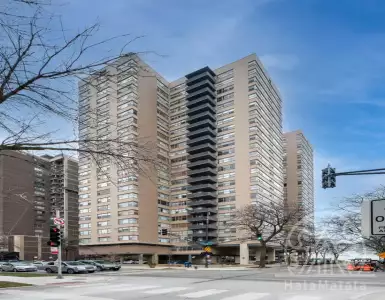




Policy options that professionals and stakeholders discuss include zoning reform to speed housing production, targeted incentives to preserve smaller rental owners, and carefully designed subsidies to support affordability. Each option has trade-offs. For example, stronger tenant protections without supply-side measures can accelerate small-owner exits, while incentives for development can be politically difficult to pass and slow to take effect.
Investment implications: where to look and what to avoid
From the vantage point of a property manager who sees leasing performance daily, the market is entering a phase where active management and risk control matter more than speculative bets.
For investors and buyers, I suggest these practical priorities:
- Track absorption and lease-up metrics closely. Watch concessions and effective rent (after concessions) rather than asking rent alone.
- Focus on submarkets with lower recent delivery and stable employment bases rather than areas saturated with new Class A supply.
- Consider acquisitions of Class B/C stock with renovation upside, but account for capital expenditure needs and longer lease-up timelines.
- If investing in new development, stress-test pro formas against slower rent growth and longer lease-up windows.
- For single-family rental or smaller portfolios, plan for higher turnover costs and ensure compliance budgets cover legal and regulatory expenses.
Risk management tactics include longer due diligence on tenant profiles, conservative vacancy assumptions, and contingency capital for unexpected repairs or longer-than-expected leasing periods.
Buy, hold or sell: a framework
- Buy: If you find a well-priced asset in a submarket with limited new supply and stable employment, returns can be attractive.
- Hold: For institutional landlords with scale, holding and offering concessions to maintain market share may be preferable to selling at distressed prices.
- Sell: Small landlords with thin margins or owners who dislike regulatory complexity may decide market conditions justify an exit; plan for orderly sales to avoid distress pricing.
Neighborhood winners, losers and hidden opportunities
Not all neighborhoods will react the same. Expect a divergence based on supply pipelines and local demand drivers.
Potential winners:
- Established residential neighborhoods with limited new construction and strong amenities.
- Areas anchored by universities, hospitals or steady non-federal employers.
Potential losers or underperformers:
- Submarkets flooded with recent Class A deliveries and weak hiring growth.
- Corridors dependent on downtown day-time traffic that has not returned to prior levels.
Hidden opportunities often appear in the gap between Class A saturation and under-maintained single-family rentals: conversions, strategic renovations and improved property management can add value where pricing power softens.
What renters should expect
From a renter’s perspective, the immediate effect is improved negotiating power in many parts of the metro. Renters should:
- Shop wider and compare concessions, not just sticker rent.
- Negotiate lease terms such as shorter commitments or paid utilities where possible.
- Consider value in well-located Class B units that can be upgraded for less cost than Class A rents.
Even with short-term gains, affordability remains structural: institutions like Harvard’s Joint Center for Housing Studies continue to flag Washington as one of the metro areas where housing consumes a significant portion of household income.
Practical checklist for landlords and investors
- Update your underwriting: use conservative vacancy and rent growth assumptions.
- Audit operating expenses and identify immediate cost controls.
- Budget for tenant turnover costs and legal compliance.
- Reassess capital plans for renovations that improve competitiveness against new Class A stock.
- Engage with local policy makers or trade groups to advocate for measures that stabilize the small-owner segment.
Frequently Asked Questions
Q: Will rents fall dramatically across Washington D.C.?
A: Evidence points to moderation rather than a broad collapse. The recent delivery of more than 15,000 units has created downward pressure in certain submarkets, especially for Class A product. However, well-located and well-managed properties typically retain pricing power. Expect selective softness rather than uniform declines.
Q: Are small landlords selling in large numbers?
A: Anecdotal and industry reports show a noticeable increase in small-owner exits. The combination of higher operating costs, turnover expenses and regulatory complexity is pushing some owners to sell. The National Multifamily Housing Council highlights that smaller landlords are more vulnerable to these pressures.
Q: Should investors avoid Washington real estate now?
A: No. The market still has strong fundamentals tied to federal employment, universities and healthcare. But investors must be more discriminating: focus on cash-flow resilience, submarket selection, and realistic underwriting. Value-add opportunities exist, especially in non-Core product.
Q: What policy changes would improve the situation?
A: Policies that expand supply while stabilizing smaller owners would help. Examples include zoning changes to increase housing production, tax or administrative relief targeted at small landlords, and incentives to preserve family-sized rental units. Policy trade-offs are complex and will require political leadership to implement.
Final assessment and takeaway
Washington’s market is not collapsing, but it is changing. The delivery of more than 15,000 new apartments combined with reduced downtown demand and rising costs for owners has shifted negotiating power toward renters in parts of the metro. Small landlords are under strain, and an inflexible policy response could accelerate exits that reduce long-term housing diversity. For investors and landlords the practical move is clear: reprice risk, update underwriting, and focus on active management. For renters, this is a momentary improvement in leverage, but affordability challenges will not disappear overnight.
Practical takeaway: watch vacancy and lease-up metrics closely, assume longer absorption times in newly supplied submarkets, and budget for higher turnover and compliance costs if you own smaller portfolios.
We will find property in USA for you
- 🔸 Reliable new buildings and ready-made apartments
- 🔸 Without commissions and intermediaries
- 🔸 Online display and remote transaction

International Real Estate Consultant

Subscribe to the newsletter from Hatamatata.com!
Subscribe to the newsletter from Hatamatata.com!
Popular Posts

We will find property in USA for you
- 🔸 Reliable new buildings and ready-made apartments
- 🔸 Without commissions and intermediaries
- 🔸 Online display and remote transaction
International Real Estate Consultant

Subscribe to the newsletter from Hatamatata.com!
Subscribe to the newsletter from Hatamatata.com!
I agree to the processing of personal data and confidentiality rules of HatamatataPopular Offers

 3
3
 120
120
 5
143
5
143
 2
165
2
165
Need advice on your situation?
Get a free consultation on purchasing real estate overseas. We’ll discuss your goals, suggest the best strategies and countries, and explain how to complete the purchase step by step. You’ll get clear answers to all your questions about buying, investing, and relocating abroad.



Sales Director, HataMatata