


EEC Shift: Why Thailand’s Real Estate Market Is Now Driven by Workers, Not Hype

A clear break in Thailand’s real estate story
Thailand’s real estate Thailand market is changing before our eyes. What began as a boom fueled by infrastructure megaprojects and large-scale investment in the Eastern Economic Corridor (EEC) is evolving into a market driven by steady, job-related housing demand.
That shift matters for anyone watching housing prices, rental yields or investment risk in the country. LWS Wisdom and Solutions Co., Ltd. (LWS) has framed this as a transition from investment-led expansion to a labour-driven market. The facts they share make the argument hard to ignore: Amata City Chonburi has a formal workforce of more than 200,000 people, and the EEC now has a cumulative condominium supply of more than 15,000 units. In several locations rental occupancy exceeds 90%, and rental yields sit at 5–7% a year. For investors and developers these are not abstract figures; they change how projects must be planned, marketed and managed.
In this article we parse what this means for buyers, developers and investors who follow the EEC and greater Thai property market. We offer practical takeaways, a buyer’s checklist and the risks you must consider before committing capital.
What LWS found: data that rewrites demand dynamics
LWS’s analysis identifies a structural change. The EEC — long a priority of state policy and private capital — is no longer just a beneficiary of new roads, ports and factories. It is developing into a residential market underpinned by employment. Key takeaways from LWS include:
- Amata City Chonburi employs more than 200,000 people, creating housing demand rooted in work rather than speculation.
- The EEC has a cumulative condominium supply of over 15,000 units.
- Several locations within the EEC show rental occupancy rates above 90%.
- Gross rental yields are in the 5–7% range, attractive for medium- to long-term investors.
- The most sought-after price point is units below THB 2 million, reflecting the income profile of operational staff and supervisors.
These figures illustrate a market in which demand pulls housing development rather than development creating demand. That distinction matters: rental and buying decisions are linked to employment locations, shift patterns and practical living needs.
Why workforce demand changes the product mix
Urban markets like Bangkok are shaped by lifestyle, transport networks and retail access. In the EEC the dominant driver is the labour force attached to industrial estates and manufacturing parks. This changes the product brief in several ways.
- Time matters. Many workers are on rotating shifts, do overtime or are on-call. Long commutes affect health, income and downtime. A home near work is therefore a quality-of-life decision.
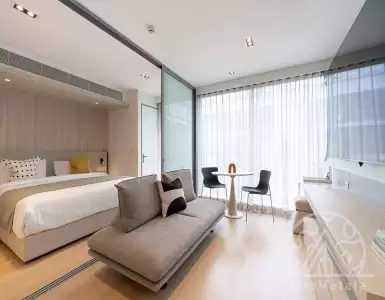
- Unit size and layout shift toward efficiency. Demand is concentrated in small, effectively planned units suitable for single occupants or couples rather than families.
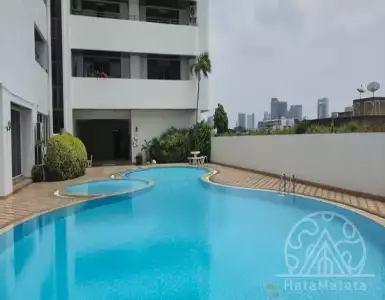
- Amenity lists change. High-use, low-cost common areas (laundry facilities, co-working spaces, secure parcel systems) matter more than large gyms or showpiece pools that sit empty.
Put simply, the purchaser and tenant profile is pragmatic. They want affordability, proximity and reliability. Developers who ignore these preferences risk higher vacancy and weaker rental performance.
Product features that meet worker-led demand
LWS points to a set of design and operational features that are becoming standard expectations in successful projects in the EEC. These features are the ones that influence occupancy and long-term rental performance.
- Efficient floor plans: multifunctional living spaces, adequate storage, and clearly defined rest and work zones. These units target single workers and couples.
- Proximity to industrial estates: walking distance or short commutes by shuttle or motorbike reduce absenteeism and improve tenant retention.
- Operationally focused common areas: coin or card laundry rooms, parcel lockers for irregular hours, on-site convenience retail, and small co-working rooms.
- Security and maintenance systems: reliable 24/7 access control, CCTV and responsive building management increase perceived safety for shift workers.
Developers who design to these needs tend to create housing that functions as a productive asset, not merely a place to sleep.
From speculative condos to income-generating assets: what investors must re-evaluate
If the EEC market is shifting from speculation to fundamentals, the investor’s rubric changes too. Here is how we parse that shift.
- Investment thesis: Replace short-term capital gain bets with an income-oriented thesis. Lean on rental yield, occupancy stability and tenant quality rather than speculative resale value alone.
- Due diligence: Assess tenant demand drivers — which factories, which employers and what types of employees (skilled vs operational) will occupy the building? Projects near a single large employer have different risks than those with a diverse employment base.
- Operating assumptions: Budget for frequent turnover among operational staff, and plan for efficient maintenance systems. Amenities that reduce operating costs and increase usable income can be decisive.
- Pricing band focus: The sub-THB 2 million segment is the most active. Expect demand to concentrate here, but also expect competition among developers and owner-operators.
These points are not academic. Buildings designed around real tenant behaviour produce steadier cashflow.









Practical checklist for buyers and investors
If you are considering property in the EEC, use this checklist to judge projects and investments. It distils what LWS’s findings mean on the ground.
- Location:
- Is the project within a short commute to major industrial parks such as Amata City Chonburi?
- Are there reliable transport links or employer shuttles?
- Tenant demand:
- Which companies and sectors are the primary employers nearby?
- Is the tenant pool diversified or dependent on a single employer?
- Product fit:
- Are units sized and laid out for single occupants or couples?
- Does the project include practical shared facilities (laundry, parcel lockers, co-working)?
- Financials:
- What are realistic gross and net rental yields? Expect 5–7% gross in many locations.
- What are projected vacancy rates and unit turnover assumptions?
- Management:
- Is there an experienced on-site operator or property manager with industrial housing experience?
- How are service charges and maintenance reserves structured?
- Exit strategy:
- Who is the likely buyer at resale — owner-occupier, investor, employer?
- How liquid is the local secondary market for similar units?
We recommend compiling answers to these points before signing a reservation contract.
Design and operational choices that protect returns
Design decisions affect returns in worker-led markets. A few items deserve particular attention from developers and investors.
- Lower common-area ratio. Too many floor-area-heavy leisure facilities inflate costs without improving occupancy for this tenant profile.
- Durable finishes. Use materials that withstand heavy use and low-maintenance fixtures that reduce ongoing outlays.
- Digital operations. Automated parcel lockers, app-based maintenance requests and digital leasing streamline operations and appeal to younger workers.
- Flexible leasing. Shorter-term leases or employer-backed block leasing can stabilise cashflow when tenant turnover is high.
I have seen projects with impressive marketing fail because they were expensive to operate and the tenants simply did not use the facilities. In a worker-driven market the simplest, most reliable amenities often offer the best return on investment.
Risks and where the story could reverse
The shift toward real-economy demand changes many incentives, but it is not risk-free. Here are the principal hazards to consider.
- Concentration risk. Projects tied to a single industrial estate or employer face the risk of downsizing or relocation.
- Oversupply in certain segments. While demand is stable in many pockets, the overall supply of condominium units in the EEC is more than 15,000 units, and some submarkets may reach saturation if speculative building re-emerges.
- Macroeconomic cycles. Export or manufacturing slowdowns will reduce employment growth and weaken rental demand.
- Policy and infrastructure timing. Delays to transport links or employer-driven housing initiatives can affect catchment value.
- Management failure. Poor on-the-ground property management can destroy rental performance even when fundamentals are strong.
These risks require active oversight. Investors cannot be passive owners; successful outcomes demand ongoing operational discipline and market monitoring.
How local and foreign investors should approach the EEC now
For domestic buyers and Thai-resident investors, the EEC offers opportunities to buy cashflow assets in a market moving toward earnings stability. For foreign investors the calculus is more nuanced because of ownership rules and financing constraints.
Practical steps for international investors include:
- Use local partners who understand employer ties and tenant behaviour.
- Focus on asset classes with clear rental demand rather than speculative launches.
- Consider leasehold structures or corporate ownership vehicles that align with Thai property law and tax treatment.
- Budget for active asset management or a credible local operator to protect occupancy and maintenance standards.
Domestic developers can capture demand by rethinking project briefs. International investors can benefit by applying income-oriented underwriting and insisting on operator quality.
Case in point: Amata City Chonburi
Amata City Chonburi provides a useful microcosm. With more than 200,000 formal workers, it shows how employment density translates into housing demand that is structurally anchored. This is not a transient tourist market. It is labour-market-driven demand.
That concentration creates predictable tenant pools for units priced within reach of operational staff. But it also concentrates risk if the local industrial base weakens. An investor must weigh that trade-off: higher occupancy and reliable rent against employer concentration.
Frequently Asked Questions
Q: Is the EEC still a good place to buy property for capital gains?
A: The EEC is shifting toward income stability rather than short-term capital gains. Expect steadier rental income, particularly in units priced under THB 2 million, but capital gains may be more modest compared with speculative booms.
Q: What rental yields can investors realistically expect in the EEC?
A: LWS reports rental yields of 5–7% per year in several locations. That is a practical target for medium- to long-term investors, but net yields will depend on management costs and vacancy.
Q: Which amenities should I prioritise when buying a unit to rent to workers?
A: Prioritise practical amenities: laundry facilities, parcel lockers, secure access, short commute options and durable finishes. Large leisure facilities are lower priority for this tenant base.
Q: What price range attracts the most tenants in the EEC?
A: Demand is strongest for units priced below THB 2 million, which aligns with the income levels of operational staff and supervisors.
Final assessment and takeaway
The EEC’s real estate market is moving from a phase driven by public and private capital towards one driven by employment and worker needs. That shift changes which projects succeed: those that are affordable, close to work and designed for daily practicality will outperform image-led developments. For investors, a clear, income-oriented underwriting approach — focusing on realistic rental yields of 5–7%, occupancy, and close employer links — is the rational response. Targeting well-located units under THB 2 million with operationally efficient design is a concrete starting point for building a stable rental portfolio in the EEC.
We will find property in Thailand for you
- 🔸 Reliable new buildings and ready-made apartments
- 🔸 Without commissions and intermediaries
- 🔸 Online display and remote transaction

International Real Estate Consultant

Subscribe to the newsletter from Hatamatata.com!
Subscribe to the newsletter from Hatamatata.com!
Popular Posts

We will find property in Thailand for you
- 🔸 Reliable new buildings and ready-made apartments
- 🔸 Without commissions and intermediaries
- 🔸 Online display and remote transaction
International Real Estate Consultant

Subscribe to the newsletter from Hatamatata.com!
Subscribe to the newsletter from Hatamatata.com!
I agree to the processing of personal data and confidentiality rules of Hatamatata
Need advice on your situation?
Get a free consultation on purchasing real estate overseas. We’ll discuss your goals, suggest the best strategies and countries, and explain how to complete the purchase step by step. You’ll get clear answers to all your questions about buying, investing, and relocating abroad.



Sales Director, HataMatata