


Retire in Italy: How to Pay Just 7% Tax on Your Pension and Where to Buy Cheap Homes

Why Italy property and real estate still matter to retirees in 2026
Italy property remains one of the most discussed options for retirement in 2026. Between walkable historic centres, strong local communities and food that is part of daily life, the country is easy to fall for — but moving here requires more than desire. Our analysis shows the decision involves visa rules, tax planning, healthcare choices and very local differences in housing prices and services. Read on for practical steps, clear numbers and what this means for buyers and investors.
Residency and visas: what retirees must know
Moving to Italy means understanding two distinct tracks depending on your nationality.
EU citizens
If you hold EU citizenship, the process is relatively straightforward. To become resident you need to:
- register at the local comune;
- show proof of sufficient income;
- register for healthcare;
- apply for your residency certificate.
These steps let you live in Italy and access the Servizio Sanitario Nazionale (SSN), the public health service.
UK, US and other non-EU citizens
Most non‑EU retirees will apply for the Elective Residency Visa (ERV) to move to Italy. Key facts:
- You must show stable passive income; consulates set thresholds but the typical starting figure is €31,000 per year for a single applicant.
- The ERV is geared toward people who can support themselves without working in Italy; proof of pensions, investments or other recurring income is required.
From experience, consulate officials expect clear documentation: pension statements, bank statements, property income records and a plan for local accommodation. Start this process early and hire an immigration adviser or a lawyer who works with the Italian consulate in your country.
Taxes for retirees: how to reduce the bill legally
Taxes are the element that will shape whether retiring in Italy is financially smart. Be precise: tax residency and tax rules determine how your pension is treated.
Standard tax residency rules
If you spend more than 183 days per year in Italy and register as a resident, in most cases you become taxable on worldwide income. Italy has double-taxation treaties with the UK, US and many other countries, but the application varies depending on whether your pension is a state pension or a private pension paid from abroad.
Practical takeaway: plan before you move. Simple residence can trigger a far higher tax bill if you haven't organised where pensions are taxed.
The 7% flat tax for foreign pensioners
This is a headline-grabbing option in 2026 and for good reason. If you move to a qualifying municipality — mainly in southern Italy — and pick a town with fewer than 20,000 inhabitants, you can opt to pay a flat 7% tax on foreign-sourced pension income for up to 10 years. Key details:
- The scheme applies only to foreign-sourced pensions; local taxation of other income streams needs separate examination.
- The 7% rate is fixed and can be attractive compared with ordinary progressive tax rates for residents.
- Qualification is local: not every southern town participates, and the scheme targets population size and location.
From an investor perspective, the 7% regime can change affordability math. If a retiree can genuinely establish residence in a qualifying small town, the net income advantage is immediate. That said, this regime is not a substitute for professional tax advice: double-taxation treaties and your country’s rules can complicate the outcome.
Healthcare: SSN, voluntary contributions and private cover
Healthcare is always near the top of the checklist for retirees.
What to expect:
- Once resident you can register with the SSN and choose a local GP. Public hospitals and specialists are accessible after registration.
- If you are not contributing through employment, you will likely pay an annual voluntary contribution, which the comune or ASL will calculate based on declared income.
- Many retirees top up with private insurance. In 2026, comprehensive private cover for someone over 65 typically ranges from €1,800 to €3,500 per year, depending on age and pre-existing conditions.
Our view is blunt: if you value short waiting times and a bilingual broker for appointments, budget for private cover at least in the first year while you learn the system. Regional variation is significant; northern regions often deliver faster access than some southern provinces.
Cost of living, housing prices and rent in 2026
Expect huge differences by region.




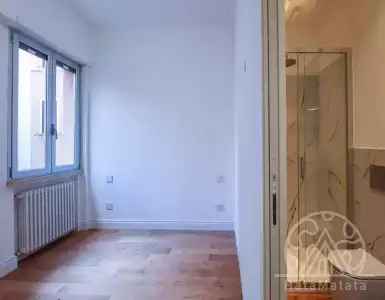
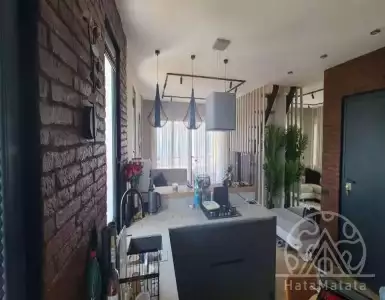
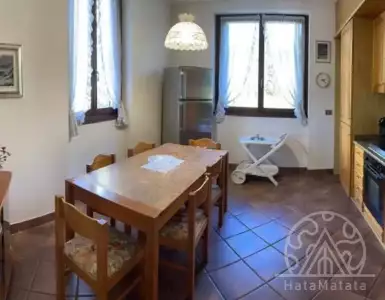
Key data from February 2026:
- Average property price in Italy: €1,866 per m²
- Average rent in Italy: €14.5 per m²
- Milan typical price: above €5,000 per m²
- Southern pockets: properties often available under €1,500 per m²
Example arithmetic: an 80 m² flat rented at €13 per m² costs roughly €1,040 per month. In smaller southern towns rental costs can be significantly lower.
Everyday costs to plan for (typical 2026 figures):
- Espresso at the bar: €1.20–€1.50
- Beer in a local bar: €4–€6
- Margherita pizza in a neighbourhood pizzeria: €7–€12
- Three-course meal in a mid-range restaurant: €25–€35
- Monthly utilities (80 m²): €150–€250
Property and rent numbers affect choices differently depending on goals. If your plan is to buy and live quietly, southern towns can make the purchase price and ongoing costs manageable. If you prefer city life and services, expect to pay Milan- or Rome-level prices.
Best regions to retire in 2026: where to buy and why
Choosing region matters more here than in many other countries. We focus on four regions that many retirees find realistic and accessible.
Puglia
Why consider it:
- Affordable property and coastal access on the Adriatic
- Strong food culture and community life
- A number of towns under 20,000 residents that may qualify for the 7% tax regime
What to watch: services vary between coastal towns and inland villages. Transport links to major airports are improving but remain important when choosing a town.
Abruzzo
Why consider it:
- Mix of mountains and coastline
- Lower cost of living than most northern regions
- An option for those who want space, nature and fewer tourists
What to watch: winter access and heating costs if you pick mountain villages.
Sicily
Why consider it:
- Very affordable housing in many areas
- Cities like Palermo and Catania are improving infrastructure and services
- Strong, established local communities
What to watch: regional public services can be inconsistent; do research into health services in the specific province.
Le Marche
Why consider it:
- Quieter than Tuscany but similarly scenic
- Popular with British retirees who want country life without big-city prices
What to watch: limited international flight options compared with more touristic regions.
Practical buying and investment considerations for retirees
Buying property in Italy requires due diligence equal to any other market. These are practical steps and warnings from experience.
Checklist before you commit:
- Verify residency and tax implications for the town you choose, particularly if you plan to use the 7% regime.
- Get a local notary and a real estate lawyer to check title, encumbrances and past planning permissions.
- Obtain an energy performance certificate (APE) and an up-to-date land registry extract.
- Budget for extra purchase costs such as transfer taxes, notary fees and agency fees; these vary by property type and region.
- Commission a structural survey where the property is older; many Italian homes were built before modern standards.
- Factor in community (condominio) charges if you buy a flat, and local utility patterns.
Tips for investors looking to rent to tourists or long-term tenants:
- Tourist rentals in well-located southern towns can be profitable in season, but local regulations differ; obtain the necessary permits.
- Long-term rental demand is stronger in provincial capitals and university towns than in tiny hilltop villages.
Risks to be clear about:
- Bureaucracy: obtaining permits or resolving disputes can take time and patience.
- Language barrier: outside major cities official processes and paperwork are often in Italian.
- Regional inequality: healthcare, transport and public services differ widely across regions.
How to make the move: a step-by-step timeline
A practical timeline reduces the chance of unexpected problems.
- 12–18 months before move: confirm your pension documentation, consult a tax adviser both in your home country and in Italy, and research potential towns.
- 6–12 months before move: secure accommodation options; if buying, commission surveys and legal checks.
- 3–6 months before move: apply for the Elective Residency Visa if required; book initial private health cover if you plan to register with the SSN later.
- On arrival: register at the comune, apply for residency certificate, register with the SSN, and open an Italian bank account.
We recommend retaining copies of all documentation and working with local professionals for the first 12 months while you settle in.
Living in Italy as a retiree: pros and cons
No country is perfect. Here are the trade-offs.
Pros:
- Strong community culture in many towns
- Walkable historic centres and daily social life
- Access to high-quality fresh food at reasonable prices
Cons:
- Slow bureaucracy and inconsistent local administration
- Language barrier outside major cities
- Regional differences in healthcare efficiency and public services
Our view: retirees who value community and quality of life will accept friction over time. Those who prioritise immediate service access and speed may prefer northern cities or remain clients of private healthcare until they understand the SSN.
Practical finances: a quick sample budget (illustrative)
Use the real numbers below to make a first-pass budget for basic costs (figures are national or typical 2026 values):
- Target annual passive income for ERV: €31,000 (single applicant) to satisfy consular requirements
- Expected private health insurance: €1,800–€3,500 per year for someone over 65
- Average property price to buy nationally: €1,866 per m², but expect >€5,000 per m² in Milan and <€1,500 per m² in parts of southern Italy
- Typical rent: €14.5 per m², so an 80 m² flat at €13 per m² costs about €1,040 per month
These numbers are starting points. You should model scenarios for both the town you choose and for worst-case healthcare costs.
Frequently Asked Questions
Can I apply the 7% flat tax if I buy in a popular seaside town?
You may qualify only if the municipality has fewer than 20,000 residents and participates in the scheme. Popular seaside towns often exceed that threshold; verify the town’s population and local details before relying on the regime.
How long before I can access the SSN after I arrive?
Once you register as a resident at the comune and complete enrolment with the ASL, you can register with the SSN and choose a GP. Timeframes vary by region; bring private cover for the first months if you need immediate care.
Will my home country continue to tax my pension?
That depends on the double-taxation treaty between Italy and your home country, and on whether your pension is state or private. Consult a cross-border tax specialist to avoid unexpected double taxation.
Should I rent first or buy straight away?
We recommend renting for at least 6–12 months in a chosen area before buying. Renting gives you time to test daily life, healthcare access and neighbourhood services before committing funds to purchase.
Final practical takeaway
If you plan to spend more than 183 days per year in Italy, expect to be taxed on worldwide income unless you structure residency and tax status carefully. For many retirees, the most tangible advantage in 2026 is the 7% flat tax on foreign pensions in qualifying small towns — but that requires careful local selection and professional tax advice. A realistic first step: target towns under 20,000 residents in regions such as Puglia, Abruzzo, Sicily or Le Marche where property prices can be below €1,500 per m², and engage both a cross-border tax adviser and a local notary before signing any purchase contract.
Tags
We will find property in Italy for you
- 🔸 Reliable new buildings and ready-made apartments
- 🔸 Without commissions and intermediaries
- 🔸 Online display and remote transaction

International Real Estate Consultant

Subscribe to the newsletter from Hatamatata.com!
Subscribe to the newsletter from Hatamatata.com!
Popular Posts

We will find property in Italy for you
- 🔸 Reliable new buildings and ready-made apartments
- 🔸 Without commissions and intermediaries
- 🔸 Online display and remote transaction
International Real Estate Consultant

Subscribe to the newsletter from Hatamatata.com!
Subscribe to the newsletter from Hatamatata.com!
I agree to the processing of personal data and confidentiality rules of HatamatataPopular Offers

 1
1
 40
40
 4
700
4
700
Need advice on your situation?
Get a free consultation on purchasing real estate overseas. We’ll discuss your goals, suggest the best strategies and countries, and explain how to complete the purchase step by step. You’ll get clear answers to all your questions about buying, investing, and relocating abroad.



Sales Director, HataMatata