


She Quit a Six-Figure Tech Job and Bought a Tuscan Home for €120,000 — What That Really Means

How €120,000 Became a New Life in Tuscany
How far can a modest budget stretch in Italy property? For Angie Smith, 52, it meant leaving a six-figure tech-sales career in Texas, selling a Fort Worth house, and buying a 19th-century stone home in Tuscany for €120,000 in mid-2023. That cash purchase — inspected over FaceTime by her daughter — is a clear case study in the realities of buying rural Italian real estate and the lifestyle trade-offs that come with it.
This is not a feel-good travel piece. It's a practical look at how a midlife relocation — financed with cash and topped by a later digital-nomad visa — can transform health, work and daily cost structures. I will walk through the purchase, the paperwork, the local integration, the risks and what investors and future expats should watch for.
Quick snapshot of the story
- Buyer: Angie Smith, 52, former tech-sales executive from Texas
- Purchase price: €120,000 (about $130,000 in 2023) paid in cash
- Property: two-bedroom, 19th-century stone house with 2 acres of terraced olive groves
- Location: small hamlet roughly 30 miles from Florence
- Timeline: decided to move in January 2023, bought in June 2023, moved later that summer
- Visa: secured a digital nomad visa in September 2025 after proving annual income above €32,000
- Outcome: runs a small real estate advisory and women's retreats; reported health benefits including losing 42 lbs and no longer suffering migraines
Buying rural Italy: what €120,000 actually gets you
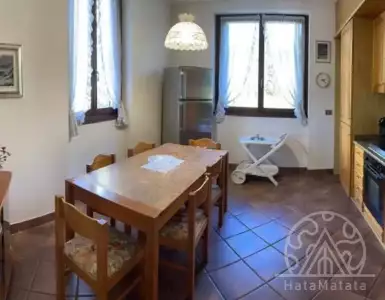
If you read headlines about bargain-priced Tuscan villas, Angie’s purchase helps cut through hype. She bought a small, two-bedroom stone house built in the 1800s with land — olive terraces — in a hamlet where most residents belong to one multi-generational family. That combination of age, charm and agricultural plot is exactly the kind of rural property that can sell for low six figures in less touristed regions.
From a real estate perspective, this tells us several things:
- Location matters more than age or charm. A property 30 miles from Florence is in reach of urban services and the international airport, but sits outside high-demand tourist zones where prices have ballooned.
- Cash buys speed and negotiating leverage. Angie paid in cash, which simplified closing and reduced financing contingencies.
- Condition and running costs vary widely. Older stone houses often need upgrades to heating, plumbing and insulation. Olive groves require ongoing maintenance.
For buyers, that means a bargain price can hide renovation bills and management costs. A purchase like this is attractive if you plan to live there and can handle rural maintenance or can afford to hire local help.
The risks of buying sight unseen — and how to mitigate them
Angie bought largely on trust: her daughter Taylor (31, living in London) did viewings and showed rooms on FaceTime. The eye-witness component matters, but this approach does carry risks. I see three main hazards for remote buyers.
- Hidden structural or legal issues. Old houses may lack compliant electrical systems or permitted conversions. Land use and water rights can be complex.
- Overlooked running costs. Heating an older stone home in winter, securing reliable broadband for remote work, and servicing olive trees add recurring expense.
- Cultural or social mismatch. Small hamlets may have tightly knit families, limited services and a slower pace that can be isolating.
Practical steps to reduce those risks:
- Hire an independent local surveyor and a solicitor (notaio in Italy) to inspect the title, cadastral plans and any easements.
- Verify utility connections and broadband speeds if remote work is in your plan.
- Budget a renovation contingency of at least 15–30% of purchase price for modest work — more for major structural or system upgrades.
- If possible, spend extended time living in the area before committing — short stays can miss seasonal realities.
Angie’s path shows how reliance on a trusted local — her daughter — can work, but it’s not a substitute for formal due diligence.
Paperwork, visas and proving income: realities for US buyers
Angie later obtained a digital nomad visa in September 2025 after proving annual income above €32,000. That sequence is useful for readers who think a property purchase automatically grants residency — it does not.
Key points on residency and documentation to know:
- Buying property in Italy does not in itself grant long-term residency rights for non-EU citizens.
- Digital-nomad or self-employment visas often require documented income thresholds and proof of remote work or business activity.
- Proof of funds for the property and fiscal compliance are essential when applying for any longer-term permit.
From a practical standpoint, I advise buyers to plan the visa route in parallel with property hunting. If you need a visa to stay long-term, documentable income and a business plan for local activities (Angie runs retreats and a small advisory service) can help.
Living costs, healthcare and integration: the human side of a move
Angie’s experience highlights less quantifiable but crucial factors: health, food quality and social belonging. She reported significant improvements in well-being — losing 42 pounds over two and a half years and ending migraine attacks — and she attributes that to the local diet, more physical activity and reduced stress.
But these gains come with trade-offs:
- Access to healthcare. Rural areas may have fewer specialists. You must register for regional health services and understand copayments and private options.
- Language barrier. Angie speaks a mix of Italian and English and relies on neighbors; full fluency is rare for many expats, yet basic competence eases transactions and community ties.
- Local norms and bureaucracy. Administrative procedures, from registering a property to obtaining permits for renovations, can be slow and require patience.
For families and older buyers, proximity to hospitals, pharmacies and public transport should influence neighborhood choice more than aesthetics.
Turning a personal move into a business: micro-enterprise in rural Italy
After settling, Angie created two revenue streams: a real estate advisory for people considering moving to Italy and women-only retreats. That is a realistic model for buyers who want a financial cushion beyond savings.
What this shows for entrepreneurs:
- Complementary businesses lower financial stress. Running retreats leverages the property and local network without high overhead.
- Authenticity matters. Angie’s personal story — from corporate stress to rural wellbeing — is the basis of her brand, which helps attract clients.
- Legal setup is essential. Small businesses must be registered correctly for taxation and to secure the digital-nomad visa’s income requirement.
If you plan to monetize a rural property through hospitality or events, check zoning rules and seasonal limits. Small hamlets may resist commercial activity that changes local rhythms.
What this case says to investors and buyers in 2026
Angles that investors should weigh:
- Yield vs lifestyle. A rural Tuscan property bought for €120,000 might not deliver strong rental yields compared with city apartments in Milan or Rome. It can, however, offer appreciation if near tourist routes or if repositioned for hospitality.
- Buy-and-hold still makes sense in select locations. Properties close to transport hubs or heritage towns retain value more than those deep in isolated hamlets.
- Cash transaction advantage. Cash purchases can sidestep mortgage complications for foreign buyers, but financing options have improved in recent years and may suit those who want liquidity.
From our analysis, the most realistic expectations are modest capital gains and strong personal benefits for owner-occupiers.



Practical checklist before you make a move
- Confirm visa eligibility and residency requirements for your nationality
- Arrange a local attorney (notaio) to review title and cadastral records
- Insist on an independent structural survey and verify systems (electric, water, heating)
- Check broadband and mobile coverage if you plan remote work
- Budget for a renovation contingency and ongoing land upkeep (farm taxes, olive tree care)
- Visit the community in different seasons to test services and social life
These steps are the difference between a charming story and an expensive mistake.
The social dimension: who this move appeals to
Angie explicitly frames her change as an option for women who find themselves single, divorced or empty-nesters. Her message is practical: midlife moves can be viable if you have resources, a plan and the willingness to adapt.
That said, integration into small communities requires emotional resilience. Hamlets where a single extended family dominates are welcoming but can be conservative in ways that surprise newcomers. Building local relationships, learning basic Italian and offering reciprocal help — she learned olive care with neighbors — smooth the transition.
My take: impressive outcomes, but not a template for everyone
I admire the decisiveness of buying with cash and using a family member to scout properties. Angie’s health improvements and business pivot are credible outcomes that will resonate with many readers. Yet this is not a universal blueprint. Buying rural Italian property for €120,000 can work if you accept rural life realities and plan for legal, tax and renovation needs.
If you want the lifestyle she gained, prepare to do the administrative work and to fund the hidden costs. If you want pure investment returns, compare rural opportunities with urban real estate and weigh yield, liquidity and tax implications.
Frequently Asked Questions
Q: Can a foreign buyer get residency by buying property in Italy?
A: No. Purchasing property in Italy does not automatically grant residency. Angie later applied for a digital-nomad visa in September 2025 after proving annual income above €32,000. For non-EU nationals, visa routes must be planned separately from property transactions.
Q: How common is it to buy sight unseen, and is it safe?
A: Buying unseen happens, especially when buyers use trusted local representatives. It is risky without a structural survey, legal checks and a notaio review of title and cadastral maps. Cash offers shorten closing timelines but don’t remove the need for due diligence.
Q: What recurring costs should be budgeted for a rural stone house?
A: Expect costs for heating upgrades, plumbing and electrical updates, property taxes, insurance and maintenance for agricultural land such as olive groves. Budget a renovation contingency of 15–30% of the purchase price at minimum.
Q: Could a rural Tuscan property like this be a good rental investment?
A: It depends on access to tourism, transport and the property’s appeal. Remote hamlets often yield lower returns than town-center short-term rentals in Florence or Siena. If you plan hospitality, check zoning and seasonal restrictions.
Angie’s story is instructive because it pairs a bold personal decision with pragmatic business sense: cash purchase, local help, and diversifying income through an advisory and retreats. It proves you can buy a rural Tuscan home for €120,000, but it also shows you need to plan for visas, upkeep and the slower pace of life. That price point can unlock a new lifestyle — provided buyers do the paperwork, budget for hidden costs and accept the trade-offs of rural living.
Tags
We will find property in Italy for you
- 🔸 Reliable new buildings and ready-made apartments
- 🔸 Without commissions and intermediaries
- 🔸 Online display and remote transaction

International Real Estate Consultant

Subscribe to the newsletter from Hatamatata.com!
Subscribe to the newsletter from Hatamatata.com!
Popular Posts

We will find property in Italy for you
- 🔸 Reliable new buildings and ready-made apartments
- 🔸 Without commissions and intermediaries
- 🔸 Online display and remote transaction
International Real Estate Consultant

Subscribe to the newsletter from Hatamatata.com!
Subscribe to the newsletter from Hatamatata.com!
I agree to the processing of personal data and confidentiality rules of Hatamatata


Need advice on your situation?
Get a free consultation on purchasing real estate overseas. We’ll discuss your goals, suggest the best strategies and countries, and explain how to complete the purchase step by step. You’ll get clear answers to all your questions about buying, investing, and relocating abroad.



Sales Director, HataMatata