


Why British Buyers Are Flocking to Cyprus Property — Six Practical Reasons

Why Cyprus property is suddenly back on every British buyer’s list
Cyprus property has moved from holiday talk to serious relocation planning for many UK residents. Within two sentences: the island offers tax rules that cut bills and a cost of living that stretches pensions and salaries further. Our analysis, informed by comments from Sotia Hadjineocleous of Domenica, explains what is driving the surge in interest and what buyers and investors should watch for.
People tell us they are fed up with UK tax bills and winter weather. That emotional factor helps explain migration decisions, but the hard numbers are what seal many deals: no inheritance tax, no wealth tax, income tax capped at 35%, and the first €22,000 of income tax-free from January 2026. Combine that with property prices that still look competitive to UK standards, and you have clear incentives.
Six reasons British buyers are choosing Cyprus
Domenica highlights six concrete drivers. I’ll expand on each and explain practical implications for buyers and investors.
1. Tax-friendly living
Cyprus’s tax regime is a headline attraction.
- No inheritance tax and no wealth tax.
- Income tax is capped at 35%, with the first €22,000 tax-free as of January 2026.
- No annual immovable property tax; owners pay local municipal fees of about €300–€400 a year.
What this means for buyers/investors
Lower headline taxes improve after-tax returns on rental investments and reduce the burden for high-net-worth movers. For a pensioner or remote worker, the tax-free €22,000 allowance can reduce taxable income substantially. But tax planning must be precise. Residency rules, timing of relocation, and the source of income matter. Non-domiciled status and length of non-dom relief require careful legal advice before acting.
2. Business opportunities and corporate incentives
Cyprus aims to be business-friendly for SMEs and tech firms. Key facts:
- Company registration commonly takes 1–2 weeks.
- Corporate tax is 15% as of 1 January 2026.
- For certain IP or R&D incomes, effective rates can fall to about 2.5% under specific regimes.
- Non-domiciled residents pay 0% tax on dividends, interest and most foreign capital gains for up to 17 years.
- Foreign pensions can be taxed at a flat 5% rate.
Practical takeaways
If you run a business or freelance, Cyprus offers tax and administrative incentives that can cut operating costs and red tape. But relocating a company or becoming tax resident involves compliance with anti-avoidance rules and transfer-pricing for cross-border activity. Expect to work with local accountants and lawyers familiar with Cyprus corporate and tax law.
3. Education: affordable British-style options
For families, schooling is a major concern. Cyprus has multiple international schools that follow the British curriculum and English-speaking universities linked to UK institutions.
- Leading international school fees range from €7,500 to €17,000 a year, compared with private school fees in the UK that can exceed £30,000.
What parents should consider
Lower tuition can free household budgets, but spaces at top schools fill fast in expat hubs. If school quality and continuity matter, start the application process early and verify admission quotas, extracurricular provision and exam outcomes (IGCSE/A-level or equivalent). Private schools vary in quality; visit and compare before committing.
4. Culture, familiarity and ease of settling in
Cyprus feels familiar to many Brits. Left-hand driving, widespread English and known high-street brands reduce friction for new arrivals. Historical ties and a common legal culture make everyday life straightforward.
That said, cultural fit is not a substitute for practical checks. Learn local municipal rules, property covenants and homeowners association arrangements before purchase.
5. Lower cost of living
The numbers are hard to ignore: a family of four can live on about €2,500 a month excluding rent, which Domenica says is roughly 40% lower than the UK average. Grocery bills, utilities and private healthcare are typically cheaper.
How that affects buyer behaviour
Lower living costs can allow buyers to move sooner, reduce the need to sell UK assets, or make rental yields look healthier in cash-flow terms.
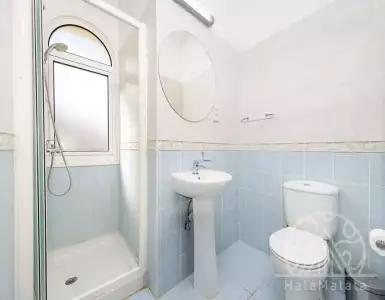







6. Property stock and price points
Cyprus property prices still attract buyers seeking space, sea views and private pools that are rare in the UK at comparable prices.
- A coastal villa with a private pool can start at €400,000.
- Luxury apartments are available from €180,000.
What investors should check
Those price points are valid starting offers and depend heavily on location, build quality and developer reputation. Coastal areas command premiums. Rental demand varies between tourist hotspots and year-round towns. Do not assume every property rented regularly; seasonal demand can compress yields if you buy without an operations plan.
Where value lies and where caution is needed
I think Cyprus combines compelling tax features and a comfortable lifestyle, but buyers must balance upside with specific risks.
Key risk areas:
- Legal complexity: Title searches, planning permissions and past building approvals matter. Titles in Cyprus can be clear, but there are cases where paperwork is incomplete.
- Market segmentation: There is a gulf between prime coastal villas and inland urban housing. Liquidity differs accordingly.
- Regulatory change: Tax laws have changed historically; while current rules are generous, legislative shifts can affect returns.
- Currency exposure: Most salaries and pensions will involve exchange-rate risk versus the euro.
Practical risk management steps
- Insist on a full title deeds check and land registry verification before exchange.
- Work with a local solicitor who has cross-border experience with UK clients.
- Get independent valuations and request historical rental yields where applicable.
- Factor in service charges, municipal fees and VAT on new builds when modelling returns.
Who benefits most: buyers, investors, retirees or entrepreneurs?
This depends on goals.
- Buyers seeking secondary residences or relocation: Cyprus offers lifestyle gains and lower living costs.
- Income investors: Coastal holiday rentals can yield attractive seasonal income, but expect variable occupancy and management overhead.
- Entrepreneurs and company owners: The corporate tax rate and non-dom rules make Cyprus attractive for certain structures, especially in tech and IP-related businesses.
- Retirees and pensioners: The flat 5% tax on foreign pensions is a clear draw; add lower healthcare costs, and the math often works in favour of relocation.
Practical buying checklist for UK buyers
Buying abroad is straightforward if you follow a disciplined process. Here’s a checklist I recommend:
- Confirm your tax residency status and consult a Cyprus tax advisor.
- Secure an English-speaking solicitor with Cyprus property experience.
- Verify title deeds and planning permissions.
- Check municipal and service fees (expect €300–€400 per year in many cases).
- Have a clear rental or occupation strategy; assess seasonal demand if you rely on holiday lets.
- Budget for VAT on new builds and mortgage-related costs if borrowing locally or in the UK.
- Visit in different seasons to test climate, noise and community dynamics.
How to approach finance and returns
Many UK buyers fund Cyprus purchases via remortgaging, cash or local mortgages. Mortgage terms and availability vary between banks and nationalities.
- If you plan to borrow in Cyprus, compare lending rates and loan-to-value ratios.
- If you borrow in sterling and keep rental income in euros, hedge currency exposure in your financial model.
For investors, run multiple yield scenarios: conservative, realistic and optimistic. Include all recurring costs: management, cleaning, utilities during vacancy and municipal fees.
Developer and resale considerations
Developers vary. Some projects are professionally run with transparent contracts and completion guarantees; others are not. When buying off-plan:
- Check developer track record and ask for references from previous buyers.
- Confirm building warranties and stages of completion.
- Read the contract for penalties relating to delays and quality guarantees.
Resale prospects depend on location and property type. Central Limassol, Paphos coastal strips and parts of Larnaca often see stronger demand, but local micro-markets differ.
Final assessment: opportunity with work attached
Cyprus offers a compelling mix of tax breaks, lower cost of living and accessible British-style services. That combination explains why many UK residents are taking the move seriously. The figures from Domenica are clear: first €22,000 tax-free from January 2026, corporate tax 15%, non-dom relief up to 17 years, school fees €7,500–€17,000, and property entry points such as €400,000 for a coastal villa.
But this is not a guaranteed windfall. Buyers must approach with due diligence: legal checks, conservative cashflow models and contingency planning for regulatory shifts. If you are planning a move or an investment, start by speaking to a Cyprus-based solicitor and tax adviser and visit the neighborhoods you’re considering at different times of year.
Frequently Asked Questions
Q: Is Cyprus tax-free for new residents?
A: No. Cyprus is not entirely tax-free, but it has generous features: no inheritance tax, no wealth tax, income tax capped at 35%, and the first €22,000 is tax-free from January 2026. Residency status and the origin of income affect taxation—get tailored tax advice.
Q: Can I register a company quickly in Cyprus?
A: Yes. Company registration typically takes 1–2 weeks. Corporate tax is 15% from 1 January 2026 and favourable regimes exist for IP and R&D incomes that can lower effective rates.
Q: How much does living in Cyprus cost compared with the UK?
A: Domenica estimates a family of four spends about €2,500 per month excluding rent, around 40% less than UK averages. Actual costs depend on lifestyle, schooling choices and location.
Q: Are property prices much lower than in the UK?
A: Prices can be more affordable for comparable quality: villas with pools near the coast can start at €400,000, and luxury apartments from €180,000. Location and quality drive price variation.
If tax efficiency is your priority, remember this concrete number: the first €22,000 of income is tax-free from January 2026, and that alone can change the financial arithmetic for many relocating families and small-business owners.
Tags
We will find property in Cyprus for you
- 🔸 Reliable new buildings and ready-made apartments
- 🔸 Without commissions and intermediaries
- 🔸 Online display and remote transaction

International Real Estate Consultant

Subscribe to the newsletter from Hatamatata.com!
Subscribe to the newsletter from Hatamatata.com!
Popular Posts

We will find property in Cyprus for you
- 🔸 Reliable new buildings and ready-made apartments
- 🔸 Without commissions and intermediaries
- 🔸 Online display and remote transaction
International Real Estate Consultant

Subscribe to the newsletter from Hatamatata.com!
Subscribe to the newsletter from Hatamatata.com!
I agree to the processing of personal data and confidentiality rules of Hatamatata


Need advice on your situation?
Get a free consultation on purchasing real estate overseas. We’ll discuss your goals, suggest the best strategies and countries, and explain how to complete the purchase step by step. You’ll get clear answers to all your questions about buying, investing, and relocating abroad.



Sales Director, HataMatata