


Why Egypt’s Real Estate Market Is Holding Firm Despite Regional Shocks

Egypt real estate weathers regional turbulence — what buyers and investors need to know
Egypt real estate is showing resilience even as geopolitical tensions unsettle the region. Within the first 100 words: Savills Egypt and Fitch Ratings both report that market activity, developer pipelines and buyer demand remain largely intact despite cost pressures tied to energy and exchange rates. Our analysis explains what that means for buyers, developers and international investors.
How the market is performing now
Savills Egypt describes the current picture as resilient: developers are continuing to launch and deliver projects and demand is holding up. Savills Egypt points to conditions that echo previous regional disruptions, where Egypt felt effects largely through external channels rather than direct exposure. Fitch Ratings adds that Egypt’s financial system is entering this period from a position of relative strength, supported by strong capitalisation, profitability and foreign currency liquidity buffers in the banking sector.
Key takeaways from the reports:
- Development pipelines remain active across residential and mixed-use segments.
- Developers are maintaining pricing discipline while prioritising sales and on-time delivery.
- The sector faces near-term cost pressures linked to exchange rate movements, energy inputs and supply chain disruptions.
- Demand fundamentals are underpinned by population growth, urban expansion and a perception of real estate as an inflation hedge.
- Regional investor interest, particularly from GCC parties, continues — notable activity is concentrated along the North Coast.
Catesby Langer-Paget of Savills summed up the near-term risk: “From a real estate perspective, the sector is facing near-term cost pressures, primarily linked to exchange rate movements, energy inputs and supply chain disruptions. At this stage, we see no indication of a broad repricing of real estate assets.” That phrasing should guide most investor thinking — stresses exist, but wholesale value compression has not arrived.
Drivers sustaining demand: why buyers are still active
Demand shows stamina for several concrete reasons that matter to investors and homebuyers alike.
- Real estate is seen as a hedge against inflation. When local currency purchasing power weakens, physical property often retains nominal value. Buyers who want to protect capital continue to move into housing and mixed-use assets.
- Long-term demographics support absorption. Population growth and urban expansion keep demand for housing and rental stock elevated, especially in primary urban corridors.
- Developers adapted during prior 2024 volatility. Many large firms already built elevated exchange-rate assumptions into budgets and sales plans, which helps them absorb current cost increases without passing immediate, sharp price rises to buyers.
- Regional capital remains available. GCC investors and developers have not retreated; they are active in projects such as those along the North Coast, which continues to attract cross-border buyers and investors.
From a practical perspective, this means buyers can still find opportunities but should assess each project’s exposure to currency and energy-price swings. For investors seeking rental income, the steady urbanisation trend is a positive structural tailwind.
Cost pressures: energy, exchange rates and supply chains
The sector’s most visible vulnerabilities are on the cost side. Savills places emphasis on three immediate inputs:
- Energy costs: rising fuel and power expenses increase construction and operational outlays for developers and landlords. Higher energy bills change project cashflow projections and operating expense forecasts for income-producing assets.
- Exchange-rate movements: many inputs — machinery, imported materials, specialist equipment — are priced in foreign currencies, so depreciation of the Egyptian pound raises local costs.
- Supply-chain disruptions: delays or higher freight costs translate into longer construction timelines and higher working capital needs.
Why this matters: developers with thin margins or weak pre-sales face squeezed profitability. That elevates delivery risk on smaller or less well-capitalised projects. But Savills notes larger, experienced developers are managing these pressures through stronger financial modeling and more conservative planning assumptions.
What we watch next:
- Duration and direction of energy-price shifts — sustained high energy costs could force project-level reforecasting.
- Currency stability — if the pound weakens sharply and persistently, cost pass-through or renegotiation of contracts could accelerate.
- Pre-sale and escrow protections — projects relying on pre-sales to fund construction will feel immediate strain if buyers pause activity.
Lending, liquidity and the banking backdrop
Fitch Ratings highlights that Egypt’s banking sector enters this period with relatively robust fundamentals. The report identifies solid capitalisation, profitability and foreign currency liquidity buffers as stabilising factors for the broader economy and, by extension, the property market.
Why that matters for property buyers and investors:
- Banks in better health can continue to provide construction finance, mortgage lending and corporate credit, which helps keep project pipelines moving.
- Foreign currency liquidity buffers reduce the odds of an abrupt credit squeeze in imported-input reliant sectors such as construction.
Still, there are caveats. Costlier financing or a risk-off sentiment among international lenders can tighten credit availability for new projects. Domestic lenders may also reprice risk and require larger developer equity or pre-sales before committing funds. Investors should therefore examine the financing profile of a development: is it bank-funded, equity-funded, or dependent on off-plan receipts?
Where investors should look — sectors and locations
Savills notes continued project launches across segments, and GCC capital is particularly visible in leisure-oriented developments. From our perspective, the most compelling—but differentiated—prospects are:
- Residential projects in major cities: steady rental demand and capital preservation.

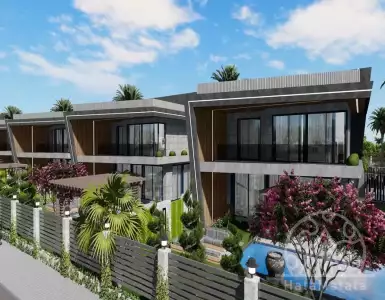
For buyers and investors, the emphasis should be on asset quality, developer track record and legal safeguards. In uncertain times, liquidity matters: assets with clear secondary-market prospects are preferable to highly bespoke or illiquid holdings.
Practical guidance: how to assess risk and protect returns
We recommend a checklist approach for buyers and institutional investors assessing Egyptian property:
- Review the developer’s balance sheet and delivery history. Prior successful completions indicate better capacity to absorb cost shocks.
- Check contract currency and indexation clauses. Contracts priced or indexed to foreign currencies or to a construction materials index provide different risk profiles.
- Ask for detailed cost and contingency schedules. Transparent budgets with realistic contingency assumptions are a sign of conservative planning.
- Verify financing sources. Projects relying heavily on pre-sales or short-term bridge finance carry higher execution risk.
- Evaluate energy exposure and OPEX forecasts. For rental assets, higher energy costs can reduce net operating income unless efficiencies are built in.
- Consider legal and escrow protections for off-plan buyers. Escrow accounts and buyer safeguards can mitigate delivery risk.
We also suggest negotiating flexible payment terms or staged payments tied to construction milestones rather than fixed deadlines. Investors buying into holiday developments should model for seasonal occupancy and potential travel disruptions.
Risk scenarios: what could change the outlook
Savills is clear that the market’s near-term path depends on the duration of regional tensions and related macro shocks. Specific risk scenarios to monitor:
- Prolonged geopolitical tension leading to sustained currency depreciation and higher import costs.
- A sharp spike in global energy prices that materially increases operating and construction expenses.
- A credit squeeze or contagion event that lowers availability of construction loans.
Under those conditions, developers with weaker balance sheets could delay deliveries or raise prices to maintain margins. That would introduce short-term price dispersion across the market and increase the importance of asset-level due diligence.
Our assessment: cautious confidence, not complacency
We find the reports from Savills and Fitch consistent: the sector is managing stress rather than collapsing under it. Developers display a more disciplined approach compared with past cycles, and the banking system offers a buffer for liquidity. That is encouraging but not a guarantee.
From an investor standpoint:
- The market offers defensive qualities — particularly for capital preservation and rental income — but investors must price in operational cost risk and currency volatility.
- Buying from reputable developers, securing contractual protections and monitoring macro indicators will remain crucial.
In short, Egypt’s property market shows resilience, yet outcomes will be sensitive to energy and currency dynamics and the length of regional instability.
Frequently Asked Questions
Q: Is now a good time to buy property in Egypt?
A: That depends on your goals. For capital preservation and long-term rental demand, the structural drivers such as population growth and urbanisation remain in place. You should prioritise established developers, insist on strong contractual protections and model for higher energy and material costs.
Q: Will housing prices fall because of the regional tensions?
A: Savills finds no current indication of a broad repricing of real estate assets. Cost pressures are present, but developers are largely absorbing increases and maintaining pricing discipline. A prolonged deterioration in currency or a spike in energy costs would change that outlook.
Q: How should foreign investors manage currency risk when investing in Egyptian real estate?
A: Consider hedging strategies, structure parts of the investment in hard currency where possible, or use contracts that limit exposure to local currency swings. Also assess the project’s exposure to imported inputs and whether the developer has priced those risks into budgets.
Q: Which segments are most attractive to regional investors today?
A: The North Coast and leisure-linked projects remain popular with GCC investors, while urban residential and mixed-use developments attract domestic and regional capital looking for steady cashflows.
We will continue monitoring how energy costs and exchange rates evolve, and we recommend prospective buyers and investors demand transparency on financing, contingency planning and delivery schedules. Savills says there is no indication of a broad repricing of real estate assets, a practical fact to anchor negotiations and deal structuring going forward.
We will find property for you
- 🔸 Reliable new buildings and ready-made apartments
- 🔸 Without commissions and intermediaries
- 🔸 Online display and remote transaction

International Real Estate Consultant

Subscribe to the newsletter from Hatamatata.com!
Subscribe to the newsletter from Hatamatata.com!
Popular Posts

We will find property for you
- 🔸 Reliable new buildings and ready-made apartments
- 🔸 Without commissions and intermediaries
- 🔸 Online display and remote transaction
International Real Estate Consultant

Subscribe to the newsletter from Hatamatata.com!
Subscribe to the newsletter from Hatamatata.com!
I agree to the processing of personal data and confidentiality rules of HatamatataPopular Offers

 1
1
 0
0
 2
2
80
2
2
80
 4
4
166
4
4
166
Need advice on your situation?
Get a free consultation on purchasing real estate overseas. We’ll discuss your goals, suggest the best strategies and countries, and explain how to complete the purchase step by step. You’ll get clear answers to all your questions about buying, investing, and relocating abroad.



Sales Director, HataMatata