


House in Cyprus


Choosing a property in Cyprus for your request
- 🔸 Reliable new buildings and ready-made apartments
- 🔸 Without commissions and intermediaries
- 🔸 Online display and remote transaction
Our managers will help you choose a property

Liliya
International Real Estate Consultant
Need help choosing a property?
Leave a request and our manager will contact you.
Our managers will help you choose a property
Liliya
International Real Estate Consultant

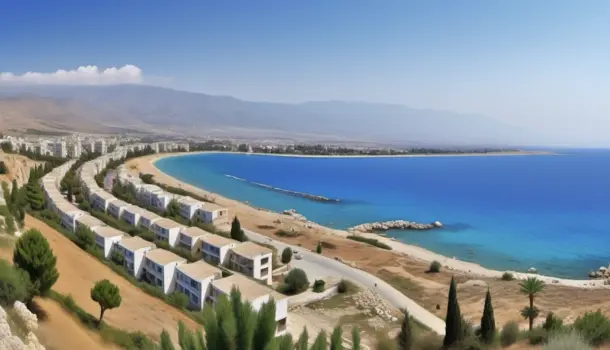
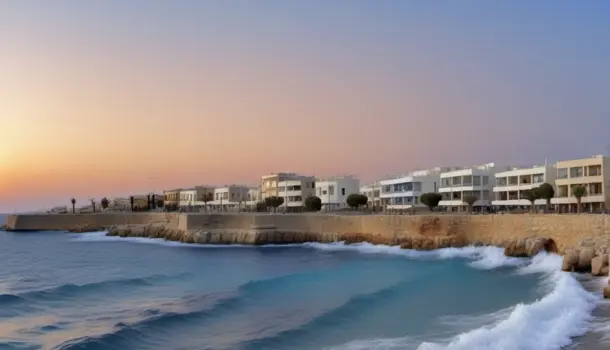
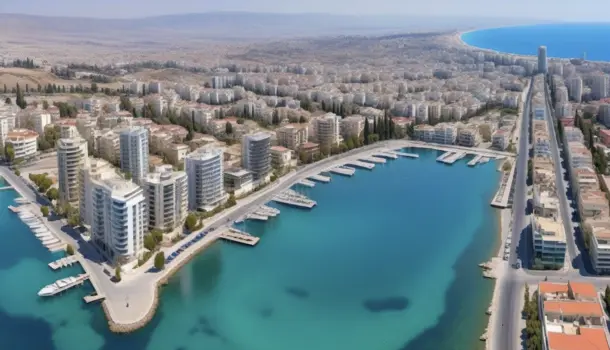
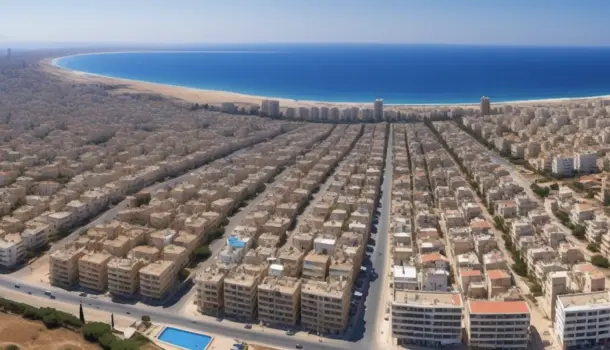
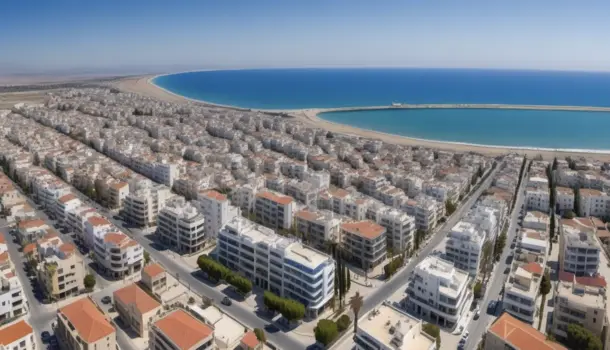
Weather in Cyprus
For Sale house in Cyprus
Houses in Northern Cyprus
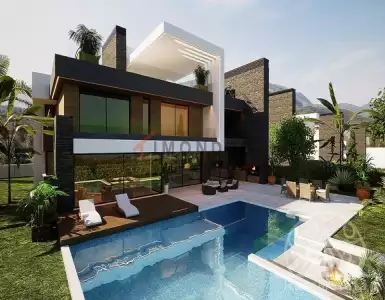
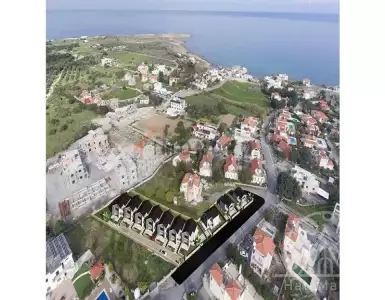
 2
2
 1
1
 134
134
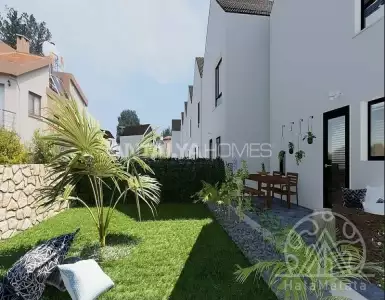 2
1
120
2
1
120
Houses in Limassol
Choosing a property in Cyprus for your request
- 🔸 Reliable new buildings and ready-made apartments
- 🔸 Without commissions and intermediaries
- 🔸 Online display and remote transaction
Our managers will help you choose a property
Liliya
International Real Estate Consultant
Houses in Famagusta
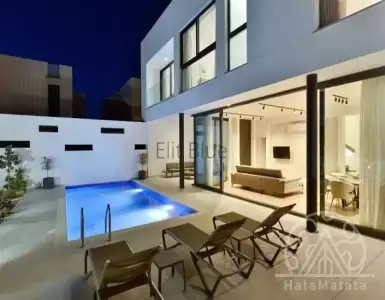
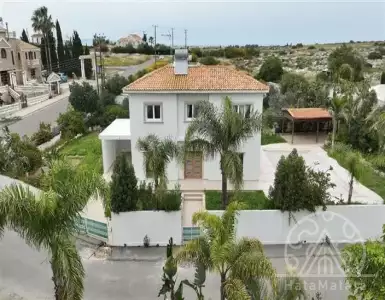
Houses in Paphos
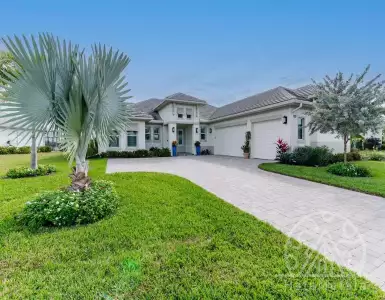
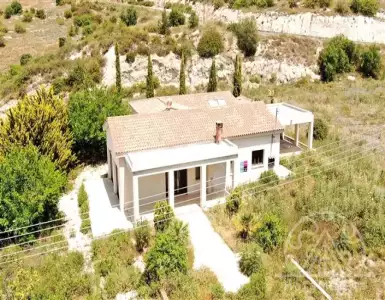
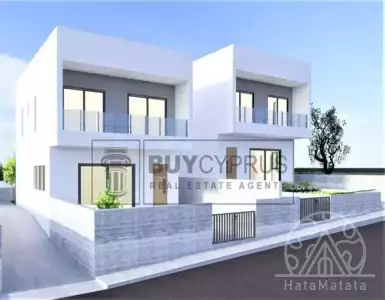
House in Cyprus
Choosing a property in Cyprus for your request
- 🔸 Reliable new buildings and ready-made apartments
- 🔸 Without commissions and intermediaries
- 🔸 Online display and remote transaction
Our managers will help you choose a property
Liliya
International Real Estate Consultant
Need help choosing a property?
Leave a request and our manager will contact you.
Our managers will help you choose a property
Liliya
International Real Estate Consultant
Individual selection houses in Cyprus
Save time — for free we will select objects for your budget and goals
Cyprus housing market: regional prices, legal requirements and property taxes
Buying a House in Cyprus blends Mediterranean lifestyle, stable investment conditions and accessibility across Europe and the Middle East, making it attractive to private buyers and investors alike. The island’s mix of coastal resorts, mountain villages and growing urban centres creates varied demand for House in Cyprus, from holiday villas in Paphos to family homes in Limassol suburbs and rental-ready properties in Ayia Napa.
💎 Characteristics of living and buying House in Cyprus
Cyprus offers a Mediterranean climate with long dry summers and mild winters, which directly supports year-round rental demand along the south coast and in popular resort areas. Coastal microclimates drive strong interest in Limassol, Paphos, Ayia Napa and Protaras, while cooler inland areas such as Troodos attract buyers seeking seasonal retreats. The climate influences garden sizes, pool installation and energy needs for houses, factors that shape both purchase prices and operational costs. Infrastructure anchors demand and liquidity: Larnaca International Airport, Paphos International Airport, the A1 motorway linking Nicosia and Limassol, and the Limassol Marina create clear corridors of higher transaction volumes and price resilience. Proximity to hospitals like Nicosia General Hospital, universities such as University of Cyprus and retail hubs such as MyMall Limassol increases owner-occupier and rental appeal. Urban business centres and tourist nodes define buyer profiles: Limassol and Nicosia attract corporate relocations and executives, generating interest in family villas and gated communities, while Paphos, Ayia Napa and Protaras remain strong for short-term tourist rentals and holiday-home purchases. Developers also target expatriate communities in Larnaca and Latsia, reinforcing steady demand for mid-priced houses.
Key location and lifestyle drivers
- Transport hubs: Larnaca and Paphos airports, Limassol port and A1 motorway.
- Healthcare and education: Nicosia General Hospital, European University Cyprus, University of Cyprus.
- Recreation: Aphrodite Hills Golf Resort, Limassol Marina, Coral Bay beaches.
💼 Economic and investment climate in Cyprus and impact on the House market
Cyprus has a service-oriented economy with tourism, finance and shipping as leading sectors, supporting steady demand for residential property from both holidaymakers and expatriate professionals. The country’s corporate tax rate of 12.5% and EU membership underpin foreign investor confidence and cross-border financing availability. Tourism arrivals exceed two million visitors, underpinning seasonal rental income and capitalisation of holiday homes in coastal towns. The banking sector and real estate market provide liquidity channels for investors and developers, with commercial activity concentrated in Limassol and Nicosia, while tourism-driven revenues keep Paphos and Ayia Napa attractive for short-term lets. Investment house in Cyprus benefits from predictable occupancy peaks and a diversified buyer base—local, EU and non-EU buyers—improving resale prospects. Macro factors shaping liquidity and ROI include stable rental demand, supply constraints in premium coastal plots, and infrastructure projects such as port upgrades and road expansions that improve access to suburbs and resorts. These dynamics mean ROI on house in Cyprus varies by location but remains attractive compared with many Western European coastal markets.
Economic highlights for investors
- Corporate tax: 12.5%.
- Tourism base: over 2 million annual arrivals supporting holiday rentals.
- Key demand drivers: corporate relocations to Limassol, university students around Nicosia and Larnaca, holiday rentals in Paphos and Ayia Napa.
💶 How much House costs in Cyprus: price ranges by city and property format
House prices in Cyprus vary by city, plot size, sea proximity and whether a property is new or resale. Coastal Limassol commands the highest premiums for detached villas and beachfront houses, while Paphos and Ayia Napa offer stronger entry points for investors seeking holiday rental returns. Typical sizes for detached houses range from 120–350 sqm internal with plots of 300–1,000+ sqm depending on the location and property class. Representative price ranges in US dollars:
- Limassol: $450,000 – $8,000,000 for villas and detached houses; prime seafront plots significantly higher.
- Paphos: $180,000 – $1,200,000, with coastal villas in Peyia/Coral Bay at the upper end.
- Larnaca: $150,000 – $1,000,000, family homes near Finikoudes and Mackenzie beach popular for rentals.
- Nicosia: $120,000 – $900,000, suburban houses in Engomi and Strovolos appealing for long-term residents.
- Ayia Napa / Protaras: $200,000 – $1,500,000, strong seasonality and higher yields for short-term lets. Price drivers and market dynamics
- New developments by reputable builders command premium prices and often include HOA-managed landscaping and pools.
- Resale houses in established neighbourhoods have faster time-on-market when near schools, hospitals or transport corridors.
- Market demand is strongest for 3–4 bedroom houses suitable for families and holiday groups.
📍 Which region of Cyprus to choose for buying House in Cyprus
Choice of region depends on purpose: living, rental or investment. Limassol is the business and luxury residential hub with strong expat demand and high prices, while Nicosia is the administrative capital offering stable long-term rentals and commuter housing. Paphos is the primary choice for retirement and holiday investors due to coastline, archaeological sites and the Paphos International Airport. Ayia Napa and Protaras are seasonally intense rental markets near Blue Flag beaches, creating high peak-season yields. Infrastructure access differs across regions and affects rental demand: Limassol benefits from proximity to the Limassol Marina and international schools, Nicosia from administrative institutions and healthcare, Larnaca from its international airport and the new business district, and Paphos from tourism nodes and golf resorts like Aphrodite Hills. Price differentials are therefore predictable: Limassol highest, Paphos/Larnaca mid-range, Nicosia more affordable per sqm in suburbs. Regional pros and cons for buyers
- Limassol: premium capital growth, limited coastal supply.
- Paphos: strong holiday rental potential and lower entry prices.
- Larnaca: airport-driven long-stay rentals, growing expat community.
- Nicosia: stable rental market for professionals and families.
🏗️ Leading developers and projects offering House in Cyprus
Several established developers focus on house and villa projects across Cyprus, delivering gated communities, golf resort villas and coastal estates that appeal to different buyer types. Notable developers include Leptos Estates, known for Kamares Village and Coral Bay villas; Pafilia with mixed residential schemes in Limassol and Paphos; Cybarco focusing on integrated resort developments; Aristo Developers active in Paphos and Larnaca markets; and Zavos Group delivering luxury residences and custom villas. Representative projects and their appeal
- Aphrodite Hills Resort (villa communities and golf) — strong for retirees and holiday rentals.
- Limassol Marina / surrounding villa clusters — luxury living for executives and investors seeking asset appreciation.
- Leptos Coral Bay villas — holiday-oriented product with established rental demand.
- Pafilia schemes in Limassol — premium, developer-backed finishes and maintenance. Why choose developer-backed houses
- Warranty, infrastructure and proven delivery timelines.
- Easier access to developer installment plans and after-sales property management.
- Higher marketing exposure for rental platforms and resale markets.
🏦 Mortgage Cyprus for foreigners and house in Cyprus with mortgage or installment plan
Foreign buyers can access mortgages in Cyprus from domestic and international banks, though terms depend on nationality, residency status and property type. Typical lending parameters for non-residents are LTV 50–60%, with resident foreigners sometimes securing up to 70% LTV; down payments typically range 30–40% for non-residents. Interest rates vary by profile and market conditions, commonly between 3%–6% for fixed or variable products, with maximum amortisation up to 25 years in many cases. Banks require proof of income, credit history, property valuation and legal clearance; recent bank restructuring has emphasised conservative LTVs and stronger compliance checks. Developer financing and installment plans are widely used for new builds, enabling staged payments during construction and final handover. House in Cyprus with installment plan options are often offered by Leptos Estates, Pafilia and Aristo for phased payments tied to construction milestones. Mortgage and installment highlights
- Typical LTV: 50–70% depending on residency and bank policy.
- Interest range: approximately 3%–6% depending on product.
- Tenor: up to 25 years; developer plans often match construction schedule.
📝 Legal process to buy house in Cyprus and house purchase costs in Cyprus
The legal process to buy house in Cyprus follows a sequence of due diligence, reservation, contract exchange, payments and title registration, requiring engagement of a Cypriot lawyer for searches and conveyancing. Buyers typically pay a reservation deposit, followed by a signed contract with a 10–30% deposit on exchange for resale, or staged payments for new developments. The complete Legal process to buy house in Cyprus includes checks on title deeds, planning permits, debts on the property and compliance with municipal building regulations. Typical transactional costs and taxes for buyers:
- Reservation deposit: often $2,000–$10,000.
- Deposit on contract exchange: 10–30% of purchase price.
- Transfer fees and stamp duty: variable; buyers should budget 3%–8% for transfer-related charges and stamp duty on the contract.
- VAT: 19% commonly applicable on new builds where VAT applies; resale properties normally exempt.
- Legal and notary fees: typically 1%–2% plus disbursements. Timelines and documentation
- Conveyancing and title checks usually take 4–12 weeks for clean deeds; new-build timelines depend on construction schedules.
- Notary role is limited; lawyers handle registration at the Department of Lands and Surveys and coordinate the transfer to the buyer’s name.
⚖️ Property taxes in Cyprus for foreigners and legal ownership rules for House in Cyprus
Foreign ownership is generally permitted throughout Cyprus with full freehold titles on most properties, though non-EU nationals may need the Council of Ministers’ permission for agricultural or protected lands. Annual immovable property tax was abolished, but buyers pay municipal rates, refuse collection and community/utility charges. Capital gains from sale are typically taxed at 20% on the gain, and VAT at 19% applies to many new builds, so effective Property taxes in Cyprus for foreigners include VAT, stamp duty, transfer fees and capital gains considerations. Rental rules and residency implications are straightforward: short-term rentals are regulated at municipal level with licensing requirements for holiday lets in many resorts, and owners must register for VAT where thresholds are met. Buy house as a foreigner in Cyprus is legally possible with transparent title search, and purchase does not automatically grant citizenship; the formerly active Golden visa through house investment in Cyprus route was closed and is not an automatic path to citizenship. However, Residence permit through house investment in Cyprus remains possible under the permanent residency scheme for qualifying investments above specified thresholds, subject to immigration rules and documentation. Tax and regulatory checklist
- Capital gains tax: 20% on gains.
- VAT on new builds: 19% where applicable.
- Municipal and local fees: variable and ongoing.
- Residency: purchase can support permanent residency applications under qualifying schemes but does not guarantee citizenship.
🎯 Which purposes buying House in Cyprus suits and recommended locations
Buying a house in Cyprus suits multiple objectives: full-time relocation, seasonal second-home use, holiday rental investment, family residence or premium living. For relocation and family living, Limassol and Nicosia suburbs provide schools, hospitals and corporate access; family houses in Agios Athanasios (Limassol) and Engomi (Nicosia) are common choices. For seasonal residence and holiday lettings, Paphos (Coral Bay, Peyia) and Ayia Napa / Protaras deliver high occupancy and visitor rates, ideal for short-term rental strategies that benefit from strong summer demand and events. Investment house in Cyprus is particularly suitable where rental yield and capital growth prospects align, such as mid-range villas in Paphos and modern family homes near Larnaca airport; premium buyers seeking limited supply and waterfront living target Limassol’s marina precinct and private estates. Each scenario maps to property types:
- Living and relocation: 3–4 bedroom detached houses near schools and hospitals.
- Seasonal rental: 2–4 bedroom villas close to beaches and nightlife.
- Long-term rental and ROI: family houses near business hubs and universities.
- Premium investment: waterfront and marina-side villas with concierge services.
Market prospects for house in Cyprus point to continued demand driven by tourism resilience, targeted infrastructure improvements and constrained supply in prime coastal plots, supporting steady capital values and rental occupancy in core regions. Buyers focusing on quality locations, developer reputation and compliance with local legal and tax requirements can achieve competitive Rental yield for house in Cyprus and attractive ROI on house in Cyprus over the medium term, while using Mortgage Cyprus for foreigners or a house in Cyprus with installment plan to optimise financing and cash flow.
Frequently Asked Questions
Yes. EU citizens buy freely as residents; non-EU buyers can purchase but may need government approval for certain land types. Agricultural or large plots can have extra restrictions. Expect a 4–8 week approval/search process and use a local lawyer to confirm title and permissions.
Countrywide average residential prices are about €1,800–€2,500 per m². Typical 2–3 bedroom homes range roughly €150,000–€400,000 depending on area; prime coastal locations often exceed €3,000/m². Prices vary by city, proximity to coast and condition.
Citizenship-by-investment schemes were discontinued; buying property no longer grants automatic citizenship. You can qualify for permanent residency by buying property worth around €300,000 (minimum), plus proof of stable income and background checks. Processing usually takes a few months.
Long-term gross rental yields typically average 3–5% across cities. Tourist hotspots and short‑term rentals can reach 5–8% gross in high season. Capital appreciation depends on location; coastal and urban demand supports steady long-term growth.
Plan for 4–10% of purchase price for transaction costs: transfer/registration fees, legal fees, notary, and duties. New-builds often incur VAT (standard rate 19% on taxable supply). Annual property-related taxes and municipal rates are generally modest.
Typical process: reserve property with a deposit, conduct due diligence, sign contract, then complete transfer. From reservation to signing can be 4–8 weeks; deed transfer and registration commonly complete within 6–12 weeks, longer if title searches or permissions are needed.
Yes—Cyprus is an EU member using the euro, with a stable legal system and transparent land registry. Tourism, international buyers and limited coastal supply provide demand support. As with any market, choose well-located assets and perform legal and market due diligence.
Yes. Local banks lend to non-residents, typically up to ~60% LTV for non-residents and 70–80% for residents; terms up to 25–30 years. Lenders require income verification, credit checks, local valuation and usually a local bank account. Rates and conditions vary by bank.
Coastal cities attract buyers: Limassol for luxury and business demand, Paphos for tourism and expatriates, Larnaca for affordability and growth, Nicosia for stable rentals. Mountain and rural areas suit lifestyle buyers. Match area to rental market (tourist vs long‑stay) for best returns.
Verify title deeds (encumbrances, mortgages), planning permissions, building permits for renovations, VAT or tax liabilities, and residency implications. Check local rental demand, insurance costs, and whether the property is zoned as agricultural. Use an independent lawyer and get a certified survey.
Properties by Region
Properties by Country
- Real estate in Bulgaria (11408)
- Real estate in Montenegro (5186)
- Real estate in Indonesia (2423)
- Real estate in Spain (2289)
- Real estate in Portugal (1975)
- Real estate in Italy (1910)
- Real estate in Turkey (1699)
- Real estate in Cyprus (1594)
- Real estate in Thailand (1565)
- Real estate in Croatia (1431)
- Real estate in Greece (1082)
- Real estate in USA (1013)
- Real estate in France (1006)
- Real estate in Georgia (519)
- Real estate in Serbia (328)
- Real estate in Slovenia (123)
- Real estate in Egypt (23)
Don't know where to start buying a property in Cyprus?
Leave a request and receive free advice on prices, taxes, residence permits and the real estate market. in Cyprus.

Maria Guven
Head of Direct Sales Department
+90-507-705-8082