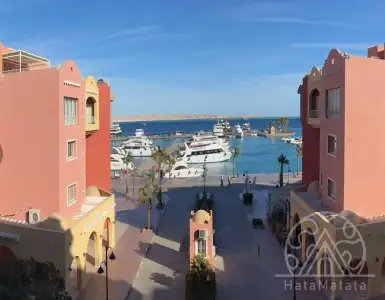
 Sea View view 46 844 $
Flat with sea view in Hurghada, Egypt
Bedrooms: 3 Bathrooms: 1
Hurghada, Egypt
We have collected the most relevant properties in Egypt Here you will find listings from reliable real estate agencies and property developers. HataMatata - your online search for accommodation abroad
 Lilia Karimova, International Real Estate Market Analyst
Updated:
No properties match your filters
Other suggestions: some details may differ from your filters.
Sea View view 46 844 $
Hurghada, Egypt
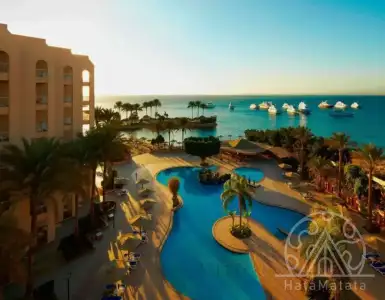 City View view 26 704 $
Hurghada, Egypt
 City View view 75 663 $
Hurghada, Egypt
 City View view 40 000 $
Hurghada, Egypt
 Sea View view 23 500 $
Hurghada, Egypt
 Sea View view 29 486 $
Hurghada, Egypt
 Legal review:
Deni Gerikhanov, International Real Estate Lawyer
 Financial review:
Evgeniya Skripko, Financial Expert in International Real Estate
Egypt offers a unique blend of Mediterranean and desert coastlines, major urban centers and planned new cities that together shape buyer demand for a House in in Egypt. Domestic population growth, expanding middle-class housing needs and sustained tourism to the Red Sea and North Coast create steady demand across segments from holiday villas to gated-community family houses. Buyers should weigh coastal microclimates, proximity to international airports and road links when assessing value and liquidity.
Egypt’s geography concentrates population and economic activity along the Nile corridor with coastal tourism hubs on the Red Sea and Mediterranean that attract seasonal buyers and short-let income. Cairo, Alexandria, Hurghada, Sharm El Sheikh, Sidi Abd El Rahman (North Coast), Ain Sokhna and the New Administrative Capital are primary magnets for buyers seeking houses with either lifestyle or investment intent.
Urban infrastructure developments such as Cairo International Airport, Borg El Arab Airport (Alexandria), Hurghada and Sharm El Sheikh international airports and the expanded Suez Canal Corridor logistics hub increase accessibility and therefore resale prospects for houses close to transport nodes.
Climate contrasts matter: coastal areas present mild Mediterranean or year-round beach climates ideal for holiday rentals and second homes, while Nile Valley cities are hot-arid requiring different construction standards and energy considerations for year-round living.
Egypt’s broad economy is supported by diversified revenues from tourism, Suez Canal receipts, remittances, and a growing services sector, creating a resilient domestic buyer pool for houses in major and emerging cities. Economic policy has prioritized large-scale infrastructure and new cities, improving long-term property demand and supporting price stability in branded developments.
Investor confidence is influenced by currency and interest rate policy; despite periodic volatility, capital inflows for real estate development remain strong and government land allocations to developers create supply pipelines in locations such as the New Administrative Capital and New Alamein.
For those seeking an Investment house in in Egypt, returns are shaped by domestic rental demand from professionals and expatriates, and by holiday rental demand along the North Coast and Red Sea, where occupancy spikes seasonally and commands premium nightly rates.
Prices vary widely by city, plot size, finish level and project brand; typical entry points and ranges are:
Cairo and its satellite cities remain the primary choice for buyers seeking permanent relocation, family schools and business access; New Cairo, Maadi, Zamalek, Heliopolis, Madinaty and Al-Rehab are notable for schools, hospitals and malls.
Coastal holiday markets—North Coast (Sidi Abd El Rahman, Marassi, Hacienda Bay) and New Alamein—suit seasonal owners and short-let strategies due to strong summer demand and limited beachfront supply.
Red Sea resort towns—El Gouna, Soma Bay, Hurghada, Sharm El Sheikh—offer premium resort infrastructure, diving and marina access, attracting high-yield holiday rentals and long-stay tourism from Europe and the Gulf.
Major listed and private developers deliver the bulk of branded supply, increasing buyer confidence through track record and completion rates:
Foreign buyers face more documentation and typically higher down payments than residents, but both bank mortgages and developer installment plans are available. Typical parameters include:
Initial due diligence includes title checks at the Real Estate Publicity Department (Tapu) to confirm ownership and encumbrances and reviewing developer licenses and building permits, particularly for off-plan contracts.
Purchase agreements typically progress from reservation to preliminary contract to final transfer; payments are documented via bank transfers and receipts, and the final title transfer is registered at the Tapu where the new owner is recorded.
Transaction timelines vary: completed properties can register within 2–8 weeks, while off-plan projects depend on construction schedules; buyers should verify escrow arrangements, warranty clauses and delivery penalties in the purchase contract.
Property taxes and transaction costs for a foreign buyer combine registration/transfer fees, stamp duties and possible VAT on new developments; typical house purchase costs in in Egypt (transfer, notary, agency and administrative fees) commonly total 2%–5% of the property value, with VAT on new builds applicable where mandated by law.
Rental income is subject to income tax and withholding depending on residency status and declarations; Property taxes in Egypt for foreigners include the same obligations as residents, and non-declared rental income carries penalties, so proper registration and local tax advice are mandatory.
Purchase does not automatically grant residence rights; requests such as Residence permit through house investment in in Egypt and Golden visa through house investment in in Egypt are not standard programs, so buyers should not expect property purchase alone to produce citizenship or guaranteed residency.
Long-term family residence and relocation favor New Cairo, Maadi, Sheikh Zayed and Madinaty, where international schools, hospitals and corporate hubs are concentrated and layouts typically include 3–5 bedroom houses with gardens.
Seasonal ownership, short-let and holiday rental strategies suit North Coast, New Alamein, El Gouna, Soma Bay and Ain Sokhna where occupancy peaks seasonally and gross Rental yield for house in in Egypt can reach 6%–10% in high-demand resort pockets.
Pure investment and capital-growth plays find opportunities in branded masterplans and emerging new cities; ROI on house in in Egypt varies by location but experienced investors often report 5%–12% combined yield and capital appreciation depending on timing and project choice.
Market prospects look constructive as infrastructure investment in new cities, airport expansions and coastal tourism projects continue to increase accessibility and usable inventory, supporting both domestic demand and targeted foreign buyers seeking lifestyle or income returns. Expectations for steady mid-single-digit rental yields in urban family segments and higher seasonal yields on the coast, combined with a pipeline of branded developments by TMG, Emaar Misr, Palm Hills, SODIC and Orascom, keep the market attractive for those who perform careful legal due diligence and align purchase strategy with location-specific demand.
Yes. Foreign nationals can buy residential apartments and houses in most Egyptian cities, but not agricultural land or certain restricted zones. Purchases are registered with the Real Estate Publicity Department. Typical transaction time from contract to title transfer is 1–3 months; expect ID, proof of funds and a local tax number.
Prices vary by city: Cairo apartments often range $800–1,800/m², Alexandria $600–1,200/m², while premium North Coast and Red Sea beachfront properties exceed $2,500/m². Typical urban apartments sell between roughly $40,000 and $200,000 depending on size and location. Expect premium new developments to trade at the top of those bands.
Egypt does not offer a formal 'golden visa' or automatic citizenship for property purchase. Foreign buyers may obtain residence permits through work, family or case-by-case investment approvals. Residence permits are commonly issued for one year and renewable; naturalization generally requires long-term legal residence (commonly around 10 years), Arabic proficiency and security clearances.
Typical steps: due diligence, reservation deposit (often 10–30%), draft and sign sales contract, notarization, pay taxes/fees, register title with the real estate registry. Transaction and registration normally take 30–90 days; off-plan purchases follow developer schedules which can be 1–4 years to handover.
Buyers typically pay registration, stamp and notary fees plus a transfer levy totaling roughly 2–6% of the sale price, plus legal fees. Ongoing costs include utility bills and municipal charges; rental income and capital gains are taxable under Egyptian tax law. Exact liabilities depend on property type and ownership structure.
Gross rental yields commonly range 4–8% in Cairo residential markets and 6–10% in resort areas (North Coast, Red Sea) for long-term lets. Short-term vacation rentals can exceed these seasonally. Typical payback horizons for buy-to-let investments are 10–20 years depending on location, occupancy and property costs.
Real estate is widely used as an inflation hedge in Egypt. Holding property 5–10+ years can preserve capital and produce rental income, but currency volatility and policy shifts affect real returns. Diversify location and currency exposure; expect periodic regulatory or tax updates, so plan a multi-year horizon and consult local advisors.
Cairo offers the largest rental market and liquidity; Alexandria suits city-coast buyers; North Coast and Red Sea deliver holiday-rental premiums; planned urban projects (e.g., the New Administrative Capital area) target long-term capital growth. Choose based on yield vs. resale liquidity: city centers for liquidity, coastlines for seasonal upside.
Mortgages for foreigners are available but limited. Most non-residents use cash or developer payment plans. Where banks lend, expect down payments of 20–40%, interest-bearing loans with typical terms of 5–20 years, and stricter documentation than for locals. Local residency and credit history improve access and terms.
Budget for property purchase (2–6% fees), moving costs and 1–3 months to settle utilities and registration. Monthly living costs in Egyptian cities are generally lower than Western averages; a single person can often live on roughly $500–900/month excluding rent, depending on lifestyle and city. Residency paperwork usually processes in weeks to a few months.
Leave a request and receive free advice on prices, taxes, residence permits and the real estate market in Egypt.