


House in Occitanie
Do you want to buy house in Occitanie? We'll tell you where to start

Liliya
International Real Estate Consultant
Need help choosing a property?
Leave a request and our manager will contact you.
International Real Estate Consultant
House in Occitanie
Do you want to buy house in Occitanie? We'll tell you where to start
Liliya
International Real Estate Consultant
Need help choosing a property?
Leave a request and our manager will contact you.
International Real Estate Consultant
Selection houses in Occitanie in 15 minutes
Leave a request and we will select the 3 best options for your budget

Weather in Occitanie
 !
!
For sale Flat , Spain 210 447 $
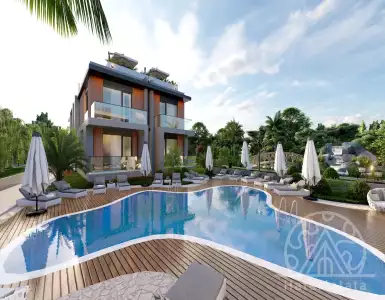
📌 A few apartments for sale in Cala de Finestrat - a cozy place between Benidorm and Vieijahoyosa with a...
 !
!
Flat for sale , Cyprus 126 672 $
The new residential complex is located in the foothills of Alsanjak. The complex consists of two two-storey buildings. Block A - 12...
For Sale house in Occitanie
Didnt find the right facility?
Leave a request - we will handle the selection and send the best offers in a short period of time



Irina Nikolaeva
Sales Director, HataMatata
Selection houses in Occitanie in 15 minutes
Leave a request and we will select the 3 best options for your budget
🇫🇷 Achat de maisons en Occitanie : prix, tendances et localisation des biens
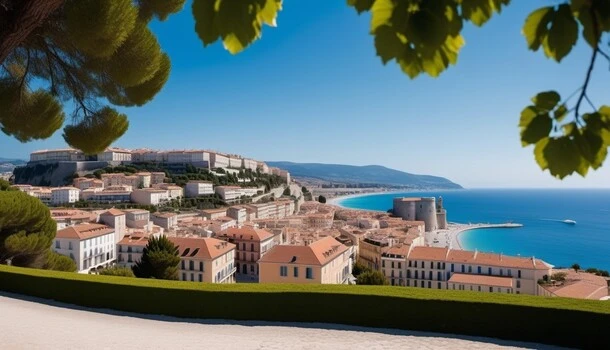
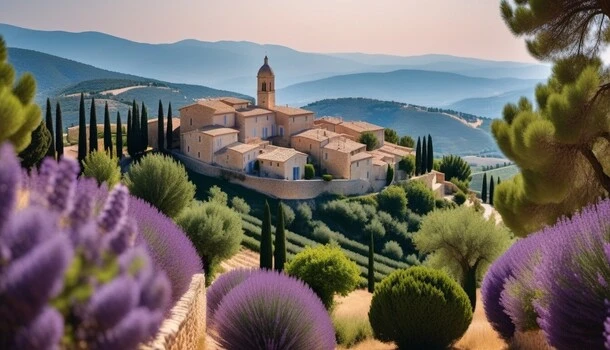
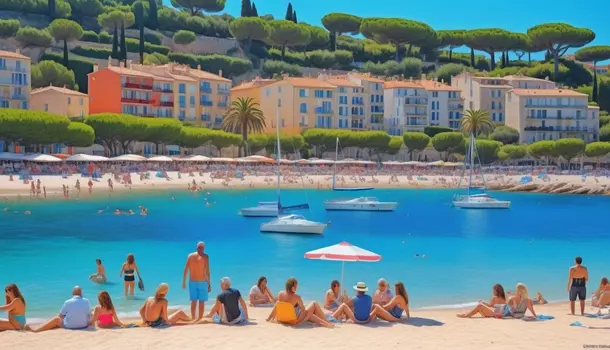
The region of Occitanie, located in the southern part of France, offers a vibrant mix of stunning landscapes, rich cultural heritage, and thriving economic opportunities. This unique combination of elements makes buying a house in Occitanie an appealing option for private buyers and investors alike. With impressive cities like Toulouse and Montpellier as its cultural hubs, along with beautiful coastal areas and picturesque villages, Occitanie is a region where lifestyle and investment potential meet in perfect harmony.
🌍 Characteristics of Occitanie That Influence House Purchases
Situated between Spain and the Mediterranean Sea, Occitanie boasts a diverse geography that ranges from coastal plains to mountainous regions, making it a perfect retreat for anyone seeking natural beauty. The region enjoys a Mediterranean climate, characterized by warm summers and mild winters, which not only attracts tourists year-round but also encourages a steady increase in demand for housing. The rich heritage of places like Carcassonne, with its medieval fortress, and the artistic charm of towns such as Avignon make it a culturally rich locale that's hard to resist for potential homebuyers.
With excellent infrastructure in place, including high-speed TGV train connections and access to several international airports like Toulouse-Blagnac, commuting and traveling are seamless. The extensive transport network enhances the region's appeal, supporting both the residential needs of families and the investment motives of developers. The burgeoning cities of Toulouse and Montpellier act as business and tourist centers, showcasing the high demand for housing from diverse demographics.
Factors influencing the purchase of houses in Occitanie include:
- Accessibility: Efficient public transport and road networks.
- Economic Growth: A growing tech sector in Toulouse and thriving tourism in places like Nîmes.
- Lifestyle Attractions: Proximity to beautiful beaches, vineyards, and outdoor activities.
📈 Understanding the Economy and Investment Climate in Occitanie
Occitanie's economy is contemporary and dynamic, with a regional GDP showing a consistently positive trend thanks to diverse sectors such as aerospace, technology, agriculture, and tourism. In fact, Toulouse is renowned as a global aerospace hub, home to Airbus, which significantly contributes to job creation and economic stability. The growth in the local economy has led to a strong investment climate that encourages both national and international buyers to consider buying a house in Occitanie.
The region's investment potential is bolstered by a steady increase in tourist flows, which reached over 25 million visitors annually. This fact, combined with the business-friendly environment, reinforces the desirability of residential properties. Additionally, the favorable tax conditions for property ownership, with relatively low property taxes compared to other parts of France, make buying a house a financially sound decision.
Key economic aspects that shape the property market include:
- Diversified Economic Base: Opportunities across sectors such as tech and tourism.
- Growth in GDP and Employment: Increasing job opportunities enhance buying power.
- Favorable Tax Policies: Lower tax burdens compared to other European regions encourage investment.
💰 Prices for House in Occitanie
When it comes to the average price of a house in Occitanie, expect variations based on location, property types, and market dynamics. The overall price range can start from €150,000 for a small apartment in remote areas to over €1 million for luxury villas in sought-after neighborhoods like Cap d'Agde or the historic district of Toulouse. Knowing the market pricing is crucial for making informed investment decisions.
Prices differ significantly across the region:
- Toulouse: Average prices for houses can be around €3,000 per m², with districts like Saint-Cyprien being particularly popular.
- Montpellier: Prices hover around €2,800 per m², with developments around the historic center gaining traction.
- Perpignan: Lower entry points around €1,500 per m² draw buyers seeking value.
Breakdown of price ranges (by city/district):
- Toulouse (City Center): €3,000 - €4,500 per m²
- Montpellier (Historic Center): €2,800 - €4,000 per m²
- Nîmes: €2,200 - €3,000 per m²
- Agde: €2,100 - €3,500 per m²
Analysing the market trends indicates that the demand for property continues to rise, sparking a competitive environment that sustains both new developments and the resale market.
🏡 Key Districts to Buy House in Occitanie
Within Occitanie, a range of strategically advantageous locations are ideal for purchasing houses, whether for personal use or investment. Each area has its unique features that cater to specific preferences:
- Toulouse: Cherished for its vibrant culture and high-tech sector. High demand is seen in neighborhoods such as Les Chalets and Saint-Cyprien, known for their charm and proximity to amenities.
- Montpellier: An educational hub with a bustling student population. The districts of Port Marianne and Antigone are particularly appealing for rental investments due to their vibrant community atmosphere.
- Carcassonne: Known for its UNESCO World Heritage sites, investment here offers excellent opportunities for seasonal rentals due to both national and international interest in its historic allure.
- Collioure: A quaint coastal village known for its artistic history; property prices hover around €3,500 per m², perfect for those seeking seaside residences.
Analysing property markets in these areas provides insights into:
- Rental Demand: High in urban-centric areas, particularly for academic institutions.
- Urban Amenities vs. Rural Charms: A mix that attracts both families and retirees.
- Price Variations: Historical centers may offer higher price points, while suburban areas provide affordability.
🏗️ Leading Developers and Projects in Occitanie
The robustness of the real estate market in Occitanie is in part due to reputable developers creating quality housing options. Notable names include Bouygues Immobilier and Eiffage Immobilier, both known for their commitment to sustainability and modern living solutions. Key projects worth mentioning are:
- Les Jardins de l’Atlantique in Montpellier: A popular residential complex that offers two to four-bedroom houses with modern amenities starting from €250,000.
- Cité de l'Espace in Toulouse: This project encompasses modern apartments aimed at families and young professionals, with prices starting around €300,000.
- Cercle de l’Humanité in Beziers: Focused on providing eco-friendly homes, this development offers various layouts at competitive prices.
Key features of these developments include:
- Integrated Amenities: Parks, pools, and common areas.
- High Completion Rates: Ensures rapid availability of houses.
- Flexible Payment Options: Many developers offer attractive financing schemes.
🏦 Mortgage and Installment Options for Foreign Buyers
Acquiring a house in Occitanie as a foreigner is highly feasible, especially with various mortgage and installment options available. Banks typically offer mortgage rates ranging from 1% to 2%, and most prefer a down payment of around 20%. Conditions are favorable for non-residents, with an average term of 25 years.
Foreign buyers looking for housing with an installment plan will find offers such as:
- Developer installment plans that allow payments in stages.
- Flexible durations, often extending up to 10 years, providing easier access to home ownership.
The following are common requirements for mortgage approval:
- Proof of Income: Necessary documentation to verify the financial status.
- Bank Statements: To assess the history of savings and expenditures.
- Credit History: Importance placed on established credit profiles.
📄 Steps to Buy House in Occitanie
Navigating the legal process of buying a house in Occitanie involves several key steps. Understanding these stages can aid foreign buyers in making informed decisions.
- Selection: Choose the preferred location and type of property that meets requirements.
- Reservation: A verbal agreement often followed by a formal reservation contract, typically includes a deposit.
- Due Diligence: Verification of the property’s legal status, including checking for any outstanding charges.
- Contract: Engaging a notary for the preparation of the final sale contract detailing all terms.
- Payment: A formal transfer of funds at the signing of the purchase agreement.
- Registration: Finalizing the transfer of property ownership by officially registering with local authorities.
Costs may include:
- Notary Fees: Generally around 7-8% of the purchase price.
- Property Taxes: Estimated at 0.5-1% annually.
- Miscellaneous Costs: Surveying, legal advice, and registration fees may also apply.
🔍 Legal Aspects of Owning a House in Occitanie
Understanding the legal framework surrounding house ownership in Occitanie is crucial. Property taxes on houses can vary, but buyers should anticipate approximately 0.5-1.5% of the property value annually. Rental rules are generally favorable, allowing for rentals of fully furnished properties without stringent regulations.
Depending on the investment amount, purchasing a house in Occitanie may grant eligibility for residence permits or even pathways to citizenship. The minimum threshold typically starts around €300,000, depending on the precise location, which can further lead to long-term residency provisions.
Key legal requirements include:
- Mandatory Notarization: Required for all property transactions.
- Contract Registration: Ensures that the buyer’s ownership is protected legally.
- Tax Notifications: Buyers must understand ongoing taxation and compliance obligations.
🏡 Perfect Purposes for Buying a House in Occitanie
Investing in a house in Occitanie serves multiple purposes, accommodating various lifestyles and investment strategies. Many opt for residential properties in vibrant towns for family living or seasonal residence. Others seek rental opportunities, capitalizing on the tourist sector's strength, particularly in cities like Nîmes and Montpellier. The potential for high rental yields, sometimes reaching 6-8%, adds to the attractiveness of investing here.
Beyond rental income, purchasing a house as a foreigner often aligns with personal goals such as relocating or providing a home for family members. Properties in charming areas like Collioure or the historical backdrop of Carcassonne cater to expatriates seeking serene retreats or investment potential in the premium segment. Additionally, due to the region's cultural and culinary appeal, securing property can pave the way for a fulfilling lifestyle.
As the housing market in France, particularly in regions like Occitanie, shows promising trends, potential buyers can be confident in their investment choices. Rising property values, coupled with a growing interest in the diverse lifestyles available, indicate a bright future for those looking to buy houses in this enchanting part of the world.
Frequently Asked Questions
Across Occitanie average sale prices cluster around €2,400/m² for houses and €2,900/m² for apartments, with a median house transaction near €240,000. Prices rose notably in recent years (roughly +15–20% in stronger markets). Major cities (Toulouse, Montpellier) exceed regional averages; rural and inland areas can be well under €2,000/m² in Occitanie.
Purchasing property in Occitanie does not automatically grant residency or citizenship. EU citizens have free movement; non‑EU buyers must obtain visas or residence permits via standard routes (work, family, long‑stay) and meet eligibility. Property alone is not a golden visa in France; expect separate application timelines and documentation.
Expect notary and transfer costs around 7–8% of price on resale homes and about 2–3% for new builds in Occitanie. Agency fees vary (commonly 3–6%). Allow for mortgage fees, local registration, and ongoing taxes (taxe foncière varies by commune). Notary signature and final settlement usually occur 4–8 weeks after offer acceptance.
Long‑term gross yields in Occitanie typically range 3–5% in large cities, 4–6% in smaller towns. Coastal and mountain holiday spots can reach 5–8% gross in peak seasons. Urban demand is year‑round (students, professionals); seasonal demand concentrates on the Mediterranean coast and Pyrenees, so adjust expected net yield for management and vacancy.
Occitanie offers strong fundamentals: population growth around major metros, improved rail links and limited housing supply in key zones. Historically the region has seen steady price growth, especially near Toulouse and Montpellier, supporting capital preservation. Long‑term outlook favors well‑located properties in Occitanie, though local markets differ.
Foreign buyers can access French mortgages for purchases in Occitanie; lenders commonly offer up to 70–80% LTV for non‑residents. Typical documentation: ID, income proofs, tax returns. Approval and offer finalisation usually take 4–8 weeks. Mortgage maturity often capped so repayment ends by age ~75; rates and conditions depend on borrower profile.
Renovation costs in Occitanie vary: budget roughly €800–€1,800/m² depending on scope. Small works may proceed without permis but major changes need a permis de construire or declaration; decision timelines range from about 2 to 3 months. Historic or protected zones can require additional approvals and an architect, extending timelines in Occitanie.
Primary residences sold in Occitanie are generally exempt from capital gains tax. For other properties, taper relief applies: full exemption from income tax after 22 years of ownership and full exemption from social charges after 30 years. Large gains may trigger surtaxes; all sales must be declared to tax authorities within the prescribed timeframe.
Short‑term rentals in Occitanie perform best on the Mediterranean coast and in ski/Pyrenean resorts, with summer occupancy often 60–80% and lower annual averages. Many communes require registration or local permits for holiday lets; some cities regulate change of use. Check municipal rules in Occitanie before operating short‑term rentals.
Obtain mandatory diagnostics (DPE, asbestos, lead, termites, electrical/gas) and check flood/seismic risk maps and local PLU planning rules in Occitanie. Verify cadastral boundaries, servitudes, and building permits. Use the 10‑day cooling‑off after signature and aim to complete surveys within the offer acceptance period (typically 2–6 weeks).
Properties by Region
- Houses in Occitanie (16)
Properties by Country
- Real estate in Bulgaria (11408)
- Real estate in Montenegro (5371)
- Real estate in Indonesia (2423)
- Real estate in Spain (2289)
- Real estate in Portugal (1975)
- Real estate in Italy (1897)
- Real estate in Turkey (1699)
- Real estate in Cyprus (1590)
- Real estate in Thailand (1565)
- Real estate in Croatia (1431)
- Real estate in Greece (1082)
- Real estate in USA (1013)
- Real estate in France (1006)
- Real estate in Georgia (519)
- Real estate in Serbia (328)
- Real estate in Slovenia (123)
- Real estate in Egypt (23)
Free real estate consultation in Occitanie
Don't know which area to choose in Occitanie? We will tell you in which areas it is better to live or invest, and show you the appropriate options.

Maria Guven
Head of Direct Sales Department
+90-507-705-8082