 Mountain View view 109 350 $
House with mountain view in Tianeti, Georgia
Bedrooms: 3 Bathrooms: 1
Tianeti, Georgia
Discover the beauty of Georgia with our property catalogue. Benefit from low cost of living, charming neighborhoods, and promising investment opportunities.
 Lilia Karimova, International Real Estate Market Analyst
Updated:
Properties matching your filters: 3
Mountain View view 109 350 $
Tianeti, Georgia
 189 418 $
Batumi, Georgia
 Sea View view 37 500 $
Poti, Georgia
Leave a request and we will pick 3 best options for your budget
Other suggestions: some details may differ from your filters.
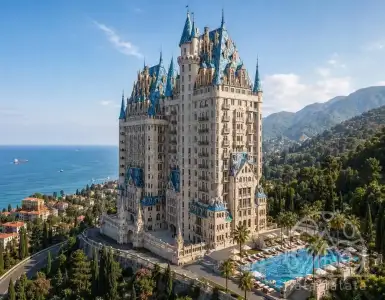 Sea View view 102 999 $
Batumi, Georgia
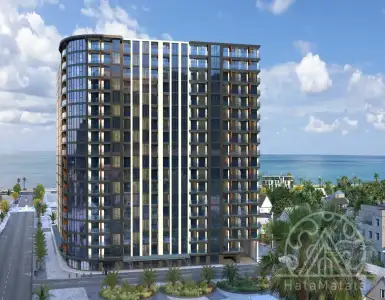 Sea View view 39 003 $
Batumi, Georgia
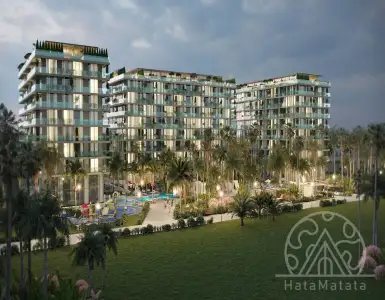 City View view 65 939 $
Batumi, Georgia
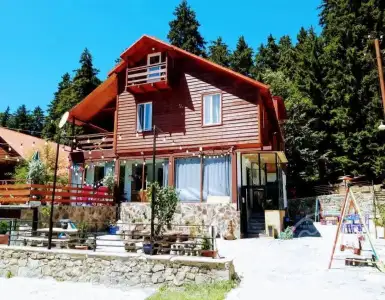 480 000 $
Bakuriani, Georgia
 70 313 $
Batumi, Georgia
 134 473 $
Batumi, Georgia
 Legal review:
Deni Gerikhanov, International Real Estate Lawyer
 Financial review:
Evgeniya Skripko, Financial Expert in International Real Estate
Reviewed:
Georgia’s varied landscapes, favorable tax environment and liberal property laws make buying a house in Georgia attractive for private buyers and investors alike. Coastal resorts on the Black Sea, hilltop villages, ski resorts and Tbilisi’s growing urban districts all shape demand in different ways, producing a market where standalone houses, country villas and mountain chalets each have distinct buyer profiles, resale liquidity and rental potential. This text explains the geography, economy, pricing, cities, developers, financing, legal steps and practical uses so you can evaluate whether a House in Georgia fits your goals.
Georgia stretches from the Black Sea coast to the Greater Caucasus, producing microclimates that affect property demand: warm humid coast in Adjara, continental plains in Kvemo Kartli, alpine zones in Svaneti and Kazbegi. Coastal areas like Batumi attract seasonal vacationers; lowland Kakheti and Imereti suit agritourism and vineyards; Tbilisi’s valley setting concentrates business, education and medical infrastructure, driving demand for suburban houses and townhomes.
Important transport nodes that shape accessibility and prices include Tbilisi International Airport, Batumi International Airport, and Kutaisi (David the Builder) International Airport, plus the E60 highway and emerging rail links. These links make villages within 30–60 minutes of Tbilisi desirable for daily commuters and foreign families.
Urban infrastructure — hospitals such as Tbilisi Central Clinic, universities like Ilia State University, and business parks in Vake and Saburtalo — increases long-term demand for quality family houses and investment rentals close to city services.
Georgia maintains a liberal economy with an open trade regime, competitive corporate frameworks and low bureaucratic barriers that support property market liquidity. Tourism inflows from Europe, Russia, the Middle East and Asia sustain seasonal rental markets on the Black Sea and in mountain resorts; business services and IT growth in Tbilisi spur year-round short- and long-term rental demand.
Key macro factors affecting the House market: stable foreign direct investment, tourism visitor numbers in the millions annually, and a relatively low tax burden compared with regional peers. These elements boost investor confidence in buying second homes, holiday villas and investment houses.
Property market liquidity is supported by straightforward registration and a growing pool of international buyers; this improves ROI on House in Georgia for well-located assets and supports predictable resale paths in Tbilisi suburbs and Batumi.
Prices vary sharply by region, property format and development status. Expect different ranges for urban, coastal, mountain and rural houses; below are representative market bands in US dollars.
Choice depends on purpose: primary residence, seasonal rental, or pure investment. Tbilisi suits families and professionals seeking proximity to corporate centers and international schools; Batumi and Gonio suit holiday-rental investors and retirees seeking mild winters and Black Sea access.
Georgia’s residential development scene includes both local and international players delivering villas, gated communities and mixed-use projects. Recognized names to watch when searching for new-build houses include:
Georgia’s banks provide finance options to non-residents subject to documentation and down payments, enabling buyers to buy house as a foreigner in Georgia. Typical mortgage features: interest rates from approximately 6–12% depending on currency, borrower profile and loan tenor; loan terms up to 20–25 years; down payments commonly 20–40% for foreign buyers. Banks active in the market include Bank of Georgia, TBC Bank, ProCredit Bank and Liberty Bank, all offering mortgage products to foreigners with income documentation, credit checks and property valuation.
Developer installment plans are widespread, often labeled as interest-free for 12–36 months or with modest spreads for longer terms; sellers like Orbi Group and Alliance Group frequently propose staged payments tied to construction milestones.
If you plan a house in Georgia with mortgage or a house in Georgia with installment plan, be prepared to provide passport, proof of funds, source-of-income documents, and to negotiate currency denomination (USD vs GEL), as currency affects rate and repayment stability.
The Georgian transaction path is straightforward: due diligence, sale-purchase agreement, notarization (if foreign party requests), payment, registration at the National Agency of Public Registry and tax reporting. Typical steps are:
Georgia’s tax framework is relatively favorable: municipal property taxes are low and often capped, and there is no wealth tax; this keeps ongoing ownership costs modest for both locals and foreigners. Annual property tax rates vary by municipality and property category but are typically low — in many municipalities annual assessments for residential properties are well under 1% of assessed value.
Income from rental is taxable under Georgian tax rules; tax regimes and exemptions exist for small-scale rentals and for companies benefiting from special tax regimes. When calculating long-term returns, include municipal fees, utility costs and occasional renovation capex into house purchase costs in Georgia.
Buying property in Georgia does not automatically grant citizenship; while investment routes exist for residence permits, Residence permit through house investment in Georgia or a Golden visa through house investment in Georgia are not automatic outcomes of a standard real estate purchase — eligibility depends on immigration rules and minimum investment thresholds that are subject to government policy.
House purchase use-cases differ by region and property type: secure primary residence in Tbilisi; seasonal rental in Batumi; boutique guesthouse in Kakheti; ski chalet in Gudauri. For each purpose typical locations and property types are:
Georgia’s house market continues to benefit from open foreign-ownership rules, multiple airports and resilient tourism and business flows. For buyers focused on steady rental income or capital appreciation, central locations in Tbilisi and seaside or resort houses in Adjara and the Greater Caucasus offer the clearest liquidity paths; buyers seeking lifestyle holdings or agritourism opportunities will find attractive price-per-square-meter ratios in Kakheti, Imereti and rural regions. With accessible financing from Bank of Georgia and TBC Bank, realistic mortgage options and developer installment plans, the market supports both private buyers and investors aiming for reliable ROI on house in Georgia and sustainable Rental yield for house in Georgia over time.
Yes. Foreigners can freely buy residential and commercial real estate in Georgia; agricultural land ownership is restricted, so long-term lease or local-company structures are commonly used. Transactions are registered at the Public Registry; typical paperwork (passport, sale contract, power of attorney if needed) and due diligence take 1–3 weeks to complete.
Prices vary: nationwide average residential prices commonly range around $600–1,200 per m2; in Tbilisi prime locations often quote $1,200–2,000/m2. Median apartment transaction values frequently fall between $50,000–120,000. The market has shown multi-year growth typically in the mid-single digits annually; transaction closing often occurs in 2–6 weeks.
Buying property can help secure temporary residence if you meet the investment threshold commonly reported around $300,000, leading to permits typically issued for 1 year and renewable; requirements change, so verify with immigration authorities. Georgia does not operate a standard citizenship-by-investment program; naturalization usually requires multi-year residence and language requirements.
Gross rental yields in Tbilisi commonly range 4–7% for long-term leases; short-term or tourist-oriented properties in coastal and mountain resort areas can yield 6–9% in high season. Occupancy is seasonal (peak summer for resorts); annual net yields depend on management costs and vacancy, so plan for variable cashflow across 12 months.
Yes — Georgian banks and lenders offer mortgages to non-residents. Typical down payments are 20–40% of value, loan terms up to 20–25 years, and approval timelines of 2–8 weeks depending on documentation. Interest rates vary by currency, borrower profile and market conditions; expect different terms for GEL vs foreign-currency loans.
Key costs: VAT (18%) may apply to new developments when applicable; rental income is taxed under personal income rules (commonly a flat rate around 20%); municipal property tax is generally low (often under 1% of assessed value). One-off registration and notary fees plus agent/legal fees typically add 1–3% of the transaction price. Confirm current rates with authorities.
Many investors view Georgian real estate as a capital-preservation asset due to liberal ownership rules, low holding costs and steady demand in urban centers. Historical price growth has often been moderate (mid-single digits annually). Diversification across city vs resort locations and holding for multiple years (3–10+) reduces short-term volatility risk.
Main risks: title or zoning issues, construction quality variability, seasonal rental demand, and currency exposure (GEL vs USD/EUR). Mitigation: full due diligence and title search (1–3 weeks), independent technical inspection, clear contract terms on completion timelines (often 12–36 months for off-plan), and legal representation during closing.
Typical timeline: 1 week for offer negotiations and deposit, 1–3 weeks for due diligence and contract drafting, and 3–10 business days for official registration at the Public Registry after payment. End-to-end transactions commonly close within 2–6 weeks for resale; off-plan or new-builds follow construction schedules of 12–36 months unless already completed.
Tbilisi offers higher liquidity, steadier demand and lower vacancy but lower gross yields (around 4–6%). Regional cities and resort areas have lower entry prices and can produce higher gross yields (6–9%) but with more seasonal demand and lower liquidity. Coastal and mountain tourist spots often peak in summer; match location to your exit horizon (short vs long term).
The most affordable listing in Georgia starts from 37 000 $ right now, out of 3 properties in the catalog. Sort the catalog by price to see the cheapest first and compare them with nearby towns in the region. HataMatata catalog data as of November 24, 2026.
Yes: 2 of 3 properties in Georgia (67%) have a sea view or are within 1 km of the beach. The most affordable of them starts from 37 000 $. The closest one is 340 m from the beach. HataMatata catalog data as of November 24, 2026.
Yes: 1 of 3 properties in Georgia (33%) are in new or under-construction developments. The most affordable of them starts from 37 000 $. HataMatata catalog data as of November 24, 2026.
Leave a request and receive free advice on prices, taxes, residence permits and the real estate market in Georgia.
 Ajaria
 Mtskheta-Mtianeti
 Samegrelo-Upper Svaneti