


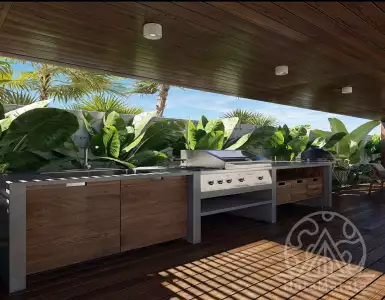
 155 000 $
Flat with 1 bedroom in Ubud-Central, Indonesia
Bedrooms: 1 Bathrooms: 1
Ubud-Central, Indonesia
Submit RequestDiscover a stunning flat in Ubud-Central, Bali. Enjoy vibrant culture, lush landscapes, and strong rental demand, making it a perfect investment for both lifestyle and financial growth..
 Lilia Karimova, International Real Estate Market Analyst
Updated:
155 000 $
Ubud-Central, Indonesia
Submit Request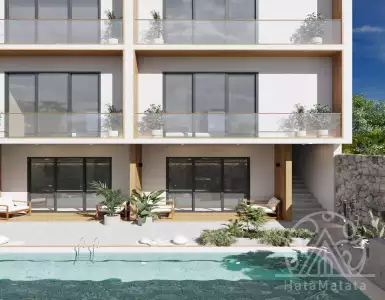 118 800 $
Ubud-Central, Indonesia
Submit Request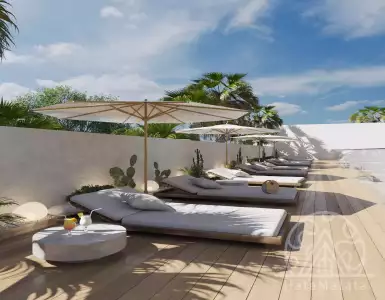 424 000 $
Ubud-Central, Indonesia
Submit Request 159 000 $
Ubud-Central, Indonesia
Submit Request 67 000 $
Ubud-Central, Indonesia
Submit Request 89 000 $
Ubud-Central, Indonesia
Submit RequestProperties matching your filters: 7
155 000 $
Ubud-Central, Indonesia
Submit Request
424 000 $
Ubud-Central, Indonesia
Submit Request
118 800 $
Ubud-Central, Indonesia
Submit Request
159 000 $
Ubud-Central, Indonesia
Submit Request
67 000 $
Ubud-Central, Indonesia
Submit Request
89 000 $
Ubud-Central, Indonesia
Submit Request 72 500 $
Leave a request and we will pick 3 best options for your budget
Other suggestions: some details may differ from your filters.
 147 000 $
Ubud-Central, Indonesia
Submit Request 289 000 $
Ubud-Central, Indonesia
Submit Request 239 000 $
 545 000 $
Ubud-Central, Indonesia
Submit Request 265 000 $
Ubud-Central, Indonesia
Submit Request 300 000 $
Ubud-Central, Indonesia
Submit Request Legal review:
Deni Gerikhanov, International Real Estate Lawyer
 Financial review:
Evgeniya Skripko, Financial Expert in International Real Estate
Reviewed:
Buying a flat in Ubud-Central is a specific choice: the market is dominated by low-rise living, boutique apartments and converted residential blocks close to cultural hubs, not high-rise towers. Ubud’s appeal—rice terraces, creative communities, wellness tourism and a compact urban core—shapes demand for compact, well-located flats that serve as pied-à-terre, seasonal rental units and long-term lifestyle homes. If you are looking to buy flat in Ubud-Central as a private resident or an investor, the key is location, developer credibility and clear legal structure that supports foreign ownership under Indonesian law.
Buying a flat in Ubud-Central typically sits below luxury beachfront Bali prices but above many regional Indonesian towns because of high tourism and limited land supply in the valley. For compact apartment-style units close to the Monkey Forest and Ubud Market, expect prices from USD 80,000 to USD 350,000 for units between 30–120 sqm. Larger, boutique condominium units or branded residences tied to resorts command USD 350,000–800,000 when available.
Developments farther from the core—Tegallalang or Lodtunduh—offer lower entry points, while Sayan and central Ubud command premiums. Typical price-per-square-metre ranges:
Price breakdown by property format shows clear distinctions:
Ubud Central is compact but diverse; district choice determines rentability, lifestyle and appreciation potential. Central Ubud (around Jalan Raya Ubud and Monkey Forest Road) is the most touristic and best for short-stay rental yield because of foot traffic and dining/retail density. Buyers seeking constant occupancy and higher nightly rates usually target this area.
Sayan and Kedewatan attract buyers who value river-side tranquillity and higher-end, resort-style living. These districts often host boutique branded residences and luxury villas converted to share-ownership schemes, making them suitable for premium second-home flats. Penestanan and Mas are artist villages with strong expatriate communities and easier walking access to galleries and cafes; flats here appeal to long-stay renters and residents seeking creative neighbourhoods.
Tegallalang and Lodtunduh are peri-urban choices: lower price-per-square-metre and larger plots. These districts suit buyers prioritising value and potential for development or conversion. Advantages by district in brief:
Ubud’s economy is dominated by tourism, creative industries, wellness and hospitality. The town draws international tourists, digital nomads and wellness seekers, producing steady short-term rental demand and a resilient market for smaller flats and studios. Ubud’s cultural calendar—performing arts, yoga retreats and culinary tourism—keeps occupancy rates for centrally located units consistently above regional averages.
Business activity is concentrated in hospitality, boutique retail and wellness services; small creative enterprises and co-working hubs cater to long-stay visitors and remote workers. This mix generates demand for both short-stay rental properties and longer lease contracts from expatriates who prefer flats over villas for convenience and lower upkeep. Tourist-driven liquidity makes investment in flat in Ubud-Central appealing for investors targeting rental yield and quick occupancy.
Tax and regulatory factors also shape liquidity: local occupancy taxes, short-stay licensing and developer compliance affect the ease of listing on international platforms. Market-savvy investors monitor the number of available boutique apartment units because constrained supply in the historic centre supports price stability.
Ubud’s built environment is led more by resort brands, boutique developers and small local builders than by large high-rise developers. Recognisable names with projects or branded residences in the Ubud area include:
Developers and project characteristics typically follow these patterns:
Payment terms and completion levels vary; expect completed turnkey units from resorts and staged handovers for boutique developers. Investigate developer track record and existing inventory before committing.
Foreign buyers face constraints but options exist. Indonesian banks traditionally restrict long-term mortgages to residents, though a few local banks may provide financing to foreigners with established residency or substantial local income. Typical features:
Typical mortgage and installment examples:
The purchase process follows predictable steps, with local legal and notary involvement. Practical timeline and steps:
Contract and payment milestones:
Mandatory costs typically include:
Timelines vary by developer and title complexity; allow 2–6 months for documented transfers and longer for pre-construction purchases.
Foreign ownership of flats in Indonesia is possible under specific land-title regimes. The most common routes for foreigners buying an apartment-style unit are:
Key legal realities:
For foreign buyers, mandatory practices are clear: use a notary (PPAT), obtain a proper strata certificate or Hak Pakai, and secure written confirmation from the developer that the unit is eligible for foreign ownership.
Buying flat in Ubud-Central suits several buyer profiles. For lifestyle buyers and relocators, a small, central flat in Ubud Central or Penestanan is ideal for walkability, community and easy access to services. These units require less maintenance than villas and allow living close to cultural amenities and medical/dental clinics.
Investors targeting rental yield typically prioritise central streets and Sayan for higher nightly rates and repeat bookings. Short-stay investors should focus on units with licensed short-stay status and professional management. Typical investor scenarios:
Premium segment buyers seeking branded residence experience will look to riverfront and resort-linked units near Four Seasons Sayan and COMO Uma Ubud, where professional management, concierge service and integrated wellness facilities justify higher price points.
Buying flat as a foreigner in Ubud-Central can be excellent for second-home ownership, rental income or relocation, provided legal ownership structures and local management arrangements are in place.
Looking ahead, Ubud-Central remains a distinct niche inside Bali real estate: limited land, sustained wellness and cultural tourism demand, and a preference among visitors for compact, professionally managed flats mean that well-located units will continue to attract interest from private buyers and investors aiming for steady rental yield and lifestyle upside.
Looking for a property in Ubud-Central? Leave a request — we will help you take into account all the nuances, and we will offer objects according to your personal request.