


Real Estate in Emilia-Romagna
Do you want to buy real estate in Emilia-Romagna? We'll tell you where to start

Liliya
International Real Estate Consultant
Need help choosing a property?
Leave a request and our manager will contact you.
International Real Estate Consultant
Real Estate in Emilia-Romagna
Do you want to buy real estate in Emilia-Romagna? We'll tell you where to start
Liliya
International Real Estate Consultant
Need help choosing a property?
Leave a request and our manager will contact you.
International Real Estate Consultant
Selection real estate in Emilia-Romagna in 15 minutes
Leave a request and we will select the 3 best options for your budget
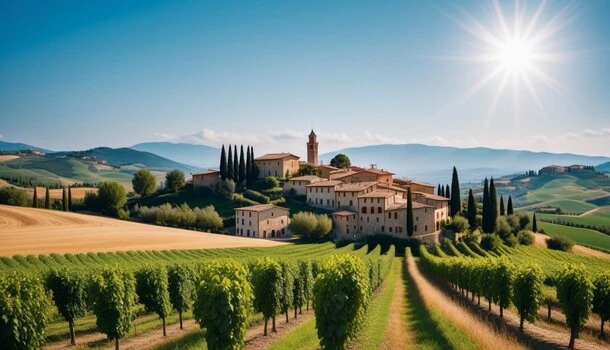
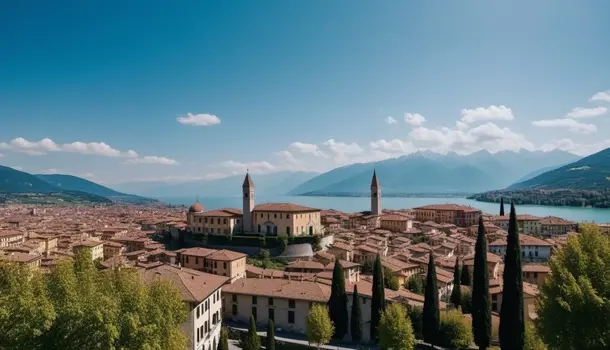
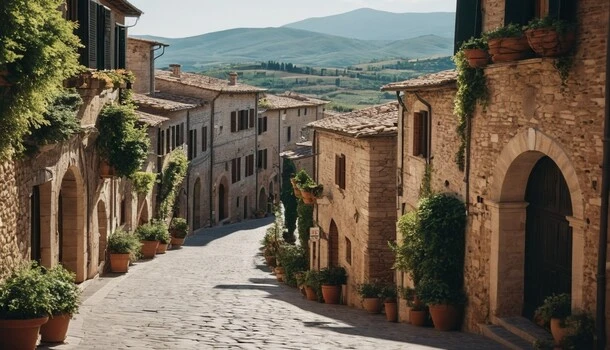
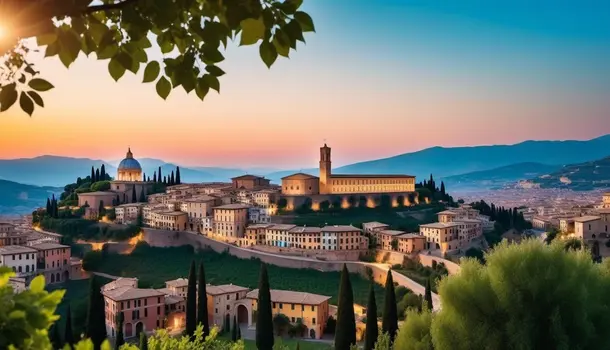
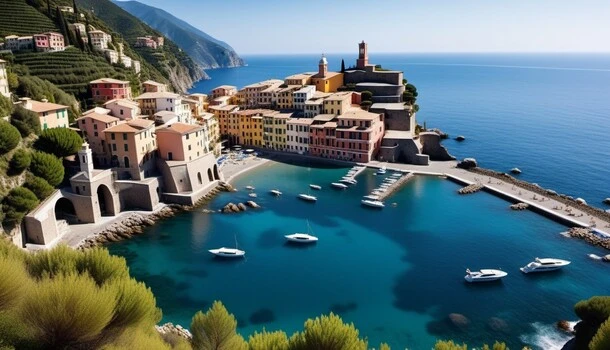
Weather in Emilia-Romagna
 !
!
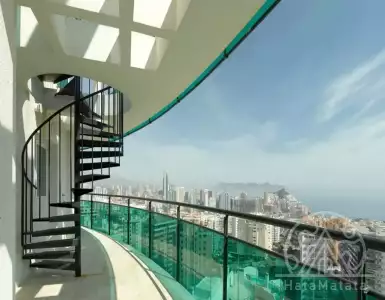
For sale Flat , Spain 212 831 $
📌 A few apartments for sale in Cala de Finestrat - a cozy place between Benidorm and Vieijahoyosa with a...
 !
!
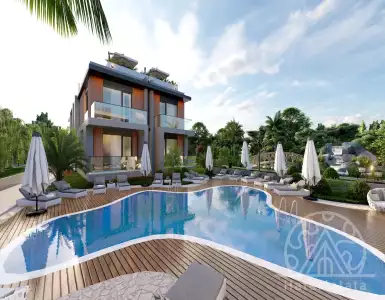
Flat for sale , Cyprus 127 442 $
The new residential complex is located in the foothills of Alsanjak. The complex consists of two two-storey buildings. Block A - 12...
For Sale Real Estate in Emilia-Romagna
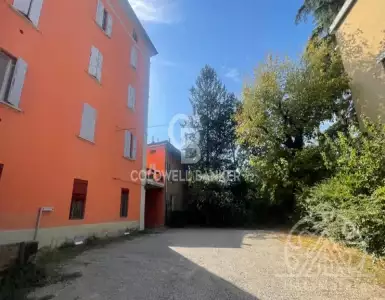
Flats in Bologna


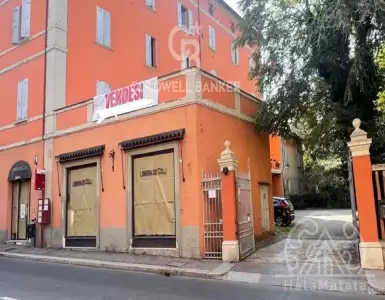
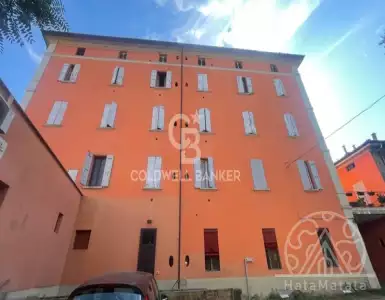
Didnt find the right facility?
Leave a request - we will handle the selection and send the best offers in a short period of time



Irina Nikolaeva
Sales Director, HataMatata
Selection real estate in Emilia-Romagna in 15 minutes
Leave a request and we will select the 3 best options for your budget
🇮🇹 Buy property in Emilia-Romagna: prices, key cities, taxes and transaction process
Emilia-Romagna is one of Italy’s most livable and investable regions, stretching from the Apennines to the Adriatic and anchoring northern Italy’s transport and industrial networks. Buying property in Emilia-Romagna brings proximity to Bologna’s high-speed rail hub, the port of Ravenna, and the beach resorts of Rimini, plus direct access to universities, hospitals and manufacturing clusters that keep demand steady. Whether you look for a student flat near the University of Bologna, a family home in Parma, a luxury apartment in Modena or a holiday rental on the Riviera, the region combines stability, rental potential and lifestyle appeal.
💧 Geography, transport and infrastructure in Emilia-Romagna
Emilia-Romagna covers a diverse geography from the Apennine peaks (Appennino Tosco-Emiliano) down to the Adriatic coast; the region’s population is about 4.45 million and urbanization is centred on Bologna, Modena, Parma and Rimini. Transport links include the A1 (Autostrada del Sole) linking to Milan and Rome, the A14 along the Adriatic corridor, and the A13 toward Padua, giving logistics and commuters excellent road access.
Emilia-Romagna boasts major air connections via Bologna Guglielmo Marconi Airport (a logistics and passenger hub handling several million passengers yearly) and the Federico Fellini Airport in Rimini; high-speed rail (Frecciarossa, Italo) makes Bologna Centrale a national junction with under-hour links to Florence, Milan and Rome.
Emilia-Romagna’s infrastructure extends to healthcare and education: the University of Bologna (one of Europe’s largest universities with tens of thousands of students across campuses), the University of Modena and Reggio Emilia, and the University of Parma all attract long-term student demand, while hospitals such as Ospedale Sant’Orsola in Bologna and Parma University Hospital support family relocations and international workers.
💼 Economy and investment potential in Emilia-Romagna
Emilia-Romagna is an economic heavyweight in Italy with a regional GDP that is among the country’s largest — approximately €170 billion — and a GDP per capita well above the national average, reflecting strong productivity across manufacturing and services. The region’s unemployment rate typically sits below the national average, often around 6–7%, which supports steady local demand for housing and rental markets.
Key industry clusters sustain employment and investment: automotive and motorsport in Modena (Ferrari, Lamborghini and Maserati in the province network), food and agri-business in Parma (Barilla, Parmigiano-Reggiano consortia), mechanical and precision engineering in Reggio Emilia, and logistics around Interporto Bologna. Tourism also contributes strongly — the Riviera Romagnola (Rimini, Riccione, Cesenatico) attracts seasonal millions, while cultural tourism in Ravenna and Ferrara is year-round.
Institutional interest and foreign investors are active in the region, with retail, student housing and logistics among the top targets for real estate investment in Emilia-Romagna, driven by reliable rental demand and redevelopment opportunities in urban cores.
💶 Property prices in Emilia-Romagna by category and area
Property prices in Emilia-Romagna vary by city, district and property type, with strong premiums for central Bologna and coastal seasonal hotspots. Typical ranges are:
- Bologna city centre: €3,000–€5,500/m² for apartments; luxury central units can exceed €6,000/m².
- Bologna suburbs (San Donato-San Vitale, Navile): €1,800–€3,200/m².
- Modena (Centro storico, San Damaso): €1,800–€3,200/m².
- Parma (Centro, Oltretorrente): €1,500–€2,800/m².
- Ravenna (historic centre): €1,700–€2,800/m².
- Rimini (Marina Centro, Viserba): €1,600–€3,200/m² for coastal apartments; seasonal holiday rentals can command daily rates that lift gross yields.
- Ferrara: €1,200–€2,300/m², attractive for longer-term value buyers.
New build property in Emilia-Romagna typically sells at a premium to the secondary market; new apartments in Bologna or Rimini can be 10–25% above average second-hand prices, depending on finish and location. Secondary market property in Emilia-Romagna remains broad, offering value options in inland towns and classic apartments in historic centres.
🎯 Best areas and key districts in Emilia-Romagna to buy property
Bologna’s historic centre (Centro, Santo Stefano, Saragozza) is ideal for high-end buyers and short-term rentals tied to tourism and business travellers, while districts like Navile and Bolognina are urban-renewal hotspots with better price entry points and good transport links to Fiera and the station.
Modena’s Centro storico and the area around Via Emilia provide stable family demand and proximity to automotive industry employment hubs; Maranello and Sassuolo offer niche rental markets tied to industry and designers. Parma’s Centro and the university areas (Oltretorrente, Cittadella) are strong for students and young professionals.
On the coast, Rimini (Marina Centro, Viserba, Rivazzurra) and the smaller resort towns (Cesenatico, Riccione) suit holiday-rental investors; Ravenna’s historic centre and Porto Corsini appeal to cultural tourism and port-related logistics respectively. For logistics and industrial investment, zones near Interporto Bologna, the Bologna-Casalecchio area, and the Ravenna port logistics corridors are primary targets.
🏗️ Major developers and new build projects in Emilia-Romagna
National and international developers operate regionally, and investors can expect projects focused on urban regeneration, student housing and logistics. Names active in the broader Italian market with projects or presence include CMB (Cooperativa Muratori e Braccianti di Carpi), Webuild (formerly Salini Impregilo), Hines, and IGD SIIQ in retail assets, while cooperative builders such as Coop Alleanza 3.0 are influential in housing and mixed-use redevelopment.
Bologna’s urban renewal around the Fiera and the areas adjacent to Bologna Centrale have attracted mixed-use developments focused on offices, residential and services, and redevelopment of brownfield sites continues to create opportunities for new build property in Emilia-Romagna. Logistics park development near Interporto Bologna and around Ravenna port is led by both local operators and institutional investors seeking stable yields.
Student housing developers and specialist operators are expanding in cities with major universities (Bologna, Parma, Modena), offering turnkey new build opportunities and management contracts that can simplify rental operations for international investors.
🧾 Mortgages and installment plans for property in Emilia-Romagna
Italian banks commonly finance purchases for both residents and non-residents, though terms differ: for EU residents banks may offer up to 80% LTV on primary homes, while non-resident buyers often receive 60–70% LTV, subject to credit checks and documentation. Typical down payments range between 20% and 40%, and mortgage terms extend up to 25–30 years depending on borrower age and income.
Interest rates depend on product and market conditions; fixed-rate mortgages are often quoted from around 2.5% to 4.5%, while variable-rate mortgages follow Euribor/market benchmarks with margins; exact rates depend on creditworthiness and loan-to-value. Many developers and promoters offer interest-free installment plans for new build property in Emilia-Romagna, spreading payments from reservation through delivery, which can be attractive compared with bank financing.
Practical financing considerations:
- Foreign documentation: passport, proof of income, tax returns; non-resident applicants often need a fiscal code (codice fiscale).
- Fees: notary and mortgage registration fees typically add 1–3% to transaction costs.
- Insurance: lenders commonly require life or mortgage insurance as part of the mortgage package.
📝 Property purchase process in Emilia-Romagna step-by-step
A typical purchase begins with property selection and a written reservation plus a deposit (caparra), often 5–10% of the agreed price for new builds or resale deals; this secures the property while due diligence proceeds. The next stage is the preliminary contract (compromesso) with a larger deposit commonly 10–30%, followed by searches — land registry, building permits, cadastral conformity and energy performance certification (APE).
Completion occurs with the final deed of sale (atto di compravendita) signed before a notary (notaio), who handles registration at the Land Registry (Conservatoria dei Registri Immobiliari) and tax payments. For new build purchases VAT and tax regimes vary: VAT can be 4% for primary residence, 10% for reduced rates, or 22% standard, while purchases from private sellers typically incur a registration tax calculated on cadastral value (for primary homes 2%, for second homes 9%, with minimums applicable).
Practical checklist for buyers:
- Obtain codice fiscale and open an Italian bank account.
- Have a trusted local lawyer and notary review contracts and check liens.
- Plan taxes and closing costs (notary, agency fees, mortgage registration).
⚖️ Legal aspects, residence permits and citizenship related to property in Emilia-Romagna
Buying property in Emilia-Romagna does not by itself grant a residence permit or Italian citizenship; Italian law requires separate immigration procedures. Foreign buyers can establish residency if they meet requirements for residence (prove accommodation, sufficient income, health insurance), which can support an application for elective residency but is not an automatic right.
Investor visa schemes in Italy do not include straightforward real estate thresholds as qualifying investments; the ordinary Investor Visa requires investment in Italian companies, government bonds or philanthropic donations at specific minimums, so real estate alone will not secure an investor visa. Naturalization and citizenship follow long-term residency routes: EU citizens benefit from freedom of movement whereas non-EU nationals generally require legal residence for naturalization (typically longer-term, often 10 years for non-EU citizens).
Practical legal notes:
- Verify zoning and rental permissions if you plan short-term rentals (Regulations in Bologna and Rimini restrict holiday lettings in specific zones).
- Seek tailored immigration advice before assuming property purchase gives any immigration advantage.
🚀 Investment advantages and buyer scenarios for Emilia-Romagna
Emilia-Romagna suits a wide array of buyers: families seeking schools and healthcare in Parma or Ferrara, students and investors targeting Bologna for high rental demand, luxury buyers in Modena near motorsport hubs, and holiday-rental investors on the Rimini coast. Student accommodation near Via Zamboni and the university districts often secure stable long-term occupancy with gross yields that can reach 4–6% depending on management.
Short-term holiday rentals work best on the Riviera Romagnola (Rimini, Riccione, Cesenatico) where seasonality drives high peak rates; longer-term buy-to-let strategies find stability in Parma, Ferrara and Reggio Emilia with tenants from local industries and universities. For logistics and institutional investors, warehouses and distribution centres near Interporto Bologna and the port of Ravenna offer contract-based yields and indexing to inflation.
Scenario mapping examples:
- Living and relocation: family house in Parma or Ferrara — proximity to schools and hospitals.
- Student rental: small flats near Bologna university — reliable occupancy and professional management.
- Holiday rental/short-term: Rimini Marina Centro or Riccione — seasonal revenue peaks.
- Long-term capital growth: central Bologna renovations and Modena centre — constrained supply and urban regeneration.
- Institutional investment: logistics near Interporto Bologna and Ravenna port — stable leases and predictable ROI.
Buying property in Emilia-Romagna is a practical way to combine lifestyle, steady rental markets and industrially backed local demand; with clear local rules on taxes and financing, reliable transport and strong education and healthcare networks, the region suits buyers from private families to international investors planning new build projects, secondary market acquisitions, and financed purchases with mortgage options and installment plans. If you choose a neighbourhood that matches your scenario — student housing near Via Zamboni, family living near Parma’s Cittadella, luxury apartments in Bologna Centro or coastal units in Rimini — the region offers diversified avenues to match your objectives while keeping legal and financial steps transparent and manageable.
Frequently Asked Questions
Prices vary widely by town and type. Bologna center: about $2,700–$4,900/m² (€2,500–€4,500); provincial cities: $1,100–$2,700/m² (€1,000–€2,500); coastal resorts: $1,900–$3,800/m² (€1,750–€3,500); rural areas: $860–$1,600/m² (€800–€1,500). Example: a 60 m² apartment typically ranges $120k–$295k depending on location and condition.
Yes. EU and most non‑EU buyers can buy property. You’ll need a codice fiscale, Italian bank account, ID, a notary to draft the deed, and land registry registration. Some zones (strategic/agrarian) may have extra rules—check local municipality. Purchase alone does not grant residency or work rights.
Potential is solid: long‑term gross yields typically 3–5%; holiday or student rentals in coastal or university towns can reach 4–8% gross. Liquidity is higher in Bologna and coastal hubs, lower in rural areas. Expect seasonal demand on the coast and management costs of ~20–30% for short lets.
Common charges: registration tax 2% (main home) or 9% (second home) of cadastral value; developer VAT 4%/10%/22% by case; notary fees ~1–2.5%; agent fees ~2–3% each side; annual IMU varies (often 0.4–1% of taxable value). Capital gains may apply if sold within 5 years. On a $200k purchase, closing costs often total ~$5k–$25k depending on taxes and services.
Typical timeline 30–90 days: negotiation and pre‑contract 1–4 weeks, mortgage approval 2–8 weeks if needed, final deed and registration 1–2 weeks. Add weeks/months for building permits or heritage approvals. Delays usually come from financing, legal checks, or municipal permissions.
Yes. The region offers reputable hospitals, public schools and some international options in larger cities, reliable regional trains and highways, and a major airport hub near Bologna. Family services, parks and childcare are strong in provincial capitals. Compare school catchments, healthcare facilities and commute options when picking a town.
Cities and many towns have reliable fiber and 4G; Bologna and larger towns offer FTTH and coworking. Long‑stay rentals are common in cities and coastal towns. Non‑EU remote workers need the correct visa/residence permit—property ownership alone won’t grant legal long‑term stay. Cost of living is generally lower than Milan/Rome, making long stays affordable.
No—property purchase does not automatically grant residency. Options for non‑EU nationals include investor visa (approx $2.16M for government bonds, $540k for company investment, $1.08M philanthropic in EUR equivalents) or elective residence with proof of stable income. After legal residency, naturalization generally requires ~10 years (non‑EU) or ~4 years (EU), subject to conditions.
Light upgrades: about $320–$650/m² (€300–€600); full renovations: $760–$1,620/m² (€700–€1,500). Permit timelines commonly 1–3 months; historic centers need stricter approvals. Energy efficiency and seismic upgrade incentives often exist as tax deductions—confirm current regional/national schemes and documentation requirements before starting work.
Key checks: seismic and flood risk maps (Apennines and parts of the Po Valley), cadastral/title accuracy, APE energy certificate, outstanding liens or mortgages, easements, and zoning/heritage restrictions. Insurance costs vary by risk zone. Always commission a technical survey and use a notary to verify title, permits and compliance to avoid costly surprises.
Property by cities
Properties by Region
- Real estate in Tuscany (418)
- Real estate in Lombardy (372)
- Real estate in Umbria (323)
- Real estate in Lazio (210)
- Real estate in Liguria (133)
Properties by Country
- Real estate in Bulgaria (11408)
- Real estate in Montenegro (5367)
- Real estate in Indonesia (2423)
- Real estate in Spain (2289)
- Real estate in Portugal (1975)
- Real estate in Italy (1893)
- Real estate in Turkey (1699)
- Real estate in Cyprus (1588)
- Real estate in Thailand (1565)
- Real estate in Croatia (1431)
- Real estate in Greece (1080)
- Real estate in USA (1013)
- Real estate in France (1006)
- Real estate in Georgia (519)
- Real estate in Serbia (328)
- Real estate in Slovenia (123)
- Real estate in Egypt (23)
Free real estate consultation in Emilia-Romagna
Don't know which area to choose in Emilia-Romagna? We will tell you in which areas it is better to live or invest, and show you the appropriate options.

Maria Guven
Head of Direct Sales Department
+90-507-705-8082