


Flat in Rome
- ✓ Verified properties directly from developers
- ✓ No overpayments or commissions
- ✓ Guarantee of transaction purity and post-purchase support

International Real Estate Consultant
Leave a request and our manager will contact you.
International Real Estate Consultant
 Irina Nikolaeva, Southern Europe Real Estate Expert
Updated:
Irina Nikolaeva, Southern Europe Real Estate Expert
Updated:
Hot Deals

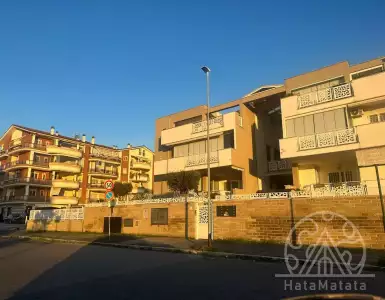
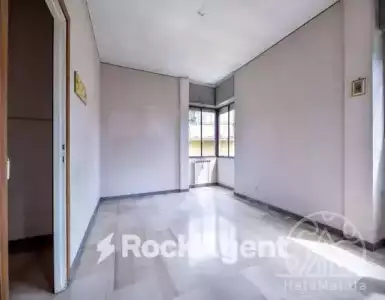

For Sale flat in Rome
105 listings
 1
1
 1
1
 67
67
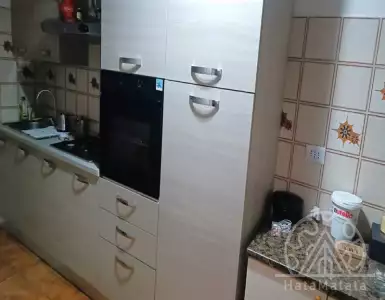
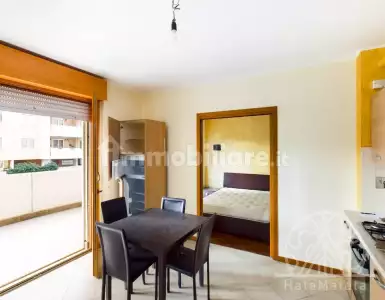
A TWO BEDROOM APARTMENT IN GOOD CONDITION, FOR RENT - A GREAT INVESTMENT OFFER.We offer for sale an apartment of...
Submit Request
 2
1
43
2
1
43
This accommodation is located in an outstanding building built in 2009. It is located on the second floor with an...
Submit Request




 1
1
65
1
1
65
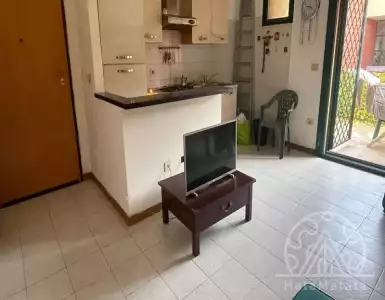
On Via Domenico Purificato, near Madonnetta Park, in a small condominium consisting of two-storey buildings, we offer for rent an...
Submit Request
Real estate in Rome for living, investment and residence permit
- ✓ Verified properties directly from developers
- ✓ No overpayments or commissions
- ✓ Guarantee of transaction purity and post-purchase support
International Real Estate Consultant
 1
1
40
1
1
40
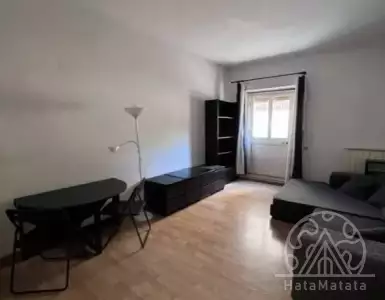
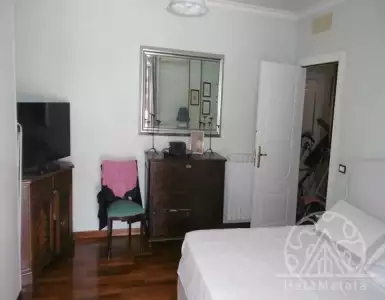
Our offer is located on Via Bodio and comprises a one bedroom apartment of 40 square meters on the first...
Submit Request
 1
1
90
1
1
90
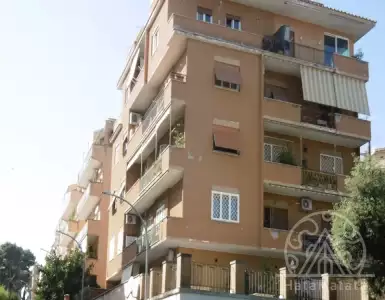
Apartment on Via Monti di Primavalle. Battistini - Primavalle Rome. Located near Piazza Clement XI, in Via Monti di Primavalle,...
Submit Request
 1
1
62
1
1
62
In the immediate vicinity of Piazzale Adriatico, in the residential street of Monte Pelmo we offer for sale an interesting...
Submit Request

Flat in Rome
- ✓ Verified properties directly from developers
- ✓ No overpayments or commissions
- ✓ Guarantee of transaction purity and post-purchase support
International Real Estate Consultant
Leave a request and our manager will contact you.
International Real Estate Consultant
Need help choosing flats in Rome?
Leave a request and we will select the 3 best options for your budget
 !
!
Buy castle in Rome, Italy 1 224 434 $
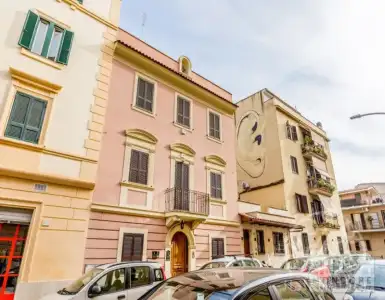
Discover a unique opportunity in the heart of the Torpignattara district of Rome. We offer for sale...
 !
!
Sell flat in Rome, Italy 4 477 999 $
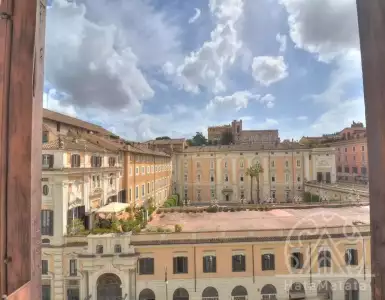
Elite apartment, located in the prestigious area of Trevi, is the perfect combination of historical charm and modern amenities. With a...
 Legal review:
Deni Gerikhanov, International Real Estate Lawyer
Legal review:
Deni Gerikhanov, International Real Estate Lawyer
 Financial review:
Evgeniya Skripko, Financial Expert in International Real Estate
Reviewed:
Financial review:
Evgeniya Skripko, Financial Expert in International Real Estate
Reviewed:
🇮🇹 Rome, Lazio flats: Centro Storico, Trastevere, transport access and renovation needs
Rome is not only one of the most iconic cities in the world, but it also stands out as an attractive location for those looking to buy a flat. With its rich history, vibrant culture, and diverse lifestyle options, the demand for property in this city remains robust. For anyone considering purchasing real estate, whether for personal use or investment, understanding Rome's unique characteristics, market dynamics, and the purchasing process is crucial.
🌞 Characteristics of Rome: The Urban Landscape for Purchasing a Flat
Situated in the heart of Italy, the geography of Rome encompasses historic sites, spacious green parks, and vibrant neighborhoods. The city benefits from a Mediterranean climate, characterized by hot, dry summers and mild, wet winters. This favorable weather not only enhances the city's appeal but also attracts tourists and expatriates alike, increasing the demand for flats.
The infrastructure in Rome is well-developed, with an efficient public transportation system that includes buses, trams, and the Metro. Major business and tourist zones like the Colosseum, Vatican City, and Trastevere are easily accessible, making these areas highly desirable. As a result, the urban housing market has flourished, with a focus on properties offering modern amenities as well as those steeped in historical significance.
Demand for flats is particularly strong in central districts like Centro Storico and Testaccio, favored by buyers seeking a blend of culture and convenience. The lifestyle in Rome is rich with art, gastronomy, and social opportunities, all of which contribute to the city's vibrant atmosphere and enhance real estate values. With a mix of contemporary buildings and classic architecture, buyers can find properties that reflect both their personal taste and investment goals.
📈 Understanding Rome’s Economy and Its Impact on the Flat Market
The economy of Rome is diverse, with key sectors including tourism, finance, fashion, and technology. The city attracts millions of tourists annually, creating a consistent flow of income and demand for rental properties. This robust tourist influx translates into increased property values, making the flat market in Rome an attractive option for both local and foreign investors interested in maximizing their returns.
Tax considerations also play a significant role in the attractiveness of investing in Rome. The local tax burden for property owners includes property tax (IMU) and other municipal taxes. However, Italy has several incentives for foreign investors, including potential tax breaks for new developments. Understanding these financial elements helps buyers evaluate the potential return on investment (ROI).
Moreover, high liquidity in Rome's real estate sector is driven by a mix of domestic and foreign buyers. Given the city’s status as a historical and cultural epicenter, flats in prime locations often appreciate quickly. This makes investing in a flat in Rome not only a sound financial decision but also an opportunity to own a piece of one of the world’s most famous cities.
💰 Flat Prices in Rome: A Comprehensive Breakdown
When considering buying a flat in Rome, it is essential to understand the current market prices. On average, the price of flats varies dramatically based on location and property type. Here's a brief overview of average prices in some renowned districts:
- Centro Storico: €6,000 - €12,000 per square meter
- Trastevere: €4,500 - €8,500 per square meter
- Testaccio: €3,500 - €6,500 per square meter
- Prati: €4,000 - €7,000 per square meter
- Monti: €4,500 - €8,000 per square meter
The cost of a flat can also differ depending on whether you are looking at new developments in Rome or resale flats in Rome. New constructions often command a premium due to modern amenities and construction quality. Residential complexes like Borgo Pio and Parco della Vittoria have seen significant interest, attracting those wishing to invest in newly developed areas.
Factors influencing pricing include market dynamics, property conditions, and buyer demand trends. Despite fluctuations, the long-term outlook for flat prices remains optimistic as more people choose Rome for living, working, and investing.
📍 Key Districts for Buying a Flat in Rome
Choosing the right district is paramount when looking to buy a flat in Rome. The most sought-after areas offer distinct advantages in lifestyle, infrastructure, and rental potential. Here are some key districts:
- Centro Storico: Known for its iconic landmarks, has high demand but also higher property prices. Excellent for rental yields due to tourist interest.
- Trastevere: A trendy neighborhood famous for its nightlife and dining options, popular among locals and expats, with moderate rental demand.
- Prati: Close to the Vatican, making it ideal for families and professionals, featuring excellent schools and amenities.
- Testaccio: Offers a genuine Roman lifestyle with local markets and traditional culture, attracting a diverse range of buyers.
- Monti: Hip and artistic vibe, popular among younger buyers, with a growing rental market due to its proximity to central attractions.
Each district presents unique features and benefits, from bustling nightlife and cultural experiences to family-friendly environments with ample amenities.
🏗️ Leading Developers and Noteworthy Projects in Rome
The success of buying a flat in Rome also heavily relies on choosing a reputable developer. Notable companies such as Bertani & Partners and Immobiliare Sette have a strong portfolio of projects that cater to various market segments. Flats in developments like Viale Marconi and Via della Conciliazione include state-of-the-art facilities and energy-efficient designs.
- Developer projects:
- Trastevere Residence: Focus on historical aesthetics while incorporating modern conveniences.
- Città del Sole: Eco-friendly buildings with communal spaces for residents.
Properties often offer flexible payment plans, including installment options that cater to both local and international buyers.
💳 Mortgage and Installment Options for Foreigners in Rome
Acquiring a mortgage in Italy for foreigners is certainly feasible, although it comes with specific requirements. Banks typically require a down payment of 20-30%, depending on the property type and buyer profile. The current interest rates range between 2-4%, subject to various conditions such as the buyer's credit history and the loan amount.
Many developers in Rome offer installment plans that can provide more flexible purchase options. Terms usually vary from 5 to 15 years, making it essential for buyers to evaluate their financial situation and choose a payment plan that fits their needs.
📄 Step-by-Step Guide to Buying a Flat in Rome
Purchasing a flat in Rome involves several critical steps, including:
- Selection: Identify your preferences in terms of budget, location, and flat specifications.
- Reservation: Secure the property by paying a deposit, which will set aside the flat for your purchase.
- Due Diligence: Conduct thorough research into legalities, property condition, and neighborhood dynamics.
- Contract: Review and sign a preliminary contract, typically with the assistance of a legal expert or notary.
- Payment: Complete the payment process as per the agreed terms.
- Registration: Ensure the property is registered in your name at the local land registry.
The entire purchasing process can take 2-3 months, subject to legal and bureaucratic requirements.
⚖️ Legal Aspects of Owning a Flat in Rome
Understanding the legal landscape for property ownership is crucial. Owning a flat in Rome involves adhering to local property laws, which include property taxes and mandatory regulations. The typical property tax is around 0.4% to 0.76% of the assessed value, varying by municipality.
Renting out the property can be a lucrative option, with the potential for generating significant rental yields, especially in tourist-favored locations. Moreover, under certain conditions, purchasing a flat can grant buyers a residence permit, making it an attractive option for those looking to reside in Italy long-term.
🏡 Purpose of Purchasing a Flat in Rome: Options and Opportunities
Investing in a flat in Rome serves various purposes, such as:
- Living or Relocation: Many individuals or families desire to establish roots in this historical city, making it an ideal choice for primary residences.
- Seasonal Residence: Those seeking a second home in Rome can find numerous options in scenic districts.
- Rental Investment: With high rental demand, especially in tourist hotspots, buying a flat for rental can yield potentially high returns.
- Investment: Many see flats as valuable assets within a high-demand market where prices are likely to appreciate.
It's essential for buyers to understand how each district aligns with their goals, thus optimizing their investment and lifestyle choices.
The prospect of the flat market in Rome appears encouraging, supported by ongoing urban development, rising rental demand, and a steady influx of foreign investment. As Rome continues to evolve and attract diverse demographics, savvy investors and homebuyers alike can benefit from the unique opportunities this remarkable city offers.
Frequently Asked Questions
What are prices for a flat in Rome?
Central Rome (Historic Centre, Prati, Trastevere): €4,500–€12,000+/m². Midtown/pleasant residential areas: €3,000–€5,500/m². Outskirts/suburbs: €1,800–€3,500/m². Small central flats commonly sell from €150k–€600k; luxury units exceed €1M. Typical monthly rents: studio €700–€1,200, 2-bed €1,200–€2,500. Gross rental yields citywide ~3–5%; prime centre yields lower (2–3%).
Which Rome neighbourhood is best for a family flat?
Family-friendly Rome areas: Parioli and Monteverde (quiet, parks, good schools), Prati (central, schools, services), EUR (modern, green, family housing). These offer shorter commutes to central jobs (20–40 min), good healthcare access and larger flats versus historic centre.
Pros and cons of a short-term rental flat in Rome?
Pros: high tourist demand April–October, peak nightly rates up to 2–3x long-stay; potential gross income above long-term. Cons: seasonality (occupancy 50–75% annually), higher management, stricter local registration rules and tourist taxes, variable income and maintenance costs.
How profitable are student flats in Rome?
High demand near Sapienza, Roma Tre and Tor Vergata: student rooms rent €300–€700/month; whole small flats €700–1,400/month. Academic-year occupancy ~9–10 months. Gross yields often 4–8% for well-located student flats, higher close to campuses and transport hubs.
What to know before renovating a flat in Rome?
Expect building permits for structural or façade work; historic-centre restrictions can add approvals. Typical renovation costs €400–€1,200/m² depending on finish. Condominium rules often require majority approvals for common-area changes. Energy-class upgrades can raise resale value.
How to get a mortgage for a flat in Rome?
Typical expectations: down payment 20–40%; loan-to-value (LTV) commonly 60–80% for non-residents, 70–80% for residents; terms 10–30 years. Lenders require ID, income proof, tax returns and property valuation. Interest and exact LTV depend on borrower profile and property.
How is life in Rome for digital nomads and remote workers?
Rome offers reliable fixed broadband commonly 50–200 Mbps in urban areas, many coworking spaces (€150–€300/month), cafes and international amenities. Public transport and healthcare are accessible; monthly transport pass ~€35–€55. Central areas give lifestyle access but higher rents.
What are taxes and closing costs for buying a flat in Rome?
Resale purchase taxes: registration tax generally 2% of cadastral value for qualifying primary residences, 9% for second homes; fixed cadastral/mortgage stamps often €50 each. New-builds may incur VAT 4–10–22% depending on case. Notary fees typically 1–2.5% of sale price plus local taxes and agent fees if used.
How safe are Rome neighbourhoods for families?
Rome has low rates of violent crime overall; petty theft/pickpocketing is higher in tourist hubs (Termini, Centro Storico). For families, neighborhoods like Parioli, Monteverde, Prati and EUR are generally calmer and have better school/park access. Check local commute times (20–40 min typical to centre).
How to obtain long-term residency options while living in Rome?
EU citizens register residency at the Comune. Non-EU options include work visas, student visas, family reunification or elective residence; a permesso di soggiorno (residence permit) is issued after entry and is typically valid 1–2 years, renewable. Requirements vary by visa type (income proof, accommodation, documentation).
Properties by Region
- Flats in Tuscany (482)
- Flats in Umbria (269)
- Flats in Lazio (201)
- Flats in Lombardy (162)
- Flats in Liguria (83)
- Flats in Campaign (60)
- Flats in Piedmont (32)
- Flats in Sicily (35)
- Flats in Venice (28)
- Flats in Puglia (27)
- Flats in Abruzzo (21)
- Flats in Calabria (18)
- Flats in Veneto (14)
Properties by Country
- Real estate in Bulgaria (11423)
- Real estate in Montenegro (5418)
- Real estate in Spain (5202)
- Real estate in Turkey (2796)
- Real estate in Indonesia (2424)
- Real estate in Portugal (2037)
- Real estate in Croatia (1694)
- Real estate in Cyprus (1622)
- Real estate in Italy (1576)
- Real estate in Thailand (1565)
- Real estate in Greece (1120)
- Real estate in France (1070)
- Real estate in USA (732)
- Real estate in Georgia (507)
- Real estate in Serbia (251)
- Real estate in Slovenia (125)
- Real estate in Egypt (20)
Get the advice of a real estate expert in Rome — within 1 hour
Looking for a property in Rome? Leave a request — we will help you take into account all the nuances, and we will offer objects according to your personal request.

Maria Guven
Head of Direct Sales Department
+90-507-705-8082