


Real Estate in Liguria
Do you want to buy real estate in Liguria? We'll tell you where to start

Liliya
International Real Estate Consultant
Need help choosing a property?
Leave a request and our manager will contact you.
International Real Estate Consultant
Real Estate in Liguria
Do you want to buy real estate in Liguria? We'll tell you where to start
Liliya
International Real Estate Consultant
Need help choosing a property?
Leave a request and our manager will contact you.
International Real Estate Consultant
Selection real estate in Liguria in 15 minutes
Leave a request and we will select the 3 best options for your budget

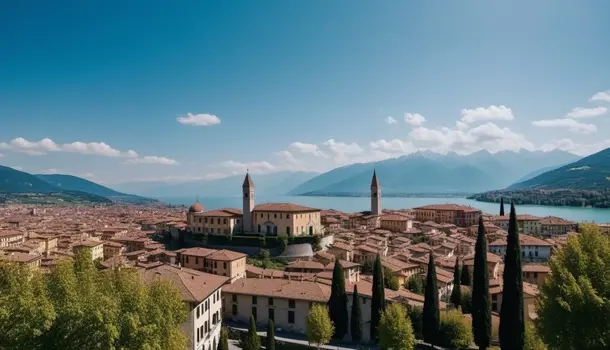
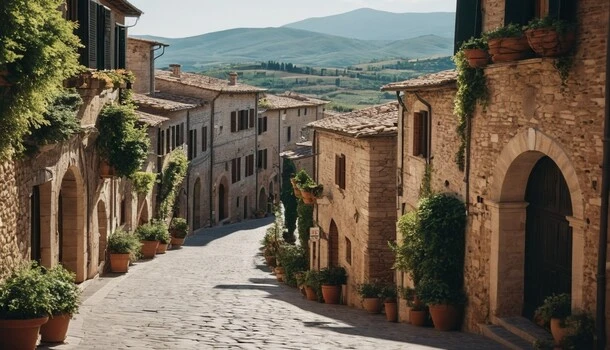

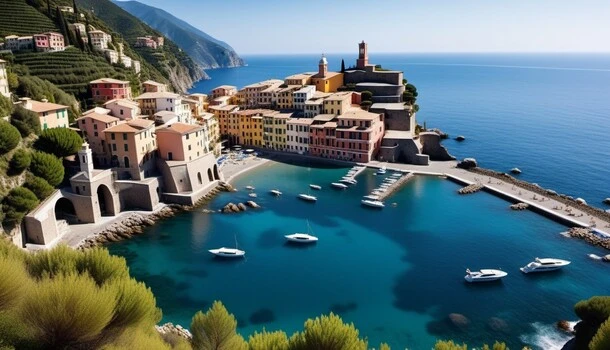
Weather in Liguria
 !
!
For sale Flat , Spain 211 515 $
📌 A few apartments for sale in Cala de Finestrat - a cozy place between Benidorm and Vieijahoyosa with a...
 !
!
Flat for sale , Cyprus 127 128 $
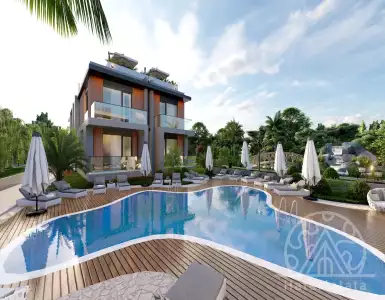
The new residential complex is located in the foothills of Alsanjak. The complex consists of two two-storey buildings. Block A - 12...
For Sale Real Estate in Liguria
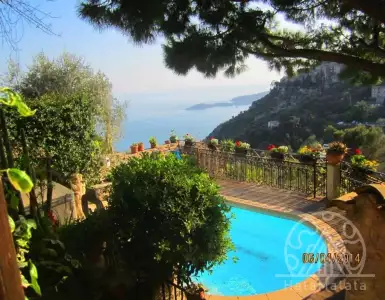
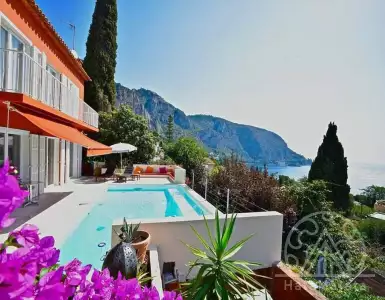
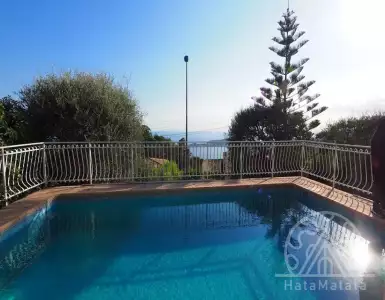
Villas in Diano-Marina
 4
4
 3
3
 230
230
 5
3
265
5
3
265
 3
2
170
3
2
170
Villas in Arma di Taja
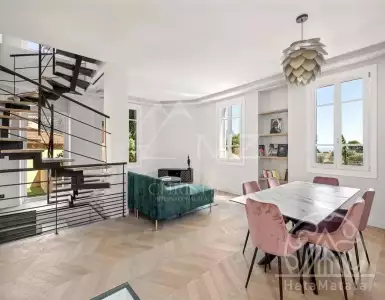 3
1
212
3
1
212
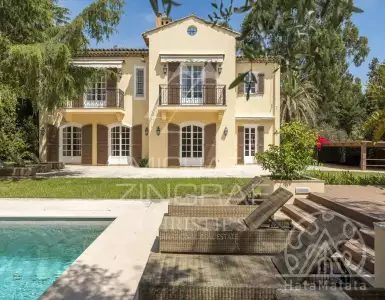 5
1
250
5
1
250
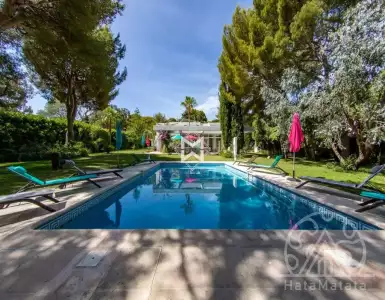 8
4
380
8
4
380
Do you want to buy real estate in Liguria? We'll tell you where to start
Leave a request and we will select the 3 best options for your budget
International Real Estate Consultant
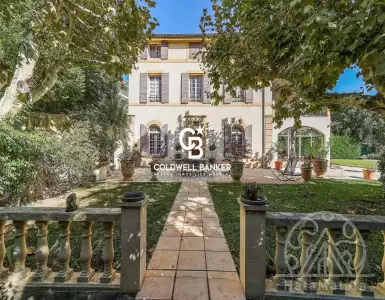
Houses in Kamogli
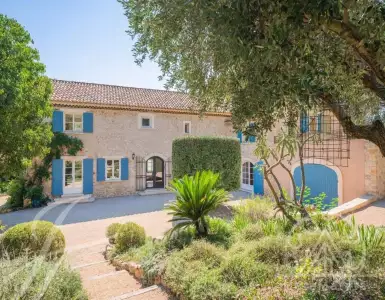
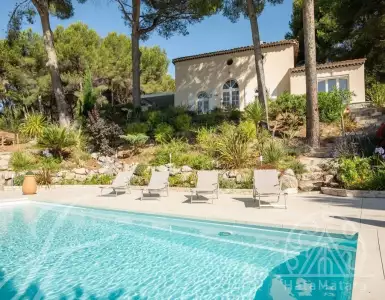
Villas in Bonassol
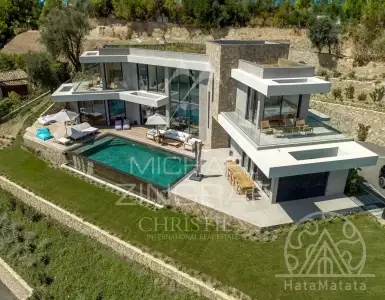
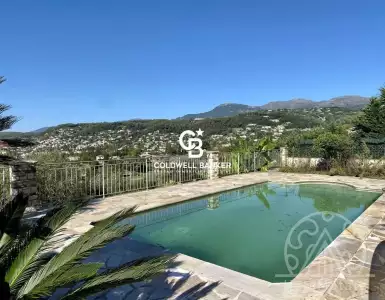
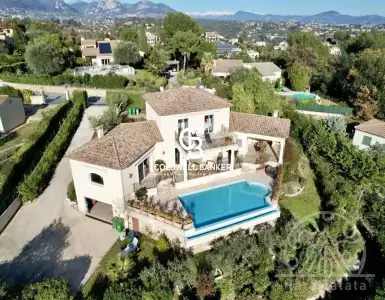
Flats in Genoa
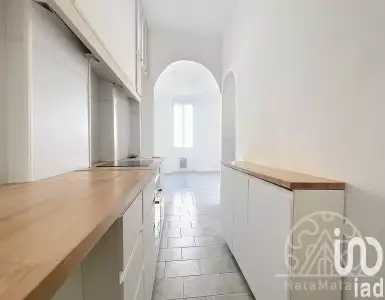
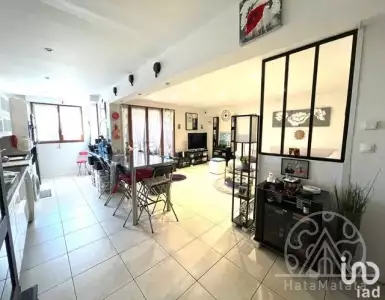
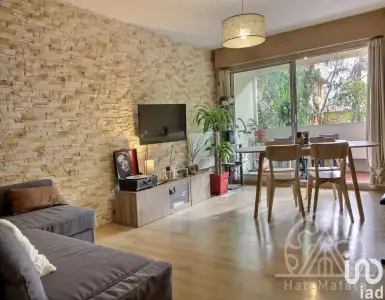
Flats in Sanremo
Selection real estate in Liguria in 15 minutes
Leave a request and we will select the 3 best options for your budget
🇮🇹 Property for sale in Liguria, Italy: coastal apartments, villas in Genoa, Portofino
Liguria is a narrow coastal region wedged between the sea and the hills, a place where medieval towns, working ports and refined marinas meet. Buyers from private individuals to international investors are drawn by the combination of stable demand, transport links to major Italian and European markets, and a scarce supply of coastal land that supports long-term value. This overview gives practical numbers, neighbourhoods, developers, financing options and realistic buyer scenarios to help you decide whether to buy property in Liguria.
🗺️ Geography, climate and transport infrastructure in Liguria
Liguria stretches along roughly 350 kilometres of coastline from Ventimiglia at the French border to La Spezia, with a resident population of about 1.55 million concentrated in the coastal belt. Major urban centres include Genoa (Genova) — the regional capital with roughly 580,000 inhabitants in the municipality — La Spezia, Imperia, and Savona. The topography creates narrow coastal corridors and many microclimates that keep winters mild and summers warm and breezy.
Liguria is served by Genoa Cristoforo Colombo Airport (GOA) with connections to major Italian and European hubs, and proximity to Nice Côte d’Azur Airport offers additional international flights. Road and rail infrastructure includes the A12 and A10 motorways, and frequent Trenitalia regional and InterCity services linking Genoa to Milan (1.5–2 hours), Turin (2.5 hours) and Rome (4–5 hours) by rail. Ports in Genoa and La Spezia handle freight and passengers; Genoa is one of Italy’s busiest ports, important for logistics and commercial property demand.
Liguria’s infrastructure also supports everyday life: the University of Genoa enrolls over 30,000 students with campuses in Genoa, Savona and La Spezia; major hospitals include Policlinico San Martino in Genoa and Ospedale Santa Maria in La Spezia; primary international schooling options and private clinics are concentrated in Genoa and Sanremo. Marinas such as Marina di Portofino, Marina di Loano and Porto Mirabello serve the yachting market and raise the region’s appeal for premium buyers.
💶 Economy and investment potential for real estate in Liguria
Liguria’s economy blends maritime trade, logistics, tourism and a modest industrial base tied to shipbuilding and advanced manufacturing. The regional GDP is around €40 billion, driven by the Port of Genoa, tourism and small-to-medium enterprises. Cruise and ferry operations generate consistent short-stay demand in Genoa and La Spezia; the Port of Genoa handles a high volume of cargo and over a million cruise passengers annually, supporting hospitality and short-term rental markets.
Employment sectors that support stable housing demand include maritime logistics, health, education and tourism. La Spezia’s naval base and shipyards create steady local demand for rentals; Genoa’s professional services and start-up ecosystem add corporate relocations and longer-term rentals. Foreign buyer profiles typically come from France, Switzerland, the UK, Germany and northern Europe, and interest is rising among buyers from North America and the Middle East seeking second homes or lifestyle investments.
Tourism events such as the Sanremo Music Festival, classic regattas around Portofino and Carnival and the steady flow of cruise guests keep occupancy rates high in the peak season. That combination of maritime infrastructure, cultural tourism and constrained coastline supply is the basis for real estate investment in Liguria with diversified exit options: seasonal holiday rental, long-term letting to local workers and capital appreciation in premium micro-locations.
💶 Property prices in Liguria by category and area
Prices vary widely between premium Riviera towns, city-centre apartments in Genoa and inland villages where values are lower and yields can be higher. Below are typical ranges seen across the market — values are indicative and depend on condition, sea view and exact location.
- Genoa city centre (Centro Storico, Carignano, Albaro): €1,800–€4,000/sqm for apartments; luxury penthouses can reach €6,000/sqm.
- Riviera di Levante (Portofino, Santa Margherita Ligure, Rapallo, Sestri Levante): €3,000–€8,000/sqm generally; Portofino and immediate seafront villas often exceed €10,000/sqm.
- Riviera di Ponente (Sanremo, Alassio, Imperia, Loano): €2,500–€6,000/sqm for coastal towns; towns inland from the coast can be €1,200–€2,500/sqm.
- La Spezia and Cinque Terre area: La Spezia €1,500–€3,500/sqm; Cinque Terre properties command high prices and limited supply — small historic units often sell at premium per sqm due to rarity.
- Villas and luxury estates: prime villas in Portofino, Punta Chiappa and exclusive stretches of the Riviera frequently trade from €1.5 million up to tens of millions.
New build property in Liguria is scarcer than resale, and buyers should expect a premium of 10–20% for turnkey, modern apartments in coastal redevelopment projects. Developers sometimes offer phased purchases and interest-free installment plans on new builds.
🎯 Best areas and key districts in Liguria to buy property
Genoa neighbourhoods have different investment profiles: Centro Storico for tourist flats and short-term rentals, Albaro and Carignano for family homes and professionals, Nervi for sea-front living and green spaces. Sampierdarena and Sestri Ponente offer value buys and proximity to port industry.
The Levante Riviera includes Portofino, Santa Margherita Ligure, Rapallo, Zoagli, Chiavari, Sestri Levante, Levanto and Monterosso; these towns are premium for holiday rentals, second homes and luxury buyers. The Ponente Riviera includes Sanremo, Bordighera, Ventimiglia, Imperia, Alassio, Loano, Finale Ligure — attractive for event tourism, golf, and cross-border buyers due to proximity to France.
La Spezia and the Cinque Terre area (Riomaggiore, Manarola, Vernazza, Monterosso, Porto Venere) are high-demand tourist spots with restricted building options. For investors seeking higher yields at lower entry prices, inland towns and valley villages near the coast offer apartments under €1,500/sqm and can produce rental yields above coastal averages after renovation.
🏗️ Major developers and projects shaping real estate in Liguria
Urban regeneration and waterfront projects are significant drivers of new-build opportunities in Liguria. The Porto Antico di Genova waterfront redevelopment, which includes the Aquarium and public spaces, has catalysed nearby residential and hospitality projects and is managed in partnership with city authorities. Porto Mirabello in La Spezia is a verified marina and waterfront project that combined a marina with residential and commercial elements, attracting second-home buyers and yacht owners.
National and international real estate firms and insurance-backed developers operate across Liguria; groups such as Generali Real Estate and other national developers are active in larger redevelopment projects across Italian coasts and occasionally participate in Ligurian opportunities through partnerships. Municipal-led plans and port authorities often take the lead on major coastal regeneration, then partner with private developers for mixed-use and residential phases.
Local construction and restoration specialists are equally important in Liguria because many high-value properties are historic and require sensitive renovation. Buyers interested in new build property in Liguria should expect collaboration between developers, the Port Authority in port towns, and heritage offices for projects in historic centres.
🏦 Mortgages, financing and installment plans for property in Liguria
Italian banks offer mortgages to foreigners; common lending terms are 60–70% loan-to-value for non-resident borrowers and up to 80% in some cases for EU residents or borrowers with strong profiles. Down payment requirements typically range from 20–40% depending on bank risk assessment and property type. Mortgage terms for non-residents usually run 10–20 years, while residents can secure up to 25–30 years.
Interest rates vary with market conditions and borrower profile; indicative ranges are around 2.5% to 5% for fixed-rate mortgages depending on term, bank and creditworthiness. Many buyers combine bank financing with developer offers — developers sometimes propose interest-free installment plans during construction (commonly 12–36 months) or staged payments tied to completion milestones.
Foreigners should prepare for documentation: Italian tax code (codice fiscale), passport, proof of income, bank statements and sometimes a local guarantor. Mortgage in Italy for foreigners is a routine process with major domestic banks and international branches in Genoa and larger towns; using a bilingual mortgage broker or lawyer is common to streamline credit approval.
🧾 Property purchase process in Liguria step-by-step
Start by selecting properties and conducting viewings with a local agent or developer; once you have chosen a property, the usual first formal step is the proposta d’acquisto (offer), often accompanied by a small earnest deposit. The next legally binding stage is the preliminary contract (compromesso) where a deposit — commonly 10% of the price but sometimes up to 30% — is paid and a completion date is set.
Buyers must carry out due diligence before signing the preliminary contract: obtain visure catastali (land registry checks), check certificato di destinazione urbanistica where relevant, confirm building permits and ensure there are no liens. For new builds, verify developer guarantees, escrow accounts and the polizza decennale postuma (ten-year construction warranty) where applicable.
The final stage is the rogito notarile (deed of sale) signed before an Italian notaio; balance of price is paid by bank transfer or escrow, and the notaio registers title with the Agenzia delle Entrate and the Land Registry. Expect additional costs such as notary fees (€1,000–€3,000+ depending on complexity), registration taxes (see below) and agency fees if applicable.
⚖️ Legal aspects, residence permits and citizenship by real estate investment in Liguria
Buying property in Liguria does not automatically grant a residence permit or citizenship. Italy’s immigration framework does not provide citizenship by real estate investment. Residency via purchase is possible practically only when combined with other qualifying criteria — for example, elective residence requires proof of steady passive income and a local address, and it is used by high-net-worth individuals who can demonstrate sufficient means.
For those seeking a residence permit through investment, Italy offers an Investor Visa route that requires minimum investments such as €500,000 in an Italian company, €2,000,000 in Italian government bonds, or €1,000,000 philanthropic donations; direct real estate purchase alone does not meet these thresholds. Buyers should therefore be careful with keywords like residence permit through property purchase in Liguria — property can support a residency application as proof of accommodation, but it is not an automatic pathway to legal residence.
Citizenship by real estate investment in Liguria is not available; Italian citizenship typically requires long-term residency, marriage to an Italian citizen or descent. Buyers considering relocation should consult immigration lawyers about how to get a residence permit in Italy through property-related strategies such as elective residence or investor visas combined with other qualifying investments.
🎯 Investment advantages and buyer scenarios for property in Liguria
Buyers seeking a second home or seasonal living will find ideal spots in Portofino, Santa Margherita Ligure, Sanremo, Alassio and Levante Riviera towns, where lifestyle and prestige combine with strong short-term rental demand. For long-term rental and stable yields, Genoa (student and professional lettings), La Spezia (naval and logistics workers) and inland valley towns provide more predictable cash flow and lower entry prices.
Investors focused on short-term holiday rentals should target sea-view apartments and properties with easy access to marinas and transport; expect gross seasonal yields typically 3–6% in prime Riviera locations and potentially 5–8% in well-managed town-centre units outside peak luxury zones. Buyers targeting capital appreciation should focus on constrained seafront plots and properties near major infrastructure projects such as Genoa waterfront regenerations.
Families and relocators seeking permanence often prefer Albaro, Carignano, Nervi and suburban towns with schools and healthcare access; these properties offer lifestyle stability and lower vacancy risk. Remote workers and digital nomads often choose towns with reliable broadband and year-round services — Genoa, Levanto and La Spezia are practical for blending work and sea-side living.
Liguria balances rarity of coastal land, diversified demand from tourism and logistics and a mix of resale and targeted redevelopment opportunities. If you are considering to buy property in Liguria, whether a renovation project in the Centro Storico, a turnkey seaside apartment in Sestri Levante, or a luxury villa near Portofino, the practical steps are clear: assess neighbourhoods against use-case, secure financing or developer terms, complete legal due diligence, and proceed through the preliminary contract to notarised title transfer. If you would like assistance with market comparables, local inspections or introductions to bilingual notaries and mortgage brokers, Hatamatata can arrange tailored support for buyers at every level.
Frequently Asked Questions
Prices vary widely by location. Prime coastal luxury: $6,000–12,000/m² (≈€5,500–11,000); popular seaside towns: $3,000–6,000/m² (≈€2,800–5,500); inland/hill villages: $1,000–2,500/m² (≈€900–2,300). Typical one-bedroom apartment in Genoa or a busy resort: $120k–$400k; luxury villas can exceed $2M.
Yes. EU and non-EU buyers can purchase property in Liguria. You’ll need an Italian tax code (Codice Fiscale) and a local bank account for payments. Non-EU buyers may face reciprocity checks in rare cases. Ownership can be in your name or via an Italian company; buying does not automatically grant residency or tax exemptions.
Tourist demand on the coast is strong; short‑term rental yields often gross 4–7%, long‑term gross 2–4%. Seasonal occupancy typically 40–70% annually in resort towns. Liquidity: prime coastal properties sell faster; rural homes are slower. Expect steady income in high-season towns but plan for low-winter occupancy.
Common costs: registration tax 2% (primary home) or 9% (secondary) on cadastral value for resale; VAT (if new) 4%/10%/22% depending on use; notary fee 1–2.5%; agent fee ~2–3%+VAT. Total typical transaction costs: 6–12% of sale price. Timeline from offer to deed: 30–90 days, depending on searches and mortgage.
Good public healthcare with regional hospitals and local clinics; pediatric and family services via the ASL. Public schools available; limited international schools concentrated in Genoa. Transport: regional trains, highways (A10/A12) and Genoa airport; fast links to Milan and Nice. Everyday shopping and services present in towns; rural areas need more driving.
Yes in larger towns. Fiber optic covers many coastal towns (speeds up to 100–1000 Mbps); smaller villages may rely on ADSL or mobile 4G/5G. Coworking spaces and cafés with Wi‑Fi exist in Genoa and popular resorts. Monthly living costs vary $1,000–2,000 depending on lifestyle. Long stays possible but check local rental rules and visa requirements.
No. Buying property alone does not grant an investor visa or residency. Italy’s investor visa requires specific investments (approx. $2.16M for government bonds, $540k for equity in an Italian company, $1.08M philanthropic, or $270k in startups—amounts quoted in EUR equivalence). Elective residence requires proof of stable income and housing but is separate from property purchase.
Coastal erosion, landslides and localized flooding are common on steep slopes; some areas are in seismic zones. Do geotechnical and flood‑risk checks (2–4 weeks for surveys), verify building permits and recent slope works, and review condominium debt. Consider specialist insurance for landslide/flood—premiums vary by risk level.
Renovation costs: basic refurbishment $540–1,300/m² (≈€500–1,200/m²), higher for historic or coastal-grade finishes. Annual maintenance higher on the seafront due to salt corrosion—budget 1–3% of property value per year (e.g., $2k–$10k on a $200k home). Expect repainting and metalwork servicing every 4–7 years on exposed façades.
Short‑term rentals are allowed but regulated locally. You must register with tax authorities, declare rental income, and often register properties for tourist use; many towns charge a nightly tourist tax. Some municipalities impose caps or require specific permits—check local rules before marketing a property. Compliance is essential to avoid fines.
Property by cities
Properties by Region
- Real estate in Tuscany (423)
- Real estate in Lombardy (372)
- Real estate in Umbria (334)
- Real estate in Lazio (210)
- Real estate in Liguria (133)
Properties by Country
- Real estate in Bulgaria (11408)
- Real estate in Montenegro (5186)
- Real estate in Indonesia (2423)
- Real estate in Spain (2289)
- Real estate in Portugal (1975)
- Real estate in Italy (1909)
- Real estate in Turkey (1699)
- Real estate in Cyprus (1594)
- Real estate in Thailand (1565)
- Real estate in Croatia (1431)
- Real estate in Greece (1082)
- Real estate in USA (1013)
- Real estate in France (1006)
- Real estate in Georgia (519)
- Real estate in Serbia (328)
- Real estate in Slovenia (123)
- Real estate in Egypt (23)
Free real estate consultation in Liguria
Don't know which area to choose in Liguria? We will tell you in which areas it is better to live or invest, and show you the appropriate options.

Maria Guven
Head of Direct Sales Department
+90-507-705-8082