


Real Estate in Piedmont
Do you want to buy real estate in Piedmont? We'll tell you where to start

Liliya
International Real Estate Consultant
Need help choosing a property?
Leave a request and our manager will contact you.
Our managers will help you choose a property
Liliya
International Real Estate Consultant
Real Estate in Piedmont
Do you want to buy real estate in Piedmont? We'll tell you where to start
Liliya
International Real Estate Consultant
Need help choosing a property?
Leave a request and our manager will contact you.
Our managers will help you choose a property
Liliya
International Real Estate Consultant
Selection real estate in Piedmont in 15 minutes
Leave a request and we will select the 3 best options for your budget
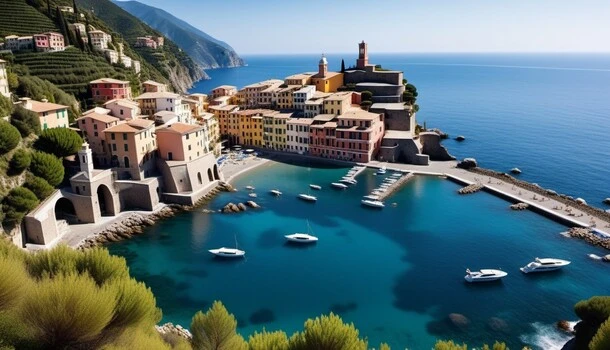
Weather in Piedmont
 !
!
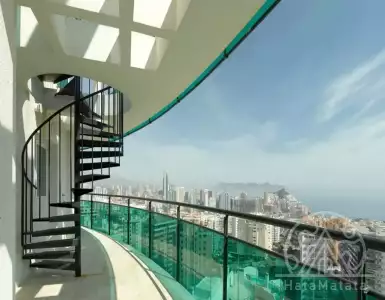
For sale Flat , Spain 211 143 $
📌 A few apartments for sale in Cala de Finestrat - a cozy place between Benidorm and Vieijahoyosa with a...
 !
!
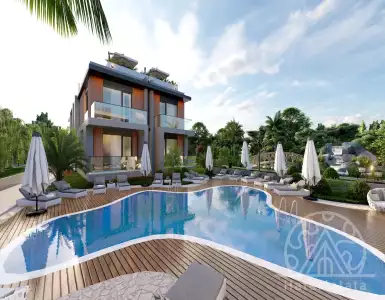
Flat for sale , Cyprus 127 157 $
The new residential complex is located in the foothills of Alsanjak. The complex consists of two two-storey buildings. Block A - 12...
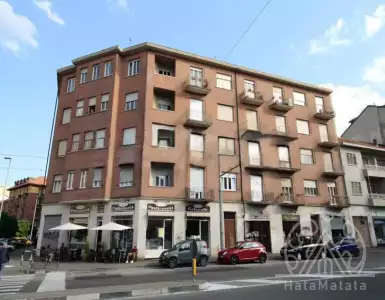
For Sale Real Estate in Piedmont





Selection real estate in Piedmont in 15 minutes
Leave a request and we will select the 3 best options for your budget
🇮🇹 Piedmont, Italy real estate: property types, average prices and tax requirements
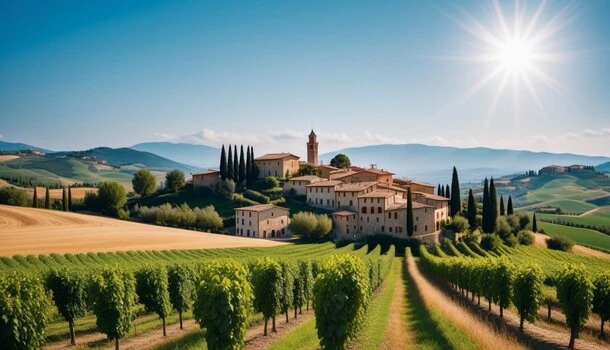
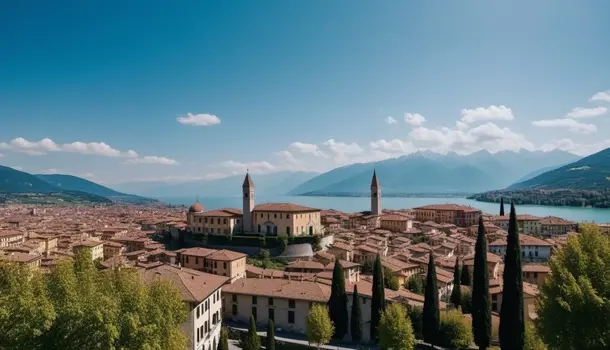
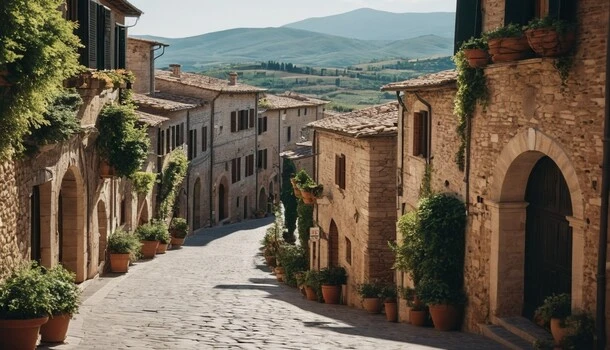
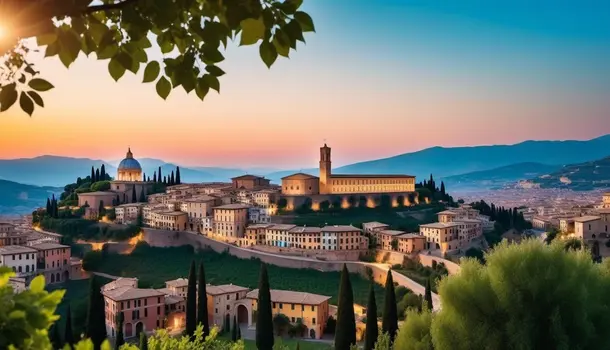
Piedmont sits at the crossroads of northern Italy, offering a mix of city life, wine country and alpine resorts that makes buying property in Piedmont attractive for families, retirees and international investors. The region combines an industrial backbone in Turin with agricultural excellence in Langhe and Monferrato, and lake and mountain tourism that supports short‑term rentals. This blend creates diverse opportunities for real estate investment in Piedmont, whether you are looking for a new build apartment in Turin, a restored farmhouse in Barolo, or a ski chalet in Sestriere.
🗺️ Geography, transport and infrastructure in Piedmont
Piedmont stretches from the Po Valley to the Alps and borders France and Switzerland, giving property in Piedmont strategic cross‑border access. Major transport nodes include Turin–Caselle Airport (TRN), high‑speed rail hubs Torino Porta Susa and Torino Porta Nuova, and motorways A4, A5, A6 and A21, which connect to Milan, Milan Malpensa and Genoa within 1–2 hours by car.
Public transport within Turin includes the metropolitan tram network, the M1 metro line and regional rail links to Novara, Alessandria and Cuneo that support commuter markets.
Health and education infrastructure is concentrated in Turin and Novara: Città della Salute e della Scienza di Torino and Ospedale Mauriziano provide tertiary care; Politecnico di Torino and University of Turin attract students and researchers who underpin rental demand in central districts.
💶 Economy and investment potential in Piedmont
Piedmont combines manufacturing, automotive, food industry and tourism into a balanced economy that supports long‑term real estate demand. The region has a population of about 4.4 million and a gross domestic product in the order of €150–160 billion, driven historically by the automotive and aerospace sectors centered on Turin and the agricultural luxury food sector around Alba.
Major employers and cluster names include Stellantis (Fiat heritage) in Mirafiori and the confectionery groups around Alba (Ferrero and smaller artisans in Langhe). Industrial parks in Novara and Alessandria support logistics and light manufacturing — relevant for commercial property investors.
Tourism and wine are fast‑growing engines: UNESCO‑listed vineyards in Langhe, Roero and Monferrato attract international visitors and agritourism income that can boost yields for short‑let properties and boutique hospitality investments.
💶 Property prices in Piedmont — by type and area
Prices vary by city, lakefront and mountain resort. Below are practical ranges you will see when evaluating property for sale in Piedmont.
-
Turin central areas (Centro, Crocetta, San Salvario): €2,500–€5,500 / m² for apartments; luxury penthouses and restored period properties can exceed €6,500 / m².
-
Turin suburbs and commuter towns (Moncalieri, Rivoli, Chieri): €1,200–€2,800 / m².
-
Langhe and Alba (Barolo, La Morra): €2,000–€6,000 / m² depending on historic village houses and vineyard properties; farmhouses and estates are priced per hectare for vineyards.
-
Lake Maggiore and Verbano (Stresa, Verbania): €2,000–€8,000 / m² with lakefront premium units at the top end.
-
Ski resorts (Sestriere, Sauze d’Oulx, Bardonecchia): €3,000–€8,000 / m² for chalets and ski‑in apartments.
-
Provincial towns (Asti, Alessandria, Cuneo, Novara): €800–€2,200 / m², with strong value for families and long‑term rentals.
-
Typical yields range:
- Long‑term rentals in Turin: 3–5% gross.
- Short‑term holiday rentals in Langhe or Verbano: 4–8% gross, highly seasonal.
- New build apartments in commuter towns: solid capital preservation and growing demand.
🎯 Best districts and locations in Piedmont to buy property
Turin remains the primary urban market with distinct districts that match buyer profiles. Centro and Crocetta are prime for professionals and families seeking schools and hospitals. San Salvario and Vanchiglia are preferred by students and young professionals near Politecnico.
Langhe and Monferrato (Alba, Barolo, La Morra, Monforte d’Alba) are preferred by buyers seeking vineyard estates, agritourism conversions and luxury second homes. Proximity to airports, truffle fairs and Michelin restaurants drives demand here.
Lake and mountain spots — Stresa, Verbania, Sestriere, Sauze d’Oulx and Bardonecchia — suit seasonal rental and premium buyers. Commuter belts like Novara and Alessandria are strategic for cross‑border workers and logistics investors.
🏗️ Major developers and projects in Piedmont
Piedmont has active national and regional players and several notable regeneration projects that absorb new build demand. Real players involved or with a footprint in Piedmont include Generali Real Estate, Hines Italy, and national construction firms such as CMB (Cooperativa Muratori e Braccianti di Carpi) which participate in regional projects.
Flagship urban nodes with ongoing transformations include the Lingotto complex in Turin (converted former Fiat plant with Eataly and conference facilities) and redevelopment zones around Turin Porta Susa, which have attracted mixed‑use schemes and higher‑end residential conversions.
Local developers and contractors frequently collaborate with banks and funds to deliver both new build property in Piedmont and renovation of historic buildings in city cores and wine country, often offering turnkey solutions for foreign buyers.
🏦 Mortgages and installment plans for property in Piedmont
Non‑resident buyers can access mortgages from Italian banks such as UniCredit, Intesa Sanpaolo, Banco BPM and local cooperatives. Typical lending parameters for foreigners are loan‑to‑value of 50–70%, with down payments commonly 30–40% for non‑resident applicants.
Interest rates depend on borrower profile and term; expect mortgage offers generally in the band of around 3–5% variable or fixed depending on market conditions and credit assessment. Banks require a codice fiscale, proof of income, and notarised documentation.
Developers frequently offer interest‑free installment plans on new build property in Piedmont, with staged payments tied to construction milestones; these are attractive for buyers seeking property for later delivery without full upfront financing.
🧾 Property purchase process in Piedmont
The purchase workflow follows standard Italian practice and is transparent when you engage a local notary and real estate professional. First, you identify a property and agree on a price; the next step is the preliminary contract (compromesso), where a deposit (caparra) of typically 10–30% secures the deal.
Due diligence follows: verify land registry (visura catastale), mortgage searches (visura ipotecaria), energy performance certificates (APE), and building permits. The final act (rogito) is signed before a notaio who registers the deed; balance payment and registration taxes are settled at this stage.
Payment methods accepted are bank transfers (often through notary escrow), certified checks and mortgage funds wired by the lender. For new build purchases from developers, VAT applies (reduced VAT 4% possible for primary residence under conditions, otherwise 10% or 22% on luxury), while transactions between private parties are subject to registration tax (commonly 9% of cadastral value for second homes, 2% for primary residence when eligible).
⚖️ Legal aspects, residence permits and citizenship in Piedmont
Buying property in Piedmont does not automatically grant a residence permit or citizenship. EU citizens have the right to reside and purchase freely; non‑EU citizens must obtain appropriate visas or permits to reside.
Options for non‑EU buyers include the elective residence visa for financially independent individuals, work permits, family reunification and the national Investor Visa programme — note that the investor visa requires specific capital investments (such as €500,000 in an Italian company or €2 million in government bonds) and does not generally permit residency solely through real estate purchase.
Citizenship by real estate investment in Piedmont is not an available pathway; citizenship requires longer residency, naturalisation criteria or ancestry routes. Engaging a qualified lawyer and tax advisor helps navigate permits, codice fiscale registration and inheritance implications under Italian law.
🎯 Investment advantages and buyer scenarios for property in Piedmont
Piedmont serves many buyer profiles because of its diversified property market and infrastructure. For families and relocation buyers, Turin offers schools, hospitals and job markets; look at Crocetta, San Salvario and Collina for family homes.
For rental income and tourism investors, Langhe, Lake Maggiore and the Alpine resorts provide seasonal demand and premium pricing, with short‑term rental yields often exceeding urban long‑lets during high season. Investors focused on steady cash flow will prefer Novara, Alessandria and commuter towns where demand from local workers keeps vacancy low.
For long‑term capital appreciation and prestige purchases, vineyard estates in Barolo and luxury lakefront villas at Stresa fit premium strategies; for new entries, new build property in Piedmont (Turin regeneration corridors or Novara) offers modern amenity packages and developer installment plans that reduce carrying costs while construction completes.
Buying property in Piedmont combines pragmatic urban markets with lifestyle and luxury opportunities, and the region’s transport links and institutional infrastructure make it accessible for international buyers. If you are considering property for sale in Piedmont, whether a secondary market property in Piedmont or a new build property in Piedmont with an installment plan or with mortgage financing, starting with targeted market due diligence, a trusted local notary and a financing pre‑approval will save time and protect your investment.
Frequently Asked Questions
Prices vary widely by area. In Turin city apartments commonly sell for $100k–$350k (≈€92k–€320k). Small towns and villages: $40k–$180k (≈€36k–€165k). Wine-country homes (Langhe/Monferrato) and renovated villas: $250k–$2M+ (≈€230k–€1.85M). Ski chalets and luxury estates can exceed $500k–$3M. Expect higher per-m² in historic centres and premium wine zones.
Yes. EU and non‑EU buyers can purchase real estate in Piedmont with few formal restrictions. You’ll need an Italian tax code (codice fiscale) and ID; some agricultural or protected-land purchases may have local limits. Ownership does not automatically grant residency or work rights; property rights are equivalent to those of Italian citizens.
Piedmont offers mixed investment profiles: Turin gives steady tenant demand (students, professionals) with typical gross yields ~3–6%. Tourist spots (Langhe, ski resorts) can deliver seasonal gross yields ~4–8% but with lower liquidity. City assets sell in weeks–months; rural/vineyard properties can take months–years to resell. Diversify by location and target rental type.
Daily life combines city services and rural tranquillity. Good public healthcare and hospitals in Turin and provincial centers; public and private schools including limited international options. Strong road and rail links; Turin airport and 1–2 hour access to Milan airports. Cost of living lower than Milan; local markets, regional food culture, and outdoor access are strong quality‑of‑life factors.
Yes in towns and cities. Urban areas commonly have fibre broadband (100–1,000 Mbps); smaller towns 50–200 Mbps; rural zones may rely on ADSL or mobile 4G/5G. Turin and larger towns host coworking spaces and long‑stay rentals. Cost of living and scenery suit remote work, but check exact broadband availability before signing a lease.
Property purchase alone does not grant residency or citizenship. Italy offers an Investor Visa with investment thresholds (approx.): €2M in government bonds (~$2.16M), €1M philanthropic (~$1.08M), €500k in an Italian company (~$540k), or €250k in an innovative startup (~$270k). Elective residency is another route for those with stable, sufficient income. Apply via consulate for permits.
Typical costs: registration tax/resale — 2% of cadastral value for qualifying main residence or 9% for others (example on €200k: $4k vs $18k). VAT on new builds 4%/10%/22% depending on status. Notary fees and registration: ~0.5–2% ($1k–$6k). Agent fees 2–4% ($4k–$16k). Annual IMU/municipal taxes and capital gains (if sold within 5 years) may apply. Closing often 30–90 days.
Yes, banks lend to foreigners. Typical LTV: 60–80% (lower for non-residents). Down payments often 20–40%. Interest rates vary (recently mid‑low single digits depending on product). Required: proof of income, tax code, ID, property appraisal. Approval and paperwork usually take 4–8 weeks; terms vary by lender and residency status.
Renovations require correct paperwork: SCIA for minor works or Permesso di Costruire for larger changes. Permit timelines range 30–120 days. Renovation costs typically $300–$900/m² depending on scope. In UNESCO or protected landscapes (parts of Langhe/Monferrato) you’ll face stricter approvals and historic‑preservation limits—factor extra time and specialist architects into budgets.
Most municipalities require owner registration with the local comune, declaration of rental activity, and collection of any local tourist tax. Income must be declared (IRPEF or flat tax regimes); VAT may apply if services are significant. Safety and fire regulations must be met. Registration timelines are days–weeks; local rules differ, so check the specific town before operating.
Property by cities
Properties by Region
- Real estate in Tuscany (424)
- Real estate in Lombardy (372)
- Real estate in Umbria (334)
- Real estate in Lazio (210)
- Real estate in Liguria (133)
Properties by Country
- Real estate in Bulgaria (11408)
- Real estate in Montenegro (5186)
- Real estate in Indonesia (2423)
- Real estate in Spain (2289)
- Real estate in Portugal (1975)
- Real estate in Italy (1910)
- Real estate in Turkey (1699)
- Real estate in Cyprus (1594)
- Real estate in Thailand (1565)
- Real estate in Croatia (1431)
- Real estate in Greece (1082)
- Real estate in USA (1013)
- Real estate in France (1006)
- Real estate in Georgia (519)
- Real estate in Serbia (328)
- Real estate in Slovenia (123)
- Real estate in Egypt (23)
Free real estate consultation in Piedmont
Don't know which area to choose in Piedmont? We will tell you in which areas it is better to live or invest, and show you the appropriate options.

Maria Guven
Head of Direct Sales Department
+90-507-705-8082