


Real Estate in Sardinia
Do you want to buy real estate in Sardinia? We'll tell you where to start

Liliya
International Real Estate Consultant
Need help choosing a property?
Leave a request and our manager will contact you.
International Real Estate Consultant
Real Estate in Sardinia
Do you want to buy real estate in Sardinia? We'll tell you where to start
Liliya
International Real Estate Consultant
Need help choosing a property?
Leave a request and our manager will contact you.
International Real Estate Consultant
Selection real estate in Sardinia in 15 minutes
Leave a request and we will select the 3 best options for your budget
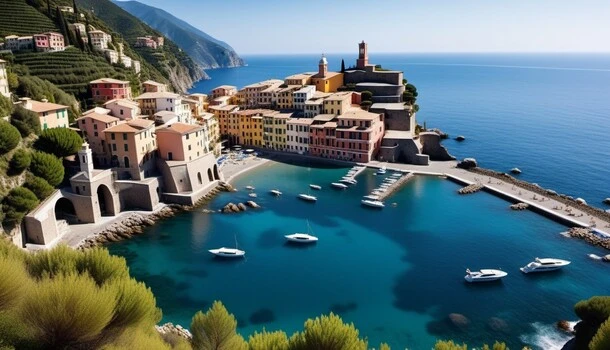
Weather in Sardinia
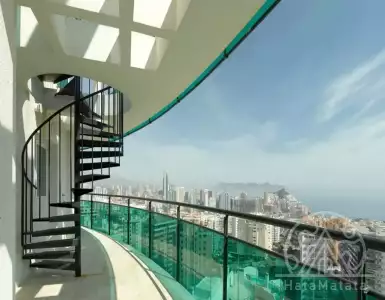 !
!
For sale Flat , Spain 209 543 $
📌 A few apartments for sale in Cala de Finestrat - a cozy place between Benidorm and Vieijahoyosa with a...
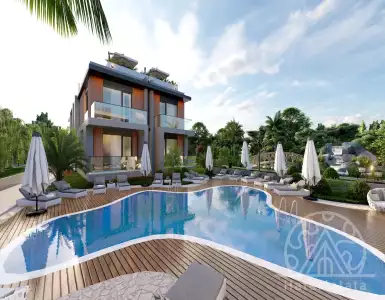 !
!
Flat for sale , Cyprus 126 834 $
The new residential complex is located in the foothills of Alsanjak. The complex consists of two two-storey buildings. Block A - 12...
For Sale Real Estate in Sardinia
Didnt find the right facility?
Leave a request - we will handle the selection and send the best offers in a short period of time



Irina Nikolaeva
Sales Director, HataMatata
Selection real estate in Sardinia in 15 minutes
Leave a request and we will select the 3 best options for your budget
🇮🇹 Real estate in Sardinia: buy villas, apartments and land in Costa Smeralda & Cagliari
Sardinia combines dramatic coastlines, low-density towns and an established luxury circuit that attracts private buyers and international investors looking for lifestyle value and reliable returns. The island’s transport crossroads include two international airports, multiple ferry links to mainland Italy and a functioning road network anchored by the SS131 expressway, which together make properties in Sardinia accessible from European hubs within a few hours. The combination of protected national parks, UNESCO-recognised archaeological sites and high-end marinas supports a broad real estate market that ranges from rural renovation projects to waterfront villas in Costa Smeralda.
🌍 Sardinia geography, climate and transport accessibility
Sardinia is the second-largest island in the Mediterranean with an area of about 24,100 km² and a resident population of roughly 1.6 million, creating a low population density that appeals to buyers seeking space and privacy. The island’s coastline is long and varied, with internationally famous stretches such as the Costa Smeralda (northeast), the Gulf of Orosei (east), and the southwest dunes of Chia and Teulada, which shape demand for beachfront and near-seafront real estate.
Sardinia’s transport network includes two main international airports — Olbia Costa Smeralda Airport (OLB) and Cagliari Elmas (CAG) — plus Alghero-Fertilia (AHO) and several seasonal air links; Olbia is operated by Geasar and handles a large share of tourist traffic to the Costa Smeralda. Regular ferry services connect Olbia, Golfo Aranci and Porto Torres to Genoa, Livorno, Civitavecchia and other mainland ports, enabling car-and-boat access for buyers transporting furniture or conducting inspections.
Sardinia’s internal infrastructure features the SS131 corridor linking Cagliari to Sassari and Olbia, regional rail lines with improving services, and modern marinas such as Porto Cervo Marina and Porto Rotondo, which support private yachting and short-term rental markets. Urban infrastructure includes local hospitals like AOU di Cagliari (Policlinico Duilio Casula) and AOU Sassari, and higher-education centres such as the University of Cagliari and the University of Sassari, which underpin year‑round demand in university towns.
📈 Economy and investment potential in Sardinia
Sardinia’s economy blends tourism, agriculture, light manufacturing and an expanding services sector, with regional GDP estimated at approximately €30 billion, reflecting a sizeable local market and steady seasonal inflows. The island receives several million tourists annually, concentrated in coastal hubs; this tourism base drives strong short-term rental demand in areas such as Porto Cervo, Olbia, Villasimius and Alghero.
Sardinia’s employment structure shows strength in hospitality, construction and logistics, while targeted infrastructure projects around Olbia and Porto Torres are designed to increase cargo and passenger throughput, supporting long-term appreciation in nearby land and housing markets. Internal migration patterns show buyers from northern Italy and northern Europe acquiring second homes, particularly from the UK, Germany, France, Netherlands and Switzerland, which stabilises demand in premium segments.
Investment statistics for real estate indicate a bifurcated market: luxury coastal properties retain value and liquidity, while inland and secondary-market properties offer much lower entry points and higher percentage upside on renovation. The island’s tourism seasonality means investors focused on rental income should target properties within 30–45 minutes of airports or marinas to maximise occupancy and yield.
💶 Property prices in Sardinia by type and area
Prices in Sardinia vary widely by proximity to the coast, view, and town infrastructure, and there is a marked difference between new build property in Sardinia and secondary market property in Sardinia. Typical ranges are:
- Luxury villas (Costa Smeralda, Porto Cervo, Porto Rotondo): €8,000–€30,000+/m², with trophy properties exceeding these bands in highly private plots and with top-quality finishes.
- Seafront apartments and penthouses (Olbia, Villasimius, Alghero): €3,000–€8,000/m² depending on exposure and marina access.
- City apartments (Cagliari centre, Sassari): €1,800–€4,000/m²; central Cagliari and the Castello district command premiums.
- Inland houses and rural properties (Nuoro, Oristano, Sulcis): €600–€1,500/m², frequently sold as renovation candidates or agricultural estates.
- New build developments: typically priced 10–20% above comparable secondary-market property in Sardinia, reflecting energy efficiency and modern finishes.
- Plot prices: coastal building plots near Olbia/Costa Smeralda can exceed €1,000–€3,000/m², while inland plots may be €10–€100/m².
🎯 Best areas in Sardinia to buy property and district specifics
Cagliari — The regional capital combines urban life with beaches like Poetto and Sardinia’s main university and hospitals, making it ideal for year-round rentals and families seeking services. Districts: Castello, Marina, Stampace, Poetto fringe.
Olbia & Costa Smeralda — Olbia is the gateway for wealthy buyers and yachting clients; Costa Smeralda enclaves such as Porto Cervo, Porto Rotondo, Baia Sardinia, Cala di Volpe remain top-tier for short-term high-yield rentals and prestige holdings. Districts: Isola Bianca (Olbia port), Pittulongu, Porto Istana.
Alghero & northwest — Alghero offers a historic centre, active expatriate community and proximity to airports and beaches. Districts & towns include Alghero historic centre, Fertilia, Bosa for colourful riverside properties.
Villasimius, Chia, Pula — South and southeast coastal resorts with strong tourism occupancy, attractive for families and seasonal rentals; proximity to Cagliari Elmas improves accessibility.
Inland Sardinia — Nuoro, Oristano and small villages provide low-cost entry points for renovation, agritourism and long-term capital gains as tourism diversifies inland.
🏗️ Developers and major projects operating in Sardinia
The Costa Smeralda area remains shaped by the work of the original Consorzio Costa Smeralda, the consortium established to develop Porto Cervo and associated infrastructure, which continues to influence planning and high-end property standards. Luxury hospitality brands with a physical footprint include Belmond (Hotel Cala di Volpe) and boutique operators such as Eden Rock — Porto Cervo, which support branded residences and seasonal rental demand.
Airport and port infrastructure projects around Olbia are linked to Geasar, which manages Olbia Costa Smeralda Airport and has coordinated capacity upgrades that improve seasonal throughput and investor confidence in nearby real estate. Municipal and regional redevelopment projects in ports like Porto Torres and marinas such as Marina di Porto Rotondo often include private-public partnerships that increase marina-service real estate values.
Local and national construction firms, along with specialist restoration studios, carry out most residential developments; many regional architects and builders focus on energy-efficient new builds in compliance with Italian/National energy classes, producing modern units that sell at a premium in the new build property in Sardinia segment.
💳 Mortgages and installment plans for property in Sardinia
Italian banks offer mortgages to non-resident buyers, with common down payment requirements between 20% and 40% for foreigners, depending on nationality, documentation and property type. Typical mortgage terms for mortgages in Italy for foreigners range from 10 to 30 years, with variable or fixed-rate options; interest rates commonly run in the 2.5–4.5% band depending on product, loan-to-value and market conditions.
Developers of new build property in Sardinia frequently offer interest-free installment plans during construction — common formats include staged payments tied to construction milestones and interest-free plans for 12–36 months, reducing short-term financing needs for buyers. Mortgage portability and bridging loans are available from regional banks and international lenders for second-home purchases and buy-to-let acquisitions.
Buyers should prepare documentation: passport, proof of income, bank statements, Italian tax code (codice fiscale) and sometimes an Italian bank account. Banks typically commission a local appraisal (perizia) and request insurance on the property as collateral.
📝 Property purchase process in Sardinia — step by step
The process starts with a property reservation agreement and deposit (caparra) to reserve a property; deposits generally range from 5% to 10% of the purchase price on typical transactions. A preliminary contract (compromesso) follows, setting payment schedules and penalties; this document is registered with the Agenzia delle Entrate for tax tracking.
After the compromesso, due diligence includes checks on land registry (catasto), title deeds at the Conservatoria dei Registri Immobiliari, and verification of planning permissions; buyers frequently instruct a local notary (notaio) to run these checks and to prepare the final deed (rogito). The final deed is signed before a notaio, who reads the contract in Italian and ensures registration; taxes such as registration tax, cadastral and mortgage taxes, and VAT for new builds are paid at or shortly after closing.
Buyers can pay by bank transfer or escrow with notary oversight; cross-border buyers often use international transfers with SWIFT, while many developers accept staged payments and escrow accounts. It is advisable to engage a bilingual lawyer or agent experienced in Sardinian transactions to manage negotiation, local taxes, and post-sale utilities and cadastral updates.
📜 Legal aspects, residence permit and citizenship related to property in Sardinia
Purchasing property in Sardinia does not by itself grant a residence permit or citizenship; non-EU nationals must comply with Italian immigration law to obtain residency. However, property ownership supports visa and residence applications by demonstrating ties, financial stability and an address for registration with local authorities.
Italy’s Investor Visa requires larger capital commitments and specific electronic applications: qualifying investments include €2 million in Italian government bonds, €500,000 in an Italian company, €250,000 in an innovative startup, or €1 million for philanthropic donations; property purchase alone is not a qualifying route to the investor visa. Residence permit through property purchase in Sardinia is therefore a misnomer — buyers should explore elective residence permits, work or investor visas depending on personal circumstances.
Citizenship by real estate investment in Sardinia is not available; naturalisation rules remain based on residency duration and legal status (for non-EU citizens typically multiple years of legal residence), while EU citizens have freedom of movement and easier registration processes. Professional legal advice is essential for buyers considering residence permit by real estate investment in Sardinia or related immigration pathways.
🎯 Investment advantages and buyer scenarios for real estate in Sardinia
Buyers seeking lifestyle and capital preservation often opt for luxury villas and seafront apartments in Porto Cervo, Olbia and Villasimius, which offer prestige, established rental markets and access to marinas; these properties suit high-net-worth individuals and international families. Short-term rental investors focused on seasonal occupancy will prioritise proximity to airports and marinas and look for properties that can deliver gross yields of 5–8% in peak seasons, with net yields lower after management and maintenance.
Buy-and-renovate buyers targeting long-term appreciation often find inland villages in Nuoro, Oristano and Sulcis attractive, where acquisition costs are low (from under €50,000 to mid-five figures for small homes) and renovation budgets can unlock significant resale or steady agritourism income; this scenario suits hands-on investors and developers. Families relocating or seeking second homes value Cagliari for year-round services, schools and hospitals, while remote workers may prioritise towns with reliable broadband and co‑working options; coastal towns within 30–60 minutes of Olbia or Cagliari airports are particularly popular for seasonal living and remote work.
Buyers prioritising tax efficiency should assess local municipal taxes (IMU, TASI), rental regime options (short-term tourist rental vs long-term leases) and energy class upgrades, which can improve marketability and long-term ROI for both new build property in Sardinia and secondary market property in Sardinia.
Sardinia’s market rewards targeted buyers: luxury-segment purchasers benefit from limited supply in top marinas and superior rental demand, while value-focused investors can find renovation opportunities inland and in lesser-known coastal towns. Whether you are looking to buy property in Sardinia for residence, rental income, seasonal living, relocation or long-term capital growth, engaging local notaries, agents and tax advisors will smooth the purchase process and protect your investment, especially when combining mortgage funding, developer installment plans and cross-border financing arrangements.
Frequently Asked Questions
Prices vary widely across Sardinia. Inland villages can be USD 800–1,700/m²; secondary towns USD 1,600–3,900/m²; coastal holiday towns USD 2,200–7,800/m². Luxury areas (Costa Smeralda) often exceed USD 10,000/m². Typical whole-home prices range from ~USD 80,000 for small rural houses to USD 1M+ for premium coastal villas.
Yes. Non‑EU and EU buyers can purchase real estate in Sardinia, but non‑EU nationals should check reciprocity rules. You need a codice fiscale (tax ID), ID/passport, a bank account for payments, a notary to sign the deed, and land-registry registration. Some rural/heritage land has extra limits—local due diligence is essential.
Sardinia sees strong summer tourist demand. Typical gross yields: 3–6% annually for long-term rentals, 5–10% gross for well-managed holiday lets in prime coastal towns (seasonal). Occupancy peaks in summer; liquidity is good in popular areas, slower in inland or lower-price segments. Net returns depend on management, seasonality and taxes.
Daily life varies by town: Cagliari and Olbia have hospitals, international flights, supermarkets, banks and schools; smaller towns have basic services. Public transport and ferries connect to mainland; car is common. Registering residency (Anagrafe), enrolling in healthcare and schools takes weeks; expect some bureaucracy. Utilities and internet are straightforward in towns, slower in remote areas.
Yes in towns. Fibre and 4G/5G cover Cagliari, Olbia, Alghero; speeds 50–200+ Mbps in fiber areas. Rural coverage is mixed. Coworking and cafés exist in larger towns. Visa-wise, short stays fall under Schengen limits (90/180 days); long-term non‑EU remote workers need elective residence or national visas. Consider seasonal tourism for accommodation demand.
Italy offers multiple paths: elective residence (proof of stable income), an investor visa (large investments, e.g., ≈USD 540,000 for equity projects or ≈USD 2.2M for government bonds), and work or family visas. Citizenship by naturalization generally requires ~10 years of legal residency for non‑EU nationals; descent or marriage routes differ. Requirements are documentation-heavy and assessed case-by-case.
Typical costs: purchase taxes/registration can range ~2–9% of assessed value depending on buyer status and property type; VAT on new builds commonly 10% (reduced rates possible for first homes); notary and registry fees commonly 1–3% combined; agent fees often 2–4%. Annual property taxes (IMU) apply on second homes. Example: on a USD 300,000 purchase, transfer taxes could be ~USD 6,000–27,000 plus notary/fees.
Typical timeline: offer to preliminary contract (compromesso) a few days–2 weeks; due diligence and mortgage approval 4–8 weeks; final deed before notary 2–4 weeks after clearing conditions. Overall expect 4–12 weeks from signed offer to keys, longer if permits, surveys or finance issues arise. Deposits commonly 10–20% on the preliminary contract.
Yes—coastal and protected areas have strict planning rules. Many stretches are in protected zones or subject to local coastal plans that restrict new construction, extensions or change of use. Setbacks and environmental reviews are common; some areas prohibit new builds entirely. Always check the local plan (Piano Urbanistico Comunale) and request a planning report before purchase.
Frequent issues: undeclared/illegal extensions, mismatches between cadastral records and physical layout, water or sewage connection limits, unclear servitudes, and slow permit processes. Renovation can require CILA/SCIA or full permits. Mortgages, tax treatment and capital gains rules (may apply if sold within 5 years) add complexity. Use a notary and local surveyor for checks before signing.
Property by cities
Properties by Region
- Real estate in Tuscany (422)
- Real estate in Lombardy (372)
- Real estate in Umbria (332)
- Real estate in Lazio (210)
- Real estate in Liguria (133)
Properties by Country
- Real estate in Bulgaria (11408)
- Real estate in Montenegro (5375)
- Real estate in Indonesia (2423)
- Real estate in Spain (2289)
- Real estate in Portugal (1975)
- Real estate in Italy (1906)
- Real estate in Turkey (1699)
- Real estate in Cyprus (1594)
- Real estate in Thailand (1565)
- Real estate in Croatia (1431)
- Real estate in Greece (1082)
- Real estate in USA (1013)
- Real estate in France (1006)
- Real estate in Georgia (519)
- Real estate in Serbia (328)
- Real estate in Slovenia (123)
- Real estate in Egypt (23)
Free real estate consultation in Sardinia
Don't know which area to choose in Sardinia? We will tell you in which areas it is better to live or invest, and show you the appropriate options.

Maria Guven
Head of Direct Sales Department
+90-507-705-8082