


Real Estate in Sicily
Do you want to buy real estate in Sicily? We'll tell you where to start

Liliya
International Real Estate Consultant
Need help choosing a property?
Leave a request and our manager will contact you.
International Real Estate Consultant
Real Estate in Sicily
Do you want to buy real estate in Sicily? We'll tell you where to start
Liliya
International Real Estate Consultant
Need help choosing a property?
Leave a request and our manager will contact you.
International Real Estate Consultant
Selection real estate in Sicily in 15 minutes
Leave a request and we will select the 3 best options for your budget
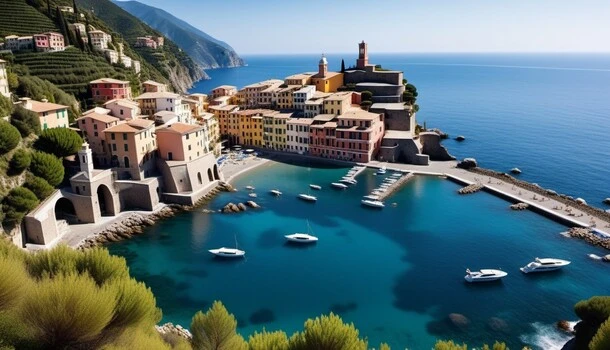
Weather in Sicily
 !
!
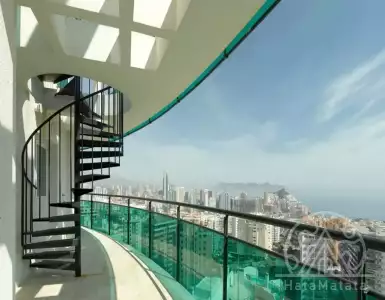
For sale Flat , Spain 212 831 $
📌 A few apartments for sale in Cala de Finestrat - a cozy place between Benidorm and Vieijahoyosa with a...
 !
!
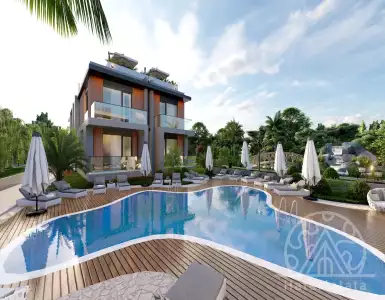
Flat for sale , Cyprus 127 442 $
The new residential complex is located in the foothills of Alsanjak. The complex consists of two two-storey buildings. Block A - 12...
For Sale Real Estate in Sicily
Flats in Catania
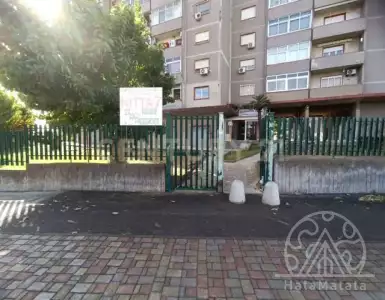


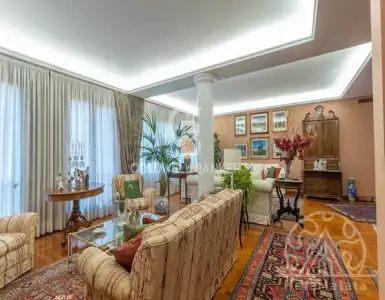
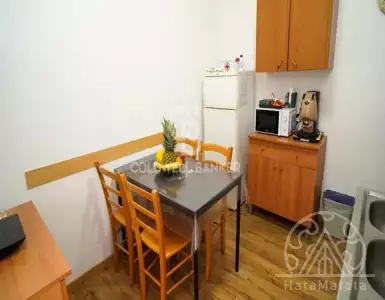
Flats in Syracuse
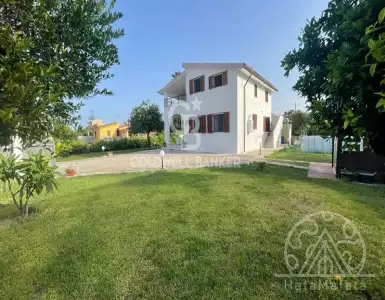
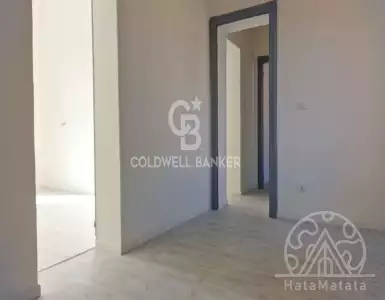
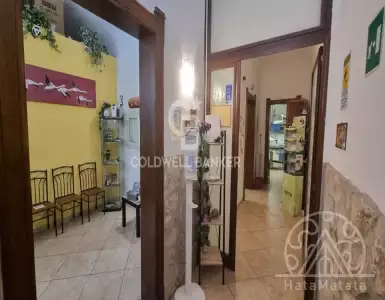
Do you want to buy real estate in Sicily? We'll tell you where to start
Leave a request and we will select the 3 best options for your budget
International Real Estate Consultant
Didnt find the right facility?
Leave a request - we will handle the selection and send the best offers in a short period of time



Irina Nikolaeva
Sales Director, HataMatata
Selection real estate in Sicily in 15 minutes
Leave a request and we will select the 3 best options for your budget
🇮🇹 Sicily real estate: property prices, legal process and major towns for buyers
Sicily is a compact, diverse market where coastline, active volcanoes and baroque towns meet a real estate landscape shaped by tourism, agriculture and regional investors. Buyers find everything from tiny island studios to large agriturismo estates and restored palazzi in historic centres. This section explains how to buy property in Sicily, how prices move, where demand is strongest, what financing foreigners can get and what legal steps protect your investment.
🌍 Geography, climate and transport in Sicily
Sicily is the largest island in the Mediterranean and its geography directly shapes property demand: people cluster on the northern and eastern coasts (Palermo, Cefalù, Mondello, Catania, Taormina) while inland provinces (Enna, parts of Agrigento) offer low-cost rural stock. Coastal zones dominate short-term rental yields, inland zones favour land, vineyards and agricultural investment.
Sicily’s climate is Mediterranean on the coast (hot, dry summers, mild winters) and continental on the higher inland plateaus and the slopes of Etna. Average annual temperature differences between Palermo and Etna slopes can exceed 8–10°C, which affects seasonal demand and heating costs for mountain properties versus seaside apartments.
Sicily is well connected by air, sea and road for an island: Catania Fontanarossa (CTA) handles around 10 million passengers, Palermo Falcone-Borsellino (PMO) about 7 million, with smaller airports at Trapani–Birgi (TPS) and Comiso (CIY). Major ports (Palermo, Catania, Messina, Milazzo) link to the mainland and Sardinia; rail traffic uses the ferry route at Villa San Giovanni to Messina. Roads include the A19 (Palermo–Catania) and the A18 (Messina–Catania), key for logistics and second-home accessibility.
💼 Economy and investment potential in Sicily
Sicily’s economy is diversified across tourism, agriculture (citrus, olive oil, vineyards), light manufacturing and energy; the regional GDP is in the order of tens of billions of euros, supporting steady domestic demand for housing and commercial property. Tourism remains the motor: Sicily draws over 10 million visitors annually, with spikes in coastal towns and UNESCO sites such as the Valley of the Temples and Ortigia.
Sicily sees mixed macro indicators: unemployment is higher than the national average, around 20%, which creates both challenges and opportunities — availability of labour for refurbishment projects and lower land and housing costs than northern Italy. Foreign and domestic investment interest focuses on renovating historic centres, turning villas into holiday rentals and developing agritourism on Etna and in the Val di Noto.
Sicily receives structural EU and national funds for infrastructure and cultural conservation, which improves investment prospects in urban regeneration zones. Tourism-season-driven rental demand pushes yields in holiday hotspots, while long-term rentals near universities in Palermo and Catania create stable cash flow opportunities.
💶 Property prices in Sicily
Property prices in Sicily vary sharply by type, proximity to the sea and condition of the building stock. Below are indicative price bands and typical asset sizes for different categories and locations.
- Palermo centre apartments: €1,500–€3,500/m²; central 70–120 m² flats commonly sell for €120,000–€400,000.
- Catania and university districts: €1,200–€3,000/m²; student-rental studios from €50,000–€120,000.
- Taormina, Cefalù and exclusive coastal towns: €3,500–€9,000+/m²; villas often €600,000–several million.
- Rural farms, country houses and rustic properties (rustici): €40–€800/m² land-based or per m² built, whole estates €60,000–€500,000+ depending on land, olive groves, and renovation scope.
- Secondary market apartments in smaller towns (Agrigento, Ragusa, Trapani): €600–€1,200/m².
Market dynamics show rising demand for restored palazzi and ready-to-rent holiday homes in Ortigia (Siracusa), Noto and Ragusa Ibla, while inland stock is undervalued but requires renovation. New build property in Sicily is concentrated around Catania and Palermo suburbs and near major tourist hubs, with developers sometimes offering early-bird prices and flexible payment schedules.
🎯 Best areas in Sicily to buy property
Palermo: The historic centre (Kalsa, Albergheria, Vucciria) is popular for short-term rental and restoration projects, while Mondello and Addaura attract seaside buyers. Key districts: Kalsa, Politeama, Mondello, Notarbartolo.
Catania and Etna corridor: Catania’s Ognina and central districts are strong for long-term rental near the university; the towns on Mount Etna — such as Linguaglossa, Zafferana Etnea, Bronte — are sought for agritourism, vineyards and nature tourism. Key districts: Centro Storico, Ognina, Borgo, Picanello.
Southeast Baroque and the Val di Noto: Places like Noto, Modica and Ragusa Ibla command premium prices for restored baroque palazzi and boutique hotels; key locations include Ortigia (Siracusa), Ragusa Ibla, Modica Centro, Noto Corso Vittorio Emanuele.
Western Sicily and islands: Trapani and Marsala are gateways to the Egadi Islands and Favignana; San Vito Lo Capo remains a summer hotspot. Key locations: Trapani Porto, Marsala historic centre, Favignana, Stagnone lagoon near Marsala for windsurfing properties.
🏗️ Developers and major projects in Sicily
Sicilian development is a mix of local builders, national groups and public regeneration projects focused on tourism and transport nodes. Regional construction and infrastructure groups such as Caltagirone Group have presence through materials and urban projects, while municipal-led regeneration is visible in Palermo and Siracusa.
Notable projects include urban regeneration and port-area investments in Palermo’s waterfront and the restoration of Ortigia’s historic fabric in Siracusa, which has attracted private restorations and boutique hotel conversions. Catania benefits from expansions around the airport area and logistics parks near the Zona Industriale for light manufacturing and distribution.
Smaller specialist developers and conservation firms focus on converting historic palaces (palazzi) into apartments or tourism accommodation in Ragusa Ibla, Modica and Noto. Institutional investment is also visible in hospitality refurbishments near Taormina and Cefalù, where owner-operators seek high-end short-term rental returns.
🏦 Mortgages and installment plans for property in Sicily
Foreign buyers can obtain financing in Italy but terms depend on residency, income documentation and the lender’s policy. Typical patterns are:
- LTV for non-resident foreigners: 50–70% of purchase price; EU residents sometimes secure up to 70–80%.
- Standard mortgage terms: 10–30 years, with mixed fixed and variable-rate products; typical market rates vary depending on macro conditions but borrowers often see mid-single-digit percentage rates depending on loan profile.
- Down payment expectations: 20–40% of purchase price for non-residents, occasionally lower for EU citizens with strong credit.
Developers of new build property in Sicily frequently offer interest-free installment plans during construction (payment-by-stage or completion). Italian banks and international lenders both provide mortgage in Italy for foreigners, and specialist banks in Sicily can process documents in English and assist with tax code (codice fiscale) and escrow arrangements.
🧾 Property purchase process in Sicily
Buying property in Sicily follows national Italian rules with local steps and documents to check. Typical sequence:
- Search and due diligence: Visit properties, verify energy certificate (APE), land registry (visura catastale) and building permits.
- Preliminary contract (compromesso) with deposit (caparra) — usually 10%–20% of purchase price — binding both parties.
- Notary selection and final checks: The notary (notaio) conducts title searches, checks mortgages and prepares the deed (rogito).
- Final completion (rogito) at the notary: Balance payment, signature, registration and transfer of keys.
Tax and fee framework to anticipate: registration tax 2% for primary residence (under conditions) or 9% of cadastral value for second home when buying from a private seller; VAT 10% or 4% applies on newbuilds sold by companies depending on buyer status; notary and cadastral fees typically amount to 1–3% of the property price. Payments are commonly by bank transfer, escrow or banker’s draft; cash has strict limits.
📜 Legal aspects, residence permits and citizenship in Sicily
Buying property in Sicily does not automatically grant a residence permit or citizenship. Residence permit by real estate investment in Sicily is not a defined pathway under Italian immigration law. Options for buyers:
- Elective residence permit: Available to financially independent non-EU nationals who can show steady passive income and housing in Italy (the purchased property can support the application).
- Investor Visa for Italy: Requires large investments in Italian companies, government bonds or philanthropic donations (minimums such as €500,000 in a company or €1 million in government bonds), and does not include purchase of residential property as a qualifying investment.
- Citizenship: Citizenship by real estate investment in Sicily is not available; citizenship is granted by descent, marriage or long-term residency procedures.
Legal diligence should include anti-money-laundering checks, verification of property permits, and confirmation of energy and seismic certificates when required. A local lawyer and an English-speaking notaio are recommended for non-Italian speakers.
🔑 Buyer scenarios and investment advantages in Sicily
Sicily suits a wide range of buyer profiles with matching locations and property types.
- Holiday-savvy investors: Best in Taormina, Cefalù, Ortigia, San Vito Lo Capo. Short-term rental yields in peak seasons can push gross returns to 6–8% in top spots.
- Long-term rental and student housing: Palermo and Catania near universities are steady for single-room or two-bedroom rentals, with lower volatility and stable occupancy.
- Agritourism and wine/vineyard buyers: Etna slopes (Castiglione di Sicilia, Randazzo), Marsala and Sambuca offer vineyard and olive-grove investments suited to agribusiness or agritourismo conversion.
- Restoration specialists and boutique operators: Ragusa Ibla, Modica and Noto are ideal for restoring palazzi into boutique hotels or high-end apartments commanding premium nightly rates.
- Value-seeking renovators: Inland provinces (Enna, parts of Agrigento) provide low entry prices for full renovations or land assembly projects for the patient investor.
- Relocation and family residence: Palermo, Catania and Messina provide hospitals (Policlinico Paolo Giaccone in Palermo, Garibaldi Hospital and Cannizzaro in Catania), international schools and cultural life for families planning long-term moves.
Each scenario requires tailoring: location influences yield, seasonality and liquidity. New build property in Sicily is attractive for buyers seeking turnkey assets and developer installment plans, while secondary market property in historic centres often requires capex but delivers strong capital appreciation in high-tourism micro-markets.
Buying property in Sicily is a blend of lifestyle and numbers: proximity to airports and ports, the condition of the building and the local seasonality profile determine returns as much as headline price per square metre. Professional local advice, clear due diligence and an awareness that property acquisition alone does not provide immigration rights will keep the purchase aligned with your objectives and risk profile.
Frequently Asked Questions
Prices vary widely: city/town centers typically $1,300–$2,200/sqm (€1,200–€2,000/sqm); prime tourist towns and sea-front spots can exceed $3,500–$4,500/sqm (€3,200–€4,100/sqm). Rural inland homes often range $400–$1,200/sqm (€370–€1,100/sqm). Small apartments and fixer-uppers can be much cheaper; luxury coastal properties command a big premium.
Yes. Non-residents and foreigners can purchase real estate in Sicily with few restrictions. You will need an Italian tax code (codice fiscale), ID, and a notary to close. Some border-area reciprocity rules exist but rarely affect Sicily. Expect a preliminary contract, deposit (usually 10–30%), then notarized deed.
Sicily offers strong seasonal rental demand in coastal and historic towns; gross yields vary: short-term holiday lets 5–10% gross in hotspots, long-term rentals 3–5% typical. Liquidity is lower than big cities—sales can take months. Diversify between tourist hubs (higher yield, seasonality) and city rentals (steady income).
Typical costs: registration tax 2% (primary residence) or ~9% (secondary) on cadastral value for resale; new builds may incur VAT 10% (standard) or 22% (luxury). Notary, cadastral and mortgage taxes usually add 1–2.5% ($1,200–$8,000). Agent fees commonly 3–4% of sale price. Capital gains rules can apply if sold within 5 years.
Italian banks lend to foreigners, but terms depend on residency and profile. Expect LTV around 60–80% for residents, often 50–70% for non-residents. Loan terms 10–30 years; approvals require income proof, credit checks, and property appraisal. Allow 4–8 weeks for mortgage approval plus closing time.
Yes—many families relocate. Public healthcare (SSN) is available after residency registration; local clinics and hospitals are in regional centers. International schools are limited; public Italian schools are widely available. Transport: regional airports, ferries and trains link main towns. Plan for language learning, municipal residency registration, and property utilities setup.
Many remote workers find Sicily attractive: affordable living, relaxed lifestyle, and tourist towns with fibre and 4G/5G. Major towns often offer 50–200+ Mbps; rural spots may be slower. Long stays require visa/residency planning (see residence options). Coworking spaces exist in larger towns; living costs are lower than northern Italy.
Buying property alone does not automatically grant EU residency or a golden visa. Italy’s Investor Visa requires specific investments (e.g., €500,000 in a company; €1,000,000 philanthropic; €2,000,000 government bonds — approx $540k/$1.08M/$2.16M). Other routes include work, family reunification, student visas or elective residence for financially independent applicants.
Short-term rentals require municipal registration, compliance with local tourist regulations, energy performance (APE), and remittance of tourist tax where applicable. Rules and permit types vary by comune; some require safety checks and guest registration. Report rental income on Italian tax returns and account for VAT or regional lodging taxes when due.
Watch for unregistered or unauthorized works, unclear land boundaries, and outdated cadastral records; get a notary and surveyor review. Coastal properties face salt corrosion and humidity maintenance costs. Check seismic zoning and insurance availability. Typical timeline: offer → 4–12 weeks to closing. Expect language and bureaucracy hurdles—use professional help for due diligence.
Property by cities
Properties by Region
- Real estate in Tuscany (418)
- Real estate in Lombardy (372)
- Real estate in Umbria (323)
- Real estate in Lazio (210)
- Real estate in Liguria (133)
Properties by Country
- Real estate in Bulgaria (11408)
- Real estate in Montenegro (5367)
- Real estate in Indonesia (2423)
- Real estate in Spain (2289)
- Real estate in Portugal (1975)
- Real estate in Italy (1893)
- Real estate in Turkey (1699)
- Real estate in Cyprus (1588)
- Real estate in Thailand (1565)
- Real estate in Croatia (1431)
- Real estate in Greece (1080)
- Real estate in USA (1013)
- Real estate in France (1006)
- Real estate in Georgia (519)
- Real estate in Serbia (328)
- Real estate in Slovenia (123)
- Real estate in Egypt (23)
Free real estate consultation in Sicily
Don't know which area to choose in Sicily? We will tell you in which areas it is better to live or invest, and show you the appropriate options.

Maria Guven
Head of Direct Sales Department
+90-507-705-8082