


Castle in Umbria
Do you want to buy castle in Umbria? We'll tell you where to start

Liliya
International Real Estate Consultant
Need help choosing a property?
Leave a request and our manager will contact you.
International Real Estate Consultant
Castle in Umbria
Do you want to buy castle in Umbria? We'll tell you where to start
Liliya
International Real Estate Consultant
Need help choosing a property?
Leave a request and our manager will contact you.
International Real Estate Consultant
Selection castles in Umbria in 15 minutes
Leave a request and we will select the 3 best options for your budget
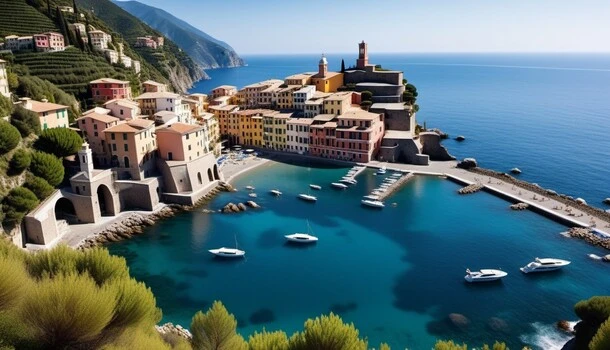
Weather in Umbria
 !
!
For sale Flat , Spain 212 501 $
📌 A few apartments for sale in Cala de Finestrat - a cozy place between Benidorm and Vieijahoyosa with a...
 !
!
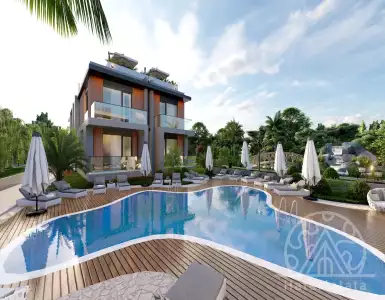
Flat for sale , Cyprus 127 765 $
The new residential complex is located in the foothills of Alsanjak. The complex consists of two two-storey buildings. Block A - 12...
For Sale castle in Umbria
Didnt find the right facility?
Leave a request - we will handle the selection and send the best offers in a short period of time



Irina Nikolaeva
Sales Director, HataMatata
Selection castles in Umbria in 15 minutes
Leave a request and we will select the 3 best options for your budget
🇮🇹 Castle purchase in Umbria, Italy — property types, legal considerations, market trends
Umbria, often regarded as the green heart of Italy, has garnered significant attention for its enchanting landscapes, rich history, and burgeoning real estate market. One of the most unique opportunities available to buyers today is investing in a castle in Umbria. Whether you're a private buyer seeking a dream residence, an investor looking to diversify your portfolio, or even a developer searching for lucrative projects, Umbria's castles offer a blend of heritage and potential profitability that is hard to resist.
🌄 Understanding the Allure of Umbria for Castle Purchases
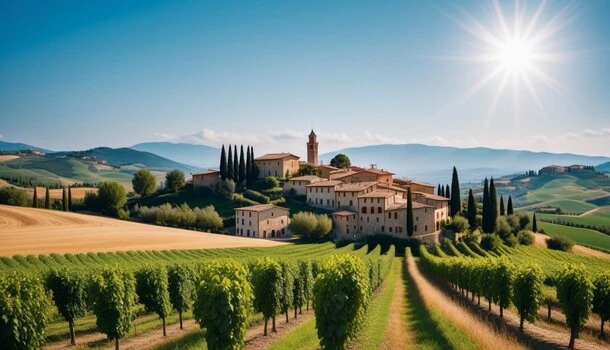
Umbria boasts a landscape defined by rolling hills, olive groves, and vineyards, captivating visitors and potential buyers alike. Its geographic position—nestled between Tuscany and Marche—makes it easily accessible, with major cities like Perugia, Assisi, and Terni serving as vital hubs. The region benefits from a Mediterranean climate, characterized by warm summers and mild winters, making it an attractive destination year-round.
Infrastructure has seen significant investment in recent years, resulting in better roads and connections to major airports. Perugia Airport connects to various European locations, while the A1 motorway links Umbria to Rome and Florence, enhancing its accessibility for both tourism and business. Such connectivity fuels demand for properties, especially historic ones like castles, appealing to those who wish to operate businesses or invest in rental properties in a tourist-heavy area.
Tourism is a cornerstone of Umbria's economy, drawing roughly 1.5 million visitors annually to its charming hilltop towns and cultural sites. This steady stream of visitors translates into a robust rental market for castle properties, providing buyers with opportunities for rental yield and long-term investments. The area's sites of historical significance and stunning architecture also amplify the appeal of purchasing a castle in Umbria.
💵 How Much Does a Castle Cost in Umbria?
The prices for castle in Umbria vary significantly based on location, condition, and size. Currently, buyers can expect prices ranging from €500,000 to over €5 million, depending on the property specifics and their proximity to major cities.
Here's a breakdown of average prices from various cities and districts in Umbria:
- Perugia: Average prices hover around €1.5 million for mid-sized castles with restoration potential.
- Assisi: Known for its breathtaking views and religious significance, castles here can range from €800,000 to €3 million, with some higher-end properties exceeding this range.
- Terni: Slightly more affordable, prices for historical castles start at around €600,000 and can go up to €1.5 million for larger, well-preserved properties.
- Spoleto: This area is famed for its archaeological sites, with prices typically between €700,000 and €2.5 million.
Additional factors influencing prices include:
- Property format (size, land area, number of bedrooms)
- Renovation costs
- Market demand trends in the region
📍 Key Districts in Umbria for Castle Purchases
When considering where to buy a castle in Umbria, several districts stand out for their unique offerings and investment potential:
-
Perugia: The capital city features a blend of urban amenities and historic charm. The surrounding countryside has several castles, perfect for those seeking privacy but desiring city access.
-
Assisi: Known for its spiritual significance, buying a castle here means investing in a location steeped in history with high tourist traffic, offering significant rental potential.
-
Spoleto: It boasts stunning landscapes and cultural festivals. Investors are drawn to Spoleto for its vibrant local community and ongoing restoration programs, making it an ideal location for historic property purchases.
-
Lake Trasimeno: This area has beautiful waterfront views, making it attractive for buyers interested in vacation homes or rental properties in a serene setting.
🏗️ Leading Developers in Umbria’s Castle Market
Investing in a castle in Umbria often also means working with reputable developers that have established successful projects. Some notable names in این مجال include:
-
Immobiliare Itty: Specializing in restoring historic properties, they offer several castles across Umbria, complete with modern amenities and historical preservation.
-
Reale Mutua: Engaged in transforming old castles into unique hotel data properties, tapping into the growing tourism sector.
-
Castelli dal Mondo: This developer focuses specifically on castles and assisted the transformation and restoration of several landmarks into modern residences, ensuring that buyers retain the charm of historical architecture while enjoying contemporary living.
These developers often offer flexible payment options and customize renovation projects to suit buyers’ needs, making them excellent partners in your investment journey.
🏦 Mortgage and Installment Options for Castle Purchases in Umbria
Navigating financial options is crucial when considering a purchase for a castle in Umbria. Foreign buyers typically face requirements that differ somewhat from EU residents.
-
Mortgage for Castle in Italy for Foreigners: Many banks offer mortgage options to foreign investors, with rates around 3% to 5% depending on the lender. Common terms include a 20-30% down payment and repayment periods ranging from 15 to 25 years.
-
Developer Installment Plan for Castle in Umbria: Some developers provide installment plans, allowing buyers to pay a portion upfront and the remainder over several years. Terms can vary, but common practice includes breaking down payments into four or five installments during the construction or renovation period.
It’s advisable to consult with local financial experts or real estate professionals to navigate the specifics of acquiring a mortgage or installment plan.
📝 Step-by-Step Process of Buying a Castle in Umbria
Purchasing a castle in Umbria involves several critical steps to ensure a successful transaction:
-
Selection: Identify properties that meet your criteria and aesthetic desires, whether they are move-in ready or require restoration.
-
Reservation: Once a suitable castle is chosen, a reservation agreement may be signed, securing the property while negotiations continue.
-
Due Diligence: Conduct thorough checks, including property surveys and legal documentation. This step is critical to avoid unexpected complications.
-
Contract: After the due diligence phase, a purchase contract will be drawn up, detailing conditions, price, and payment timelines.
-
Payment: Payments are usually made in installments as defined in the contract, which can include consultants, notary fees, and taxes.
-
Registration: Finally, the property must be registered with local authorities, finalizing the ownership transfer.
The legal environment in Italy can be complex, hence hiring a trusted notary experienced in real estate in Umbria is advisable for a smooth process.
📜 Legal Aspects of Owning a Castle in Umbria
Owning a castle in Umbria comes with specific legal considerations to keep in mind:
-
Rental Rules: Foreign ownership allows for short- and long-term rentals, catering to vacation traffic or long-term lease demands. Adhering to local rental regulations is essential.
-
Property Taxes on Castle in Italy: Owners may face property taxes (IMU and TASI), which vary based on property location and size. It's advisable to consult with local tax advisors for precise figures.
-
Residence Permit through Purchase of Castle in Umbria: While buying real estate does not automatically grant residency or citizenship, investment in higher-value properties (usually over €500,000) can qualify for residence permits, facilitating a more permanent lifestyle in Italy.
Investors should be aware of the specific permits and legal requirements, ensuring compliance with local laws when utilizing the property for rental or commercial purposes.
🏡 Exploring the Potential of Castle Purchases in Umbria
The opportunity to buy a castle in Umbria beckons for a multitude of reasons, be it for personal enjoyment, the potential for substantial returns on rental yields, or as a prestigious asset. With its breathtaking scenery, robust tourism industry, and historic allure, Umbria provides a unique canvas for those wishing to own a piece of Italy's storied past. The expectation of rising demand, driven by ongoing modernization and increased international interest, suggests that investing in Umbria's castles is not just a purchase but a thoughtfully considered step into a vibrant future within one of Italy’s most beautiful regions.
Frequently Asked Questions
Prices vary widely by condition, size and location. Small ruined castles or medieval farmsteads can begin around €150,000–€500,000; restored small castles €500,000–€2M; substantial restored fortresses or estates €2M–€8M; top historic estates with land or luxury finishes can exceed €8M. Expect higher prices near tourist hubs like Assisi or Perugia.
Restoration usually needs municipal building permits plus authorization from the cultural heritage authority for listed structures. Planning, conservation and sometimes landscape approvals are required. Timelines vary from several months to a year; engage an architect and heritage consultant early to align designs with restrictions.
Main costs: IMU property tax (municipal rates, commonly 0.4–0.76% of cadastral value for non-primary homes), waste tax (TARI), utilities and insurance. Maintenance and staffing for a castle often run €10,000–€100,000+ per year depending on size. Budget for periodic major works and conservation expenses.
Many castles sit in protected landscape or archaeological zones with limits on subdivision, new builds and agricultural conversions. Natura 2000 and regional landscape rules can affect land use, irrigation and tree removal. Title searches and land registry (catasto) checks will reveal easements and restrictions.
Umbria is in a seismic area; historic properties require structural assessments and compliance with seismic safety rules. Seismic retrofitting is often mandatory for major works. Costs vary widely (roughly €200–€1,000+/m²) and qualified structural engineers must certify interventions; tax incentives or grants for seismic upgrades may be available.
Yes, short-term tourist rentals are common, especially near Assisi, Perugia and wine/food destinations. You must register the property for tourist accommodation, comply with local safety rules and report rentals for tax. Nightly rates typically range from €150 to €2,000+ depending on scale; demand peaks spring–autumn.
Foreigners can use visas/permits such as elective residence (for those with steady non-work income), investor visa (for qualifying capital investment), work permits or family reunification. Owning a castle can help prove accommodation but does not automatically grant residency or citizenship. After arrival, non‑EU nationals usually apply for a residence permit (permesso di soggiorno) and processing timelines vary.
Umbria offers a high quality of life: good regional healthcare with hospitals in Perugia and Terni, public schools and some international schooling options near larger towns, quiet rural living and decent local transport. Internet and services are strong in towns; remote workers can work well from Perugia or regional hubs but very remote castles may need upgraded connectivity.
Tourism is seasonal: busiest April–October with cultural events, festivals and agritourism peaks; winter is quieter except holidays. Typical occupancy for tourist properties varies but many see 40–70% seasonally, with cash flow concentrated in spring–autumn. Events in Assisi, Perugia and local festivals boost short peaks.
Key checks: clear title and cadastral consistency, heritage listings, planning history, structural and seismic surveys, utility access, road rights, water rights and environmental constraints. Obtain costed restoration estimates and planning advice; professional surveys and legal checks typically take 4–12 weeks and help avoid major unforeseen costs.
Properties by Region
- Castles in Tuscany (418)
- Castles in Lombardy (372)
- Castles in Umbria (325)
- Castles in Lazio (210)
- Castles in Liguria (133)
- Castles in Campaign (60)
- Castles in Piedmont (58)
- Castles in Sicily (35)
- Castles in Venice (31)
- Castles in Calabria (27)
- Castles in Puglia (26)
- Castles in Abruzzo (20)
- Castles in Veneto (14)
Properties by Country
- Real estate in Bulgaria (11408)
- Real estate in Montenegro (5329)
- Real estate in Indonesia (2423)
- Real estate in Spain (2289)
- Real estate in Portugal (1975)
- Real estate in Italy (1895)
- Real estate in Turkey (1699)
- Real estate in Cyprus (1588)
- Real estate in Thailand (1565)
- Real estate in Croatia (1431)
- Real estate in Greece (1080)
- Real estate in USA (1013)
- Real estate in France (1006)
- Real estate in Georgia (519)
- Real estate in Serbia (328)
- Real estate in Slovenia (123)
- Real estate in Egypt (23)
Free real estate consultation in Umbria
Don't know which area to choose in Umbria? We will tell you in which areas it is better to live or invest, and show you the appropriate options.

Maria Guven
Head of Direct Sales Department
+90-507-705-8082