


Villa in Umbria
Do you want to buy villa in Umbria? We'll tell you where to start

Liliya
International Real Estate Consultant
Need help choosing a property?
Leave a request and our manager will contact you.
International Real Estate Consultant
Villa in Umbria
Do you want to buy villa in Umbria? We'll tell you where to start
Liliya
International Real Estate Consultant
Need help choosing a property?
Leave a request and our manager will contact you.
International Real Estate Consultant
Selection villas in Umbria in 15 minutes
Leave a request and we will select the 3 best options for your budget
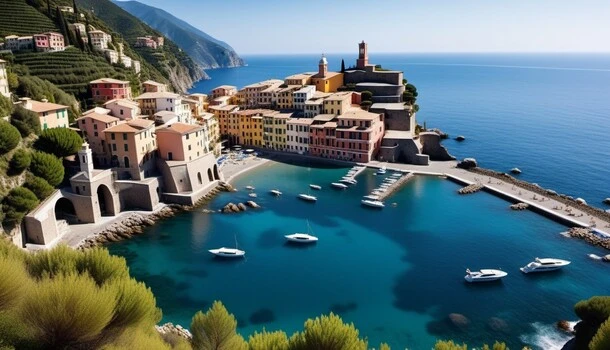
Weather in Umbria
 !
!
For sale Flat , Spain 212 831 $
📌 A few apartments for sale in Cala de Finestrat - a cozy place between Benidorm and Vieijahoyosa with a...
 !
!
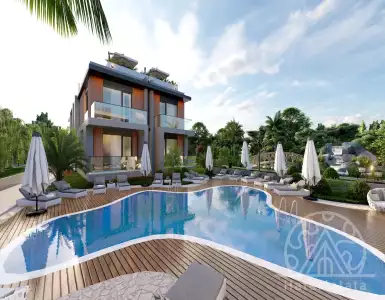
Flat for sale , Cyprus 127 442 $
The new residential complex is located in the foothills of Alsanjak. The complex consists of two two-storey buildings. Block A - 12...
For Sale villa in Umbria
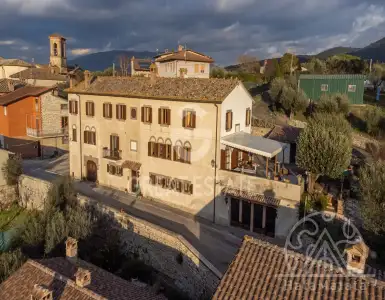
Villas in Perugia

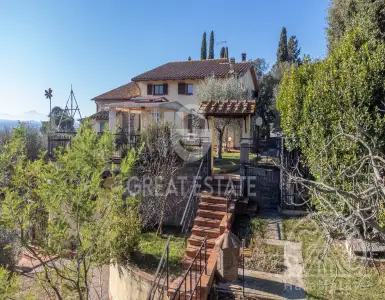
Villas in Terney
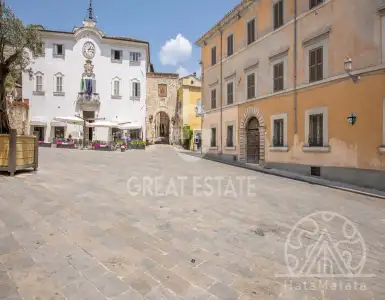
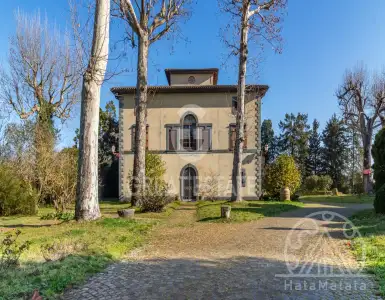
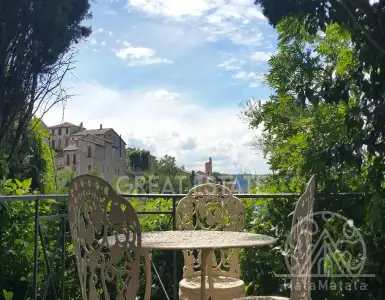
Do you want to buy villas in Umbria? We'll tell you where to start
Leave a request and we will select the 3 best options for your budget
International Real Estate Consultant
Villas in Pietralunga
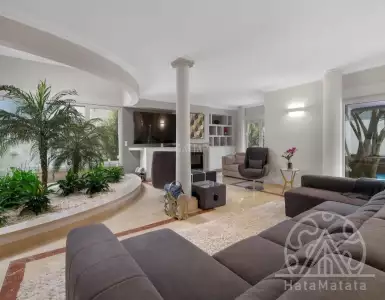
 6
6
 7
7
 645
645
 8
5
480
8
5
480
 15
20
867
15
20
867
Selection villas in Umbria in 15 minutes
Leave a request and we will select the 3 best options for your budget
🇮🇹 Buying a villa in Umbria — legal steps, typical costs and regional location insights
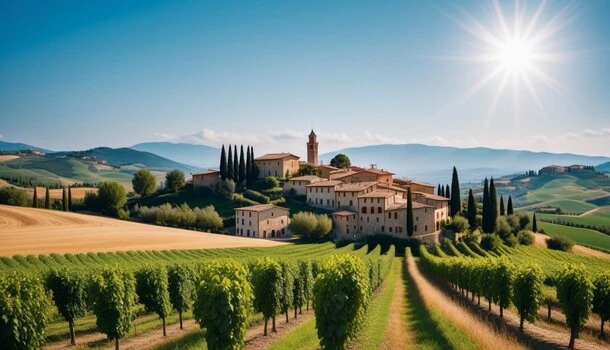
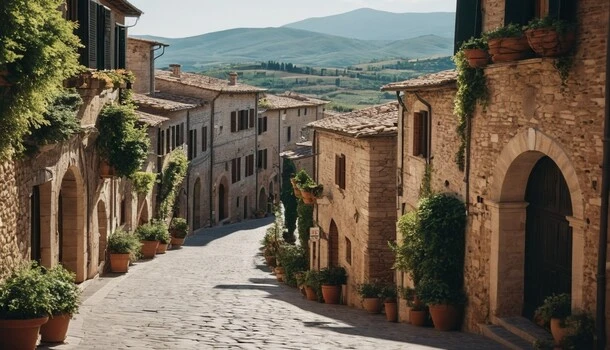
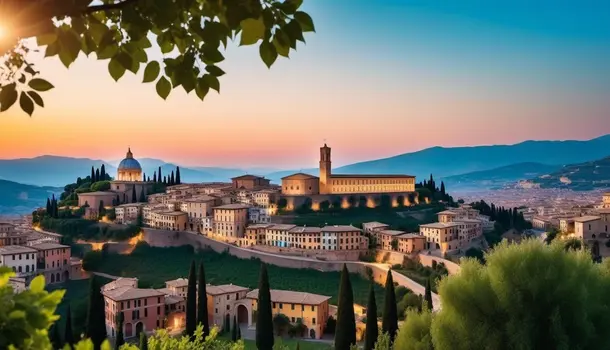
Umbria, often dubbed the "green heart of Italy," offers a unique blend of idyllic landscapes, rich cultural heritage, and vibrant communities. Positioned in central Italy, this charming region boasts rolling hills, vineyards, and historic towns that attract buyers from all walks of life. Whether you're looking to invest, make a permanent move, or find a holiday retreat, purchasing a villa in Umbria presents an exceptional opportunity.
🌄 Why Choose Umbria for Your Villa Purchase?
Umbria's geography is characterized by its stunning landscapes, radiant olive groves, and strategically located hilltop towns. The temperate Mediterranean climate enhances the lifestyle appeal, with warm summers perfect for outdoor activities. This climate results in a year-round influx of tourists, creating ideal conditions for rental property investments.
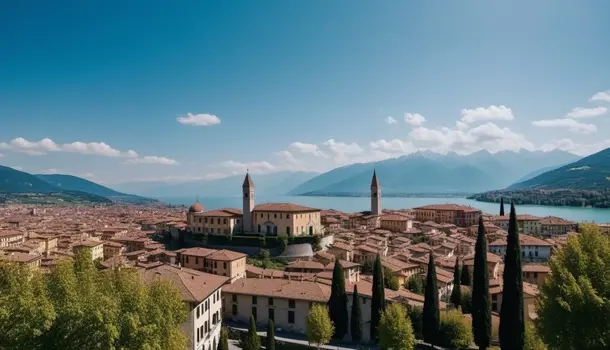
Part of Umbria's charm lies in its accessibility. The region has well-maintained roads and direct train connections that link to major cities like Rome and Florence, making it a popular destination for those seeking a weekend getaway or a leisurely life surrounded by nature. The towns of Assisi, Perugia, and Orvieto not only feature historical significance but are also at the nexus of Umbria's cultural tourism, which boosts the demand for villas.
Demand for villas is notably high in regions with strong tourist flows, such as Todi and Spoleto. Buyers are attracted to the serene countryside living paired with instant access to cultural and historical sites, eateries, and artistic experiences. This combination significantly shapes the real estate market, influencing the types of properties available and their pricing.
📈 Understanding the Economy of Umbria and Its Impact on Villa Purchases
Umbria’s economy thrives on agriculture, tourism, and craft industries. Agricultural products like wine, olive oil, and truffles set the stage for a vibrant local market. The GDP growth, although modest compared to larger Italian regions, showcases resilience bolstered by a booming tourism sector that sees millions visit annually, further driving demand for holiday rentals and permanent residences.
Investment in villa in Umbria appears lucrative due to the favorable business climate and manageable tax burden. Property laws are lenient for foreign investors, making entry into the market relatively straightforward. The rental yield for villas in popular tourist zones offers an encouraging return on investment (ROI), typically ranging between 5% to 8%, depending on the location and property type.
In terms of visitor numbers, Umbria has seen a gradual increase in tourists, significantly impacting the real estate landscape. Increasing foreign interest in properties has added to the vibrancy of the local market, establishing a continuity of demand that underpins property prices.
💰 What Is the Price Range for Villas in Umbria?
Prices for villas in Umbria vary widely based on location, size, and condition. Typically, the average price of a villa can range from €200,000 to €1 million or more. For instance, villas in Perugia start at around €300,000, reaching upwards of €800,000 for properties with expansive grounds and historical features.
- Average Prices in Key Cities:
- Perugia: €300,000 - €800,000
- Todi: €250,000 - €650,000
- Spoleto: €400,000 - €900,000
- Assisi: €350,000 - €1 million
- Orvieto: €320,000 - €700,000
Many buyers find exceptional value in completed projects or new developments, where prices may slightly deviate from the average market due to the inherent appeal of modern amenities and contemporary layouts. Longer-term projections suggest a stable upswing as the region gains traction among international buyers.
📍 Which Districts in Umbria Are Most Popular for Buying a Villa?
When considering the best regions to buy villa in Umbria, districts like Perugia, Todi, and Spoleto are frontrunners. Each district presents unique advantages that appeal to various buyer demographics:
-
Perugia: The historical capital, with vibrant city life and rich academic presence due to the University for Foreigners, is perfect for those seeking urban comforts blended with tradition.
-
Todi: Renowned for its breathtaking views and excellent amenities, Todi is famous among foreign buyers for its historic architecture and slower pace, thus appealing to those looking for a seasonal or permanent residence.
-
Spoleto: Home to an annual festival of two worlds, Spoleto attracts a range of cultural enthusiasts, making it appealing to those drawn to the arts, enhancing rental demand significantly.
Renters and buyers alike find Orvieto's distinctive cliff-top views and Assisi's spiritual allure an advantage, further cementing the desirability of these regions for various property types, from luxury villas to quaint holiday homes.
🏗️ Leading Developers and Noteworthy Projects in Umbria
A range of reputable developers enhance the villa market in Umbria with high-quality constructions and innovative designs. Notable mentions include:
-
Gubbio Immobiliare: Known for their beautiful villas often situated on expansive plots, these properties typically feature rustic designs and modern amenities.
-
Topazio Group: They offer new developments emphasizing eco-friendliness and modern aesthetics, attracting an environmentally conscious clientèle.
-
Umbria Real Estate: This realtor specializes in high-end villas that often allow customizations, giving buyers a personalized experience while retaining historical integrity.
Specifications such as payment plans, construction timelines, and sustainability practices are essential topics for buyers to explore. Notably, many developers offer installment plans, enhancing accessibility for foreign buyers looking to purchase villas in the region.
📑 Financial Aspects: Mortgages and Installment Plans for Foreigners in Umbria
For foreigners, securing a mortgage for a villa in Umbria is feasible, with several banks offering competitive rates typically starting around 2-3%. Key aspects of obtaining a mortgage include:
- Down Payment: Generally, banks require a down payment of 20% to 30% of the property's value.
- Documentation: Proof of income, credit history, and, occasionally, residency status are crucial.
In addition, developer installment plans can present a more appealing alternative. Standard plans may range from 24 to 60 months, allowing buyers to pay in stages throughout the construction phase or post-purchase. These plans often come with flexible payment schedules designed to suit an investor's financial structure.
🖋️ Step-by-Step Process for Buying a Villa in Umbria
Purchasing a villa in Umbria involves several steps that ensure a smooth transaction. The process typically includes:
-
Selection: Engage a real estate agent familiar with the local market to identify suitable properties matching your criteria.
-
Reservation: Once a property is chosen, placing a reserve holds it while due diligence is conducted, confirming its legal standing.
-
Due Diligence: This phase includes thorough checks on property titles, zoning laws, and any existing encumbrances.
-
Contract Signing: After due diligence, a formal purchase agreement is signed.
-
Payment: Arrange for payment as per the agreed terms during the signing of the contracts.
-
Registration: The final step involves registering the property with authorities, a procedure usually facilitated by a notary, ensuring all legalities are appropriately addressed.
Associated costs can differ but typically include notary fees, registration taxes, and any other applicable taxes, usually totaling around 10-15% of the purchase price.
🔍 Legal Aspects and Ownership Regulations in Umbria
Understanding the legal climate surrounding villa ownership in Umbria is vital. Key factors include:
-
Property Taxes: Known as IMU and TASI, these taxes can range from 0.4% to 1.06% of the property’s assessed value, depending on the municipality.
-
Rental Regulations: Rental of villas in Umbria demands adherence to specific local guidelines, particularly concerning duration and tenant rights, but generally, offers a lucrative income stream.
-
Residence Permit: While purchasing property does not grant residency, considerable investments can lead to opportunities for residence permits, contingent on legal criteria.
Investing in real estate can be particularly advantageous for those seeking citizenship through investment in villa in Umbria, provided they meet minimum investment thresholds.
🏠 Why Buy a Villa in Umbria? Diverse Opportunities Await
Whether for relocation, seasonal residence, or rental investment, a villa in Umbria caters to various buyer preferences. The region is perfect for families looking to establish roots, retirees seeking tranquility, or investors keen on capitalizing on the growing demand for holiday homes.
Umbria’s serene environment, coupled with vibrant lifestyle offerings and robust real estate potential, provides an enticing option for villa buyers. With a steadily growing market and the unique charm of Italian living, the prospects for the villa market in Italy are promising, enhanced by an ever-increasing interest in leisure, investment, and culturally rich living.
Frequently Asked Questions
Prices vary widely by town, condition and views. Typical ranges: €50,000–150,000 for rundown farmhouses; €150,000–600,000 for small renovated homes in villages; €600,000–2,000,000 for substantial country villas; €2,000,000+ for top estates. Price per m² often sits between €800 and €3,500 depending on location and finish.
Italy offers visas/permits such as work permits, student visas, family reunification, elective residence (for financially independent persons) and investor visas for large qualifying investments. Owning a villa in Umbria can help show accommodation, but property ownership alone does not automatically grant residency or citizenship; you must meet each permit’s specific financial and documentary requirements.
Umbria offers a high quality of life: safe towns, regional healthcare (hospitals in Perugia and Terni), public primary/secondary schools and limited international schools in larger centres. Transport is slower than big cities but functional; utilities and services are best in towns. Remote workers do well in Perugia/Foligno; rural broadband can be patchy—check connectivity before relocating.
Typical transaction costs: purchase taxes and registration fees commonly fall between 2%–9% of a property’s cadastral value (lower for qualifying primary residences, higher for second homes), notary fees ~1%–2.5%, agent fees ~2%–4% if used. Additional costs: cadastral/title searches, possible VAT on new-builds, and ongoing annual taxes (IMU, TARI).
Short-term rentals are common in touristic Umbrian towns but rules vary by comune. You must register the rental activity, declare income and collect local tourist tax where required. Demand is seasonal—peaks in summer and during festivals—so yields are modest to moderate and depend on location, marketing and management.
Renovation costs depend on scale and heritage status: basic renovations often run €400–800/m²; full restorations or structural/seismic upgrades €800–1,600+/m². Costs rise for listed buildings requiring special materials. Permit processes and technical surveys add time and expense; typical project timelines range from several months to over a year.
Yes. Agricultural land can have limits on new building; conversion to residential use often needs zoning changes and planning permission from the comune. Many areas are in protected landscapes or have heritage constraints that restrict works. Always check local land classification and building rights before purchase.
Restoration usually requires a building permit (permesso di costruire) or SCIA for smaller works and approvals from the cultural heritage authority (Soprintendenza) if the property is listed. Plans must meet seismic and energy rules; expect technical reports, an architect/engineer and a permit timeline from months to over a year depending on complexity.
Budget annual costs: municipal property tax (IMU) and waste tax (TARI), utilities, heating (can be significant for old stone houses), insurance, routine maintenance and repairs. A rough rule is to set aside about 1%–2% of property value annually for upkeep, plus irregular larger expenses for roof/structural work.
Umbria is inland but well connected: regional airports serve local flights; major international airports near Rome and Florence are typically 1.5–3 hours by car depending on your town. Rail links run through Perugia, Foligno and Terni with regional and national connections; the A1 motorway and regional roads connect most population centres—travel times vary by exact location.
Properties by Region
- Villas in Tuscany (418)
- Villas in Lombardy (372)
- Villas in Umbria (324)
- Villas in Lazio (210)
- Villas in Liguria (133)
- Villas in Campaign (60)
- Villas in Piedmont (58)
- Villas in Sicily (35)
- Villas in Venice (31)
- Villas in Calabria (27)
- Villas in Puglia (26)
- Villas in Abruzzo (20)
- Villas in Veneto (14)
Properties by Country
- Real estate in Bulgaria (11408)
- Real estate in Montenegro (5341)
- Real estate in Indonesia (2423)
- Real estate in Spain (2289)
- Real estate in Portugal (1975)
- Real estate in Italy (1894)
- Real estate in Turkey (1699)
- Real estate in Cyprus (1588)
- Real estate in Thailand (1565)
- Real estate in Croatia (1431)
- Real estate in Greece (1080)
- Real estate in USA (1013)
- Real estate in France (1006)
- Real estate in Georgia (519)
- Real estate in Serbia (328)
- Real estate in Slovenia (123)
- Real estate in Egypt (23)
Free real estate consultation in Umbria
Don't know which area to choose in Umbria? We will tell you in which areas it is better to live or invest, and show you the appropriate options.

Maria Guven
Head of Direct Sales Department
+90-507-705-8082