


Real Estate in Venice
Do you want to buy real estate in Venice? We'll tell you where to start

Liliya
International Real Estate Consultant
Need help choosing a property?
Leave a request and our manager will contact you.
International Real Estate Consultant
Real Estate in Venice
Do you want to buy real estate in Venice? We'll tell you where to start
Liliya
International Real Estate Consultant
Need help choosing a property?
Leave a request and our manager will contact you.
International Real Estate Consultant
Selection real estate in Venice in 15 minutes
Leave a request and we will select the 3 best options for your budget

Weather in Venice
 !
!
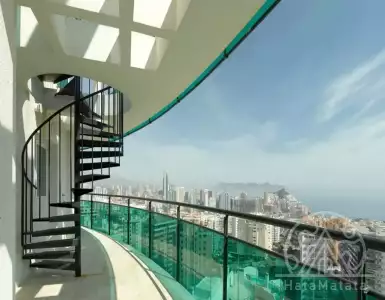
For sale Flat , Spain 212 831 $
📌 A few apartments for sale in Cala de Finestrat - a cozy place between Benidorm and Vieijahoyosa with a...
 !
!
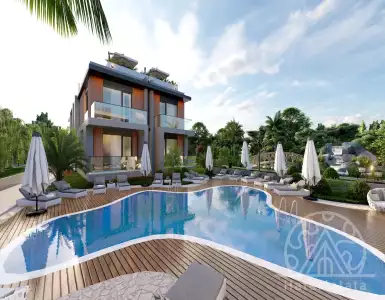
Flat for sale , Cyprus 127 442 $
The new residential complex is located in the foothills of Alsanjak. The complex consists of two two-storey buildings. Block A - 12...
For Sale Real Estate in Venice
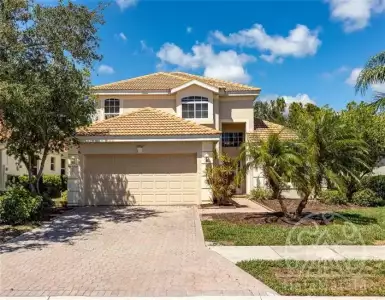
Houses in Venice


Flats in Venice
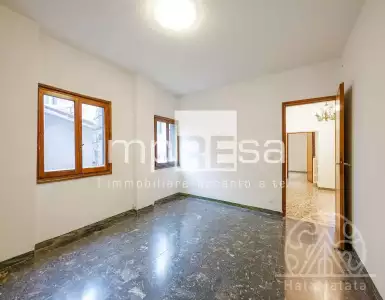
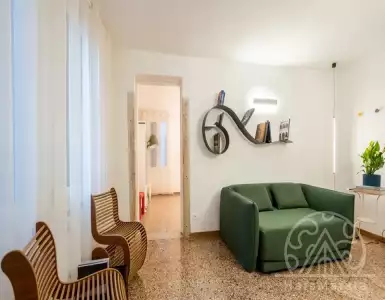
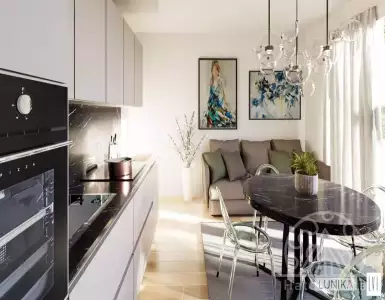
Do you want to buy real estate in Venice? We'll tell you where to start
Leave a request and we will select the 3 best options for your budget
International Real Estate Consultant
Didnt find the right facility?
Leave a request - we will handle the selection and send the best offers in a short period of time



Irina Nikolaeva
Sales Director, HataMatata
Selection real estate in Venice in 15 minutes
Leave a request and we will select the 3 best options for your budget
🇮🇹 Buy Real Estate in the Venice Region, Italy — Prices, Neighborhoods and Legal Steps
Venice sits where land, sea and history meet, and buying property here means investing in a unique, highly regulated urban fabric where canals replace streets and every restoration is measured against UNESCO protections. The market is compact: the historic islands, the Lido, Giudecca and the mainland boroughs of Mestre and Marghera together shape supply and demand. This guide walks through accessibility, infrastructure, prices, developers, financing, legal steps and investment scenarios so you can move confidently whether you are buying a family home, a seasonal pied-à-terre or a portfolio asset.
🗺️ Geography and climate of Venice — transport and infrastructure
Venice is an archipelago of islands in the Venetian Lagoon connected to the mainland by the Ponte della Libertà, a 4-kilometre road and rail link that brings cars and high-speed trains into Venice Santa Lucia station. The city has no private cars on the islands; primary public transport includes ACTV vaporetti (water buses), Alilaguna airport boats to Marco Polo, and the People Mover linking Tronchetto, Piazzale Roma and the port terminal. Marco Polo Airport (VCE) is 8–12 minutes from the lagoon edge by road and 20–40 minutes by water connections depending on route. Venice has a temperate maritime climate with mild winters and warm, humid summers. Flooding events (acqua alta) are seasonal and managed through the MOSE barrier system at the lagoon inlets, a major infrastructure investment that reduces extreme high-tide risk for the islands. MOSE is an operational tidal barrier system designed to protect Venice from tides exceeding 110 centimetres. Venice's infrastructure extends beyond transport. Education and research anchors include Ca' Foscari University (Dorsoduro) and the international campus on San Servolo (Venice International University). Health care for residents is served by Ospedale dell'Angelo in Mestre and local clinics on the islands; major hospital referral networks in the Veneto region are accessible within 30–60 minutes. Daily life benefits from supermarkets on the islands (Coop, Conad) and logistics hubs on the mainland for deliveries.
💶 Property prices in Venice and market dynamics
Venice property is a two-tier market: historic centre and canal-front palazzi command premium prices, while mainland areas provide affordability and rental demand. Typical price ranges by category are:
- Historic centre apartments (San Marco, Dorsoduro): €5,000–€12,000 per m² for standard units; Grand Canal palazzi often exceed €10,000–€20,000 per m² depending on state of restoration.
- Giudecca and Lido: €4,000–€8,000 per m², with waterfront or newly restored units at the upper end.
- Mestre and Marghera (mainland): €1,300–€2,800 per m², attractive for families and investors seeking yields.
- New build property in Venice: scarce on the islands; most new offers are restorations or conversions with prices aligned with historic centre levels. Market dynamics show limited supply on the islands due to conservation rules and high restoration costs, producing price resilience. Tourist flows create strong short-term rental demand in prime areas, though regulatory pressure on short lets has tightened. Mainland rental markets provide steadier yields and larger units for modern family living.
🎯 Best areas in Venice to buy property — districts and locations
San Marco remains the prestige district, centred on the square and water access with iconic addresses along the Grand Canal and near the Rialto Bridge. Properties in San Marco are highly sought after for luxury ownership and institutional buyers who value provenance and visibility. Expect very low vacancy and long restoration lead times. Dorsoduro offers a blend of university life (Ca' Foscari), cultural institutions (Ca' Rezzonico, Peggy Guggenheim Collection) and neighbourhood charm; typical buyers are academics, creatives and owners wanting proximity to museums and galleries. Smaller apartments of 40–80 m² are common and attract stable long-term rentals. Cannaregio and Castello provide local life and more frequent availability of 2–3 bedroom flats for families. Giudecca and the Lido are better for waterfront living and holiday homes; the Lido also hosts the Biennale film festival and beaches. Mestre is the mainland alternative offering modern apartments, larger sizes (80–150 m²) and lower entry prices for buyers focused on long-term rental yield or relocation.
🏗️ Developers and projects in Venice and nearby Mestre
Large-scale new-build construction inside the historic islands is extremely limited; most activity is adaptive re-use and restoration by specialist firms and conservation-led developers. National and international real estate groups active in the Veneto region include Generali Real Estate, COIMA, Hines Italy and Prelios, often partnering with local authorities on mixed-use regeneration. These groups sometimes take part in logistics, office and hospitality projects on the mainland and regeneration of Porto Marghera brownfields. Mestre sees more conventional development projects: cultural regeneration such as the M9 Museum and urban renewal programmes have repositioned parts of Mestre as viable alternatives for buyers. Porto Marghera regeneration schemes involve public-private partnerships aiming to convert industrial plots into mixed residential, logistics and business parks; these projects expand living and working space close to Venice without impacting the historic fabric. On the islands, notable restoration efforts are led by local specialist restorers and family-run ateliers working on palazzi, churches and apartment conversions. Buyers of new build property in Venice should expect restoration-led contracts, staged payments and involvement of heritage architects; developers commonly offer structured installment plans tied to restoration milestones.
💳 Mortgages and installment plans for property in Venice
Italian banks and international lenders provide mortgages to non-residents buying property in Venice, with typical LTV (loan-to-value) profiles of 60–70% for non-residents and up to 80% for residents or strong applicants. Down payments commonly range from 20% to 40% depending on borrower nationality, credit history and property type. Mortgage terms usually extend up to 25–30 years for principal residences and shorter for investment purchases. Interest rates vary with market conditions and borrower profile; borrowers can access fixed, variable and mixed-rate mortgages. Typical spreads for mortgages in Italy fall within 1.5%–4.5% depending on term and product, though exact offers should be discussed with lenders or mortgage brokers experienced in Italian mortgages for foreigners. Banks will require a Codice Fiscale and documentation of income, tax returns and, where relevant, a Nulla Osta for foreign buyers. Developers and sellers often offer installment plans—especially for off-plan restorations—where payments are staged: reservation deposit (caparra), progress payments, and final balance at rogito (notarial deed). It is common for reputable restoration developers to propose interest-free installment plans tied to construction milestones, reducing the immediate cash burden for buyers.
⚖️ Property purchase process in Venice — legal steps and taxes
The standard Italian purchase process applies in Venice: selection and reservation, preliminary contract (compromesso) with a deposit (usually 10%–20%), due diligence (title, cadastral checks), and the final public deed (rogito) signed before a notary. Buyers must obtain a Codice Fiscale and, for non-EU nationals, provide passport and proof of funds. The notary is neutral and registers title and mortgages with the land registry. Taxes depend on buyer status and property type: for resale purchases by private individuals using the property as a primary home, transfer tax can be a reduced percentage (e.g., 2% of cadastral value); for second homes and companies the VAT and registration tax regimes apply differently. New build acquisitions from developers often attract VAT at 4% (first home) or 10%/22% (second home or luxury) depending on classification. Annual property taxes (IMU, TASI) apply where relevant. Payment methods commonly used are bank transfers with escrow arrangements, staged developer payments, and the final notary-collected balance. Buyers should commission a professional survey (perizia) and ensure that any restoration complies with Soprintendenza (heritage authority) requirements, which can significantly alter timelines and budgets on the islands.
📝 Legal aspects, residence permits, and citizenship for property in Venice
Buying property in Italy does not automatically grant residency or citizenship. Residence permit routes include work permits, family reunification, elective residence for financially independent non-EU nationals, and the national Investor Visa (which requires capital investment in startups, Italian companies or government bonds rather than direct real estate purchases). Residence permit through property purchase in Venice is not an automatic entitlement. Non-EU buyers should plan separate immigration strategies if residency is a goal: registering residence for EU citizens is straightforward, while non-EU nationals typically require either a job, family tie, elective residency (proof of stable income and suitable housing) or one of the specific visa programmes. Citizenship by naturalisation requires prolonged residency (generally years of legal residence), language knowledge and fulfilment of statutory conditions; property ownership reduces no formal requirement in this pathway. Legal checks are essential: confirm clear title, absence of restrictive servitudes, compliance with heritage rules and correct cadastral classification (rendita catastale). Use a bilingual lawyer or notary with Venice experience to manage purchase contracts, dispute checks, and registration, and to explain implications for inheritance law, which in Italy is governed by forced heirship rules.
📈 Economy, tourism, and investment potential of Venice
Venice sits within the Veneto region, an economic powerhouse with a regional GDP of approximately €160–€170 billion and a per capita GDP above the national average (around €33,000–€35,000). The local economy blends tourism, maritime logistics, light manufacturing on the mainland, culture and higher education. Employment has a diversified base with strong SME activity across Veneto. Tourism remains a central driver: the Venice metropolitan area attracts approximately 15–25 million visitors annually depending on measurement and seasonal peaks; visitors support hotels, short-term rentals, restaurants and service economy. This tourism base drives seasonal rental income, but regulatory adjustments (municipal short-term rental registration, tourist tax, zoning for home sharing) require careful planning for yield forecasts. Investment potential differs by strategy: prime historic assets offer long-term capital preservation and prestige; mainland apartments offer higher gross yields (often 4–6% gross) and lower entry prices; niche opportunities exist in hospitality conversions, student housing near Ca' Foscari, and logistics/warehousing in Mestre and Porto Marghera. Risk factors include conservation constraints, maintenance costs for historic buildings and tourism regulation.
💡 Buyer scenarios and investment strategies for property in Venice
Buyers seeking a primary residence in Venice should prioritise walkable access to services and transport hubs: San Polo, Castello and Dorsoduro offer day-to-day practicality while conserving historic character. Families often choose island-edge neighbourhoods or mainland Mestre for larger floorplans and schools. Rental scenarios for long-term tenants work well in Cannaregio and Mestre where resident demand is steady. Investors focused on short-term tourist rental income must consider regulatory risk and management complexity: prime canal-side apartments near Rialto and San Marco can command strong nightly rates, but occupancy is seasonal and authorities have tightened short-term rules. For balanced cashflow, consider long-term rentals in Mestre (higher yields, lower management burden) or boutique hospitality projects under redevelopment agreements. Luxury buyers aiming at trophy assets benefit from canal palazzi and large restored apartments on the Grand Canal or Giudecca waterfront; maintenance and heritage insurance are major cost lines but the market for premium buyers is global and resilient. Remote workers and second-home buyers can combine seasonal living on the Lido or Giudecca with mainland convenience in Mestre, using regional transport connections and digital services for work.
Buying property in Venice demands specialised advice: work with a local real estate agent familiar with the islands and mainland, engage a notary and lawyer experienced in heritage law and cross-border transactions, and factor in restoration budgets and long-term maintenance. If you are evaluating property for sale in Venice, whether a secondary market property in Venice or a rare new build property in Venice, align financing — including mortgage in Italy for foreigners or developer installment plan options — with your investment horizon and immigration strategy. The right property can provide a unique lifestyle and a durable investment in a city where scarcity, culture and connectivity converge.
Frequently Asked Questions
Prices vary by location: historic islands $5,000–12,000/sqm (€4k–10k/sqm); Lido $3,000–6,000/sqm; mainland Mestre $1,200–2,500/sqm. Small studio in the centre often $150k–$400k; larger canal-front apartments commonly $500k+. Expect premiums for waterfront, heritage-listed buildings.
Yes. Non-resident foreigners (EU and most non-EU) can buy full ownership in Italy. You need an Italian tax code (codice fiscale), notarised deed, land registry entry and usually an Italian bank account. Some restrictions apply for agricultural land or in rare reciprocity cases for non-EU nationals.
Gross yields depend on use: long-term rentals typically 3%–5% gross; short-term/tourist rentals can reach 5%–8% gross but have seasonality, higher costs and local limits. Net yields lower after taxes, fees and management. Liquidity: historic, well-located units sell easier; niche tourist units can be slower to resell.
Yes, with caveats. Healthcare accessible via local hospitals and clinics; primary and international schools available but limited on islands—many families choose Mestre for schools. No cars on main islands; daily life relies on vaporetto, walking and ferries. Consider mobility needs, groceries and childcare availability near your chosen neighbourhood.
Viable: mainland and many parts of Venice have 4G/5G and fibre offering 50–200+ Mbps; some island spots are slower. Co-working and cafés exist but fewer on small islands. Short-stay visa limits apply (90 days); for long stays consider residency permits. Lifestyle is calm but expect higher living costs and transport time.
Property purchase alone does not automatically grant residency or investor visas. Italy’s investor visa options require investments like €500k (~$540k) in an Italian company, €1M (~$1.08M) in government bonds or €250k (~$270k) philanthropic gifts. Residency can be obtained through work, family or elective residency with proof of stable income.
Typical costs: registration tax 2% for primary home (cadastral basis) or 9% for other resale purchases; VAT 22% on many new builds. Notary fees ~1%–2%, agent fees 2%–3%. Overall transaction costs often 6%–12% of price. Annual taxes (IMU) vary 0.4%–1% of cadastral value. Rental income taxed under progressive rates or optional flat cedolare secca (~21%, sometimes 10%).
Yes. Many buildings are protected; works often require permits from local cultural authorities (soprintendenza). Renovation costs are higher for historic fabric: expect ~$800–3,000/sqm for structural or restoration work, $250–1,500/sqm for ordinary updates. Permits and approvals can add 1–6 months to timelines.
Flooding (acqua alta) is a real risk in low-lying areas. Ground-floor units are most exposed. Mitigation (raised electrics, barriers) can cost $5k–$30k. Insurance availability and premiums vary; flood cover can add ~$300–$2,000+/yr depending on exposure. Check elevation, past flooding records and municipal protections before buying.
From offer to deed typically 30–120 days. Mortgage approvals add 30–90 days. Steps: preliminary offer and deposit, due diligence, notary deed and land registry. Heritage checks, mortgage processing or obtaining permits can extend timelines—budget 2–4 months for a straightforward purchase, longer for complex cases.
Property by cities
Properties by Region
- Real estate in Tuscany (418)
- Real estate in Lombardy (372)
- Real estate in Umbria (323)
- Real estate in Lazio (210)
- Real estate in Liguria (133)
Properties by Country
- Real estate in Bulgaria (11408)
- Real estate in Montenegro (5367)
- Real estate in Indonesia (2423)
- Real estate in Spain (2289)
- Real estate in Portugal (1975)
- Real estate in Italy (1893)
- Real estate in Turkey (1699)
- Real estate in Cyprus (1588)
- Real estate in Thailand (1565)
- Real estate in Croatia (1431)
- Real estate in Greece (1080)
- Real estate in USA (1013)
- Real estate in France (1006)
- Real estate in Georgia (519)
- Real estate in Serbia (328)
- Real estate in Slovenia (123)
- Real estate in Egypt (23)
Free real estate consultation in Venice
Don't know which area to choose in Venice? We will tell you in which areas it is better to live or invest, and show you the appropriate options.

Maria Guven
Head of Direct Sales Department
+90-507-705-8082