


Real Estate in Veneto
Do you want to buy real estate in Veneto? We'll tell you where to start

Liliya
International Real Estate Consultant
Need help choosing a property?
Leave a request and our manager will contact you.
International Real Estate Consultant
Real Estate in Veneto
Do you want to buy real estate in Veneto? We'll tell you where to start
Liliya
International Real Estate Consultant
Need help choosing a property?
Leave a request and our manager will contact you.
International Real Estate Consultant
Selection real estate in Veneto in 15 minutes
Leave a request and we will select the 3 best options for your budget
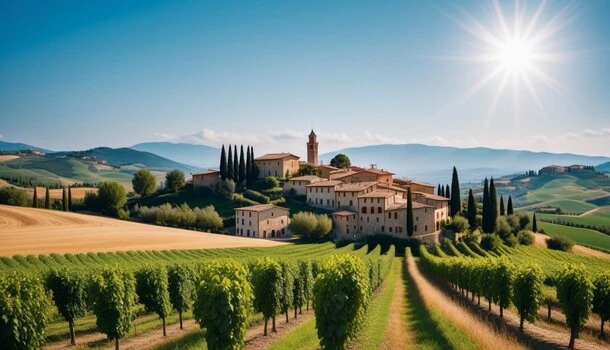
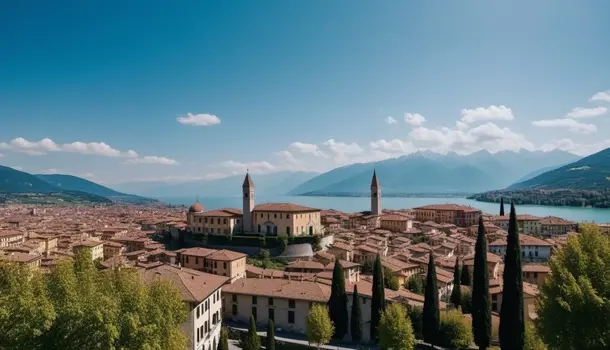
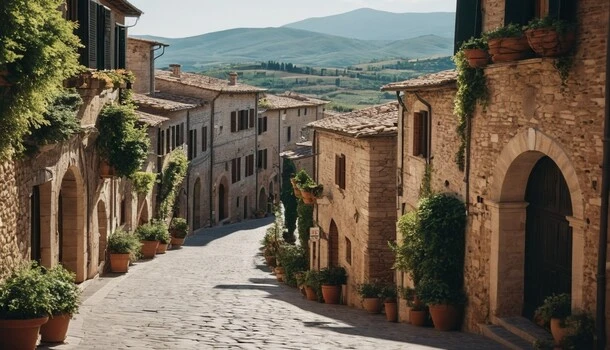
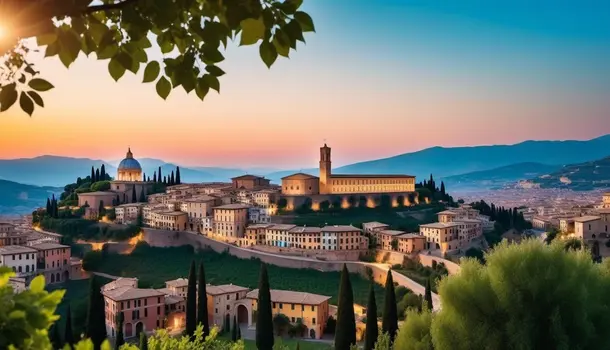
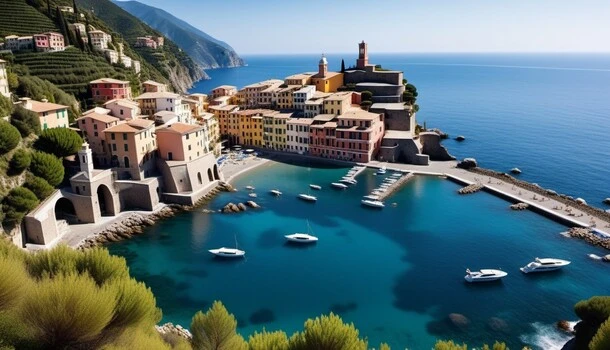
Weather in Veneto
 !
!
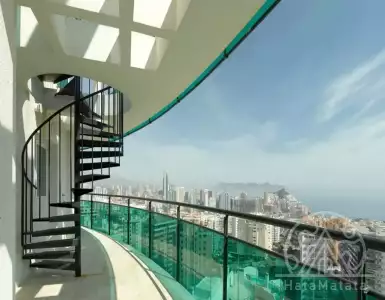
For sale Flat , Spain 212 831 $
📌 A few apartments for sale in Cala de Finestrat - a cozy place between Benidorm and Vieijahoyosa with a...
 !
!
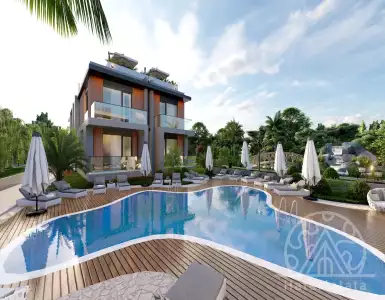
Flat for sale , Cyprus 127 442 $
The new residential complex is located in the foothills of Alsanjak. The complex consists of two two-storey buildings. Block A - 12...
For Sale Real Estate in Veneto
Castles in Padova



Didnt find the right facility?
Leave a request - we will handle the selection and send the best offers in a short period of time



Irina Nikolaeva
Sales Director, HataMatata
Selection real estate in Veneto in 15 minutes
Leave a request and we will select the 3 best options for your budget
🇮🇹 Buying property in Veneto, Italy: prices, major towns, legal steps and taxes
Veneto sits between the Dolomites and the Adriatic, a region where canals, lakes and industrial districts coexist with vineyards and artisan ateliers. The combination of historic cities—Venice, Verona, Padua, Vicenza and Treviso—plus Lake Garda and coastal towns makes property in Veneto attractive for families, seasonal buyers and international investors seeking diversification, stable rental demand and tourism-driven yields. This text explains geography, market metrics, prices, legal steps and financing so you can assess real estate in Veneto with practical clarity.
🌤️ Veneto geography, climate and transport accessibility
Veneto covers mountains, plains and coastline with an overall population of about 4.9 million and a GDP per capita among Italy’s highest regions, supported by a dense transport network. The A4 motorway (Turin–Trieste) and A13 (Bologna–Padua) cross the plain connecting Venice, Verona, Padua and Vicenza with Milan, Bologna and Trieste. High-speed rail links place Venice Santa Lucia and Verona Porta Nuova within 1 to 1.5 hours of Milan and under 2.5 hours of Rome by Frecciarossa/Italo services.
Veneto’s climate is continental on the plain (hot summers, foggy winters), alpine in the Dolomites and Mediterranean along the coast and Lake Garda, making the region year-round livable and attractive for second homes. Venice lagoon areas have tidal management (MOSE project) and urban drainage improvements that affect waterfront redevelopment and insurance regimes.
Veneto’s infrastructure includes major airports—Marco Polo (Venice), Catullo (Verona) and Treviso airport (low-cost carriers)—and well-developed port and logistics hubs at Venice–Porto Marghera and Verona freight terminal, facilitating both tourism and exporters. Public services include universities in Padua (one of Europe’s oldest), Verona, Venice Ca’ Foscari with research centres, and healthcare networks with large hospitals such as Ospedale Civile di Venezia and Ospedale Civile Maggiore di Verona.
💶 Veneto economy and real estate investment potential
Veneto is an export-driven economy with strong small- and medium-sized enterprise clusters in footwear, furniture, machinery and wine, delivering a regional GDP in the range of €150–170 billion and industrial exports often exceeding €60 billion annually. This industrial base supports steady housing demand from local workers and managers.
Tourism is a structural pillar: Venice city and the Dolomites attract millions of visitors annually, while Lake Garda towns such as Desenzano del Garda and Sirmione generate high seasonal occupancy. Urban tourism and business travel around Verona (opera at the Arena) and Padua (university and biomedical sectors) produce year-round short-stay demand, underpinning rental yields in central locations.
Labour markets are relatively tight compared with national averages, with unemployment rates typically lower than Italian average—often around 4–6%—which keeps rental occupancy strong and reduces downside vacancy risk for buy-to-let investors in key cities.
💶 Property prices in Veneto
Veneto offers a wide price spectrum depending on city, district and property type, with clear differences between historic centres, commuter towns and lake/coastal resorts. Prices vary from affordable provincial towns to premium lakefront and Venice centro storico.
- Venice historic centre: €4,000–€8,500/m² (premium palazzi and canal-front units exceed this range)
- Mestre and mainland Venice: €1,800–€3,200/m² for apartments close to rail and motorway links
- Verona city centre and historic ring: €2,500–€5,000/m²; peripheral suburbs €1,500–€2,500/m²
- Padua central areas: €2,200–€4,000/m²; university districts command stable long-term rentals
- Vicenza and industrial belt: €1,800–€3,800/m² depending on proximity to business parks
- Treviso city and province: €1,700–€3,200/m² with strong family buyer demand
- Lake Garda (Desenzano, Sirmione, Lazise): €3,000–€6,500/m² for waterfront and tourist properties
New build property in Veneto typically sells at €2,800–€6,000/m² in premium segments, while secondary market property in provincial towns can be below €1,500/m². Rental yields generally range 3–5% gross in university and business cities and 4–7% gross in tourist-focused short-let areas.
🎯 Best areas in Veneto to buy property
Venice and the lagoon are unique for prestige buyers and short-term tourist rentals, but the market is seasonal and regulated; Mestre offers lower entry prices with commuter convenience. Verona is particularly strong for long-term rental and capital appreciation due to tourism and commerce.
Padua is a reliable option for families and student rental markets because of its university (over 60,000 students across institutions in the province) and healthcare sector; areas like Prato della Valle and the historic centre command premiums. Vicenza and the Bassano del Grappa corridor suit buyers seeking proximity to manufacturing clusters and higher rental stability.
Lake Garda towns (Desenzano del Garda, Sirmione, Riva del Garda) are ideal for premium holiday homes and short-let investments; northern Veneto mountain towns (Cortina d’Ampezzo) represent high-end alpine purchases with seasonal yields and significant prestige value.
🏗️ Developers and new build projects in Veneto
Veneto modern development comes from a mix of national groups and solid local contractors active in residential and redevelopment projects. National and international firms such as Prelios, DeA Capital Real Estate and Pizzarotti have development and investment activities in the region alongside well-known local builders like Rossetto Costruzioni and Impresa Zanardo.
Major urban regeneration projects include Porto Marghera redevelopment phases around Mestre and Venice mainland, mixed-use conversions near Venice Mestre railway and logistics-driven projects around Verona Porta Nuova and the Verona–Bologna corridor. Cultural-led regeneration such as the M9 museum area in Mestre has spurred adjacent residential refurbishments and micro-market appreciation.
Buyers looking for new build property in Veneto can find:
- Developer-offered turnkey apartments with energy class A and smart-home features in Padua and Vicenza
- Luxury lakefront residences in Desenzano and Sirmione with private moorings and concierge services
- Conversion projects in Venice with tight heritage controls and premium pricing for restored palazzi
🏦 Mortgage and installment plan options in Veneto
Italian banks routinely finance foreign buyers subject to documentation; mortgage in Italy for foreigners is available with typical LTVs of 60–70% for non-residents and up to 80% for resident borrowers, depending on bank policy, borrower profile and property type. Typical mortgage durations run 10–30 years with fixed or variable rates; indicative rates commonly range from around 2.5% to 5% depending on term and borrower risk.
Down payment expectations usually fall between 20–40% for foreign purchasers, with banks requiring proof of income, tax returns, bank statements and often a local address or solicitor to manage paperwork. Developers frequently offer interest-free installment plans for new builds (progress payments during construction, final payment at notary) which can be combined with a mortgage reserved for the final tranche.
Buyers should budget for additional financing costs:
- Notary and registration fees usually 1–2% of transaction value or fixed scales
- Mortgage setup fees and appraisal costs €500–€2,000 depending on lender
- Real estate agent commissions typically 2–3% plus VAT per party in private transactions
📝 Property purchase process in Veneto
The purchase flow follows a standard Italian sequence designed to protect buyer and seller: the non-binding proposal (proposta d’acquisto) or reservation with a small deposit, then the preliminary contract (compromesso) with a binding deposit usually 10–20%, followed by due diligence and the final public deed (rogito) before a notary.
Buyers should order technical and legal checks: cadastral and land-registry (visura catastale), building permits (concessione edilizia) and energy performance certificate (APE). A lawyer or notary can verify if the property is subject to vincoli (heritage restrictions) or condominium debts which could affect purchase.
Payment methods typically include bank transfers and blocked escrow accounts for developer projects; cash purchases are permissible but large cash amounts are traced under anti-money-laundering rules. Agents and notaries will require identification, tax code (codice fiscale) and, for non-residents, certified translations of documents when needed.
⚖️ Legal aspects, residence permit and citizenship in Veneto
Purchasing real estate in Veneto does not automatically grant a residence permit or citizenship. Italy does not offer a standard golden visa purely for property buyers; residency must be sought through established routes such as employment, family reunification, elective residency (for financially independent non-EU citizens) or the investor visa which requires qualifying investments distinct from ordinary property purchase.
Elective residence visa applicants can demonstrate accommodation by property ownership combined with documented stable income from pensions, business or investments; successful applicants receive a residency permit to live in Italy but not citizenship. Citizenship by real estate investment in Veneto is not a direct path; citizenship requires residency, language tests and compliance with naturalisation timelines.
Legal ownership options include individual ownership, co-ownership, usufruct and company ownership (SRL) which can be tax-efficient for certain non-resident investors. Buyers should consult an Italian lawyer and tax advisor for implications including IMU, TASI, income tax on rental earnings and capital gains rules applicable to property sales.
🔍 Buyer scenarios and investment advantages for property in Veneto
Veneto suits a range of buyers: families seeking good schools and healthcare in Padua and Treviso; professionals commuting to Venice or Verona; investors targeting tourist short-lets around Lake Garda and Venice; and industrial investors seeking accommodation for workers near Vicenza and Treviso.
Typical scenarios with recommended property types:
- Living/relocation: family apartments near Padua (2–4 bedrooms) close to schools and hospitals in neighborhoods like Voltabarozzo and Guizza
- Rental income long-term: one- and two-bedroom apartments in Padua university districts and Verona historic centre with yields 3–5% gross
- Short-term/holiday rental: lakefront units in Desenzano and Sirmione and Venice centro storico with seasonal gross yields 4–7% depending on management and regulation
- New build investment: suburban energy-class A developments in Mestre and Vicenza offering modern amenities and lower maintenance risk
Investors should balance yield with regulatory risks; Venice imposes restrictions on short-term rentals in some historic areas while cities like Padua and Treviso maintain steady long-term demand. Property held as a second home in Veneto can also serve as a family asset for seasonal living and future relocation for children attending regional universities.
Buying involves choices around financing, taxation and use-case; developers and local agents often tailor payment plans and offer management services that improve rental operations or resale value. Whether you want a pied-à-terre in Venice, a family home near Padua or a Lake Garda investment, Veneto’s market combines cultural prestige with industrial stability and diversified demand.
Veneto’s mix of cities, lakes and mountains creates a real estate market where location choices translate into clear price brackets, yield expectations and legal steps. If you want, I can prepare a targeted shortlist of properties by budget and buyer scenario, detail expected running costs and tax examples, or outline a step-by-step checklist for an international buyer pursuing property in Veneto.
Frequently Asked Questions
Veneto prices vary by city: city-centre flats $2,200–$6,500/m² (€2,000–€6,000), mid-size provincial towns $1,100–$2,800/m² (€1,000–€2,500), rural homes and villas $800–$1,600/m² (€700–€1,500). Prime lagoon or historic Venice locations can exceed $7,000/m² (€6,500+). Expect higher prices for renovated, central or tourist-facing properties.
Yes. EU and most non-EU buyers can purchase in Veneto. Required: Italian tax code (codice fiscale), ID, Italian bank account for payments, and a notary to register the deed. Some non-EU nationals face reciprocity checks but purchases are generally allowed. Mortgages available for non-residents often at lower LTV (≈60–70%).
Veneto shows diverse investment profiles: strong tourist demand in Venice and coastal towns, steady demand in Padua/Verona for long-term rentals. Typical gross yields: long-term 3–6%, short-term 4–8% (highly variable). Liquidity is high in major cities, slower in rural areas; match location to rental strategy for best returns.
Typical costs: registration tax on resale ~2% (primary) or ~9% (secondary) of cadastral value; VAT on new-builds varies (cases 4%/10%/22%); notary fees ~1–2.5% of price; agent fees ~2–3% each side possible. Annual costs: IMU (property tax) and TARI (waste). Closing timeline often 4–12 weeks from reservation to deed.
Veneto offers good healthcare (regional hospitals in Padua, Verona, Venice), public primary/secondary schools (free) and some international schools in larger cities. Public transport: regional trains, buses; major airports nearby (Venice, Verona, Treviso). Family life benefits from parks, markets and local services; suburban commuting by car is common.
Yes in many areas. Urban centers have fiber and reliable 4G/5G; coworking spaces and cafés with Wi‑Fi in Padua, Verona, Treviso and Venice hinterland. Monthly rentals and long-stay options common. Cost of living moderate; good cultural life and transport links. Check visa rules for non-EU remote workers before moving.
No—property alone does not automatically grant residency or citizenship. Options: elective residence visa for financially independent applicants, or an investor visa requiring large investments (examples: €500k (~$550k) in an Italian company or €2M (~$2.2M) in government bonds). Citizenship by naturalization typically requires long-term residency (about 10 years for non-EU).
Historic centres have strict heritage rules; permits (permesso di costruire or SCIA) are required for major works. Seismic upgrades and energy retrofits need specific approvals. Tax incentives like energy and seismic credits may apply but with documentation and timelines. Expect permit processing from weeks to several months depending on scope.
Key risks: flood/subsidence in the Venice lagoon, seismic risk in parts of the region, tourist saturation affecting livability and rental regulation, unregistered alterations, unclear cadastral entries and energy-class issues. Always commission structural and legal due diligence through a notary and qualified surveyor before purchase.
Short-term rentals are allowed but regulated. Many municipalities require registration, safety certificates, and collection of a tourist tax; some condo rules or local bylaws can restrict short lets. Licensing and reporting obligations vary by town—returns are strongest in Venice/coastal towns but ensure local permits and insurance before operating.
Properties by Region
- Real estate in Tuscany (418)
- Real estate in Lombardy (372)
- Real estate in Umbria (323)
- Real estate in Lazio (210)
- Real estate in Liguria (133)
Properties by Country
- Real estate in Bulgaria (11408)
- Real estate in Montenegro (5367)
- Real estate in Indonesia (2423)
- Real estate in Spain (2289)
- Real estate in Portugal (1975)
- Real estate in Italy (1893)
- Real estate in Turkey (1699)
- Real estate in Cyprus (1588)
- Real estate in Thailand (1565)
- Real estate in Croatia (1431)
- Real estate in Greece (1080)
- Real estate in USA (1013)
- Real estate in France (1006)
- Real estate in Georgia (519)
- Real estate in Serbia (328)
- Real estate in Slovenia (123)
- Real estate in Egypt (23)
Free real estate consultation in Veneto
Don't know which area to choose in Veneto? We will tell you in which areas it is better to live or invest, and show you the appropriate options.

Maria Guven
Head of Direct Sales Department
+90-507-705-8082