


Land in Montenegro


- 🔸 Reliable new buildings and ready-made apartments
- 🔸 Without commissions and intermediaries
- 🔸 Online display and remote transaction

International Real Estate Consultant
Leave a request and our manager will contact you.
International Real Estate Consultant

Weather in Montenegro
For Sale land in Montenegro
Lands in Cetinje

 1
1
 10261
10261
 1
1
 1
1
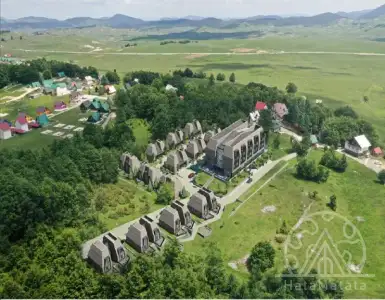
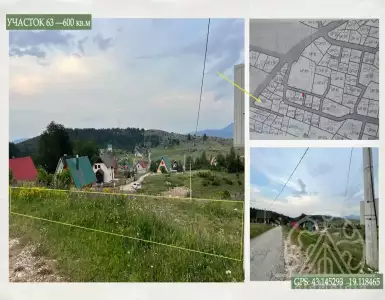
Lands in Zabljak
 1
10
1
10
 10261
10261
 4
600
4
600
Choosing a property in Montenegro for your request
- 🔸 Reliable new buildings and ready-made apartments
- 🔸 Without commissions and intermediaries
- 🔸 Online display and remote transaction
International Real Estate Consultant
Lands in Herceg-Novi
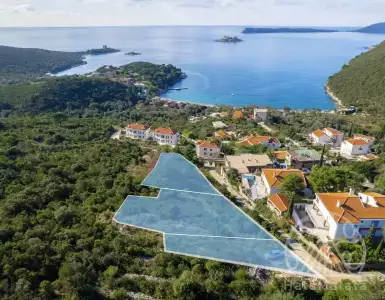
Lands in Ulcinj
Lands in Danilovgrad
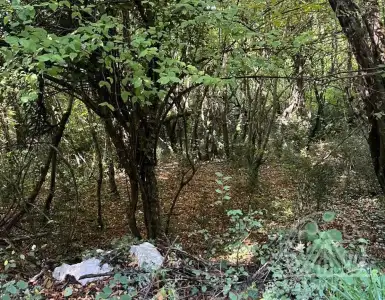 1
1
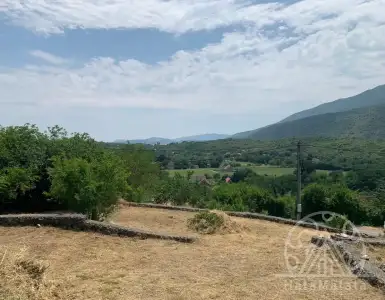 1
1
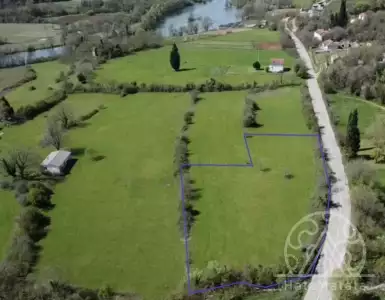 1
1
Lands in Kolasin
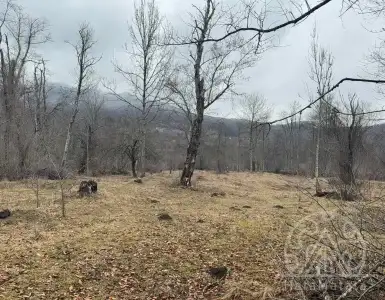
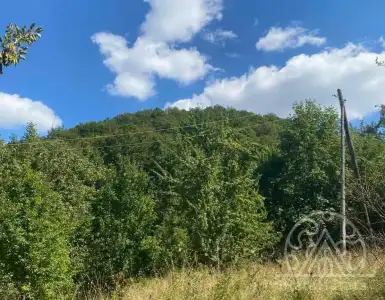
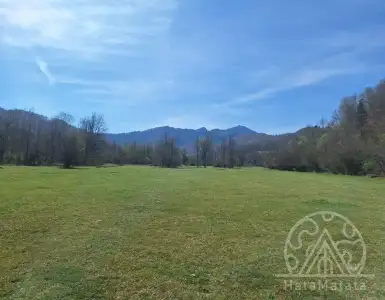
Lands in Bar
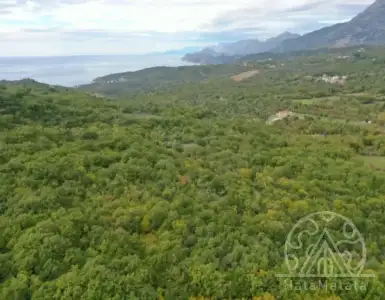
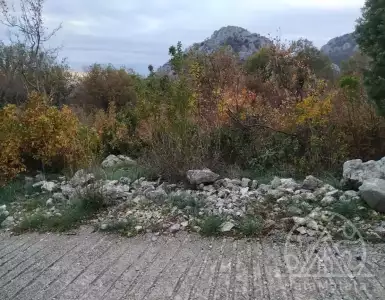
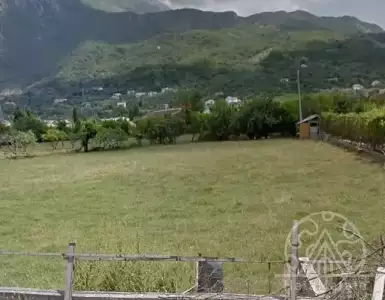
Lands in Kotor
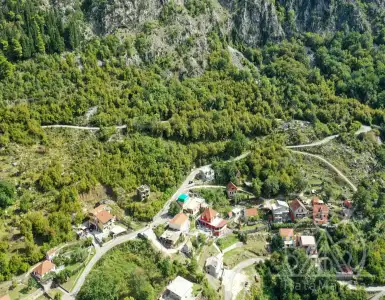

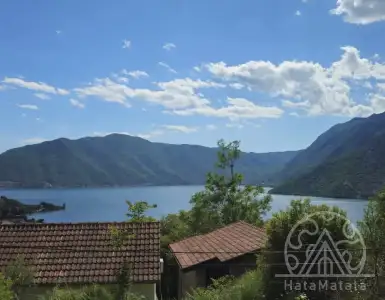
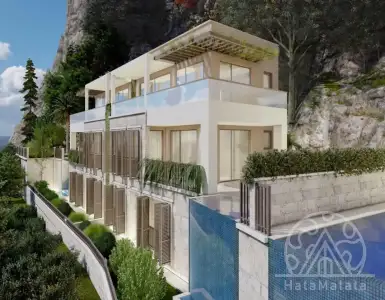
Lands in Herceg Novi
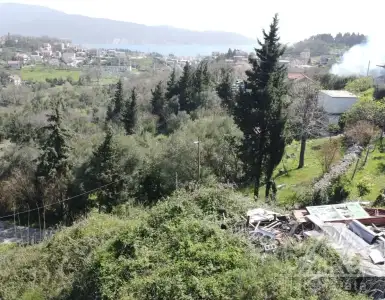 1
1
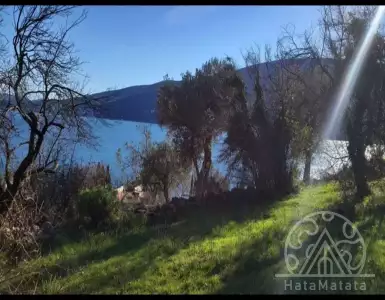 1
1
 1
1
Lands in Podgorica
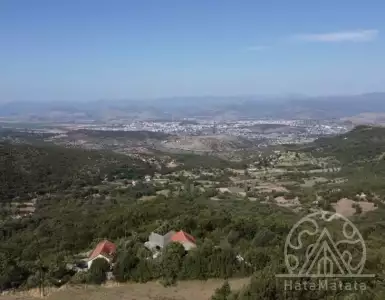 1
1
 1
1
 1
1
Land in Montenegro
- 🔸 Reliable new buildings and ready-made apartments
- 🔸 Without commissions and intermediaries
- 🔸 Online display and remote transaction
International Real Estate Consultant
Leave a request and our manager will contact you.
International Real Estate Consultant
Individual selection lands in Montenegro
Save time — for free we will select objects for your budget and goals
🇲🇪 Montenegro land ownership: legal requirements, zoning and foreign buyer considerations
Montenegro is a compact, diverse market where Adriatic coastline, karst mountains and improving infrastructure meet a favorable regulatory environment for foreign buyers. The country’s compact size means Tivat, Kotor, Budva, Herceg Novi, Podgorica and Bar sit within short travel times of each other, creating concentrated demand for land parcels with sea views or good highway access. Buyers should weigh geography, microclimate, connection to airports and ports, and local planning rules when evaluating offers to buy land in Montenegro.
🌄 Factors shaping demand for land in Montenegro
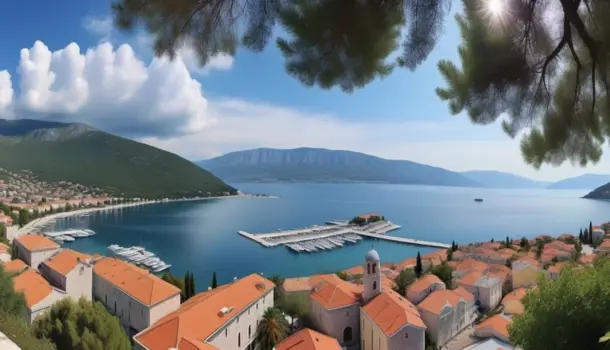
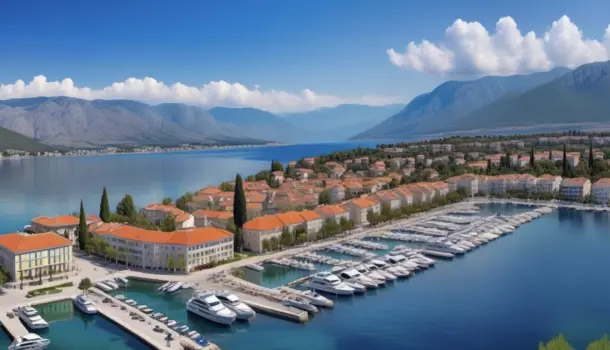
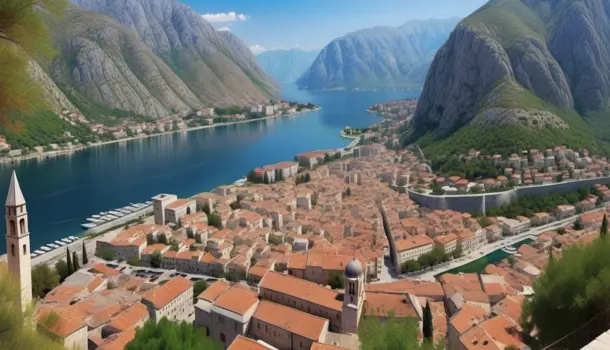
Montenegro’s coastline along the Adriatic concentrates international interest: Kotor Bay (UNESCO-listed), Budva Riviera and Tivat are magnets for luxury and holiday development because of sheltered marinas, historic towns and a compact urban fabric that supports high-value plots. Coastal plots with direct sea views and utility connections command the highest premiums and the fastest resale liquidity.
Mountain and inland zones such as Žabljak, Durmitor and Nikšić attract different buyers: those seeking rural projects, eco-tourism developments or agricultural investments that benefit from lower acquisition costs and relaxed building density rules.
Transport nodes and infrastructure define micro-markets: Tivat Airport and Podgorica Airport, the Adriatic Highway (E65/E80) and the Belgrade–Bar railway influence where development land appreciates fastest. Municipal water, sewer and road access dramatically increase a parcel’s immediate development value.
- Key influencing factors: access to airport, proximity to marinas, cadastral status, building permits, utilities
- Sought locations: Tivat, Kotor, Budva, Herceg Novi, Ulcinj, Podgorica
- Typical buyer drivers: vacation rental potential, long-term capital appreciation, agricultural use, master-planned resort development
📈 How Montenegro’s economy affects Land in Montenegro
Montenegro’s economy is service-oriented with a large tourism sector that drives demand for coastal land parcels and mixed-use development plots; tourism frequently accounts for a substantial share of GDP and seasonal inflows create strong short-term rental markets. Economic openness, a low corporate tax headline and government incentives for foreign investment support demand for investment land in Montenegro.
Macroeconomic stability and a small domestic market mean liquidity for large plots often depends on foreign buyers and developer mandates; this concentrates price movement in prime coastal micro-markets rather than across the whole country.
Fiscal regime and operating costs shape ROI on land in Montenegro: competitive corporate taxation (single-digit corporate tax levels) and a standard VAT regime influence development feasibility; municipal property tax and transfer costs are local variables that impact holding costs and net returns.
- Economic drivers: tourism flows, foreign direct investment, infrastructure projects
- Liquidity factors: foreign buyer activity, developer pipelines, planning approvals
- Tax environment highlights: competitive corporate tax, standard VAT, municipal property tax variability
💶 How much Land costs in Montenegro
Land prices vary sharply by location, plot type and development readiness. Coastal prime, sea-view and marina-adjacent plots are the most expensive; inland agricultural plots are the most affordable. Below are representative price ranges in US dollars for land transactions:
-
Coastal prime plots (Tivat, Kotor, Budva): $500–2,500 per m²; example: a 1,000 m² sea-view building plot in Tivat typically trades between $500,000 and $2,500,000.
-
Secondary coastal parcels and suburban plots (Herceg Novi, Bar outskirts): $150–600 per m².
-
Podgorica urban and peri-urban plots for residential/commercial development: $40–300 per m² depending on zoning and utilities.
-
Inland agricultural and forest land (Nikšić, Žabljak, northern regions): $0.5–10 per m² or $5,000–100,000 per hectare depending on access and irrigation.
-
Large development land (hectares near marinas or highways): $500,000–5,000,000+ per hectare depending on permitted density and infrastructure.
-
Property formats and typical sizes: small urban plots 300–1,500 m², coastal villa plots 800–5,000 m², resort development tracts 1–50+ hectares.
-
Market dynamics: premium coastal inventory is tight; inland supply is ample but requires rezoning in many cases.
-
Demand trends: foreign buyers drive premium coastal prices; domestic developers absorb mid-market urban plots.
🎯 Which region of Montenegro to choose for buying land in Montenegro
The Boka Bay area (Tivat, Kotor, Herceg Novi) is ideal for high-net-worth buyers targeting marina-linked developments and luxury villas due to Porto Montenegro (Tivat) and high-demand mooring infrastructure. Rental occupancy is strong in summer months and resale liquidity is high for properly permitted plots.
Budva Riviera is the busiest tourist belt with dense short‑stay rental demand and nightlife-driven appeal; plots here suit hospitality and multi-unit residential projects but face stricter planning and higher acquisition costs.
Podgorica and central Montenegro suit buyers seeking affordability, logistical access to the hinterland and opportunities in light industrial or suburban residential development; road links to the coast and Belgrade–Bar rail make these parcels attractive for long-term land banking.
- Popular coastal hotspots: Tivat (Porto Montenegro), Kotor, Budva, Herceg Novi, Ulcinj
- Inland and northern choices: Podgorica, Nikšić, Žabljak, Plužine
- Infrastructure anchors: Tivat Airport, Podgorica Airport, Bar Port, Adriatic Highway, Belgrade–Bar railway
🏗️ Major developers and projects selling Land in Montenegro
A small number of high-profile projects dominate premium land offerings. Porto Montenegro in Tivat is a benchmark for marina-front parcels and high-service urban lots; land here rarely appears on the open market and commands top prices. Luštica Bay (Luštica Development) provides phased residential plots within a master-planned resort context where purchasers can buy plots with infrastructure and staged construction programs. Portonovi (developed with Eagle Hills and resort partners including One&Only) transformed a Herceg Novi waterfront and offered development plots integrated with luxury resort amenity planning. Mamula Island redevelopment concepts have also attracted investor attention for unique island parcels and adaptive reuse.
Developers often sell land with utilities and planning guarantees or offer serviced plots inside gated masterplans, which reduces entitlement risk for buyers focused on immediate development.
Project-specific characteristics and developer reputation matter: bankable delivery history, existing sales records, and utility commitments materially reduce execution risk and affect pricing.
- Leading names and projects: Porto Montenegro, Luštica Bay (Luštica Development), Portonovi (Eagle Hills / One&Only), Mamula Island
- Developer offerings: serviced residential plots, hotel-ready parcels, mixed-use tracts
- Buyer benefits: reduced entitlement risk, staged payments, turnkey project options
🏦 Mortgage Montenegro for foreigners and installment options for land in Montenegro
Foreign buyers can access financing but terms are more conservative than for residents; typical bank LTV for land and non-resident mortgages is 30–60%, with lenders focusing on creditworthiness, loan-to-value on completed projects and legality of the parcel. Interest rates from local banks generally range from 3% to 6% depending on currency, borrower profile and term; maximum amortization for mortgages often reaches 20–25 years for residential loans but is shorter for raw land.
Banks operating in Montenegro that handle foreign mortgage requests include NLB Banka, Erste Bank (local presence), and domestic lenders that require a full document package: passport, proof of income, tax identification, property valuation and proof of funds for down payment. Developer installment plans are common for plots inside masterplans: staged payments with 20–40% down and staged balance over 12–60 months tied to construction milestones.
Buyers should account for currency risk (euro-denominated loans are common), arrangement fees, mandatory property valuation and possible mortgage registration costs.
- Typical conditions: down payment 30–40% for foreigners, interest 3–6%, terms up to 20–25 years
- Banks and lenders: NLB, Erste (local entities), local Montenegrin banks
- Developer plans: staged payments, deferred final payment on permit, escrow arrangements
⚖️ Legal process to buy land in Montenegro and land purchase costs in Montenegro
The Legal process to buy land in Montenegro follows clear stages: due diligence, reservation/pre‑contract, notary-reviewed purchase contract, payment, cadastral transfer and registration at the Central Register of Real Estate. Due diligence verifies ownership, encumbrances, zoning, building permits, utility rights and cadastral boundaries; a detailed title search and land survey are mandatory before committing funds.
Buyers should budget for land purchase costs in Montenegro beyond the purchase price: transfer tax or VAT as applicable, notary fees, cadastral registration fees, legal fees and agent commission. Typical transactional overhead ranges from 2%–5% of the purchase price depending on the municipality and whether VAT applies to the sale. Timelines from initial offer to registered ownership commonly span 4–12 weeks for clean, serviced plots; longer periods occur when rezoning or getting building permits is required.
A notary public formalizes the sale contract and the buyer registers ownership at the real estate cadastre; until registration, legal protection is weaker, so escrow or staged payments with contractual protections are advisable.
- Key steps: title search, zoning check, pre-contract deposit, notary contract, registration
- Typical transaction costs: 2%–5% of price (transfer/registration/notary/legal)
- Timelines: 4–12 weeks for registered plots; longer for parcels requiring rezoning or permit acquisition
🧾 Property taxes in Montenegro for foreigners and legal ownership rules
Property taxes in Montenegro for foreigners are municipal and vary by locality; typical annual property tax rates commonly fall in a band that municipalities set and are often expressed as a small percentage of assessed cadastral value (commonly 0.2%–1.0%). Rental income is taxable under national income rules; corporate and personal tax headlines are competitive relative to many European peers.
Foreign nationals can generally buy land as a foreigner in Montenegro, though agricultural land purchases sometimes require additional approvals or a local company structure for non‑EU buyers; restrictions and procedural requirements differ by plot type and municipality. Buying land does not automatically grant a Residence permit through land investment in Montenegro or guarantee citizenship; temporary residence is available under certain investment thresholds and immigration rules, while Golden visa through land investment in Montenegro is not an automatic entitlement and depends on current government programs and regulations.
Owners must comply with local rental licensing, building codes and environmental regulations if developing land for hospitality or rental use; failing to follow municipal procedures can delay or block development and affect ROI on land in Montenegro.
- Tax and compliance highlights: municipal property tax, rental taxation, local building codes
- Foreign ownership constraints: agricultural plots may need approvals; general permissiveness for coastal and urban land
- Residency and citizenship: purchase alone does not guarantee residence or citizenship
🏡 Which buyer profiles match Land purchases in Montenegro and expected returns
Buying land as a private buyer for a villa or family relocation is best in Tivat, Kotor or Budva where amenities, international schools and healthcare are accessible and resale demand is strong; typical plot sizes for family villas are 800–2,500 m². Seasonal rental investors prefer Budva, Kotor and Ulcinj for high summer occupancy; developed apartment projects converted from plots commonly target rental yield for land in Montenegro realized after construction via apartment yields in the 4%–8% range depending on location and management.
Long-term investors seeking capital appreciation or masterplan development focus on investment land in Montenegro near marina infrastructure, airports or highway nodes where rezoning and infrastructure upgrades can deliver ROI on land in Montenegro above average; realized ROI depends on entitlement risk, financing costs and market timing. Agricultural or eco-tourism buyers target northern regions for low-cost land, slower cash flows but lower acquisition cost and potential niche tourism positioning.
Premium-segment buyers who want privacy and full-service living look to plotted estates in Luštica Bay or Porto Montenegro; these parcels trade at a premium but benefit from established marketing, concierge and marina demand.
- Suitable purposes: living/relocation, seasonal rental, long-term investment, agriculture, premium estate
- Typical returns: rental-derived yields post-development 4%–8%; speculative ROI varies widely based on rezoning and infrastructure
- Location-purpose matches: family villa – Tivat/Kotor; rentals – Budva/Ulcinj; development land – Tivat corridor and highway nodes
Montenegro’s land market offers a spectrum from inexpensive inland holdings to scarce, high‑value coastal plots; buyers who combine careful due diligence, realistic cost projections and clear development or holding strategies can access compelling opportunities. Demand is anchored by tourism, improving infrastructure and committed master developers, supporting continued interest in Land in Montenegro from private owners, seasonal buyers and institutional investors seeking diversified exposure to an Adriatic market with distinct micro‑markets and measurable upside.
Frequently Asked Questions
What are land prices in Montenegro?
Land prices vary widely by location and status. Typical ranges: agricultural/rural land €0.5–€5/m²; inland building plots €10–€100/m²; coastal/tourist parcels €100–€1,000+ /m². Benchmarks per hectare: from several thousand € inland to €100,000s–€1M+ near prime coast, depending on access and planning.
How do I check land ownership in Montenegro?
Check the national cadastre and municipal land registry for title, parcel number and encumbrances. Request an official cadastral extract and title deed from the municipality or cadastre office and verify mortgages, easements and past sales. Use a local lawyer or notary to confirm records.
What planning rules affect land use in Montenegro?
Montenegro land use is set by national spatial plans and municipal urban/municipal plans. Zoning defines permitted use, density and building parameters; protected and coastal zones impose extra limits. Always obtain local urban planning documents and a building-conditions statement before buying.
How long to get a building permit for land in Montenegro?
Typical timelines vary by project: simple permits can take a few months; complex developments needing planning changes, environmental approvals or utility agreements may take 6–12+ months. Delays often come from municipal planning, technical conditions and required expert reports.
What taxes and fees apply when buying land in Montenegro?
Expect transaction costs: notary and registration fees, municipal charges and possible transfer taxes. New commercial or development transactions may incur VAT (standard rate 21%). Typical additional closing costs commonly amount to a few percent of purchase price; amounts vary by deal and location.
What long-term residence options exist for land buyers in Montenegro?
Montenegro offers short-stay visa rules by nationality, and temporary residence permits for work, study, family reunification or business. Permanent/long-term residence usually follows several years of legal continuous residence. Owning land may support an application as proof of accommodation or investment, but property alone does not automatically confer residence or citizenship.
How do I connect utilities to rural land in Montenegro?
Contact municipal authorities for technical conditions and local utility companies for electricity, water and telecom connection. Costs vary by distance: modest for urban plots, often €1,000–€20,000+ for long rural connections; sewage is frequently by septic tank. Obtain technical approvals before purchase.
Is coastal land regulated differently in Montenegro?
Yes. Coastal land faces stricter rules: maritime zone/setback lines, special zoning for tourism and environmental protections. Development near the sea typically requires extra permits and compliance with national coastal and municipal plans; public access rules may also affect use rights.
What due diligence should I do before buying land in Montenegro?
Confirm cadastral title, check planning status and permitted use, order a land survey for boundaries, search for liens/mortgages, verify legal access and easements, assess utilities and environmental constraints, and review taxes/fees. Use a local lawyer, surveyor and planning expert.
Is Montenegro good to live and relocate to?
Montenegro offers a high outdoor lifestyle, low to moderate costs and varied infrastructure. Monthly living costs typically range €600–€1,500 for a single person depending on coast vs inland. Public healthcare exists; private clinics and school options concentrated in cities. Good road links and improving internet make many areas suitable for remote work, but check local services and visa rules.
Real estate types in Montenegro
- Flats in Montenegro (2905)
- Houses in Montenegro (1149)
- Villas in Montenegro (487)
- Hotels in Montenegro (125)
Real estate types by regions of Montenegro
- Lands in Bar (98)
- Lands in Kotor (35)
- Lands in Budva (30)
- Lands in Tivat (26)
- Lands in Ulcinj (15)
- Lands in Kolasin (14)
- Lands in Herceg Novi (13)
- Lands in Danilovgrad (13)
- Lands in Zabljak (10)
- Lands in Cetinje (5)
- Lands in Niksic (2)
- Lands in Savnik (2)
Properties by Region
- Lands in Budva (1545)
- Lands in Bar (1244)
- Lands in Tivat (726)
- Lands in Kotor (660)
- Lands in Herceg Novi (509)
- Lands in Ulcinj (164)
- Lands in Podgorica (71)
- Lands in Kolasin (55)
- Lands in Zabljak (33)
- Lands in Danilovgrad (21)
- Lands in Herceg-Novi (17)
- Lands in Cetinje (11)
- Lands in Niksic (7)
Properties by Country
- Real estate in Bulgaria (11447)
- Real estate in Montenegro (5333)
- Real estate in Spain (5197)
- Real estate in Indonesia (2424)
- Real estate in Turkey (2317)
- Real estate in Portugal (2037)
- Real estate in Croatia (1682)
- Real estate in Cyprus (1657)
- Real estate in Italy (1566)
- Real estate in Thailand (1565)
- Real estate in Greece (1121)
- Real estate in France (1070)
- Real estate in USA (732)
- Real estate in Georgia (507)
- Real estate in Serbia (246)
- Real estate in Slovenia (125)
- Real estate in Egypt (20)
Don't know where to start buying a property in Montenegro?
Leave a request and receive free advice on prices, taxes, residence permits and the real estate market. in Montenegro.

Maria Guven
Head of Direct Sales Department
+90-507-705-8082