


Buy an Italian House for €1 — The Hidden Costs Every Buyer Must Know

A €1 headline with real-world strings attached
If you search for real estate Italy offers, the phrase "€1 homes" will jump out almost immediately. The idea is irresistible: a historic house in a Sicilian village, a stone cottage in Sardinia, or a crumbling palazzo in Umbria listed for €1. But after reading the fine print we find that this is rarely a literal bargain. In our analysis, these schemes are useful tools for depopulated towns — and risky transactions for unprepared buyers.
Why this story matters to buyers and investors
Many Australians and other expats are looking overseas to escape high mortgage rates and rising living costs at home, and Italy's one-euro initiatives are a headline-grabbing option. The programs aim to repopulate towns and restore tax revenue, but the public price tag masks legal and construction obligations that can quickly outstrip the nominal purchase price.
How the €1 house schemes actually work
Municipalities across Italy advertise abandoned or empty properties for sale at €1 to attract new owners. The basic structure used in several towns follows the same pattern:
- The municipality lists properties that have been unoccupied for years, usually in historic centres.
- Interested buyers apply and, if chosen, acquire the property for €1 on condition of renovating it.
- Municipalities require financial guarantees and a legally binding renovation schedule.
Two concrete rules appear repeatedly in the programs described by journalists and local officials: buyers must submit a renovation plan within two months of purchase, and they must complete the refurbishment within three years or forfeit their deposit and the property. That enforcement mechanism is real: funds are typically held in an escrow account until the buyer fulfils the obligations.
Where the deals are concentrated: towns and regions to watch
The bulk of advertised €1 properties sit in smaller towns in Sicily, Umbria, Tuscany, and Sardinia. Examples frequently mentioned by municipal campaigns and media reports include:
- Sicily: Gangi, Salemi, Mussomeli, Sambuca
- Sardinia: Ollolai (still actively promoting homes for €1, which equates to about $1.60 AUD)
- Abruzzo/Penne area: Penne, where Mayor Gilberto Petrucci said the town has "over 40 empty buildings" in the historic centre aimed at new owners
- Tuscany: hamlets such as Montieri and Fabbriche di Vergemoli
- Umbria: towns such as Cantiano have run similar initiatives in the past
These places are often attractive because they offer genuine village life, short distances to coastline or regional centres, and a chance to buy into a historic centre — if you accept the responsibilities.
The headline price vs the real cost: deposits, taxes and renovation bills
This is where many buyers get a shock. The published price of €1 is a marketing device. The cash you must put down and the work you are obliged to complete are what matter.
Key costs and obligations reported by municipalities and covered by journalists include:
- Deposit to participate in the scheme: commonly €5,000 paid to demonstrate seriousness; this is held in escrow.
- Renovation escrow: around €15,000 is often required up front to guarantee funds for the works; these funds are blocked until the refurbishment schedule is met.
- Legal and transaction costs: property transfer and land registration taxes, VAT where applicable, notary fees, and lawyer or consultant fees for contract review.
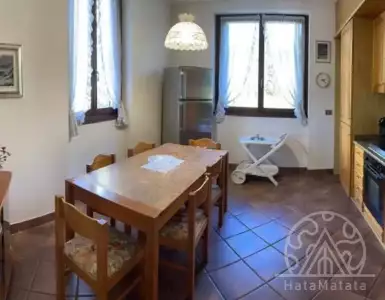
- Renovation costs: many buildings have been empty for decades; you can expect foundational repairs, new roofs, electrical and plumbing rewires, and structural reinforcement.
Many buyers cited by real estate press report spending tens of thousands of euros to make a property livable. Some renovation jobs are minor, others are extensive. The reality is that the total outlay — combining deposits, taxes, fees and construction — often runs far beyond the symbolic €1.
The timeline and bureaucratic steps buyers must follow
Italian municipalities administering these programs expect a fast start. The common timeline is:
- Purchase completed and contracts signed.
- Within two months, a renovation plan must be submitted to the local council.
- Work must be completed within three years; failure to meet milestones can forfeit deposits and the property.
From a procedural standpoint, buyers should expect to deal with:
- Local municipal council (comune) for submission and approval of renovation plans
- Building permits or declarations of commencement of works (SCIA or permesso di costruire depending on the scope of work and local rules)
- Heritage or conservation authorities when properties are in protected historic centres
- Notaries and registry offices for title transfer
These are not mere formalities. Approvals, compliance with conservation regulations, and inspections can extend schedules and increase costs.
Practical buying checklist for serious buyers and investors
From our reporting and conversations with agents familiar with Italian one-euro programs, here is a practical checklist you should use before applying or bidding:
- Visit the property in person. Photographs and online listings do not reveal structural problems. We advise at least one site visit with a qualified builder or structural surveyor.
- Commission a structural survey. Look for foundation cracks, damp, roof integrity, and evidence of subsidence.
- Confirm legal title and any liens. Use a local lawyer or notary to check the land registry and municipal records.
- Ask for a sample renovation contract used by the municipality.


Financing and tax realities
Traditional mortgages on symbolic-sale homes can be difficult: lenders evaluate the value of the property post-refurbishment and the stability of title. Buyers who intend to finance works should:
- Talk to lenders early about rehabilitation loans and the lender’s approach to properties sold under special municipal schemes.
- Budget for taxes and notary fees at closing. Expect to pay land and transfer registration taxes and, where applicable, VAT.
- Understand that the initial escrow funds are not the same as purchase price and may not be refundable if contractual milestones are missed.
We have spoken to buyers who found it more practical to buy a low-cost property listed for under €50,000 with clean title and no municipal renovation clauses rather than engage in a municipality-run scheme.
Case examples: Penne and Ollolai
Two towns often cited provide different models.
-
Penne (Abruzzo): Mayor Gilberto Petrucci has promoted a package of properties in the historic centre — about 35 minutes from the coast — with a requirement that restoration is completed within three years. Penne’s program was described as not requiring a deposit but demanding prompt progress on renovations.
-
Ollolai (Sardinia): The island village has for years used a €1 campaign to attract buyers. Ollolai invites foreign buyers to start a life there, but like other schemes, it requires guarantees and work commitments. The marketing frames the offer as a lifestyle opportunity, yet in practice buyers find they must rebuild utilities and roofs.
These examples show variance in municipal approaches; one program asks for financial guarantees, another emphasises rapid project completion without an upfront deposit. Local rules matter.
Who should consider a €1 property — and who should not
I have seen two broad groups for whom a one-euro purchase can make sense:
- Buyers with experience in restoration, a stable budget for rehabilitation, and time to manage a multi-year project. These owners view the nominal price as an entry to a longer-term investment in a second home or rental product.
- Investors or hospitality operators who plan to consolidate several units and can absorb renovation and regulatory complexity.
You should probably steer clear if:
- You cannot visit the property in person or arrange a professional survey.
- You lack the funds to post the typical escrow deposits (€5,000 and a €15,000 renovation fund) and to cover likely renovation bills.
- You want immediate move-in condition with mortgage financing on conventional terms.
Risks and downside scenarios we have seen reported
The notable risks include:
- Forfeiture of escrow funds if renovation deadlines are missed.
- Hidden structural defects that inflate costs (roofs, foundations, rewiring).
- Planning or heritage restrictions that limit the ability to alter the property as intended.
- Local bureaucracy delaying permit approvals and inspections, compressing timelines.
- Overall conversion costs that outpace the price of purchasing a ready-to-live-in home in a nearby market.
I do not want to underplay the allure: a refurbished home in a small Italian town can be a rewarding lifestyle change and a unique investment if planned correctly. But readers should approach with a contractor’s skepticism and a lawyer’s attention to contract language.
Alternatives to a €1 purchase
If the work, bureaucracy, or financial guarantees of a one-euro project are off-putting, consider these options:
- Search for listed properties under €50,000 with clean title and no municipal restoration requirement.
- Look for derelict lots or multi-unit buildings where a developer partner can spread renovation risk.
- Buy in nearby regional centres where services and resale liquidity are stronger.
Sometimes paying a few thousand or a few tens of thousands more at purchase avoids bureaucratic obligations and delivers a quicker route to a habitable property.
Final thoughts for buyers and investors
I have reported on dozens of restoration projects and spoken to buyers who succeeded and to those who walked away after expensive surprises. The takeaway is straightforward: the headline price is a marketing hook. The real questions are whether you have the cash to post deposits (commonly €5,000 and a €15,000 renovation guarantee), whether you can fund the repairs that could be tens of thousands of euros, and whether you accept the municipality’s timetable requiring a renovation plan within two months and completion within three years.
If you plan to pursue a one-euro purchase, visit first, get a structural survey, retain a local lawyer, and secure firm contractor estimates. That discipline separates a life-changing restoration from a costly headache.
Frequently Asked Questions
Q: Are the €1 houses really sold for one euro?
A: Yes, the nominal sale price is €1, but buyers typically must provide a participation deposit (€5,000) and a renovation escrow of about €15,000, plus pay legal fees, taxes, and the full cost of renovations.
Q: How long do I have to renovate a €1 property?
A: Municipal programs generally require you to submit a renovation plan within two months and complete the works within three years. Failure to meet deadlines can lead to loss of the escrowed funds and the property.
Q: Which regions offer the most €1 listings?
A: Most listings cluster in Sicily, Umbria, Tuscany, and Sardinia, with towns such as Gangi, Salemi, Mussomeli, Sambuca, Cantiano, Montieri, Fabbriche di Vergemoli, Penne, and Ollolai frequently cited.
Q: Is it better to buy a low-cost house for under €50,000 than a €1 property?
A: Many agents and buyers say that a property under €50,000 without special municipal conditions can be cheaper and simpler overall, because you avoid escrow requirements and strict renovation timelines.
Q: What is the best first step if I want to buy an Italian €1 house?
A: Visit the location, commission a structural survey, and consult a local lawyer to check title and municipal conditions before making any deposit or application.
Tags
We will find property in Italy for you
- 🔸 Reliable new buildings and ready-made apartments
- 🔸 Without commissions and intermediaries
- 🔸 Online display and remote transaction

International Real Estate Consultant

Subscribe to the newsletter from Hatamatata.com!
Subscribe to the newsletter from Hatamatata.com!
Popular Posts

We will find property in Italy for you
- 🔸 Reliable new buildings and ready-made apartments
- 🔸 Without commissions and intermediaries
- 🔸 Online display and remote transaction
International Real Estate Consultant

Subscribe to the newsletter from Hatamatata.com!
Subscribe to the newsletter from Hatamatata.com!
I agree to the processing of personal data and confidentiality rules of Hatamatata
Need advice on your situation?
Get a free consultation on purchasing real estate overseas. We’ll discuss your goals, suggest the best strategies and countries, and explain how to complete the purchase step by step. You’ll get clear answers to all your questions about buying, investing, and relocating abroad.



Sales Director, HataMatata