


Capella Brings Medical-Grade Wellness Living to Bangkok: 262 Residences Backed by BDMS

Capella's wellness residences reshape real estate Thailand — what buyers and investors need to know
Capella Hotel Group is moving deeper into real estate Thailand with a project that ties luxury living to medical-grade wellness. The announcement of Capella Residences Bangkok, a 262-unit development at the heart of the WellEra complex, is a clear sign that health-first housing is shifting from a marketing angle into core product design.
I approach this with a mix of interest and caution: integration of a leading private healthcare network offers real value, but buyers and investors must separate headline amenities from long-term performance. Below we break down the project, the wellness trend behind it, what it means for property buyers in Bangkok, and the concrete questions any purchaser should ask.
What the Capella Residences project is — the essentials
Capella Residences Bangkok will act as the centerpiece of WellEra, a 29-billion-baht (about $188.1 million) mixed-use development that combines housing, clinic services, wellness facilities, and lifestyle retail. Key facts from the announcement and project brief include:
- 262 residential units branded by Capella Hotel Group
- Partnership with Bangkok Dusit Medical Services (BDMS), Thailand’s largest private healthcare network
- Integration with BDMS Wellness Clinic’s urban retreat and WellEra’s retail and lifestyle offerings
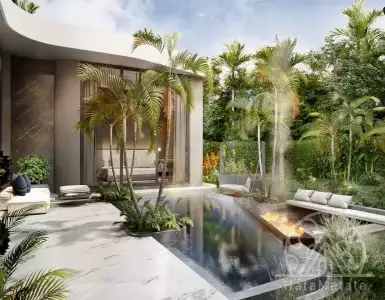
- Dedicated wellness floors with amenities such as an infinity pool, plunge pool, spa suites, and mindfulness studios
- Resident services including a wellness concierge, personalized health protocols, and biometric monitoring via a vitality checkpoint
The development is pitched explicitly as the first project in Southeast Asia to integrate “scientific wellness and preventative medicine into every dimension of daily life,” according to BDMS leadership quoted in the release.
How the project differs from ordinary luxury housing
Branded residences are not new, but Capella’s concept moves beyond branded hospitality to embed medical and scientific wellness into daily life. That shift has several practical implications:
- Amenities are function-driven: pools and spas are designed for restoration and sensory regulation rather than merely visual appeal.
- Health services are on-site and operationally integrated, not just a concierge referral—this matters for accessibility and continuity of care.
- Design follows neuroaesthetics principles: finishes, lighting, scent, and texture are selected to influence mood and cognition, a growing priority in wellness real estate.
These are not small distinctions. If delivered as described, the Capella product replaces episodic spa experiences with continuous, datadriven wellness routines built into residents’ daily lives.
Why this matters: Thailand’s wellness market and demand drivers
Thailand is already a global hub for wellness tourism and services. The Global Wellness Institute ranks the country 24th globally in the wellness economy, with a total market value of $42.7 billion in 2024. That national strength underpins demand for wellness-branded housing.
Two market dynamics explain the commercial logic:
- High-net-worth buyers are seeking residential products that promise longevity and health services in place of traditional luxury features.
- Developers are packaging medical reliability with lifestyle convenience to differentiate high-end supply in Bangkok, where ultra-luxury inventory continues to grow.
You can see this through precedents such as ROMM Convent and Amanpuri Residences, which have targeted health-conscious wealthy buyers. Capella’s entry confirms that major international operators believe the model can command a premium.
Design trend to watch: neuroaesthetics and sensory architecture
At the Global Wellness Summit’s 2026 Wellness Real Estate & Communities Symposium, professionals identified neuroaesthetics as a leading trend. Neuroaesthetics links environmental stimuli—color, scent, texture, light—with emotional and cognitive outcomes.
Capella’s implementation includes:
- Dedicated wellness floors configured for restoration and low sensory overload
- Mindfulness studios for guided practices
- Spa suites and plunge pools designed for contrast therapies
- Material and lighting choices intended to support circadian rhythms and stress reduction
From a buyer’s perspective, neuroaesthetic design translates into a lived experience that markets as measurable wellbeing rather than purely decorative architecture. From an investor perspective, this creates a niche product that may sustain higher service fees and appeal to a specific buyer cohort.
The BDMS partnership: a practical advantage and a potential liability
Partnering with BDMS gives Capella access to Thailand’s most extensive private healthcare network. Practically this means:
- On-site clinical services and preventative health programs are more feasible than with small independent providers
- Stronger credibility for health claims, which is important for marketing to medical tourists and affluent residents
But there are trade-offs:
- Operational dependence on a medical partner raises questions about continuity if partnerships change
- Regulatory or liability exposures differ for developments that offer medical services, and those can affect insurance and operating costs
Investors should ask how medical services are structured contractually, who bears clinical risk, and whether BDMS will offer residents privileged access or equity-like incentives.
Location and the WellEra ecosystem: why mixed-use matters here
The WellEra complex is designed as an interconnected ecosystem linking residences with a BDMS clinic, a wellness retreat, and lifestyle retail. Mixed-use design is more than convenience in this case: it reinforces daily usage of health services and creates cross-selling opportunities between healthcare and retail.
Expected benefits for residents and investors:
- Higher daily engagement with onsite services, which supports subscription-style revenue for the operator
- Rental appeal to longer-stay medical visitors and lifestyle tenants seeking integrated services
- Potential for stable foot traffic to retail and service nodes, boosting commercial lease values for WellEra components
Risks tied to mixed-use: a poorly curated retail mix or underused clinic space can diminish perceived value.



Who should consider buying or investing in Capella Residences Bangkok?
The product is aimed at buyers who value continuous access to medical and wellness services and are willing to pay for integrated hospitality-level service. Specific buyer profiles likely to find this product attractive include:
- Wealthy residents seeking a health-first lifestyle and concierge medical access
- International buyers looking for a long-term second home with medical continuity while in Thailand
- Investors targeting high-end rental or serviced-apartment returns to medical tourists and executive tenants
That said, typical condo investors focused purely on yield should weigh short-term returns against higher service charges and specialized operating requirements.
Practical due diligence checklist for buyers and investors
Before committing, we recommend that prospective purchasers verify the following details:
- Contractual role of BDMS: is BDMS an operator, service provider, or equity partner?
- Exact scope of medical services: on-site clinic hours, emergency care availability, and referral structure to full hospitals
- Service charges and management fees tied to wellness services and biometric monitoring
- Resale restrictions or rental-use policies for branded residences
- Timeline for completion and handover dates for both residential and clinic components
Also, ask for precedent performance: occupancy rates or rental yields from other branded wellness residences in Bangkok or comparable Southeast Asian markets.
Financial and market risks you should weigh
Capella Residences sits at the intersection of hospitality, healthcare, and real estate. That intersection creates potential upside but also distinct risks:
- Premium pricing sensitivity: buyers pay for branded services; if the market softens, resale prices could lag
- Operational complexity: delivering medical-grade services costs more than standard hospitality offerings
- Competition: other luxury wellness developers, including established names, are moving into the same segment
- Regulatory and liability exposure for on-site medical services could change cost structures
We cannot predict exact returns, but investors should expect higher service charges and a niche resale market. Conservative underwriting and staggered purchase timelines will reduce exposure.
Comparisons: how Capella stacks up against other wellness residences in Thailand
Existing wellness-integrated branded residences like ROMM Convent and Amanpuri Residences show demand exists for health-centric luxury. Capella’s advantage is its hospitality pedigree—Capella Bangkok was named World’s Best Hotel in 2024 by 50 Best—and the BDMS partnership.
Areas where Capella may outpace competitors:
- Stronger operational integration between residential and clinical functions
- A more service-intensive model with wellness-concierge and biometric monitoring
- Global brand recognition that may command higher premiums
Areas where Capella will face challenges:
- Justifying higher ongoing costs to buyers who compare raw square-meter prices
- Delivering measurable health outcomes to match marketing claims
What this trend means for the wider real estate Thailand market
Wellness is moving from lifestyle marketing to product engineering. Developers are investing in cleaner air systems, access to nature, and reliable cooling systems, and this project shows hospitality-led brands are bringing medical partners in to heighten differentiation.
For the broader market, expect:
- More branded residences to integrate health services and science-backed programs
- Higher thresholds for ultra-luxury products to justify premium prices
- A possible segmentation where mass-luxury favors standard amenity bundles while top-tier projects lean heavily into wellness and healthcare
Frequently Asked Questions
Q: Who is behind Capella Residences Bangkok?
A: The project is developed by Capella Hotel Group in partnership with Bangkok Dusit Medical Services (BDMS), and it is the residential component of the WellEra mixed-use development.
Q: How many units and what is the project cost?
A: The residences will include 262 units and are part of a 29-billion-baht (approx. $188.1 million) WellEra development.
Q: What wellness services will be available to residents?
A: Residents will have access to dedicated wellness floors with an infinity pool, plunge pool, spa suites, mindfulness studios, a wellness concierge, personalized health protocols, and a vitality checkpoint to monitor biometrics.
Q: Is this the first project that integrates medical services into residences in Southeast Asia?
A: The developers position Capella Residences as the first in Southeast Asia to integrate scientific wellness and preventative medicine into daily residential life; similar wellness-branded residences exist but may not combine hospitality branding and a major hospital network in the same way.
Final assessment: who wins and who should be cautious
Capella Residences Bangkok is a logical evolution of branded-living in a market where wellness matters. For buyers who prioritize health, concierge medical access, and hospitality-level service, the project is attractive in concept. For investors seeking predictable, volume-driven rental yields, the model requires careful scrutiny of operating costs, service charges, and the niche buyer pool.
My plain advice: treat the medical integration as a service that may reduce some frictions of living abroad, but do not let it replace standard real estate due diligence. Ask for the partnership agreements, projected service fees, and precedent performance from related branded residences. If those numbers hold up, the product can command a meaningful premium; if they do not, the premium may be difficult to sustain.
Consider this a promising product with clear strengths and clear exposures. Confirm the details on BDMS’s operational commitments, the exact layout and access to wellness features, and the financial proforma before committing.
Specific immediate questions to ask the developer or seller: what are the anticipated monthly service charges for wellness services, is BDMS contractually committed for a minimum term, and what resale or rental restrictions apply to the units. These three answers provide a quick gauge of long-term value.
We will find property in Thailand for you
- 🔸 Reliable new buildings and ready-made apartments
- 🔸 Without commissions and intermediaries
- 🔸 Online display and remote transaction

International Real Estate Consultant

Subscribe to the newsletter from Hatamatata.com!
Subscribe to the newsletter from Hatamatata.com!
Popular Posts

We will find property in Thailand for you
- 🔸 Reliable new buildings and ready-made apartments
- 🔸 Without commissions and intermediaries
- 🔸 Online display and remote transaction
International Real Estate Consultant

Subscribe to the newsletter from Hatamatata.com!
Subscribe to the newsletter from Hatamatata.com!
I agree to the processing of personal data and confidentiality rules of HatamatataPopular Offers
 1
1
 0
0
 2
2
80
2
2
80
 4
4
166
4
4
166
Need advice on your situation?
Get a free consultation on purchasing real estate overseas. We’ll discuss your goals, suggest the best strategies and countries, and explain how to complete the purchase step by step. You’ll get clear answers to all your questions about buying, investing, and relocating abroad.



Sales Director, HataMatata