


Dozen Top Developers to Pitch New-City Projects at Jeddah Property Expo

Egyptian developers bring property Egypt prospects to Jeddah
The Jeddah Superdome will host SEREDO 2026 from 6–8 September, and a dozen leading Egyptian developers are confirmed to attend. For investors tracking the real estate Egypt market, this is a concentrated chance to compare projects, payment terms and delivery records in one place. We went through the exhibitor list and project locations to explain what Saudi and Gulf buyers should expect and what to watch for before committing capital.
Why this matters for the Saudi investor
Egyptian participation at SEREDO 2026 signals increased commercial engagement between Saudi Arabia and Egypt and reflects broader interest in cross‑Gulf property investment. The show will give Saudi and international buyers direct access to developers, and that direct access can reduce transaction friction when compared with remote deals negotiated through intermediaries.
Who is attending and what they will show
Organisers confirmed that the Egyptian pavilion will include major names in the national property market. Confirmed exhibitors include:
- Aliwa Group
- Mountain View
- Palm Hills
- Al Oula Real Estate Development
- I Plus Real Estate Development
- Roshin Egypt
- Elite Real Estate Development
- Seif Real Estate Development
These firms will present a mix of residential, commercial, administrative, medical, and hospitality projects. Locations on show will include major Egyptian investment zones:
- New Administrative Capital
- New Cairo
- North Coast
- Sheikh Zayed
- 6th of October City
- Ain Sokhna
- Mostakbal City
- Districts in eastern and western Cairo
Eng Sayed Aliwa, head of the Egyptian pavilion, said the strong Egyptian presence mirrors the sector’s expansion and a higher level of developer professionalism. He added that local firms now offer diversified portfolios and solutions tailored to Saudi and Gulf investor needs.
What this means for the Egypt property market
SEREDO 2026 is the fifth edition of the event and it functions as both a marketing platform and a deal flow generator. For the Egyptian property market, the show serves three immediate functions:
- It gives developers direct exposure to Gulf capital and family offices that prefer to see models and legal paperwork in person.
- It pressures developers to sharpen payment plans and after‑sales services to meet Gulf buyer expectations.
- It acts as a channel to attract direct foreign investment to projects across Egyptian new cities and resort zones.
From an investor perspective, seeing multiple developers side by side makes comparisons easier. Buyers can evaluate price per square metre, payment schedules, delivery timelines, and whether a project is completed or under construction.
Hotspots on offer and their appeal
Each of the listed zones has a distinct buyer profile and risk/return characteristics. Understanding them is essential before you bid or sign.
New Administrative Capital
- Appeals to: institutional investors, office occupiers, long‑term residential buyers.
- Typical product: administrative towers, mixed‑use developments, gated residential compounds.
- Why Gulf investors look: government backing and large‑scale infrastructure may support long rental horizons, but buyers must check land titles and phased delivery schedules.
New Cairo and Sheikh Zayed
- Appeals to: owner‑occupiers and mid/high‑end investors.
- Typical product: family apartments, townhouses, and branded residences.
- Why Gulf investors look: established schools, hospitals and expatriate communities; resale liquidity tends to be better in proven suburbs.
North Coast and Ain Sokhna
- Appeals to: holiday home buyers, short‑term rental investors, hotel operators.
- Typical product: beachfront villas, chalets, resort apartments and hospitality assets.
- Why Gulf investors look: seasonal demand from Gulf visitors can support yields, but guestship is seasonal and management quality matters for rental returns.
6th of October City and Mostakbal City
- Appeals to: value investors seeking new supply and families priced out of central Cairo.
- Typical product: larger apartment blocks and gated communities with amenities.
- Why Gulf investors look: lower entry prices can offer yield upside when infrastructure matures, though exit timing is important.
What Gulf buyers should check at the show: a practical due diligence checklist
Meeting a developer in person speeds up negotiation, but it does not replace a structured due diligence process. At SEREDO, insist on hard documents and verify them.
- Written delivery schedule with penalties for delays.
- Title documentation and type of ownership offered to foreigners, such as freehold, usufruct or leasehold.
- Company track record: prior projects delivered on time and with promised finishes.
- Copies of sales contracts and standard payment plans, including escrow arrangements where used.
- Permits and approvals: building permits, environmental approvals, and infrastructure commitments.
- Exit options and secondary market liquidity for the specific project.
- For hospitality or serviced apartments, operator agreements and projected occupancy rates.
Bring an independent lawyer or consultant to review key documents on site; many regional firms will offer same‑day checks for foreign buyers.
Financing, currency and legal notes for foreign buyers
Egypt has specific rules and practices that affect real estate investment. Buyers who come to Jeddah to sign or reserve units should be aware of transactional mechanics.
- Payment currency: Sales often denominate prices in Egyptian pounds or US dollars; confirm which currency the contract specifies and who bears the exchange risk.
- Mortgages: Local banks provide mortgages to residents and sometimes to foreigners, but terms vary. International buyers relying on Gulf mortgages should confirm cross‑border acceptance.
- Ownership structures: Foreigners may acquire different title types; check whether the project offers independent title deeds and whether any special approvals are required for transfer.
- Taxes and fees: Ask developers for a breakdown of transfer taxes, registration fees, and any recurring service charges.
We advise investors to ask suppliers whether developers use escrow accounts for construction receipts. Escrow use reduces construction risk by separating buyer funds from general corporate accounts.
Risks and how to mitigate them
Egyptian projects can deliver attractive gross returns, but risk management is essential. Risks include political shifts, currency volatility, delivery delays and over‑supply in some segments.
- Currency risk: If your purchase contract is in EGP, the real return in your base currency can be affected by exchange movements. Fixing prices in hard currency is a common mitigation.
- Delivery risk: Choose developers with proven delivery records when buying off‑plan.
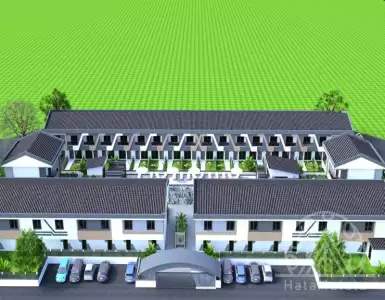
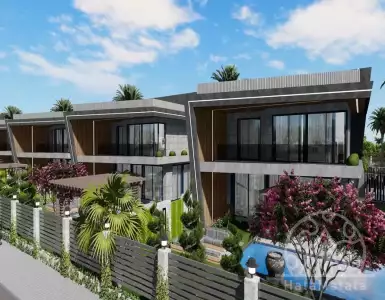
Mitigation strategies include reserving units from developers with strong balance sheets, insisting on escrow accounts, and structuring payment plans with milestones.
What developers are pitching to Gulf buyers
Eng Sayed Aliwa said Egyptian firms are supplying more diversified portfolios and advanced solutions tailored to Saudi and Gulf demands. In practice this means developers will often offer:
- Flexible payment plans timed to Gulf investor cashflows.
- Interior fit‑outs that match GCC preferences, such as larger family layouts or hospitality‑grade finishes.
- After‑sales services including property management for owners who will not reside permanently in Egypt.
- Joint venture or co‑investment opportunities for institutional Gulf capital.
Investors should evaluate whether these offerings are integrated into the sales contract or only part of verbal negotiation.
How to use SEREDO 2026 as an investor: a negotiation game plan
If you plan to attend, prepare before you travel.
- Identify target projects by location and product type. Prioritise the top three developers you want to meet.
- Request full contract drafts in advance. This allows your lawyer to prepare questions and speed up negotiation at the booth.
- Compare payment plans directly. Ask for walk‑throughs of penalties, delays and warranty terms.
- Seek independent references from prior buyers of the same developer.
- Schedule follow‑up site visits in Egypt for shortlisted projects before final commitment.
Face‑to‑face negotiation can secure better payment terms, but avoid signing final contracts at the booth without independent legal review.
What this means for Egypt and regional capital flows
A concentrated push into Saudi trade shows is a sign that Egyptian developers are actively seeking Gulf capital. For Egypt the upside is increased direct foreign investment into housing and hospitality supply. For Gulf investors, this is an opportunity to access a market where price differentials, especially in new cities and resort zones, can be meaningful compared with Gulf coastal markets.
However, investor selection matters. Buying from a developer with a credible track record and transparent contracts reduces exposure to construction and legal risk. We expect that developers who demonstrate strong governance, escrow use and clear title will get the most inbound capital.
Final practical takeaway
If you are a Gulf investor attending SEREDO 2026 at the Jeddah Superdome from 6–8 September 2026, plan to meet developers in person but insist on contractual transparency and independent legal review. The Egyptian pavilion will include leading names such as Aliwa Group, Mountain View, Palm Hills, Al Oula, I Plus, Roshin Egypt, Elite and Seif, showcasing projects across the New Administrative Capital, New Cairo, North Coast, Sheikh Zayed, 6th of October City, Ain Sokhna and Mostakbal City. Bring a checklist, verify title documents and confirm payment and escrow arrangements before you place deposits.
Frequently Asked Questions
Q: Which event should Gulf investors attend to meet Egyptian developers? A: SEREDO 2026 at the Jeddah Superdome, scheduled for 6–8 September 2026, will host an Egyptian pavilion with a number of major developers.
Q: Which Egyptian locations will be promoted to Saudi investors? A: Developers will present projects in the New Administrative Capital, New Cairo, North Coast, Sheikh Zayed, 6th of October City, Ain Sokhna, Mostakbal City and districts in eastern and western Cairo.
Q: What legal checks should a foreign buyer prioritise when buying Egyptian property? A: Verify title type and clarity, confirm permits and approvals, review contract penalties and delivery timelines, and check whether buyer funds are placed in an escrow account.
Q: Are developers offering investor‑friendly terms for Gulf buyers? A: According to the pavilion head, Egyptian firms are offering diversified portfolios and solutions tailored to Gulf needs, including flexible payment plans and after‑sales services, but investors should insist these be written into contract terms.
Tags
We will find property in Thailand for you
- 🔸 Reliable new buildings and ready-made apartments
- 🔸 Without commissions and intermediaries
- 🔸 Online display and remote transaction

International Real Estate Consultant

Subscribe to the newsletter from Hatamatata.com!
Subscribe to the newsletter from Hatamatata.com!
Popular Posts

We will find property in Thailand for you
- 🔸 Reliable new buildings and ready-made apartments
- 🔸 Without commissions and intermediaries
- 🔸 Online display and remote transaction
International Real Estate Consultant

Subscribe to the newsletter from Hatamatata.com!
Subscribe to the newsletter from Hatamatata.com!
I agree to the processing of personal data and confidentiality rules of HatamatataPopular Offers
 1
1
 0
0
 2
2
80
2
2
80
 4
4
166
4
4
166
Need advice on your situation?
Get a free consultation on purchasing real estate overseas. We’ll discuss your goals, suggest the best strategies and countries, and explain how to complete the purchase step by step. You’ll get clear answers to all your questions about buying, investing, and relocating abroad.



Sales Director, HataMatata