


Houston Housing 2025: Prices Held Steady as Listings Surge — Should You Buy Now?

Houston finds balance in 2025: what this means for property buyers and investors
For buyers and investors tracking real estate USA trends, Houston’s 2025 housing performance offers an unusual mix of stability and opportunity. After years of fast swings in prices and fierce competition, the Greater Houston market returned to a more predictable pattern: steady sales, flat median prices, and a rebound in supply that eased pressure on buyers.
I watch markets for a living, and I will say this plainly: a year of normal is useful. When prices stabilize and inventory rises, buyers regain leverage and investors get clearer signals about where to put capital. The numbers from the Houston Association of Realtors (HAR) back this up in detail.
2025 at a glance: steady sales and rising dollar volume
The raw activity in Houston in 2025 was telling. The broad strokes are:
- Total property sales were up 2.3% year-over-year for 2025 compared with 2024.
- Total dollar volume climbed 4.5% to $42.9 billion, indicating growth in transaction value alongside unit sales.
- Single-family home sales rose 3.8%, totaling 88,634 homes sold in 2025 versus 85,373 in 2024.
Those figures show more than momentum; they show demand that is steady enough to absorb new listings without triggering a price collapse. When sales and dollar volume move in the same direction, it tends to reflect genuine activity across price tiers rather than a skewed market dominated by a single segment.
HAR Chair Theresa Hill called 2025 a year that returned balance to Houston’s market, and I agree. The market was not frenzied, nor frozen. It was measured, and that matters for both affordability and investment planning.
Prices: moderation beats volatility
Price movement was the headline for many. The most important data points:
- Median home price for 2025: $334,990 (essentially flat year-over-year).
- Average home price rose 0.9% to $426,558, influenced by strong activity at the high end.
- The average price peaked at $449,561 in June, reflecting persistent demand in the luxury slice.
A flat median price after years of sharp gains is a corrective pattern. It means buyers who stepped back in 2024 found fewer barriers in 2025. It also signals that sellers no longer enjoy guaranteed month-to-month appreciation and must price sensibly to attract buyers.
Dr. Ted C. Jones, HAR’s Chief Economist, pointed out that Houston is selling as many homes now as it did in 2019, a sign the market is back to a normal cadence. That observation is more than nostalgic: it suggests that long-term trends, not speculation, are driving activity.
Inventory and competition: buyers got more choices
Inventory was the single biggest force reshaping the market in 2025. Key facts:
- Active listings rose throughout the year and hit a record 39,490 active listings in July.
- Months of inventory climbed to 5.5 months in July, the highest level since June 2012.
- By December, active listings reached 52,727, 16.5% higher than December 2024.
More homes for sale means fewer bidding wars and more negotiating room. The average Days on Market (DOM) lengthened slightly to 64 days in December 2025 from 59 days a year earlier, the longest since February 2020. That shift may feel small, but it is meaningful for buyers: it gives time to inspect, finance, and negotiate rather than make rushed choices.
For sellers, the message is clear: presentation and pricing matter again. Homes still sell, but unrealistic asking prices and deferred maintenance will show up quickly in a market with more options.
Affordability and mortgages: monthly payments eased
Affordability improved in 2025 despite rates that remained above the lows of recent years. HAR’s data show that monthly principal and interest payments on the median-priced home were lower in 10 of 12 months in 2025 compared with 2024. A tangible example:
- A buyer purchasing the median-priced home in December 2025 saw a monthly payment about $87.72 lower than in December 2024, which equals more than $1,000 saved over a year.
That improvement came from a mix of stable prices and modest easing in mortgage costs, which matters because affordability changes who can qualify and how much buyers bid. If mortgage rates fall further toward the NAR forecast—around 6.1% in 2026 according to Lawrence Yun—demand could firm again.
The micro picture: types of homes and price per square foot
Not every segment moved the same way in 2025.
- Single-family homes were the market’s backbone, with sales up 3.8% for the year.
- Townhomes and condominiums had a strong finish: closings jumped 5.5% in December year-over-year, though the median price for these fell 4.4% to $224,500, and the average rose 0.8% to $269,502. Inventory for condos and townhomes reached 7.1 months, signaling deeper buyer choice in those segments.
- The average price per square foot fell slightly to $174 from $177, indicating that increases in transaction volume did not translate into higher unit-level pricing.
These micro-movements tell a consistent story: more supply and balanced demand produced a neutral-to-soft price environment in many neighborhoods, while luxury properties kept the average price afloat.
Where investors should look: the top neighborhoods to watch
Investors want areas with upside from both income and appreciation. Neighborhoods highlighted for near-term value growth include:
- Gulfgate / Riverview / Pine Valley East
- Lawndale / Wayside South
- Downtown Southeast
- Gulfton South
- Second Ward East and Second Ward West
- Close In neighborhoods near downtown
- Greenway / Upper Kirby Area West
- South Main
Common threads among these pockets are affordability relative to central Houston, redevelopment activity, and proximity to employment nodes like the Medical Center and downtown.




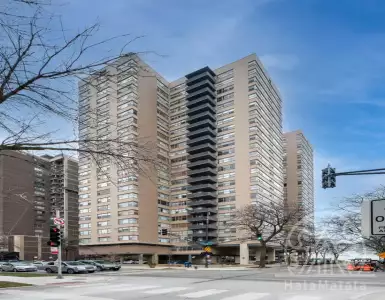



But remember: local factors matter. Zoning changes, flood risk, and the timing of public infrastructure projects can swing performance at the neighborhood level.
Forecast for 2026: mild softening, not a crash
Third-party forecasts and local indicators point toward a modest correction rather than a downturn:
- Zillow projected a 1.8% decline in home values from May 2025 to May 2026 for the Houston-The Woodlands-Sugar Land metro area.
- Zillow’s short-term projections showed -0.3% by June 2025 and -0.7% by August 2025.
- Houston’s average home value was listed around $313,936, a 1.6% decrease year-over-year in the data cited.
Compared to other Texas cities, Houston’s projected declines are smaller: Zillow showed Dallas -2.2%, Austin -4.2%, while some markets like McAllen and El Paso actually had modest positive forecasts. That puts Houston in a relatively stable position.
Nationally, the National Association of Realtors forecasts rising sales and modest price gains through 2026 if mortgage rates ease, with Lawrence Yun projecting median home prices up 3% in 2025 and 4% in 2026, and mortgage rates averaging 6.4% in H2 2025 and 6.1% in 2026.
Taken together, the outlook is one of gradual change. Expect a slightly softer price environment early in 2026 with the potential for renewed stability if rates fall and employment stays strong.
Practical takeaways for buyers and investors
For buyers:
- Increased inventory means negotiating room. Use inspections and financing contingencies wisely.
- If you plan to hold a home long term, a flat median price after years of gains is not a bad outcome; it buys breathing room and lowers entry cost risk.
- Factor in local flood maps and insurance costs in Greater Houston; these can materially affect monthly outlays.
For investors:
- Target neighborhoods where renovation and new development are already underway. Those areas typically de-risk appreciation assumptions.
- Focus on cash flow projections, not just projected appreciation. With rents rising in many parts of Houston, strong cash-on-cash returns remain achievable.
- Consider the condo/townhome market carefully. Inventory has expanded, so absorption rates will determine rental and resale performance.
For sellers:
- Price based on comparables and market time expectations. Overpricing lengthens DOM and erodes buyer interest in a market with more options.
- Prepare properties to be market-ready; small spending on staging and repairs often produces outsized returns.
Risks and caveats
No market is risk-free. Houston’s positives are real but come with caveats:
- Mortgage rates remain a wild card. If rates rise again instead of easing, affordability gains could reverse.
- Inventory growth helps buyers but increases downside risk for sellers who need quick liquidity.
- Geo-specific risks such as flooding and localized economic shifts can create sharp outperformance or underperformance at the neighborhood level.
My view is cautious optimism. The market is healthier than the headlines that demanded either rapid growth or imminent crash. That balance reduces systemic risk, but local due diligence is essential.
Frequently Asked Questions
Is Houston still a good place to invest in real estate?
Yes. Houston’s economic diversity, population growth, and improving inventory create conditions favorable for long-term investors. Target neighborhoods undergoing redevelopment and assess cash flow metrics closely before buying.
Will home prices crash in Houston in 2026?
A crash is unlikely. Forecasts from Zillow point to a mild decline of about 1.8% from May 2025 to May 2026, which is a softening rather than a collapse. The market’s recent return to pre-pandemic norms supports stability.
How much did inventory increase in 2025?
Inventory climbed through 2025, hitting 39,490 active listings in July and 52,727 active listings in December, which was 16.5% higher than December 2024. Months of inventory reached 5.5 months in July, the highest since June 2012.
What should buyers do now if they want to purchase in Houston?
Shop broadly and use the improved supply to negotiate. Get pre-approved, build inspection contingencies into offers, and compare total ownership costs including property taxes, insurance, and potential flood premiums. Remember that in December 2025, a buyer of the median-priced home saved about $87.72 per month versus the prior year, improving affordability.
2025 was a year that returned Houston housing to a more normal rhythm: steady sales, stable median prices, and a meaningful rise in inventory that tipped negotiating power back toward buyers. For investors and buyers who do the math and the neighborhood work, that is an environment in which careful decisions can produce reliable outcomes. If you plan to act in 2026, note that forecast data point to a slight price softening, so timing, local due diligence, and a clear financial plan will determine whether you capture opportunity or take on unnecessary risk.
We will find property in USA for you
- 🔸 Reliable new buildings and ready-made apartments
- 🔸 Without commissions and intermediaries
- 🔸 Online display and remote transaction

International Real Estate Consultant

Subscribe to the newsletter from Hatamatata.com!
Subscribe to the newsletter from Hatamatata.com!
Popular Posts

We will find property in USA for you
- 🔸 Reliable new buildings and ready-made apartments
- 🔸 Without commissions and intermediaries
- 🔸 Online display and remote transaction
International Real Estate Consultant

Subscribe to the newsletter from Hatamatata.com!
Subscribe to the newsletter from Hatamatata.com!
I agree to the processing of personal data and confidentiality rules of HatamatataPopular Offers



Need advice on your situation?
Get a free consultation on purchasing real estate overseas. We’ll discuss your goals, suggest the best strategies and countries, and explain how to complete the purchase step by step. You’ll get clear answers to all your questions about buying, investing, and relocating abroad.



Irina Nikolaeva
Sales Director, HataMatata