


How Airbnb Turned Holiday Homes into a Multibillion-Euro Investment Engine

Short-term rentals have rewritten the rules of real estate Cyprus
By 2026, what began as an informal side-income stream has shifted into a formal, multibillion-euro investment pillar for the island. The rise of global platforms such as Airbnb has been a direct channel between international travellers and Cyprus properties, and the result is a market that is significantly more professional and institutional than five years ago. In this piece we examine how that happened, where the best opportunities are today, and what risks buyers and investors must manage.
The professionalisation of holiday rentals: from spare rooms to portfolios
The short-term rental sector in Cyprus is no longer just individual homeowners listing a spare flat. Professional management companies now run portfolios of dozens of luxury apartments and villas. These operators run like small hotel groups while keeping the flexibility and lower overheads associated with holiday lets. From an investor point of view, this has several consequences:
- Property valuations now reflect income potential from short-term letting, not just long-term rental comparables.
- Developers design new buildings with short-stay usage in mind, prioritising layouts, energy efficiency, and services that meet guest expectations.
- Investors can buy into a ready-made operational system: marketing, check-in, cleaning, maintenance and guest relations are handled by a specialist manager.
This is more than a size effect. It is a structural shift in how property Cyprus inventory is conceived and sold. Where once buyers accepted seasonal volatility as part of the package, many now expect a professionally managed revenue stream that looks and behaves closer to a hotel product.
Regional split: where returns and risks differ
The island's short-term rental market is highly regionalised. Each city and resort has its own demand drivers, seasonal profile and investor appeal.
Limassol: business demand keeps occupancy high year-round
Limassol has emerged as the clear leader. As the island’s business and shipping centre, the city attracts frequent corporate travellers, relocation executives and wealthy long-stay visitors. The result is strong occupancy rates throughout the year, not just in the summer months. Key features that matter:
- Presence of international headquarters and corporate travel demand.
- High-end product such as ultra-luxury towers and apartments near Limassol Marina.
- Short-stay supply that competes with boutique hotels on service while undercutting on price per square metre for investors.
For investors seeking higher yields within a cosmopolitan setting, Limassol is the urban product to study closely. That said, acquisition costs and competition are higher here, and entry requires careful underwriting.
Paphos: lower entry prices, higher seasonality
Paphos retains a strong tourism identity with visitors traditionally from the UK and Central Europe. Coastal apartments offer lower purchase prices, which can translate into attractive percentage returns even with seasonal demand. The trade-offs are clear:
- Greater seasonal concentration of bookings during peak months.
- Potentially higher vacancy outside season unless managers diversify marketing or offer event-driven pricing.
Larnaca: redevelopment is changing the equation
Larnaca is gaining momentum thanks to substantial port and marina redevelopment. Its strategic proximity to the international airport makes it a practical base for short-stay logistics and day-trip tourism. For investors, Larnaca offers a blend of convenience-driven demand and the upside potential tied to infrastructure improvements.
Nicosia: stability over spectacle
Demand in Nicosia is driven by the academic community, diplomatic missions, and conference visitors. Returns here tend to be more moderate than coastal hotspots, but occupancy is less seasonal. For investors focused on lower volatility and steadier cash flow, the capital is worth attention.
Famagusta (Ayia Napa and Protaras): villa market and summer peaks
The eastern district, encompassing Ayia Napa and Protaras, is dominated by detached villas with private pools targeted at family groups. Revenue can be impressive within a short operating window, but the product is highly seasonal and requires specialised management that can handle group bookings and week-by-week turnovers.
The new investment lifecycle: developer-to-manager models
A significant innovation is the collaborative model linking developers, investors and management companies.
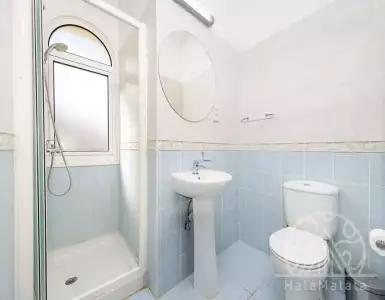







- Buildings designed for tourist use with efficient, easily maintainable layouts.
- Pre-sold units that come with management agreements signed before completion.
- Some schemes offer guaranteed income streams to buyers for a defined initial period, with the management company operating the asset and collecting revenues.
This changes the investor decision chain. Buyers are no longer simply purchasing a residential asset, they are buying into a revenue contract. That can make due diligence more complex: the critical documents become the management agreement, the revenue guarantee terms, fee schedules, and the mechanism for resolving disputes.
What I watch for when assessing these deals:
- Contract length and exit options in management agreements.
- Fee structure: gross vs net splits, marketing fees, refurbishment reserves.
- Historical performance data from the operator and comparable occupancy metrics for the location.
- Clauses that cover major events such as pandemics, regulatory changes or force majeure.
Regulation and taxation: compliance is now non-negotiable
Regulation is tightening. The Cyprus Deputy Ministry of Tourism requires all self-catering accommodations to be officially registered and assigned a unique licence number. The Cyprus Tax Department enforces fiscal compliance and states that rental income is subject to tax rules, including VAT for high-turnover operations and contributions to the General Healthcare System.
Practical implications for buyers and operators:
- Verify that a property has a valid registration/licence number before closing.
- Understand whether the operation will be classified as high-turnover and therefore subject to VAT.
- Budget for social contributions or healthcare-related contributions required under local tax rules.
Non-compliance is not a minor risk; it can interrupt operations, lead to fines and jeopardise the value of a short-stay asset that depends entirely on legal letting.
What this means for investors: opportunities and pitfalls
The professionalisation of short-term rentals in Cyprus creates a clearer path to institutional-style yields for private investors, but it is not without caveats.
Opportunities:
- Access to hotel-like returns with lower operating overheads when assets are well managed.
- Product differentiation: beachfront apartments, city-centre short-stay units and luxury villas all offer distinct investor profiles.
- Developer-backed projects with pre-arranged management can reduce operational workload for investors.
Risks and pitfalls:
- Seasonality: coastal resorts can offer high gross revenues concentrated in a short period, which raises vacancy risk outside peak months.
- Operator risk: a guaranteed income depends on the counterparty’s financial health and honesty of reported figures.
- Regulatory risk: tax classification or changes in licensing rules can change net returns overnight.
- Market saturation: as more stock is purpose-built for short-stay use, local supply may increase faster than demand, compressing yields.
Due diligence checklist for buy-to-let Cyprus short-term investments
Before you sign, consider this practical checklist:
- Confirm the property’s registration/licence number with the Deputy Ministry of Tourism.
- Review the management agreement line-by-line, including termination clauses and performance metrics.
- Ask for audited or at least verifiable historical operating statements from the manager.
- Check capex and refurbishment schedules and who bears these costs.
- Validate how VAT and healthcare contributions will be applied to the revenue stream.
- Run sensitivity scenarios for occupancy and average daily rate to stress-test cash flow.
- Ensure sale contracts include transparent arrangements for transfer of the management agreement if you plan to sell.
These steps are basic but essential. Skipping them means buying into a cash flow you cannot verify.
Financing, exit strategy and portfolio considerations
Banks and lenders have adapted to the short-term rental model, but terms can vary. Where management guarantees are in place, some lenders may be more willing to underwrite loans using forecasted short-term rental revenue. Still, many traditional lenders prefer to stress-test income against more conservative metrics.
On exit, investors should consider market liquidity by market segment. Limassol luxury apartments tend to move differently from coastal holiday flats or village villas. If you plan to scale into a portfolio, prioritise operators with experience across multiple Cypriot regions and documented distribution channels.
My assessment: professionalisation is beneficial but brings new investor responsibilities
I argue that the sector’s shift is positive for market transparency and for disciplined investment underwriting. Professional managers can lift service standards and make short-term rental returns more predictable. However, the gains are conditional: the product is only as secure as the contractual framework around it and the regulatory environment that governs it.
Investors who treat these assets like a hybrid between hotels and buy-to-let housing perform better. They focus on operator strength, legal protections, tax planning and contingency reserves for seasonality or regulatory changes.
Frequently Asked Questions
Q: Do I need a licence to operate a holiday rental in Cyprus?
A: Yes. The Cyprus Deputy Ministry of Tourism requires all self-catering accommodations to be registered and assigned a unique licence number before commercial operation.
Q: Will short-term rental income be subject to VAT?
A: The Cyprus Tax Department states that operations classified as high-turnover can be subject to VAT. Each case depends on turnover thresholds and tax classification, so seek local tax advice.
Q: Are guaranteed income schemes safe?
A: Guaranteed income schemes shift operational risk to the manager, but their safety depends on the management company's balance sheet, contract terms and dispute resolution mechanisms. Insist on audited performance statements and clear termination conditions.
Q: Which Cypriot city offers the most stable returns?
A: Nicosia offers more stability due to academic and diplomatic demand and lower seasonality, while Limassol offers higher yields but at higher entry cost and market competition.
Bottom line
The short-term rental sector in Cyprus has matured into a structured, income-generating property category with formal registration, tax obligations and professional operators. For investors this means new opportunities for hotel-like returns without daily operational headaches, provided you do tight legal and financial due diligence and plan for seasonality, operator risk and regulatory compliance. Remember the concrete steps: verify the licence, scrutinise the management contract, and model your cash flow under conservative occupancy assumptions — these actions will protect your investment in a market that now plays a major role in the country's tourism strategy.
Tags
We will find property in Cyprus for you
- 🔸 Reliable new buildings and ready-made apartments
- 🔸 Without commissions and intermediaries
- 🔸 Online display and remote transaction

International Real Estate Consultant

Subscribe to the newsletter from Hatamatata.com!
Subscribe to the newsletter from Hatamatata.com!
Popular Posts

We will find property in Cyprus for you
- 🔸 Reliable new buildings and ready-made apartments
- 🔸 Without commissions and intermediaries
- 🔸 Online display and remote transaction
International Real Estate Consultant

Subscribe to the newsletter from Hatamatata.com!
Subscribe to the newsletter from Hatamatata.com!
I agree to the processing of personal data and confidentiality rules of Hatamatata


Need advice on your situation?
Get a free consultation on purchasing real estate overseas. We’ll discuss your goals, suggest the best strategies and countries, and explain how to complete the purchase step by step. You’ll get clear answers to all your questions about buying, investing, and relocating abroad.



Irina Nikolaeva
Sales Director, HataMatata