


Turkish Capital Fuels Greek Property Surge — €237m of FDI in 2025

Turkish money is reshaping the Greek property market
The flow of Turkish capital into the real estate Greece market has accelerated in recent years, and the latest provisional Bank of Greece figures make that plain: Turkish foreign direct investment (FDI) into Greece reached €237 million in 2025. That is down from €299 million in 2024, but still far above €115 million in 2023 and €49 million in 2022. Those numbers come from the Office of Economic and Commercial Affairs at the Greek embassy in Ankara and were reported by Ot.gr and StockWatch.
That rise is not abstract. We are seeing Turkish businesses and private investors buy apartments, houses and commercial property across Athens, Thessaloniki and Greece’s islands. For buyers and investors weighing cross-border opportunities, this is a trend worth tracking because it changes pricing dynamics, competition and who controls tourism-era supply.
What the numbers actually tell us
The raw FDI figures are the clearest signal: €49m in 2022 → €115m in 2023 → €299m in 2024 → €237m in 2025. Those are provisional BoG-based inflow figures cited by the Greek embassy office in Ankara.
- Magnitude: The four-year jump from €49m to €237m shows a multi-fold increase in Turkish capital sent into Greece.
- Year-on-year change: 2025’s figure is below 2024’s, which signals that flows can be lumpy; this is not steady linear growth.
- Source validation: The figures are official-level provisional data from the Bank of Greece, relayed by a diplomatic economic office — that adds credibility.
In our analysis, the trend matters more than a single-year uptick. The scale of growth since 2022 indicates that buying activity and investor interest have moved beyond isolated transactions and into a pattern of repeat investment.
Where Turkish buyers are putting money — hotspots and property types
Based on reporting from the embassy’s economic office and local market coverage, Turkish activity concentrates in several clear areas:
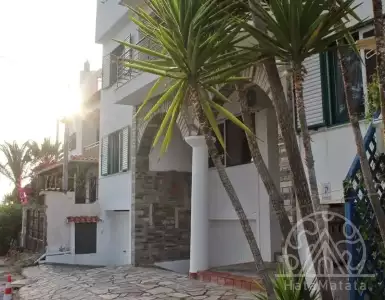
- Attica prefecture (Athens–Piraeus agglomeration) — especially the southern coastal districts of Athens. These coastal neighbourhoods attract buyers seeking sea-facing residential units with good access to the city and to Piraeus port.
- Thessaloniki — Greece’s second city and the country’s major northern gateway draws investment for both residential and mixed-use properties.
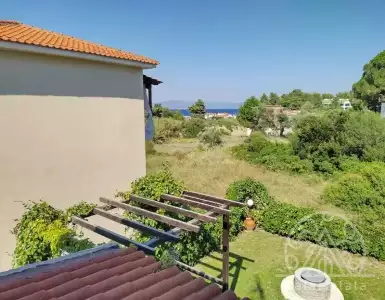
- Aegean islands — a variety of islands show buying activity, across the tourist-exposed property segment.
Commercial property and residential acquisitions are both in play. Turkish investors include corporate buyers alongside private individuals; Turkish business capital is cited explicitly in embassy reporting.
How this plays out on the ground: expect demand for renovated apartments and turnkey holiday lets in Athens’ southern suburbs, mid-sized blocks and redevelopment projects in Thessaloniki, and a higher number of single-unit transactions on popular islands.
Why Turkish investors are buying Greek property
Several pragmatic motives explain the shift. We have to read these drivers against economic and political context rather than market mythology.
- Proximity and accessibility: Greece is geographically close to Turkey, with frequent ferry and air links. That makes it easier for buyers to inspect, manage and rent properties from Turkey.
- Currency and currency diversification: Buying assets denominated in euros is a way for Turkish investors to reduce exposure to the Turkish lira in their portfolios.
- Tourism-driven rental demand: Coastal Athens districts, the islands and Thessaloniki show sustained visitor flows that support short-term rental revenue models.
- Business and operational opportunities: Turkish firms see cross-border property deals not only as investments but as platforms for expanding services, hospitality and logistics.
We see these motives reflected in the FDI numbers. Many investors treat Greek property as a hedge and as an income-generating asset. That is a rational response to macro uncertainty in Turkey and the search for stable-denomination assets.
What this means for buyers and investors from Turkey (practical advice)
If you are a Turkish buyer or a foreign investor watching this trend, you need a clear checklist. Cross-border property deals are straightforward in essence, but execution requires attention to legal, fiscal and operational detail.
Key steps and considerations:
- Do a title search and legal due diligence with a Greek lawyer experienced in property transactions. Verify land registry entries (Ktimatologio) and check for outstanding encumbrances.
- Understand tax obligations in Greece: transfer taxes, property taxes, VAT where applicable and annual municipal levies. Consult a fiscal adviser who works across jurisdictions to avoid double taxation surprises.
- Factor in transaction costs and service fees: notarial fees, legal fees and agency commissions. Budget these into your purchase price.
- Plan for currency exposure: convert funds to euros with an eye to timing and transfer costs; monitor exchange-rate trends between TRY and EUR.
- Decide on use-case early: owner-occupier, holiday rental, long-term rental or resale. This affects renovation budgets, licensing and management strategy.
- Secure property management: if you will not be onsite frequently, arrange a trusted property manager for maintenance and rental operations.
- Check residency and visa rules before assuming property ownership equals residency rights. Rules change, so obtain current legal advice.
We recommend a conservative approach to yield assumptions. Tourist demand can shift with seasonality and broader travel trends; good projects still require realistic occupancy and price forecasts.
Risks, market pressures and what could slow the trend
There are real risks to this cross-border buying wave. We must treat the inflows as a structural change that carries trade-offs.
- Competition and price pressure: increased foreign buying can push prices up in desirable suburbs and islands, reducing upside for new buyers who enter later.
- Regulatory shifts: legislation affecting property purchase, taxation or residency by investment can change quickly.







Our view is cautious. Growth has momentum, but it is not unstoppable. Investors should expect volatility and build buffers into purchase and operating models.
How the Turkish buying wave affects local Greek markets and other foreign buyers
There are three immediate effects to watch:
- Local competition intensifies in hotspot neighbourhoods. That may squeeze first-time Greek buyers and renters if supply is limited.
- International capital mix changes. The same southern coastal districts attract Israeli investors, as reported, so Greek sellers often have multiple foreign buyers to choose from.
- Redevelopment and renovation demand rises. When buyers target coastal apartments or island villas, developers respond with refurbishment and upgrade projects aimed at higher-yield segments.
Municipalities and local planners may react by changing zoning or licensing. This could either slow further inflows into certain areas or redirect investment toward new locations with available supply.
Practical entry strategies for investors from Turkey and elsewhere
There is no single correct approach. Here are pragmatic strategies depending on investor profile:
- Conservative buy-and-hold: buy a well-located residential unit in Athens or Thessaloniki, rent long-term to local tenants, and use the property as a hedge against currency risk.
- Income-focused holiday-rental: choose a coastal apartment or island villa with proven short-term rental demand; contract a professional manager and build marketing channels.
- Development or renovation play: acquire undervalued buildings for renovation and resale. This requires local construction partners and deeper project management expertise.
- Corporate acquisitions: for companies, consider mixed-use investments near ports or transport hubs that support logistics or hospitality operations.
Due diligence and local partnerships are the common thread across all strategies. We advise working with Greek lawyers, accountants and brokers who handle cross-border investor clients regularly.
Market outlook — cautious but attentive
The jump in FDI from Turkey to Greece since 2022 has reshaped who is bidding in certain segments of the market. While 2025’s inflow of €237 million is slightly below 2024’s €299 million, it still indicates a structural shift: Turkish capital is now a consistent presence rather than an occasional one.
My assessment is that we will see continued interest so long as the core drivers remain — geographic proximity, euro-denominated assets, and tourism demand. However, expect fluctuations year-to-year. Regulatory reaction from Greek authorities, changes to residency or tax incentives, and macroeconomic developments in Turkey and the eurozone will all influence flows.
How local Greek sellers and agents should respond
If you are a seller or a listing agent in Greece, this trend changes your buyer pool. Here is what to do:
- Prepare bilingual marketing materials and be ready for cross-border negotiations.
- Offer clear documentation on taxes, running costs and rental performance to attract informed foreign buyers.
- Consider packaging services such as property management or renovation guarantees to make purchases easier for buyers who are not resident in Greece.
Agents who understand cross-border transfer logistics and who can coordinate legal and fiscal advice will capture more transactions than those who focus solely on domestic buyers.
Frequently Asked Questions
How much Turkish investment went into Greek real estate in 2025?
Answer: According to provisional figures cited by the Office of Economic and Commercial Affairs at the Greek embassy in Ankara and based on the Bank of Greece data, FDI inflows from Turkey to Greece reached €237 million in 2025.
Which parts of Greece are Turkish buyers most interested in?
Answer: Turkish buyers focus on Attica prefecture (Athens–Piraeus), especially Athens’ southern coastal districts, Thessaloniki and a range of Aegean islands. Those areas are attractive for both holiday lets and city access.
Does buying property in Greece give residency or citizenship rights?
Answer: Residency and citizenship rules vary and change over time; property ownership does not automatically equal residency. If residency is a key aim, consult a specialised immigration lawyer to confirm current rules and thresholds before buying.
What are the main risks Turkish investors should watch for?
Answer: Key risks include regulatory changes in Greece, currency exposure when converting Turkish lira to euros, price competition in hotspots, and tourism demand volatility. Solid legal and fiscal due diligence helps manage these risks.
Final takeaway
The inflow of Turkish capital into Greek property is measurable and sustained: from €49m in 2022 to €237m in 2025, with a peak of €299m in 2024. For investors, the practical takeaway is clear — Greek real estate offers euro-denominated exposure and tourism-backed income, but successful cross-border deals require careful legal checks, fiscal planning and a realistic view of operating costs and currency risk. At minimum, build transaction and management costs into your budget before committing to a purchase.
Tags
We will find property in Turkey for you
- 🔸 Reliable new buildings and ready-made apartments
- 🔸 Without commissions and intermediaries
- 🔸 Online display and remote transaction

International Real Estate Consultant

Subscribe to the newsletter from Hatamatata.com!
Subscribe to the newsletter from Hatamatata.com!
Popular Posts

We will find property in Turkey for you
- 🔸 Reliable new buildings and ready-made apartments
- 🔸 Without commissions and intermediaries
- 🔸 Online display and remote transaction
International Real Estate Consultant

Subscribe to the newsletter from Hatamatata.com!
Subscribe to the newsletter from Hatamatata.com!
I agree to the processing of personal data and confidentiality rules of Hatamatata
Need advice on your situation?
Get a free consultation on purchasing real estate overseas. We’ll discuss your goals, suggest the best strategies and countries, and explain how to complete the purchase step by step. You’ll get clear answers to all your questions about buying, investing, and relocating abroad.



Sales Director, HataMatata