


Why 20 Million Single Women Owning Homes Changes the US Real Estate Market

A record shift in the real estate USA market that investors and buyers should track
Last year the U.S. property market added a milestone few expected: the number of single female homeowners climbed past 20 million, a new high even as affordability remains tight. This is not a small demographic blip. It is a structural change in who buys homes and why, and it matters for agents, developers, and investors trying to read demand across metros and suburbs.
We will explain the data, describe what single female buyers want, and lay out practical implications for anyone active in the housing market. Our analysis is based on reporting and data from First American Financial Corp., Realtor.com, and the National Association of Realtors (NAR).
What the numbers say: scale, rate and buyer share
The headline is simple and striking: more than 20 million single women now own homes in the U.S. That figure comes from a new analysis by First American Financial Corp. The same report shows that the overall homeownership rate among single women edged down slightly from roughly 52% to 51%.
At first glance that drop in the rate looks contradictory. Odeta Kushi, deputy chief economist at First American, explains the reason clearly: the rate softened not because fewer women own homes, but because the number of single women forming independent households rose faster than the pace of purchases. In plain terms: more single households exist, and the housing stock is absorbing them gradually.
Other data points worth locking in:
- Single female buyers made up 21% of all buyers in 2025, according to NAR's Profile of Home Buyers and Sellers.
- The share of single women with a bachelor’s degree or higher rose from 20% in 2000 to 35% last year.
- Median household income among single women increased from $42,000 to $51,000.
- Single women earn about 84 cents for every dollar earned by single men, per NAR.
Those numbers explain why single women are a powerful buying cohort even when gender income gaps persist. Education and income gains have widened the pool of financially prepared female buyers.
Who are these single women? A portrait that defies stereotypes
The stereotype of the typical solo female buyer as a twenty-something moving out for the first time does not capture the reality. Realtor.com Chief Economist Danielle Hale notes that single female homeowners span a wide range of ages and life stages.
Key demographic features include:
- A large share of older women who are separated, divorced, or widowed.
- Many single women living with dependents, either children or elderly relatives.
- Buyers drawn from a mix of career stages; more are college educated than two decades ago.
This variety matters because it drives different housing needs. A young professional might prioritize commute and nightlife access, while an older woman managing caregiving responsibilities will prioritize safety, layout and proximity to services.
What single women look for when buying: practical preferences
Real estate agents who work with single female buyers report consistent preferences and deal-breakers. These are based on anecdotal evidence from markets like Nashville and larger national surveys.
Common priorities include:
- Safety and neighborhood feel: well-lit streets, visible neighborhood activity, and low-crime perception.
- Convenience and walkability: access to transit, grocery stores, clinics and community spaces.
- Manageability: condos, townhomes, and smaller single-family homes that require less maintenance.
- Move-in readiness: updated kitchens, ample storage, and systems that won’t need immediate repair.
- Long-term value: interest in neighborhoods with resale strength or near-term growth potential.
Agents say many single women conduct thorough neighborhood research, often prioritizing known micro-features such as school quality even when they themselves do not have children. Security features like locks, visible entryways, and low-density multi-unit buildings can be decisive.
Why this trend is happening: education, income, and choice
The rise in single female homeownership is the product of several forces working together.
-
Education gains. The share of single women with a bachelor’s degree or higher rose from 20% in 2000 to 35% last year. A college degree lifts lifetime earning potential and mortgage eligibility.
-
Income growth. Median household income for single women rose from $42,000 to $51,000, expanding purchasing power despite inflation and high home prices.
-
Household formation. More single women are forming independent households, increasing demand even if the ownership rate dips marginally.
-
Behavioral choices. Many single women accept financial trade-offs—delaying vacations, cutting nonessential spending, taking second jobs—to save for down payments and secure equity. Agents report intentional decisions to buy rather than rent because homeownership is seen as a reliable route to wealth building.
These are structural shifts rather than a short-term blip. Education and earnings trends tend to change buyer pools slowly and persistently.
Market implications for sellers, developers and investors
This demographic change affects housing supply and product design. If you build, sell or invest in U.S. property, consider these takeaways:
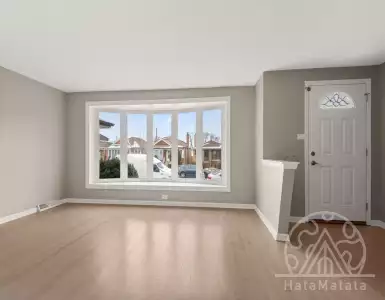
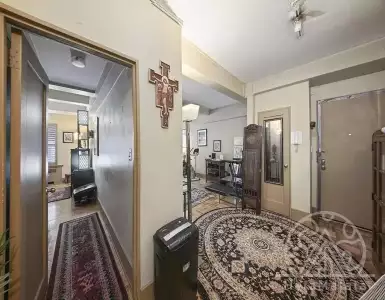
- Demand profile: Expect higher demand for condos, townhomes and smaller single-family homes that require less upkeep. These asset types often attract single women who prefer move-in ready units with modern kitchens and storage.
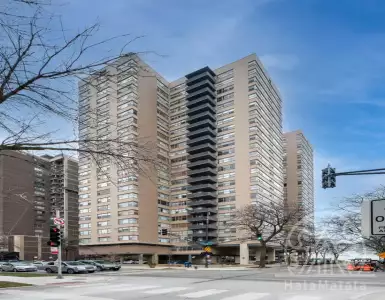
- Neighborhood selection: Properties in walkable, lower-crime neighborhoods with accessible services will be more attractive. Projects near transit nodes and mixed-use corridors may see outsized interest.
- Unit features: Security systems, low-maintenance exteriors, and thoughtfully designed floor plans are selling points.





For investors, a corollary exists: neighborhoods where single female homeownership is rising may show lower churn and steadier demand for smaller properties—useful for rental conversions and buy-to-hold strategies.
Risks and headwinds: affordability, income gaps and caregiving burdens
This trend is not without challenges, and we should be honest about them.
- Affordability remains strained. Even with rising incomes, housing price growth and higher mortgage rates have pushed monthly costs up.
- The gender pay gap persists. Single women on average make about 84 cents to the dollar compared with single men—this compresses buying power and may limit choices in expensive markets.
- Caregiving responsibilities can be both a driver of purchase (seeking stability) and a constraint (higher ongoing expenses and less flexible labor participation).
- Household formation outpacing home purchases means the ownership rate can fluctuate even as raw numbers rise; this could pressure rental markets and create segmented demand across price tiers.
We cannot assume the trend eliminates market risk. Instead, it reshapes how risk is distributed across property types and neighborhoods.
Practical advice: for single women buying a home
If you are a single woman considering purchase, here are grounded steps based on what successful buyers do:
- Start with a realistic budget. Factor in taxes, insurance, condo fees and caregiving costs.
- Save for a down payment but also build a working cash reserve for repairs or income shocks.
- Prioritize safety features and neighborhood checks: visit at different times of day, review local crime data, and speak with neighbors.
- Consider smaller or lower-maintenance property types if upkeep is a concern.
- Get preapproved and compare mortgage products: smaller rate differences cost thousands over time.
- Look for neighborhoods with growth signals: infrastructure projects, employment gains, and school investments.
We advise bringing a trusted agent who has experience with single women buyers. They can flag structural risks like HOA rules or resale constraints.
Practical advice: for agents and developers
Agents and developers should adapt product and sales approaches:
- Product design: offer compact units with functional storage, durable finishes and security options.
- Sales messaging: highlight concrete attributes—walk score, nearby services, exterior lighting—rather than vague lifestyle claims.
- Financing support: partner with lenders who can explain first-time buyer credits, assistance programs, and flexible underwriting for nontraditional income streams.
- Community-building: create experiences and spaces that foster a sense of belonging, including secure communal areas and organized neighborhood groups.
Sellers who stage units with safety and storage solutions can make properties more appealing to this buyer segment.
What this means for the broader housing market
We should be clear: single women are now a central force in homebuying. They accounted for 21% of buyers in 2025, more than double the share of single men. That magnitude affects housing demand patterns across price points and property types.
For markets where single women are concentrating, expect consistent demand for smaller, lower-maintenance units. For metros experiencing an influx of educated female professionals, modestly priced condos and townhomes with good transit access will likely outperform similar units in car-dependent suburbs.
Investors should not chase every rising neighborhood blindly. Instead, map where single female household formation is growing relative to supply of appropriate units. Those are the neighborhoods where price appreciation and rental performance might be more durable.
Frequently Asked Questions
Who counted as a single female homeowner in the data?
The analysis referenced classifies homeowners by household composition. Single female homeowners are women listed as the head of a household who are not cohabiting with a partner. The report aggregated census and housing data sources as summarized by First American.
Does the rise in single female homeowners mean the overall homeownership rate is climbing?
Not automatically. The number of single female owners rose to over 20 million, but the ownership rate among single women fell slightly from 52% to 51% because more single women formed independent households faster than they purchased homes. In other words, raw numbers can grow even if the percentage rate dips.
What property types are most popular with single women?
Agents report a preference for condos, townhomes and smaller single-family homes that are easier to maintain and often move-in ready. Priorities include safety, walkability and updated kitchens or storage.
How should investors respond to this trend?
Investors should consider product fit and location. Look for areas with growing single household formation, good walkability, and a supply of small units that can be marketed to single female buyers. Pricing and financing clarity will help accelerate sales.
Bottom line
The U.S. housing market now counts more than 20 million single women as homeowners, a demographic force that made up 21% of buyers in 2025. The growth is powered by rising education and incomes—35% of single women now hold a bachelor’s degree or higher and median household income rose to $51,000—but it coexists with affordability pressures and an ongoing gender pay gap. For buyers, sellers, developers and investors, the practical fallout is straightforward: prioritize smaller, low-maintenance units in safe, walkable neighborhoods and offer transparent financing and resale narratives. Expect single women to remain a decisive market segment for the next several years, and plan product and policy responses accordingly.
We will find property in USA for you
- 🔸 Reliable new buildings and ready-made apartments
- 🔸 Without commissions and intermediaries
- 🔸 Online display and remote transaction

International Real Estate Consultant

Subscribe to the newsletter from Hatamatata.com!
Subscribe to the newsletter from Hatamatata.com!
Popular Posts

We will find property in USA for you
- 🔸 Reliable new buildings and ready-made apartments
- 🔸 Without commissions and intermediaries
- 🔸 Online display and remote transaction
International Real Estate Consultant

Subscribe to the newsletter from Hatamatata.com!
Subscribe to the newsletter from Hatamatata.com!
I agree to the processing of personal data and confidentiality rules of HatamatataPopular Offers



Need advice on your situation?
Get a free consultation on purchasing real estate overseas. We’ll discuss your goals, suggest the best strategies and countries, and explain how to complete the purchase step by step. You’ll get clear answers to all your questions about buying, investing, and relocating abroad.



Sales Director, HataMatata