


Why Koh Samui and Koh Phangan Are Pulling Global Property Money — What Buyers Must Know

A sudden shift: islands draw global property Thailand buyers
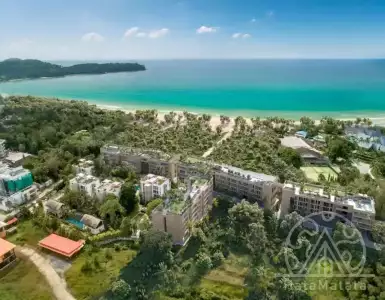
Koh Samui and Koh Phangan have moved fast from boutique tourism spots to major draws for property Thailand investors. The headline numbers are blunt and hard to ignore: 154 residential projects, 2,860 units and more than 61 billion baht in development value on the two islands at the end of Q1 2026, according to Colliers Thailand. For investors who follow market cycles, this kind of concentrated growth tastes like opportunity — and risk.
In this report we examine what is driving the rise, which product types are selling, who is buying, and what practical checks buyers and investors must perform before committing capital. We also flag competitive pressures now entering from Bangkok developers and outline why land prices that are still below Phuket's may mean more growth ahead.
What the data says: growth that is measurable and rapid
Colliers Thailand's research provides a compact picture of supply and demand dynamics across the two islands.
- Combined inventory: 154 projects with 2,860 units and >61 billion baht in development value (Q1 2026).
- Koh Samui: 113 projects, 2,422 units, 53.2 billion baht in value. Product mix: 65 villa projects (749 units) worth nearly 30 billion baht, 9 condo projects (1,214 units), and 39 housing projects (459 units).
- Koh Phangan: 41 projects, 438 units, 7.94 billion baht in value. Villas dominate with 26 projects (294 units) worth 6.83 billion baht.
- Buyer composition: Samui buyers are 85–90% foreign, while Phangan buyers are more than 90% foreign; Thai buyers make up roughly 10–15% on Samui and about 10% on Phangan.
- Price points: typical condo prices on Samui range from 60,000–80,000 baht/sq m, with some luxury projects above 200,000 baht/sq m.
Those numbers matter because they show both scale and concentration. Samui is now operating like an international resort market. Phangan is following, with a distinct tilt toward long-stay, retirement and rental markets.
Why foreign demand is so strong — buyer profiles and motivations
Understanding who is buying helps us understand future market direction.
- Primary buyer groups are European investors (more than half of Samui demand), followed by Russians, Israelis, Chinese, Australians, Czech and French buyers.
- On Phangan the strongest foreign demand comes from Israelis, Europeans and Australians; areas such as Sri Thanu attract wellness-focused expats and digital nomads.
Buyers are motivated by three main use cases:
- Long-stay residences and retirement homes, especially among Europeans and Israelis.
- Rental investment: short-term holiday lets and longer-term rentals to expats or remote workers.
- Lifestyle relocation for digital nomads and wellness seekers, particularly on Phangan.
One key market feature is the prevalence of leasehold ownership, which allows foreigners to acquire usage rights that drive market activity. Colliers notes leasehold is the dominant structure in both markets, and that explains the high share of overseas purchasers.
Product mix: villas lead, condos and housing follow
Developers are clearly targeting the higher-margin villa segment. The split is not trivial for investors deciding product type.
- Villas: the dominant offering on both islands, with 65 projects on Samui (749 units) and 26 projects on Phangan (294 units). Villas are priced to attract affluent second-home buyers and buyers seeking privacy and sea views.
- Condominiums: Samui recorded 9 condo projects with 1,214 units. Condo price ranges of 60,000–80,000 baht/sq m in mainstream projects create an entry point for many foreign buyers; high-end projects can go beyond 200,000 baht/sq m.
- Housing estates: smaller footprint but part of a diversified supply base.
Villas and branded residences are selling strongly because they match demand for private, amenity-rich living that can command premium rental rates. Developers are responding with projects that aim to combine resort services and investment-grade finishes.
Opportunity: lower land values than Phuket, room to grow
Phattarachai Taweewong of Colliers notes that while land prices have risen sharply in the past two years, they remain significantly lower than on Phuket. That relative discount is central to the islands' investment narrative.
What that means for investors:
- There is price upside if demand continues and infrastructure improves.
- Developers from Bangkok are moving in — Supalai Plc and Ornsirin Holding are named entrants — which will increase professionalisation and competitive product offerings.
- The islands retain an arbitrage advantage versus established resort markets, attracting buyers who want island lifestyle at a lower cost base.
Still, cheaper land is not a guarantee of returns. Appreciation depends on occupancy levels, tourism recovery patterns, transport links and how well projects are positioned for the buyer profile they target.
Risks and deal-proofing: what we tell buyers to check
High foreign demand and developer interest create momentum. Momentum attracts capital, and capital magnifies errors. Here are practical, industry-standard safeguards to reduce downside.
- Title diligence: verify land titles thoroughly. Colliers warns developers must check land titles before launch. For buyers this means examining Chanote (title deed) or other permitted instruments, confirming boundaries and encumbrances.
- Leasehold terms: if you buy leasehold, confirm the lease duration, renewal clauses, transferability and whether the developer has registered the lease appropriately.
- Planning and approvals: ensure projects have valid building permits, environmental approvals and local zoning consistency.
- Infrastructure risk: check road access, utility reliability (water and sewage) and availability of healthcare and schooling if long-stay markets are targeted.
- Market concentration risk: with 85–90% and >90% foreign purchase shares, currency fluctuations, travel restrictions and changes in tourist sentiment can compress demand rapidly.
- Product positioning: success will depend on location, product quality and pricing.





Practical steps for buyers and investors:
- Ask for audited sales absorption numbers if you are buying off-plan or for rental income estimates based on actual comparable projects.
- Insist on transparent service-fee structures and forecast maintenance costs for villas and condo common areas.
- Use local legal counsel experienced in Thai property and in island-specific issues like beach setbacks and coastal regulation.
How developers are changing the market
The entry of large Bangkok-based developers is a structural shift. Their presence brings larger capital pools, stronger marketing reach, and the know-how to launch branded products.
Effects to expect:
- Increased competition on prime plots and higher land acquisition activity.
- Professionalised product delivery and potentially higher construction standards.
- Faster absorption in popular segments, but also faster supply growth that could pressure mid-market pricing.
We think competition will stratify the market. Higher-end and well-located resort projects should remain resilient. Peripheral projects that rely mostly on speculative buyers may face longer sales cycles.
Where on the islands buyers are focusing
Location remains the single most important variable affecting resale, rental and lifestyle outcomes.
- Koh Samui prime pockets: Mae Nam, Chaweng-Bophut and Lamai are highlighted by Colliers. These areas combine demand drivers such as beaches, restaurants and service infrastructure.
- Koh Phangan pockets: Sri Thanu and Hin Kong are popular with wellness-focused European buyers and digital nomads; Haad Yao, Haad Salad and Mae Haad attract wealthier buyers seeking privacy and sea views.
Buyers should match location to use case. If rental yield is the goal, proximity to main beaches and transport links matters. For retirement or long-stay, community amenities and healthcare access rank higher.
Market outlook: cautious optimism, not guaranteed gains
The islands show strong signs of structural change: new demand patterns, hefty foreign buyer shares and leading developers expanding into the market. That is a credible recipe for growth. But markets move in cycles, and several constraints will determine the pace and sustainability of gains.
Key constraints to watch:
- Infrastructure development (ferries, airports, healthcare) and how public investment keeps pace with private growth.
- Global travel patterns and how resilient tourism flows are to economic headwinds.
- Legal clarity on land ownership and lease transfers that affect foreign buyer confidence.
- How quickly supply growth translates into real occupancy and sustainable rental income.
Our analysis is that early movers who take care on legal and title checks, who buy in proven pockets and who have realistic expectations for holding periods are better positioned than buyers chasing short-term appreciation.
Practical investor checklist
Before you sign on an island property, run through these items:
- Confirm the exact title type and request an independent land survey.
- Check the lease contract details if the unit is leasehold: term length, extension rights and registration.
- Review comparable rental performance from operating projects in the same micro-location.
- Ask the developer for bank guarantees or escrow arrangements for staged payments.
- Evaluate exit options: resale markets on island often depend on foreign buyer pools.
Frequently Asked Questions
Are Koh Samui and Koh Phangan good for rental income?
Both islands have strong tourist demand and substantial foreign buyer interest. Villas in beachfront or elevated sea-view sites can generate premium nightly rates. However, rental income varies by location, seasonality, property quality and management. Always request historical occupancy and income data from comparable projects.
Can foreigners buy freehold on these islands?
Freehold ownership for foreigners is limited in Thailand; most foreign buyers use condominium freehold or leasehold arrangements. Colliers notes leasehold is the dominant structure on Samui and Phangan. Seek local legal advice to understand the exact ownership options for a specific property.
How risky is the high foreign-buyer share?
High foreign-buyer concentration introduces sensitivity to travel bans, currency swings and geopolitical shifts. When 85–90% or >90% of demand comes from non-residents, a downturn in inbound travel can materially reduce resale demand and rental income.
What are sensible holding periods for island property?
Given the market cycle and the current stage of development, a medium- to long-term horizon (5–10 years) is prudent for capital appreciation. Short-term flips carry more risk due to construction timelines, sales absorption and dependence on steady tourism flows.
Final takeaways for serious buyers and investors
Koh Samui and Koh Phangan offer a clear opportunity window: strong foreign demand, an expanding pipeline of professionally developed projects and land values that are still below Phuket's peak levels. But opportunity requires care. Verify land titles, understand leasehold rules, match product to the buyer profile and size holdings for the right time horizon. Remember the concrete numbers: Samui condo prices typically range from 60,000 to 80,000 baht per sq m, with some luxury projects above 200,000 baht per sq m, and the combined island pipeline is 154 projects with 2,860 units worth more than 61 billion baht (Q1 2026).
Treat those facts as the starting point for due diligence, not as a guarantee of returns.
Tags
We will find property in Thailand for you
- 🔸 Reliable new buildings and ready-made apartments
- 🔸 Without commissions and intermediaries
- 🔸 Online display and remote transaction

International Real Estate Consultant

Subscribe to the newsletter from Hatamatata.com!
Subscribe to the newsletter from Hatamatata.com!
Popular Posts

We will find property in Thailand for you
- 🔸 Reliable new buildings and ready-made apartments
- 🔸 Without commissions and intermediaries
- 🔸 Online display and remote transaction
International Real Estate Consultant

Subscribe to the newsletter from Hatamatata.com!
Subscribe to the newsletter from Hatamatata.com!
I agree to the processing of personal data and confidentiality rules of HatamatataPopular Offers

 1
1
 0
0
 2
2
80
2
2
80
 4
4
166
4
4
166
Need advice on your situation?
Get a free consultation on purchasing real estate overseas. We’ll discuss your goals, suggest the best strategies and countries, and explain how to complete the purchase step by step. You’ll get clear answers to all your questions about buying, investing, and relocating abroad.



Sales Director, HataMatata