


Why Portugal’s Property Market Still Pulls Global Capital — and Where Investors Should Watch Next

Portugal real estate: steady demand despite global shocks
Portugal real estate remains a magnet for overseas investors, from small private buyers to global funds. That is the clear message from a panel of market leaders who spoke at Lisbon’s SIL 2026 property fair on 24 April 2026. The debate made one thing plain: despite geopolitical shocks, appetite for Portuguese housing, offices, logistics and hotels has not evaporated. Our analysis sorts what is genuinely investable, what is constrained by policy and costs, and where buyers should tread carefully.
Quick takeaway
- One- and two-bedroom apartments account for 40% of all residential sales in Portugal and are the hottest stock for small investors.
- 94% of small-investor residential purchases are by Portuguese buyers; 6% are by foreigners, mainly from Spain, Brazil, the US, UK, France and Germany.
- Commercial segments — logistics, offices and hotels — are showing strong yields and attracting institutional capital.
- Structural problems — complex planning, slow licensing, labour shortages and rising construction costs — limit new supply, especially for middle-market housing.
What the SIL 2026 panel said — and why it matters
The SIL 2026 session organised by Diário Imobiliário brought together five industry figures: Francisco Horta e Costa (CBRE), Pedro Vicente (Overseas), Patrícia Barão (Dils), José Cardoso Botelho (OneMark Properties) and moderator Fernanda Pedro (Diário Imobiliário). They agreed on demand resilience across segments but diverged on what developers should build next.
Patrícia Barão, who manages Dils’ residential arm, highlighted the dominance of small apartments: one- and two-bedroom units represent 40% of all residential sales, with one-bedrooms the preferred asset for small investors. That matters because these units carry smaller capital outlays yet can deliver attractive rental yields compared with low bank returns.
Francisco Horta e Costa framed the market as several markets in one: developers and rental investors behave differently, and each segment has its own dynamics. He noted the surge in modern logistics development and the tightening office market, where demand outstrips current supply.
Pedro Vicente put the structural dilemma bluntly: rising construction costs, heavier regulation and weakening buyer finances mean building affordable or middle-class housing is struggling to pencil out. He said developers increasingly build what the market allows rather than what planners or policymakers might prefer.
José Cardoso Botelho argued that premium and ultra-premium residential products are where developers see the best return on time and capital, attracting hotel brands and wealthy buyers.
Residential market: small units, big demand — but fewer middle-market builds
From an investor perspective, Portugal’s residential sector is a study in contrasts.
- Demand is concentrated in smaller units. One- and two-bedroom homes are 40% of sales, and they sell quickly when new projects launch.
- Small-ticket investors are mostly local. 94% of small-investor transactions are by Portuguese buyers; only 6% are by foreigners.
Why does this matter? Smaller apartments are attractive to:
- First-time buyers and young professionals seeking entry-level ownership.
- Rental investors targeting short-term or medium-term lettings, particularly in university cities and urban centres.
But supply is constrained. The panel stressed long-standing barriers:
- Complex legal frameworks and slow planning permission processes slow delivery and raise holding costs.
- Urban regeneration incentives have ended in many cases while overheads and raw material costs have risen, undermining previously viable refurbishment projects.
- A shortage of qualified construction labour and higher building material prices push unit costs up.
The net effect is a squeeze on the middle segment. Developers find it increasingly hard to deliver mid-market, build-to-rent or affordable flats that are both profitable and accessible to younger buyers earning €1,000–€1,500 a month. For those buyers, mortgages and deposit requirements make outright purchase unrealistic without additional support.
Practical implication for buyers/investors:
- If you are a small investor looking for a steady yield, one-bedroom apartments in urban centres remain the most liquid asset.
- If you aim to back projects targeting the middle class, expect higher capital requirements or to partner with institutions that can absorb longer timelines and policy risk.
Commercial property: logistics, offices and hotels are on investors’ radar
The panel agreed the commercial market is unusually active across multiple fronts.
Logistics
- What was once seen as the lowest-yield commercial asset is now attractive. Developers can buy land, build large-scale warehousing and achieve strong margins by leasing to occupiers and later selling to core investors.
- The shift is linked to e-commerce growth and supply-chain reconfiguration.
Offices
- There is a shortage of modern, quality office space near demand hubs. Francisco Horta e Costa said demand exceeds available square metres for new high-quality buildings.
- This creates the prospect of solid rental growth and attractive yields for new developments targeted at large occupiers.
Hotels
- Tourism remains a backbone of demand. Hotels show strong year-on-year performance and are drawing both operating brands and investors seeking hospitality exposure.
For institutional investors and family offices, the pipeline offers options:
- Logistics and core-office investments have become staples for funds seeking stable cash flow and alternative returns.
- Hotel assets offer yield and capital appreciation tied to tourism recovery and international travel patterns.
Risks to consider:
- Regulatory and planning delays affect commercial projects as much as residential.
- Market concentration in a few urban hubs can create valuation sensitivity to localized shocks.
The premium segment: why developers are drawn to luxury
José Cardoso Botelho argued there is a clear development case for luxury and ultra-luxury product in Portugal. The reasons are straightforward:
- Luxury projects carry higher absolute margins per unit after accounting for licensing and time costs.
- International hotel brands and high-net-worth buyers remain active in the market, creating demand for branded residences and high-end developments.
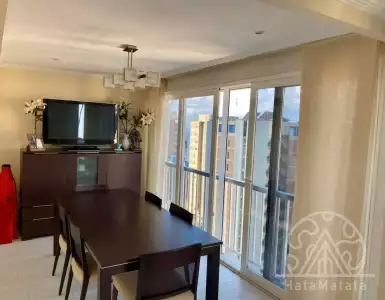
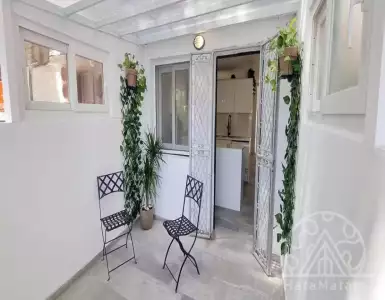
This is not just about seaside villas in the Algarve; it includes branded urban residences, conversions paired with hotel operation, and high-end apartments in prime Lisbon neighbourhoods.






Investor note:
- If you are a high-net-worth buyer or an investor seeking exposure to premium assets, these projects offer a clearer path to value-add. But expect longer timelines and greater concentration risk tied to tourism cycles and luxury consumption.
Why build-to-rent is not yet mainstream in Portugal
Build-to-rent (BTR) is a major topic in many European markets. In Portugal, the panel said the model is undercut by several factors:
- Adverse regulatory frameworks for rental investors reduce expected yields.
- Rising construction costs make long-term rental investments harder to justify without significant scale or institutional backing.
- Developers face difficulty assembling favourable financing and operational platforms to make BTR work.
Pedro Vicente made a telling point: developers would like to provide long-term rental stock to enable younger generations to start their housing careers, but the current market economics make such projects unviable without state support or market reform.
What this means for investors:
- Institutional players with low-cost capital may still make BTR viable, especially in student or senior housing niches where demand is predictable.
- Retail investors should be cautious about expecting high near-term yields from rental developments unless supported by tax incentives or subsidies.
Policy and planning: the bottleneck that keeps supply tight
One recurring theme was the policy environment. The Portuguese planning and permitting system is seen as over-complicated and slow. This has several consequences:
- Projects spend more time in pre-construction, increasing developers’ holding costs.
- Urban regeneration projects are less attractive when tax incentives have ended and margins are squeezed by cost inflation.
- Smaller developers are more exposed to risk, which can reduce competition and slow new supply.
For international investors, the lesson is clear: legal and permitting due diligence is as important as market analysis. Time-to-permit and potential regulatory changes are material risks that can alter project returns.
Where foreign capital is flowing — and why
International investment remains significant in Portugal. Panelists identified several channels and targets:
- Funds and family offices are active in logistics, student housing, senior residences, hotels and retail.
- Luxury residential projects attract private global buyers and branded operators.
Why foreign investors keep coming:
- Portugal is perceived as a safe and investable market with a track record of tourism resilience and steady rental demand in key cities.
- Attractive yields in selected commercial sectors compare favourably with core European markets.
But overseas buyers should be realistic about competition and local market nuances — for example, the majority of small-ticket residential purchases are Portuguese, reducing the pool of small assets available for foreign buyers.
Practical checklist for buyers and investors
If you are considering a move into Portugal real estate, use this checklist to shape your approach:
- Conduct rigorous permitting and legal due diligence before pricing a deal.
- For residential investments target one-bedroom or two-bedroom units in urban centres for liquidity and rental demand.
- If you are a long-term institutional investor, evaluate logistics, core offices and hotels for yield and diversification.
- Expect higher construction costs; factor inflation and labour constraints into feasibility models.
- Consider partnerships with local developers or operators who understand licensing timelines and municipal relations.
- If pursuing luxury projects, budget for longer timelines and brand-driven sales cycles.
Risks and caveats
We must be candid about downsides:
- Slow permitting and regulatory complexity are material risks that can delay or derail projects.
- Rising construction costs are compressing margins, particularly for middle-market housing.
- Labour shortages mean developers may face schedule slippage or higher wage bills.
- Geographic concentration of demand in Lisbon, Porto and coastal areas raises exposure to local shocks.
Balancing those risks against sector opportunities is core to successful investing here.
Our view: selective opportunity, careful execution
We see Portugal real estate as a market of selective opportunity rather than broad-based easy returns. The fundamentals are in place: tourism and urban demand underpin hotels and rental stock; logistics demand is structural; quality office scarcity supports development yields. But policy friction and cost inflation are real constraints.
If you are a small investor, focus on established micro-markets: one- and two-bedroom apartments in city centres and university towns. If you are an institutional investor or family office, logistics, student and senior housing, hotels and branded luxury residential remain compelling, provided you can manage permitting and construction risk.
Frequently Asked Questions
Q: Are foreign buyers still active in Portugal’s housing market?
A: Yes. The panel at SIL 2026 confirmed that overseas investor appetite has not significantly diminished. However, foreign buyers account for roughly 6% of small-investor residential transactions, with most small-ticket purchases made by Portuguese nationals.
Q: Which property types are selling fastest?
A: One- and two-bedroom apartments are the most sold types, representing 40% of all residential sales. One-bedroom units are particularly popular with small investors.
Q: Is now a good time to invest in logistics or offices?
A: The panel highlighted both logistics and offices as attractive due to strong demand and supply gaps. Institutional investors that can underwrite construction and permitting timelines may find good yields, but they should budget for regulatory and labour constraints.
Q: Can developers build affordable housing profitably today?
A: According to industry leaders at SIL 2026, building for the middle class is increasingly hard to make financially viable because of higher construction costs and regulatory pressure. The market is currently skewed toward luxury development and niche institutional plays.
Final practical takeaway
Portugal real estate is not a single market but a set of opportunities shaped by local regulation, rising costs and shifting investor profiles. As of SIL 2026, one- and two-bedroom apartments account for 40% of sales, confirming that small-ticket rental assets will remain central to demand for the near term. Investors who pair selective asset choice with rigorous permitting due diligence and local partnerships are best positioned to capture returns.
Tags
We will find property in Portugal for you
- 🔸 Reliable new buildings and ready-made apartments
- 🔸 Without commissions and intermediaries
- 🔸 Online display and remote transaction

International Real Estate Consultant

Subscribe to the newsletter from Hatamatata.com!
Subscribe to the newsletter from Hatamatata.com!
Popular Posts

We will find property in Portugal for you
- 🔸 Reliable new buildings and ready-made apartments
- 🔸 Without commissions and intermediaries
- 🔸 Online display and remote transaction
International Real Estate Consultant

Subscribe to the newsletter from Hatamatata.com!
Subscribe to the newsletter from Hatamatata.com!
I agree to the processing of personal data and confidentiality rules of Hatamatata


Need advice on your situation?
Get a free consultation on purchasing real estate overseas. We’ll discuss your goals, suggest the best strategies and countries, and explain how to complete the purchase step by step. You’ll get clear answers to all your questions about buying, investing, and relocating abroad.



Sales Director, HataMatata