


Why Real Estate in Turkey Is Becoming Russian Investors’ Shelter in 2026

A new refuge: Russian money and the real estate market in Turkey
The real estate market in Turkey has become a clear refuge for many Russian buyers this year, and the shift is worth close attention from anyone tracking cross-border property flows. Within a handful of paragraphs you will see why Russians are now the top foreign buyers of residential property in Turkey, why interest from Russian investors has jumped by 20% since the start of the year, and what this means for buyers, sellers and advisors in both countries.
We think the shift is both understandable and complicated. On one hand, buyers are moving toward a combination of legal certainty, infrastructure and lifestyle. On the other hand, geopolitical shocks are pushing decisions that are driven more by safety and liquidity than by tax or citizenship incentives.
Executive snapshot
- 20% increase in Russian investor interest in Turkey since the start of the year (source: Ekaterina Avdeeva, Russian Chamber of Commerce).
- Russians are the largest foreign purchasers of residential real estate in Turkey (statement by Turkey’s ambassador to Moscow, Tanju Bilgiç).
- Most-favoured locations: Istanbul, Antalya, Mersin and Bodrum.
These are not casual trends. They reflect a re-prioritisation by wealthy and semi-wealthy investors who want stable, liquid holdings in a country that is accessible, has good infrastructure and offers a familiar cultural setting.
Why Russian buyers are choosing Turkey now
Several factors are converging to make Turkey more appealing to Russian property buyers than in previous years.
- Climate and lifestyle: The ambassador highlighted climate and cultural affinity as pull factors. Russia’s buyers often value milder winters and a Mediterranean lifestyle that is easier to access than many other European options.
- Transport and connectivity: Turkey has an advanced transport network that makes moving between major cities and international gateways straightforward. Buyers who want short flights back to Russia or easy intra-country mobility see that as practical value.
- Legal clarity: Officials cite a reliable and transparent land registry system as a comparative advantage. For many foreign buyers, a clear title registration process reduces transaction risk and speeds up closings.
- Infrastructure and urban development: Modern cities and ongoing urban renewal projects give investors a choice of product types, from new-build apartments to renovated heritage properties in city centres.
- Rental income potential: The Turkish market is said to have high rental yield potential, a point that appeals to those who want cash flow as well as capital preservation.
Izzet Ekmekçibaşı of the Türkiye-Russia Business Council said that recent geopolitical tensions around the Strait of Hormuz have made stability more valuable than speculative upside. That helps explain why many foreign buyers now prioritise safety and liquidity above short-term price arbitrage.
Market dynamics: where money is moving and what it buys
If you are an investor, it helps to know which cities are attracting demand and what types of properties are selling.
- Istanbul: Demand stays concentrated in Istanbul, the country’s financial and commercial centre. Buyers seek established neighbourhoods and new developments with international-standard facilities.
- Antalya: A major tourist magnet where buyers often combine holiday use with rental income strategies.
- Mersin: Emerging interest in port-city assets and coastal developments.
- Bodrum: High-end coastal villas and luxury apartments draw seasonal users and long-term residents.
The buyer profile is diversifying. While some buyers are end users seeking second homes, a growing share are investors seeking liquidity and rental income. Developers and market bodies report that investors are focusing on prime locations with established resale markets rather than peripheral projects that rely on price appreciation alone.
Product types in demand
- Newly completed apartments in mixed-use developments with amenities.
- Seafront and resort properties that can be let short-term.
- Central city apartments where the resale market is active.
Prices, yields and transaction volumes vary by city and neighbourhood. Officials and association leaders emphasise that modern investors care more about legal certainty and the ability to convert an asset into cash than they did a few years ago.
Investment logic: liquidity, legal certainty and long-term security
The conversations from Turkish officials and industry representatives show a clear change in investor mindset. For many Russian buyers the calculus is now:
- Can I sell quickly if I need to? Liquidity is a priority.
- Will the legal framework protect my ownership and simplify transfers? Clear land registry processes are a deciding factor.
- Is the location prime enough to hold value over the long term, and does it provide rental income in the meantime?
Zafer Baysal of KONUTDER and GYODER said foreign buyers are shifting away from decisions driven exclusively by citizenship pathways. Instead, they look for “refuge from global uncertainty” and prioritise prime location, liquidity and long-term security. That is a notable change in investor incentives and one that affects what properties are being developed and marketed.
From an investor’s perspective, that makes Turkey an asset that mixes lifestyle and capital preservation. Our analysis suggests that buyers who treat purchases as part of a broader portfolio allocation — focused on diversification, yield and exit options — will find the market aligns better with conservative strategies than speculative ones.
Risks and downsides investors must consider
This is not a one-sided story. We owe readers a balanced assessment.
- Currency risk: Purchasing in a local currency exposes foreign buyers to exchange-rate movement. That can affect both transaction costs and returns when repatriating funds.
- Political and macro risk: The same geopolitical tensions that make Turkey attractive as a stable place for assets can also impact investor sentiment and regional trade.
- Market concentration risk: Heavy demand in a few cities can push prices higher and compress yield margins, making entry points less attractive for yield-focused buyers.
- Regulatory changes: While land registry transparency is cited as a strength, any legal or tax changes can affect returns. Investors should monitor developments in property taxation and foreign ownership rules.
We recommend that buyers perform strict due diligence, use reputable legal counsel familiar with cross-border transactions, and stress-test exit scenarios before committing large sums.
Practical steps for Russian buyers (and other foreign investors)
If you are considering a purchase in Turkey, here are practical actions based on the facts and the market mood.
- Confirm title and registration: Verify the land registry entry and any encumbrances. Officials emphasise a transparent system, but every plot must be checked individually.
- Prioritise liquidity: Buy in neighbourhoods with active secondary markets to increase options for resale.
- Consider currency strategy: Plan for exchange-rate movements and consider using hedging tools where appropriate.
- Understand tax and residency implications: Seek local tax advice.
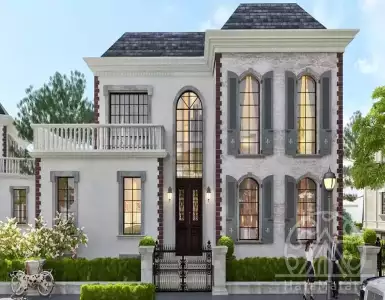




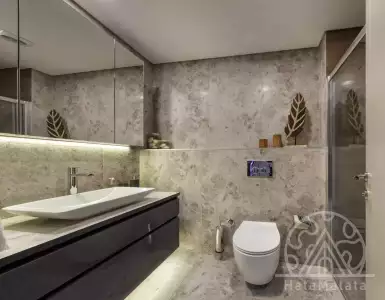


Working with established developers, brokers and legal advisers reduces transaction risk. The Turkish business community is signalling openness to more promotion of investment opportunities in Russia, which could lead to more accessible channels for due diligence and property tours.
What this means for the Turkish property market
The influx of foreign demand has a few market-level implications:
- Pricing pressure in prime areas: Increased demand from foreign buyers can lift prices in central and coastal hotspots.
- Shift in product mix: Developers may focus more on high-quality, ready-to-rent products and on locations with strong resale markets.
- Greater emphasis on transparency: As foreign investors prioritise legal certainty, the market may see increased standards in documentation and disclosures.
Industry representatives have called for broader bilateral cooperation, not just in property. Real estate leaders propose expanding ties into logistics, healthcare, data centres and urban renewal. That could change the type of assets developed over the medium term and offer new avenues for institutional investment.
How the geopolitical context is shaping decisions
Several speakers at recent events linked investor behaviour to wider geopolitical tensions in the Gulf region, especially around the Strait of Hormuz. The result is a redistribution of where capital seeks refuge. According to Turkey’s ambassador to Moscow, Tanju Bilgiç, those tensions have made Turkey an even stronger alternative for those seeking stability in uncertain times.
This is not only about distance or sunshine. It is about predictable systems and the ability to conduct transactions without sudden policy shocks. For many buyers, that predictability is now more valuable than lower sticker prices in markets perceived as riskier.
Our read: opportunities and cautions for investors
We view the Turkish market as offering accessible opportunities for buyers who are disciplined, plan for liquidity and insist on strong legal checks. The surge in Russian interest is a market signal. It says buyers are leaning towards secure, yield-producing assets in countries with dependable public institutions and good connectivity.
That said, investors must be realistic. High demand in a few cities can mean paying a premium. You should expect competition for the best assets and account for carrying costs if you are reliant on rental income.
Practical investors will: prioritise prime locations, validate title and zoning, and model currency exposure. They will also avoid buying into new projects without clear exit pathways and resale comparables.
Conclusion: a clear recalibration of investor priorities
The headline numbers are simple — Russian interest in Turkish property has increased by 20% this year, with Russians the largest foreign purchasers of residential assets in the country. But the subtler shift is more important: buyers now value legal certainty, liquidity and long-term security over quick citizenship routes or purely price-based arbitrage.
For investors, that means the Turkish market is attractive if you are buying for diversification, rental yield and access to a legal system that supports clear title. It also means paying attention to currency risk, local market cycles and the location-specific fundamentals that make resale and yields feasible.
As of this year, the market is rewarding buyers who treat property as a liquid, legally secure asset in cities such as Istanbul, Antalya, Mersin and Bodrum — a reminder that governance and connectivity are often more important than the lowest headline price.
Frequently Asked Questions
Q: Are Russians the largest foreign buyers of property in Turkey? A: Yes. Turkey’s ambassador to Moscow, Tanju Bilgiç, has said Russians are the top foreign buyers of residential property in Turkey.
Q: How much has Russian interest in Turkish real estate increased this year? A: The Real Estate Investments Commission at the Russian Chamber of Commerce reports a 20% rise in Russian investor interest since the beginning of the year.
Q: Which Turkish cities are most popular with Russian buyers? A: The main destinations mentioned are Istanbul, Antalya, Mersin and Bodrum.
Q: Are Russian buyers in Turkey mainly seeking citizenship? A: Industry leaders report a shift. Buyers are less focused on citizenship and more focused on legal certainty, liquidity, prime locations and long-term security, according to statements by sector representatives.
Q: What are key risks for foreign buyers in Turkey? A: Principal risks include exchange-rate volatility, possible regulatory or tax changes, and concentration risk if demand is limited to a few top-tier locations. Always conduct title checks and seek local legal counsel.
We will find property in Turkey for you
- 🔸 Reliable new buildings and ready-made apartments
- 🔸 Without commissions and intermediaries
- 🔸 Online display and remote transaction

International Real Estate Consultant

Subscribe to the newsletter from Hatamatata.com!
Subscribe to the newsletter from Hatamatata.com!
Popular Posts

We will find property in Turkey for you
- 🔸 Reliable new buildings and ready-made apartments
- 🔸 Without commissions and intermediaries
- 🔸 Online display and remote transaction
International Real Estate Consultant

Subscribe to the newsletter from Hatamatata.com!
Subscribe to the newsletter from Hatamatata.com!
I agree to the processing of personal data and confidentiality rules of Hatamatata
Need advice on your situation?
Get a free consultation on purchasing real estate overseas. We’ll discuss your goals, suggest the best strategies and countries, and explain how to complete the purchase step by step. You’ll get clear answers to all your questions about buying, investing, and relocating abroad.



Sales Director, HataMatata