


Why Turkish Buyers Sent a Record $2.4bn Abroad for Property in 2025

Record outflow: Turkish demand for overseas real estate surges
Real estate Turkey buyers spent a record $2.4 billion on overseas property in the first 11 months of 2025, according to central bank balance-of-payments data reported by Anadolu. That figure is 26.2% higher than the same period in 2024 and comes amid a year of steep domestic inflation and currency weakness. For anyone tracking housing prices and cross-border investment flows, this is more than a headline — it is a signal that Turkish capital is increasingly looking for stability and yield outside domestic borders.
In our analysis, this trend combines macroeconomic pressure with clear, market-level incentives: buyers want dollar-linked income, residency options and better rental returns. The numbers and buyer behaviour outlined below matter to property investors, expat advisers and agents marketing to Turkish clients.
What the data says — the hard figures
- $2.4 billion spent by Turkish residents on foreign property during January–November 2025.
- 26.2% increase versus the same period in 2024.
- Annual inflation in Turkey stood at 30.9% in December 2025.
- The Turkish lira lost about 22% against the US dollar during 2025.
- Monthly peak: $288 million in August 2025; monthly low: $144 million in January 2025.
- Average purchase price reported by industry groups: €500,000, with a typical range of €250,000 to €1 million.
- Spending on overseas property has risen 12-fold since 2021, when the figure was $216 million.
- Industry projection: cumulative spending by Turks on foreign property could exceed $6 billion in 2026–27.
Those are concrete numbers. They show growth in scale and speed: Turkish outbound housing purchases are not a marginal sideline any more.
Why Turks are buying abroad: four clear drivers
Several motives recur in interviews with industry experts and in the central bank data. I see four dominant drivers.
- Currency risk and inflation hedge
- With 30.9% inflation and a 22% depreciation of the lira in 2025, holding assets denominated in foreign currency is a standard hedge. Real estate priced in euros or dollars protects purchasing power in a way domestic lira assets do not.
- Better rental yields and payback periods
- Industry sources reported rental investment in Dubai returns in 12–15 years, while similar assets in Turkey take around 30 years to pay back. That gap shifts investor preference toward markets with faster income recovery.
- Residency and mobility benefits
- Greece and some other destinations offer visa-by-investment or residence-permit routes. Greece’s Golden Visa remains attractive even after raised thresholds in many areas since 2024. Buyers factor mobility, education options for children and legal residence into their purchase calculus.
- Asset diversification and psychological security
- After repeated currency volatility, many Turks prefer a geographically diversified property portfolio. Ownership abroad feels like a safe anchor for family and capital.
I agree with the industry voices: this is rational behaviour given Turkey’s macro picture. But this is not free of risk, as I discuss below.
Top destinations and product preferences
The central bank data and industry commentary singled out several markets.
- United Arab Emirates (especially Dubai) — praised for an institutional, transparent market, low taxes and strong investor protections. Industry figures highlight faster rental payback periods.
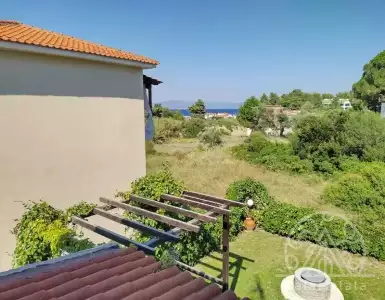
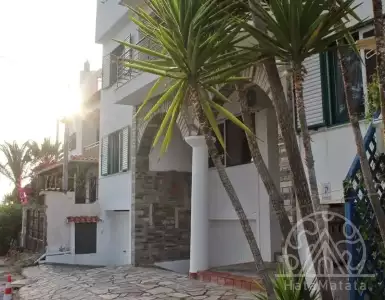
- Greece — attractive mainly because of the Golden Visa and proximity to Turkey. Despite higher investment thresholds introduced in 2024 for many areas, Greeks still draw Turkish buyers seeking EU residence.
- United States and United Kingdom — chosen for dollar- or pound-denominated income streams, long-term residence pathways and education options for children.
Product type and buyer profile
- Average ticket: €500,000, range €250,000–€1 million.
- Buyers favour centrally located apartments in new developments rather than standalone villas. Reasons include lower maintenance, strong rental demand, and easier property management from abroad.
- Installment payment options on new-build projects are popular, enabling buyers to spread payment while the lira continues to depreciate.
These preferences suggest Turkish buyers are buying as investors and as pragmatic migrants: they want income, low hassle and legal residency where possible.
What this means for investors and agents in destination markets
If you are selling property to Turkish buyers or want to attract Turkish capital, here are practical takeaways based on the data and market behaviour.
- Emphasize rental yield and time-to-payback metrics: Turkish investors contrast payback periods directly with Turkey’s market.
- Highlight legal clarity and tax treatment: Dubai’s low-tax environment and transparent transactions are explicit selling points.
- Offer flexible payment plans priced in a stable currency: installment terms denominated in euros/dollars can be decisive.
- Create product packages that simplify remote ownership: property management, furnished rental options and turnkey services appeal to buyers who will not reside full-time.
From an investor’s view, Turkish demand adds a layer of buyers who can move quickly when macro conditions change. For developers, capturing this demand requires clear communication on yield, residency options and currency exposure.
Risks and caveats buyers should consider
This buying surge comes with trade-offs. I want to be candid about the risks.
- Currency exposure is double-edged. Buying a property priced in euros or dollars protects against lira depreciation but introduces exchange-rate risk when converting funds or servicing payments in foreign currency.
- Political or regulatory changes in destination countries can affect residency programs and taxes. Greece raised certain thresholds in 2024; rules can change again.
- Overconcentration in a single market is risky.




We have seen a pattern: buyers react to domestic pressure by rushing into large, foreign purchases. That solves some problems and creates new ones. Careful due diligence, local legal advice and currency planning are not optional.
How Turkish demand is reshaping markets and what to watch in 2026
The scale and speed of investment since 2021 are notable. Spending rose from $216 million in 2021 to $2.4 billion in 11 months of 2025 — a 12-fold increase.
Short-term market effects
- Increased purchase activity can lift prices in target segments, especially centrally located new-build apartments.
- Rental markets in investor-friendly cities may see stronger supply and turnover, improving gross yields for a time.
- Developers may tailor products to foreign buyers, offering payment plans and services pitched at Turkish investors.
Medium-term outcomes to watch
- Will demand stay elevated if Turkish inflation and currency volatility abate? If macro stabilization occurs, outbound purchases could cool.
- Changes in residency and tax rules in destination countries can redirect flows. Greece’s policy change in 2024 shows the system is responsive.
- If forecasts hold and spending exceeds $6 billion in 2026–27, target-market inventories and pricing will be affected materially.
I expect volatility in flows rather than a smooth upward trend. Buyers react fast to macro signals; markets respond with product adjustments. That dynamic creates opportunities for informed sellers and risks for uninformed buyers.
Practical checklist for Turkish buyers and foreign property advisors
If you are considering an overseas purchase or advising Turkish clients, here is a condensed checklist we use in our reporting and advising:
- Confirm residency and visa implications of the purchase.
- Run a multi-currency affordability model showing scenarios for exchange-rate swings.
- Verify local taxes, transaction costs and ongoing charges (service fees, property taxes, non-resident taxes).
- Demand transparent yield assumptions: ask for gross and net rental yield projections and time-to-payback calculations.
- Use trusted local legal counsel to review title, developer guarantees and foreign-ownership restrictions.
- Consider property management solutions if you plan to rent from abroad.
These steps reduce surprises and match investor expectations to reality.
Market reaction: voices from industry
Bayram Tekçe, chairman of the Real Estate Service Exporters Association, told Anadolu that Dubai’s appeal rests on being a "secure, institutional, transparent real estate market with low taxes and investment advantages." He underlined the payback gap between Dubai and Turkey. International consultant Burak Ustaoğlu highlighted the 12-fold increase in spending since 2021. Real estate consultant Özden Çimen projected that Turkish spending could exceed $6 billion in 2026–27, linking growth to dollar-based income and improved visa conditions.
I find these assessments credible because they tie buyer behaviour to measurable macro variables: inflation, exchange rates and clear policy incentives in destination countries.
Frequently Asked Questions
Q: How much did Turks spend on foreign property in 2025?
A: Turkish residents spent $2.4 billion on overseas property during the first 11 months of 2025, a 26.2% increase over the same period in 2024.
Q: Which countries are Turkish buyers choosing?
A: The top destinations cited are the United Arab Emirates (especially Dubai) and Greece, followed by the United States and United Kingdom for dollar- or pound-based income, residency and education reasons.
Q: What price range do Turkish buyers prefer?
A: Typical purchases range from €250,000 to €1 million, with an average of €500,000. Buyers prefer central apartments in new projects with installment options.
Q: Is this trend likely to continue?
A: Industry consultants project further growth, with spending possibly exceeding $6 billion in 2026–27. Continuation depends on Turkey’s inflation and currency trajectory, and on destination-country policy and market conditions.
Bottom line: what this means for buyers, sellers and markets
The record $2.4 billion outflow in 2025 shows that property investment is now a mainstream response for many Turks facing inflation and lira depreciation. For foreign sellers and developers, Turkish buyers are sizable, informed and focused on yield, residency and low-maintenance assets. For Turkish investors, overseas property offers currency insulation and rental income advantages but brings exchange-rate risk, regulatory uncertainty and market-cycle exposure.
If you are a buyer, plan currency management and legal due diligence. If you are a seller or advisor targeting Turkish demand, present clear yield metrics, residency benefits and flexible payment terms. Expect continued activity: analysts forecast more than $6 billion in Turkish overseas property purchases across 2026–27.
We will find property in Turkey for you
- 🔸 Reliable new buildings and ready-made apartments
- 🔸 Without commissions and intermediaries
- 🔸 Online display and remote transaction

International Real Estate Consultant

Subscribe to the newsletter from Hatamatata.com!
Subscribe to the newsletter from Hatamatata.com!
Popular Posts

We will find property in Turkey for you
- 🔸 Reliable new buildings and ready-made apartments
- 🔸 Without commissions and intermediaries
- 🔸 Online display and remote transaction
International Real Estate Consultant

Subscribe to the newsletter from Hatamatata.com!
Subscribe to the newsletter from Hatamatata.com!
I agree to the processing of personal data and confidentiality rules of HatamatataPopular Offers

 1
1
 1
1
 31
31
 1
1
 4
38
4
38
Need advice on your situation?
Get a free consultation on purchasing real estate overseas. We’ll discuss your goals, suggest the best strategies and countries, and explain how to complete the purchase step by step. You’ll get clear answers to all your questions about buying, investing, and relocating abroad.



Irina Nikolaeva
Sales Director, HataMatata