


 196 437 $
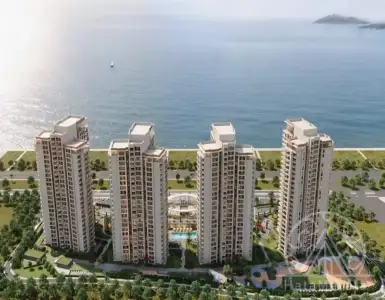 540 621 $
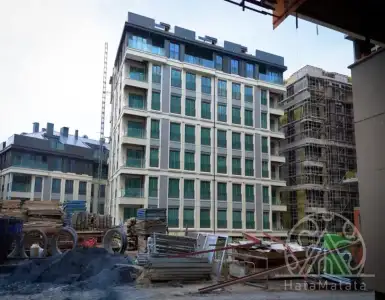 584 274 $
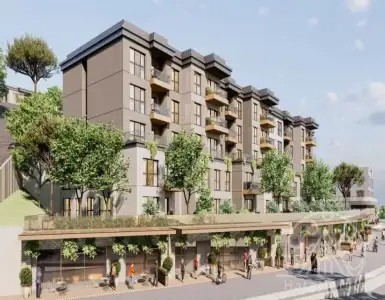 292 137 $
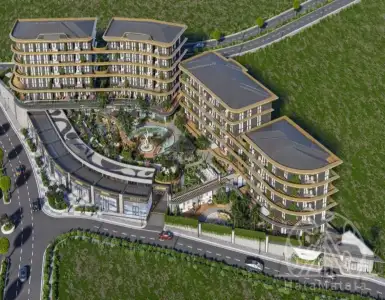 237 851 $

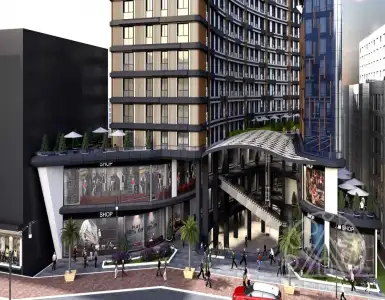 219 382 $
 291 577 $

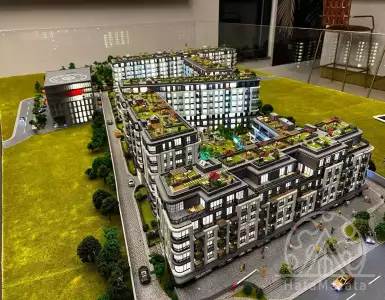
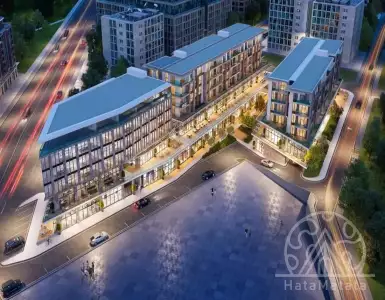 343 624 $
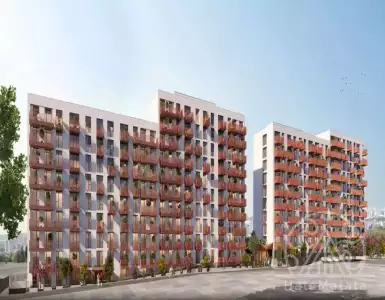 222 740 $
 264 022 $
 278 705 $
 293 256 $
 224 979 $
 658 674 $
 285 421 $

 319 000 $
 359 295 $


 662 625 $

 Legal review:
Deni Gerikhanov, International Real Estate Lawyer
 Financial review:
Evgeniya Skripko, Financial Expert in International Real Estate
Reviewed:
🇹🇷 Istanbul flats with Bosphorus views, historic neighborhoods and metro access
Istanbul is a city of contrasts that shapes one of the most dynamic housing markets in Europe and Asia. Buyers who want to buy flat in Istanbul face a market that blends centuries-old neighbourhoods on the Bosphorus with large-scale new developments on the city outskirts. Demand is driven by domestic migration, international investors, and strong tourism flows, which together create a market offering everything from compact studio flats near transport hubs to large family apartments and luxury Bosphorus residences. Choosing the right flat in Istanbul requires an understanding of micro-locations, construction quality, price per square metre, and the legal and tax landscape.
💶 How much Flat costs in Istanbul
Prices for flat in Istanbul vary widely by district, proximity to the Bosphorus or Marmara, and whether the property is new or resale. Central European-side neighborhoods and Bosphorus-facing properties are at the top of the market, while mass-market new developments on the European periphery offer more affordable square-metre rates.
- Central districts (Beşiktaş, Şişli, Nişantaşı, Levent): $4,000–$8,000 per m² for high-end apartments, and $2,500–$4,000 per m² for typical resale flats.
- Asian side (Kadıköy, Üsküdar, Ataşehir): $2,000–$4,000 per m² depending on waterfront proximity and metro access.
- New development zones (Başakşehir, Esenyurt, Beylikdüzü, Kağıthane): $800–$1,800 per m² for mass-market projects and off-plan offers.
- Prime Bosphorus villas and mansions (Bebek, Arnavutköy, Rumeli Hisarı): $8,000–$20,000 per m² and up for landmark waterfront properties.
Average unit sizes reflect typical buyer needs: studios 35–55 m², one-bedroom 55–85 m², two-bedroom 85–130 m², three-bedroom 120–220 m². New developments often package flats with communal amenities, which raises per-m² prices but also improves rental appeal and resale liquidity. Investment in flat in Istanbul should consider both gross asking price and effective cost after maintenance, taxes, and insurance.
🎯 Which district of Istanbul to choose for buying flat in Istanbul
Different buyer goals require different districts. Rental investors look for rental yield and tenant demand, families seek schools and green space, while premium buyers prioritise location and prestige. The following list explains what each area delivers.
- Beşiktaş / Levent / Şişli
- Advantages: central business districts, international offices, metro lines, high rental demand among professionals
- Price profile: $3,000–$8,000 per m²
- Best for: corporate rentals, executives, high-end investment flat in Istanbul
- Kadıköy / Moda / Bostancı
- Advantages: lively cultural scene on the Asian side, ferries and Marmaray access, popular with long-term tenants
- Price profile: $2,000–$4,000 per m²
- Best for: stable rental yields, expatriates, buy flat as a foreigner in Istanbul
- Başakşehir / Esenyurt / Beylikdüzü
- Advantages: affordable new developments, family housing, planned infrastructure expansion
- Price profile: $800–$1,800 per m²
- Best for: entry-level investment flat in Istanbul, resale flat in Istanbul, families seeking space
- Bosphorus districts (Bebek, Arnavutköy, Rumeli Hisarı)
- Advantages: prestige addresses, waterfront lifestyle, limited stock
- Price profile: $8,000+ per m²
- Best for: premium segment, second home flat in Istanbul, long-term capital preservation
Choosing among these depends on whether the buyer values short-term rental yield, long-term capital growth, or personal lifestyle. Accessibility to mass transit, proximity to business towers like Levent/Maslak, and the upcoming metro lines consistently shape demand for flat in Istanbul.
🏙️ Characteristics of Istanbul that influence buying flat in Istanbul
Istanbul’s unique geography—straddling Europe and Asia—creates diverse micro-markets with different seasonal and long-term dynamics. The city stretches along the Bosphorus, the Golden Horn, and the Marmara Sea, producing waterfront premiums and high demand for transport-connected neighbourhoods.
- Transport and infrastructure: Istanbul has an expanding metro and Marmaray commuter rail, major bridges, and multiple ferry lines; proximity to these links increases both rental demand and resale value for a flat in Istanbul.
- Climate and lifestyle: A temperate maritime climate with warm summers and mild winters suits year-round rental, while waterfront promenades and historical districts attract tourism-backed short-term rental income.
- Urban structure: Historic cores (Fatih, Sultanahmet) offer compact resale flats with tourism advantages, while large-scale masterplans in Başakşehir and on the European periphery provide gated complexes with amenities favored by families and investors seeking predictable management.
These features drive different demand streams: corporate tenants in Levent/Maslak, young professionals in Kadıköy, families in suburban compounds, and foreign buyers targeting prestige waterfront properties. Understanding the local infrastructure plans—new metro stations, hospitals, universities—helps identify where to buy flat in Istanbul for future appreciation.
💼 Economy of Istanbul and how it shapes the flat market in Istanbul
Istanbul is Turkey’s economic engine, hosting the largest share of the country’s GDP, headquarters of major banks, and a dense cluster of service and tech firms. Strong domestic consumption, trade via the ports, and continuous tourism flows support diverse demand for residential property.
- Business activity and employment: The concentration of finance and tech firms in Levent, Maslak, and Şişli creates steady demand for high-quality flats for professionals and executives.
- Tourism and short-term rental: Major tourist corridors—Sultanahmet, Taksim, Kadıköy—generate seasonal rental income and support investment in centrally located flats.
- Tax and liquidity considerations: Turkey’s fiscal environment includes property taxes and income taxation on rental revenue, which affect net yield; the large domestic investor base and active resale market make certain districts highly liquid.
For investors, the combination of stable urban employment centers and a robust tourist economy translates into predictable rental pools for well-located flats and clear differentiation between high-liquidity central flats and longer-hold peripheral assets.
🏗️ Leading developers and projects offering flat in Istanbul
Reputable developers drive quality and resale value in Istanbul’s new developments. Working with established names reduces delivery risk and increases the chances of developer installment plans or mortgage partnerships.
Notable developers active in Istanbul:
- Ağaoğlu
- Emlak Konut GYO
- Sinpaş
- DAP Yapı
- Teknik Yapı
- Rönesans
- Emaar Türkiye
- Kiler GYO
Representative projects to consider when you buy flat in Istanbul:
- Maslak 1453 — large mixed-use urban campus with offices and residences.
- Istanbul Sapphire — landmark high-rise in Levent with premium apartments.
- Zorlu Center Residences — integrated luxury living in a central mixed-use complex.
- Vadistanbul — mixed-use development with residences, mall, and transport links.
- Kanyon Residences — premium city-centre living with direct retail and business access.
- Trump Towers Istanbul — mixed-use towers with well-known branding and location advantages.
Developers typically offer formats from compact studio flats to large family apartments with on-site amenities such as gyms, pools, and 24/7 security. Payment terms range from off-plan deposits to staged construction-linked payments and occasional long-term developer installment plans for foreign buyers.
🏦 Mortgage and installment conditions for foreigners buying flat in Istanbul
Foreign buyers can access mortgage in Turkey for foreigners through Turkish banks and some international banks operating locally, and many developers offer installment plans to facilitate new sales.
- Bank mortgages: Down payments commonly range from 20–40%, with maximum loan-to-value usually 50–70% for foreigners depending on the bank and property. Loan tenors often go up to 15–20 years.
- Interest and currency: Rates and currency options vary; banks may offer loans in Turkish Lira, USD, or EUR. Mortgage costs are driven by market rates and borrower profile, so terms are subject to credit checks and documentation.
- Developer installment plans: Developers commonly provide staged payments tied to construction milestones, interest-bearing or interest-free short-term plans, and sometimes extended plans up to 60–120 months for completed stock or select projects.
Buyers pursuing investment flat in Istanbul should compare total financing cost and consider currency exposure. A deposit and developer installments can reduce the immediate need for a bank mortgage while preserving leverage to increase ROI on a resale flat in Istanbul.
📋 Legal and tax process of buying flat in Istanbul
The legal process is standardized but requires careful due diligence, especially for off-plan purchases. Key steps are selection, reservation, contract, payment, and title transfer at the Land Registry (Tapu).
- Pre-contract and reservation: A reservation deposit is commonly 1–5% for resale and 10–30% for off-plan. Buyer engages a lawyer or representative to run checks.
- Due diligence: Verify the TAPU type (full deed vs. shared), absence of liens or mortgages, building permit (Iskan) for completed projects, and military clearance for foreign buyers.
- Registration and fees: Title deed transfer at the Land Registry concludes the sale; title deed tax is typically 4%, split between buyer and seller or paid by buyer depending on agreement. Mandatory items include DASK earthquake insurance and possible VAT on new developments.
Common mandatory costs include 4% title deed tax, agency fees that are negotiable but often 2%–3%, notary and translation costs for documents, and lawyer fees for due diligence. The Tapu transfer is usually completed the same day when documents and funds are in order for resale transactions; off-plan schedules follow the construction timeline.
⚖️ Legal ownership, residency and citizenship via flat in Istanbul
Owning a flat in Istanbul grants full private property rights subject to national restrictions on certain strategic zones. The legal framework supports both ownership and rental activity, with tax obligations and procedures that buyers must follow.
- Ownership rights: Foreigners can hold freehold title except in restricted military or strategic areas; purchases are registered with the Land Registry (Tapu) under the buyer’s name.
- Residence permits and citizenship: Purchasing a property entitles the buyer to apply for a residence permit, and certain minimum investment thresholds can make the buyer eligible for citizenship through real estate investment when meeting the legal minimum and holding period. The minimum required amount for citizenship is commonly $400,000 invested in real estate and must be maintained for a defined period.
- Taxes and rental rules: Annual property tax rates are modest relative to purchase price, while rental income is taxable under the progressive income tax regime. Capital gains tax applies in specific situations, particularly for properties sold within the statutory holding period.
Managing compliance—registering the property, obtaining DASK, filing rental income—requires local representation or a lawyer to ensure correct filings and to maximize net ROI on an investment flat in Istanbul.
🏡 Which purposes suit buying flat in Istanbul
Istanbul accommodates multiple ownership scenarios; mapping purpose to district and property type helps buyers optimize location and expected returns.
- Primary residence and relocation: Families often choose Ataşehir, Kadıköy, Üsküdar, Başakşehir for schools, hospitals, and green areas. Typical purchases are two- to four-bedroom flats in residential compounds.
- Seasonal or second home: Waterfront flats in Bebek, Arnavutköy, Büyükdere or stylish apartments in Beyoğlu and Nişantaşı suit buyers who want an urban lifestyle and proximity to cultural amenities.
- Rental and investment flat in Istanbul: Investors targeting steady rental income focus on Levent, Maslak, Beşiktaş, Kadıköy for corporate tenants and Sultanahmet/Tarlabaşı for tourist short-term rental strategies. Typical yields vary but are often 3–6% gross depending on location and segment.
- Premium segment and long-term capital preservation: High-net-worth buyers purchase Bosphorus-facing flats and restorations in Bebek, Rumeli Hisarı, and listed historic buildings to combine lifestyle and prestige.
Selecting the right combination of location, layout, and legal structure — such as furnished short-term rental or long-term tenancy — shapes the investment flat in Istanbul’s expected ROI and operational complexity.
The Istanbul flat market remains shaped by the city’s role as an economic and cultural hub, ongoing infrastructure expansion, and a diverse demand base from domestic and international buyers; these forces suggest continued segmentation where core central locations retain premium pricing while large-scale peripheral developments offer volume and affordability, making Turkey’s property market attractive for targeted investment and lifestyle-oriented purchases.