


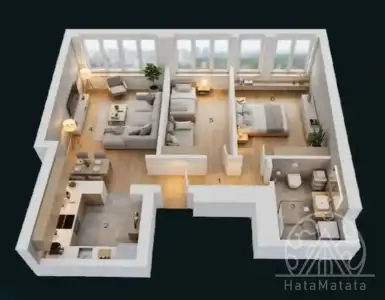
 238 820 $
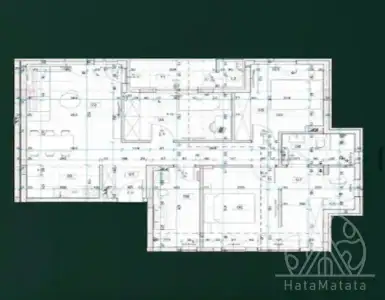 237 650 $
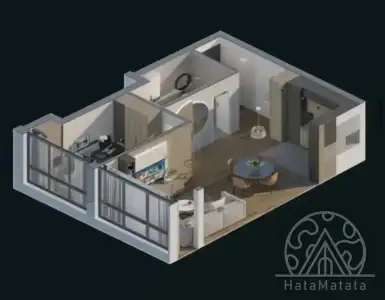 197 822 $
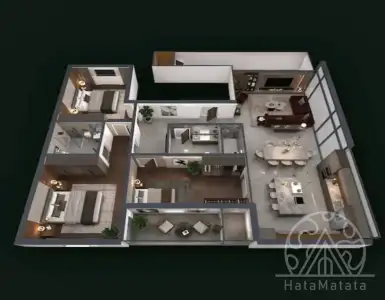 235 724 $
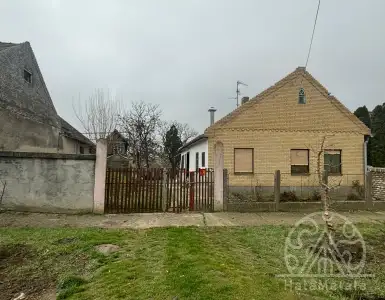 39 175 $
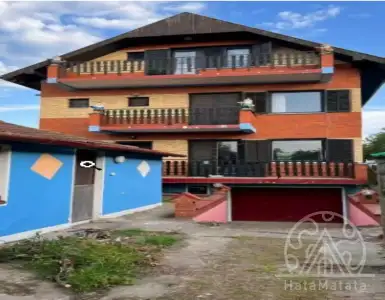
 Legal review:
Deni Gerikhanov, International Real Estate Lawyer
 Financial review:
Evgeniya Skripko, Financial Expert in International Real Estate
🇷🇸 Property for sale in Vrshatz, Vojvodina: apartments, family homes and vineyard plots
Vrshatz sits on the gentle slopes of the Vršac Hills in the South Banat region of Vojvodina, Serbia, offering a compact urban rhythm framed by vineyards, a small airport and easy access to cross-border markets. The municipality counts around 64,000 inhabitants, with the urban core housing roughly 35,000 people, giving the town the scale of a service center with comfortable living, local industry and a strong wine culture. The climate is continental with warm summers and cold winters; the hills provide microclimates prized by vintners and attractive walking routes for residents and visitors. Living in Vrshatz means combining small-city affordability with cultural life centered on the Vršac Castle, local festivals, wineries and a concentrated civic infrastructure that supports families, retirees and mobile professionals.
🏘️ Which district of Vrshatz to choose for buying property in Vrshatz
Centar (City Centre) is where municipal services, the main pedestrian zone and cultural facilities concentrate; apartments here are the preferred choice for buyers seeking convenience and long-term rental demand. Podgrađe (the area beneath the castle and vineyards) offers quieter streets, older villas and easy access to nature — attractive for holiday homes and premium lifestyle buyers. The Industrial Zone and peripheral settlements host practical housing stock and are best for workforce accommodation and investors targeting affordable long-term rentals.
- Centar: Walkable amenities, cafes, municipal offices, higher demand for small apartments
- Podgrađe / Vršac Hills: Detached houses, vineyard plots, premium lifestyle purchases
- Industrial zone / Outskirts: Lower prices, larger plots, proximity to manufacturing and logistics
- Nearby villages within the municipality (Pavliš, Pločica): Rural family homes and agricultural plots
Centar is safer by day and benefits from municipal policing and street lighting; Podgrađe is prized for livability and scenic value but has lower building density. Peripheral settlements deliver larger plots suitable for redevelopment, short-term rental conversions or small-scale tourism projects. Each district attracts different buyers: young professionals and students in Centar, families and retirees in Podgrađe, and investors or commuters in the outskirts.
💶 Property prices in Vrshatz
Average pricing in Vrshatz is markedly lower than major Serbian cities but varies by neighborhood and property quality. Buyers should expect city-center apartments (resale) in the range of €600–€1,000 per m², while new build property in Vrshatz closer to the center can command €800–€1,300 per m² depending on finish and developer guarantees. Peripheral family houses and plots typically start from €300–€600 per m² equivalent for built stock and smaller villages.
- Prices by district (indicative):
- Centar: €700–€1,300/m² for apartments
- Podgrađe / Vršac Hills: €900–€1,800/m² for premium villas or renovated houses
- Industrial zone / outskirts: €300–€700/m² for houses and plots
- Pavliš, Pločica: Plot and farmhouse offers from €25,000 for small properties
Price segmentation also separates market levels: entry-level resale flats, mid-range family houses and premium vineyard properties and renovated villas. Commercial units in prime streets are priced above residential averages, while small agricultural parcels for vineyard use are traded per hectare with large variation depending on terroir and irrigation.
🚆 Transport and connectivity in Vrshatz
Vrshatz is approximately 70 km from Belgrade, 50 km from Timișoara (Romania) and about 12–15 km from the Romanian border, providing strategic access for cross-border commerce. The E70 / A1 corridor connects the town to regional highways and to Serbia’s major urban centers; travel times are generally under 90 minutes to Belgrade by car depending on traffic. Vršac Airport (Vršac Airfield) sits just a few kilometers from the town and supports general aviation and gliding, while regional bus lines provide frequent services to surrounding towns.
- Key connectivity points:
- Road: Direct regional roads to Belgrade and cross-border routes to Romania
- Bus: Regular intercity routes linking to Pančevo, Novi Sad and Belgrade
- Air: Vršac Airfield for small aircraft and recreational aviation
- Rail: Regional rail links via nearby hubs; freight rail services access industrial zones
Public transport inside the town is bus-based and practical for daily commuting; average intra-city travel times are short — most destinations reachable within 20 minutes. For investors, the proximity to cross-border markets and easy highway access increases the attractiveness of industrial-adjacent properties and logistics uses.
🏥 Urban infrastructure and amenities in Vrshatz
Vrshatz provides a complete civic offer for residents: primary and secondary schools, a regional hospital and outpatient clinics, cultural institutions such as the National Theatre and municipal library, and several sports complexes. The town has well-known wine cellars and tasting routes that feed tourism and local hospitality. For higher education and specialized medical services, residents typically access facilities in Novi Sad and Belgrade, both within a reasonable driving distance.
- Notable local facilities:
- Regional Hospital and primary care clinics
- Municipal library, National Theatre and museum
- Sports hall and outdoor recreation spaces on Vršac Hills
- Local shopping: supermarkets, weekly markets and small retail centers
Parks and outdoor infrastructure around the Vršac Hills are a clear lifestyle advantage for buyers seeking green space. Retail and service infrastructure in Centar supports daily living, while larger shopping centers and specialized services are available in regional hubs along the highway corridor.
🏗️ Economic environment and city development in Vrshatz
The economy of Vrshatz blends agriculture, viticulture, light industry and pharmaceuticals; manufacturing plants and food-processing units support local employment. One of the region’s largest private employers operates a pharmaceutical facility close to town, and the strong tradition in wine production sustains a seasonal tourism stream. Economic indicators point to steady local demand for housing driven by stable wages in industry and agriculture and cross-border trade with Romania.
- Key sectors:
- Viticulture and wine tourism
- Light manufacturing and food processing
- Pharmaceuticals and regional logistics
- Small business and services centered in Centar
Municipal development strategies emphasize infrastructure upgrades, tourism promotion around the castle and vineyards, and modest industrial expansion. Investors benefit from predictable local planning rules, a supportive municipal administration for small-scale tourism projects and available plots suitable for logistics, warehousing and agrotourism.
🏡 Property formats and housing types in Vrshatz
The local market features a mix of small apartment blocks in the center, traditional family houses on larger plots, vineyard properties on the hills and low-rise new developments. New developments in Vrshatz tend to be small to medium scale — infill blocks of 8–30 apartments or clusters of townhouses — rather than large master-planned estates. Resale property dominates transactions, but off-plan property and new build property in Vrshatz appear periodically, often through local contractors.
- Common property types:
- City apartments (1–3 rooms), average sizes 40–80 m²
- Detached family houses, plots 300–1,200 m²
- Vineyard estates and weekend houses on Vršac Hills
- Small commercial units and warehouse spaces near industrial zones
Building quality varies: older stock requires renovation but offers lower entry prices; new builds provide modern insulation, elevators and parking but come at a premium. Architectural style is conservative and practical, with occasional contemporary infill reflecting regional aesthetics.
🏢 Developers and key residential projects in Vrshatz
Large-scale national developers occasionally participate in Vojvodina, while most projects in Vrshatz are delivered by reputable local contractors and family-run developers. Buyers encounter project-level guarantees, phased handovers and local references as primary indicators of reliability. Off-plan property in Vrshatz is typically offered by local developer partnerships, and many renovation-led projects are managed by contractors with decades of regional experience.
- Types of developers active locally:
- Local construction firms specializing in residential infill
- Regional developers from Vojvodina offering small new-build blocks
- Private investors converting villas and farmhouses into tourism units
When evaluating developers, request documentation on building permits, bank guarantees, warranties and previous completed projects. Local building inspectors and municipal records provide reliable verification of construction quality and compliance.
💳 Mortgage, financing and installment options for property in Vrshatz
Serbian banks provide mortgage products in local and foreign currencies; residents commonly secure financing with down payments from 20–30%, while non-residents may face lower LTV (loan-to-value) ratios and additional collateral requirements. Interest rates and loan terms vary with borrower profile, currency choice and property type; fixed or variable-rate options are available. Developers in Vrshatz sometimes offer installment plans for new build and off-plan property, structured as staged payments tied to construction milestones.
- Typical financing scenarios:
- Resident buyers: 20–30% down payment, loan terms up to 25 years depending on age and income
- Non-resident buyers: LTV often 50–70%, proof of income and local guarantor may be required
- Developer installment plans: Initial deposit 10–30% with staged payments through completion
For buy property in Vrshatz with mortgage or in installments, prepare bank statements, proof of income, and identification documents. Consult local banks and international lenders to compare offers in euros and dinars, and consider currency risk if income is in a currency different from the loan.
📝 Property purchase process in Vrshatz
Buying property in Vrshatz follows a structured path: selection, negotiation, signing a preliminary agreement with a deposit, due diligence, final contract and registration. Foreign buyers can complete transactions but must comply with reciprocity rules and obtain approvals for agricultural land when applicable. Typical payment methods are bank transfers for stages and final settlement, and lawyers or licensed agents commonly handle escrow and title checks.
- Step-by-step essentials:
- Property selection and price negotiation with seller or agent
- Preliminary contract and deposit (customary 5–10%, sometimes higher for off-plan)
- Due diligence: land registry check, building permits, encumbrance search
- Final purchase contract, notarization and registration in the cadaster
Professional support from a local lawyer, a certified surveyor and a translator (if needed) reduces risk. Buyers should confirm cadastral data, precise plot boundaries and outstanding municipal fees before final signing.
📜 Legal aspects and residence options for buyers of property in Vrshatz
Foreign nationals can buy apartments and urban properties with relative ease, while acquiring agricultural land may require additional approvals or local company structures. Ownership is registered in the Serbian cadastral registry and property taxes are applied at municipal rates. Purchasing property does not automatically grant a residence permit, though property ownership can support applications for temporary residence in some cases depending on immigration rules.
- Legal points to verify:
- Title deed (ownership entry in cadaster) and encumbrances
- Building permits and compliance with regulations
- Tax obligations: transfer tax, property tax and notary fees
Work with a licensed lawyer to navigate reciprocity requirements for non-EU nationals, confirm VAT applicability on new builds, and assess inheritance and capital gains tax implications according to Serbian law. Residence permit options exist but require separate immigration procedures beyond property purchase.
🎯 Property use cases and investment property in Vrshatz
Vrshatz suits a range of buyer goals: steady rental income to service mortgages, lifestyle purchases for vineyard living, short-term holiday lets near the castle and strategic acquisitions for logistics or light industry. Long-term rental demand is most consistent in Centar and close to major employers, while holiday and premium lifestyle occupancy is strongest in Podgrađe and vineyard-facing properties.
- Use cases by district and property type:
- Centar: Long-term rental apartments, student and professional tenants
- Podgrađe / Vršac Hills: Holiday homes, boutique B&Bs, premium resale villas
- Industrial zone: Commercial units, warehouses and workforce housing
- Pavliš, Pločica: Agricultural plots, agritourism conversion and rural retreats
For short-term rental strategies, target renovated apartments with strong local listings and proximity to festivals and wine tourism. For ROI-focused investors, consider lower-entry resale flats near employment hubs, where yields typically range in the mid single digits and vacancy risk is limited by local housing demand.
Vrshatz delivers a pragmatic property market with competitive entry prices, clear local infrastructure and predictable demand from industry, agriculture and tourism. Whether you’re looking to buy property in Vrshatz for permanent residence, to secure an investment property in Vrshatz, or to purchase new developments in Vrshatz with an installment plan or through mortgage financing, the market rewards careful due diligence, localized expertise and pragmatic project selection.